1
How did the Iroquois people use the natural resources in their environment to provide a place to live?
How did the Iroquois people use the natural resources in their environment to provide a place to live?
How did the Iroquois people use the natural resources in their environment to provide a place to live?
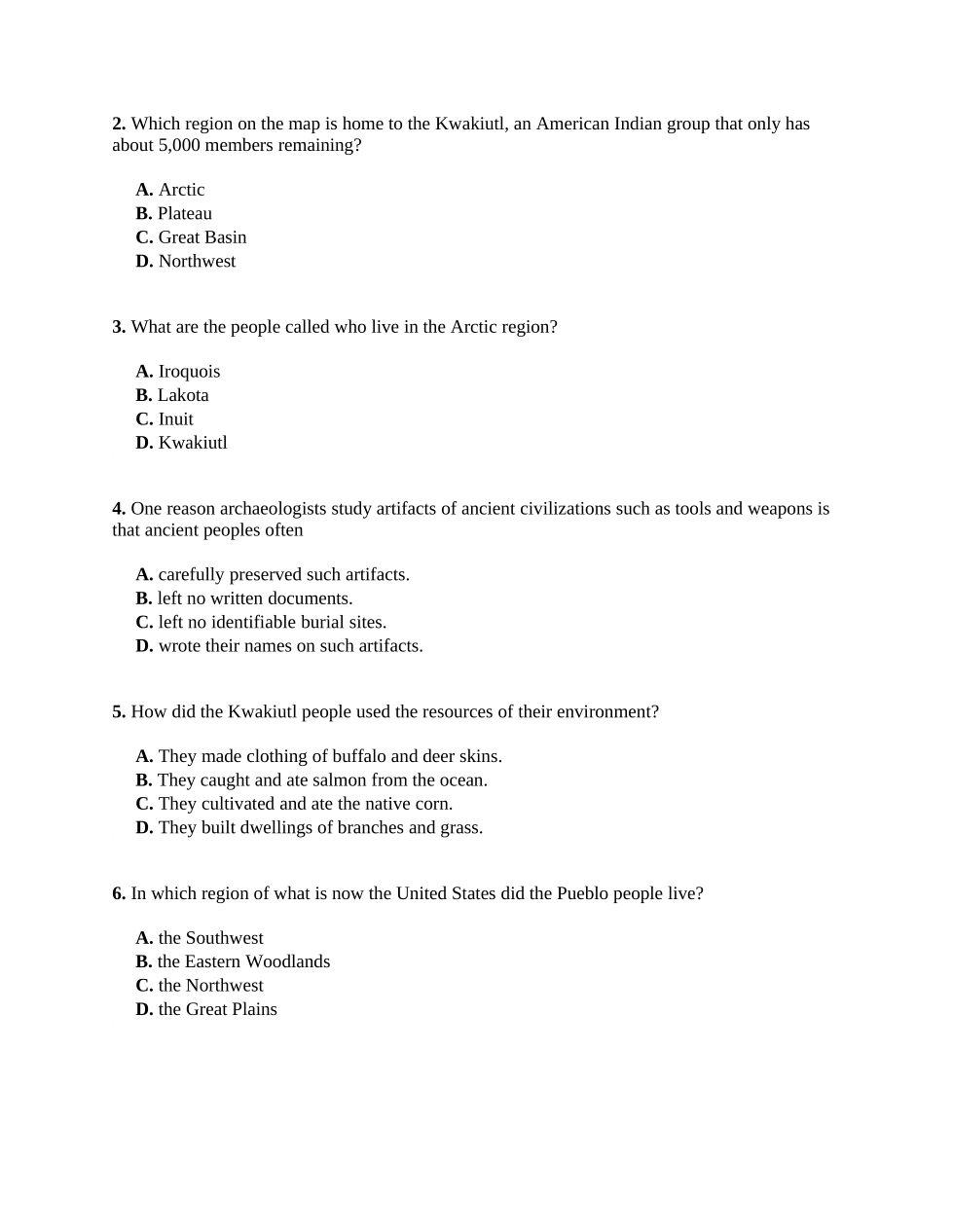

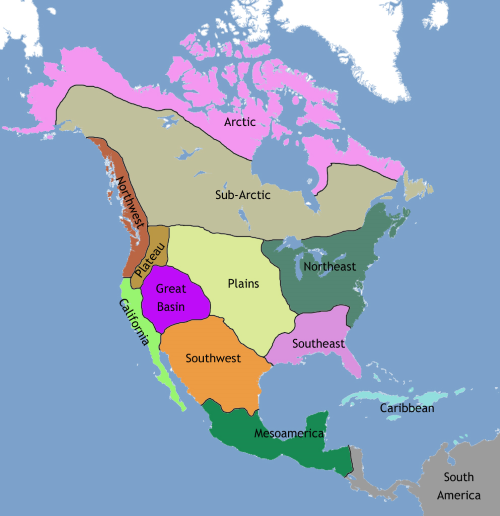
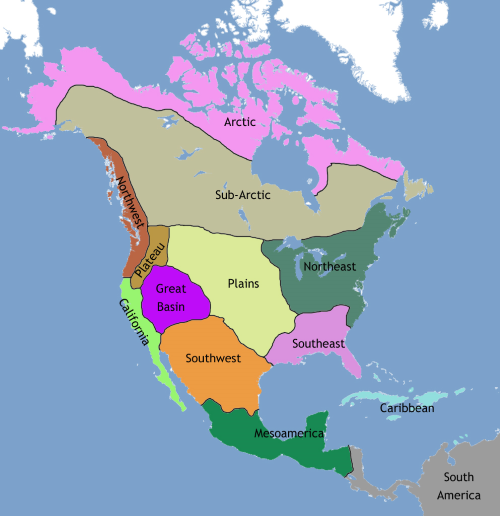
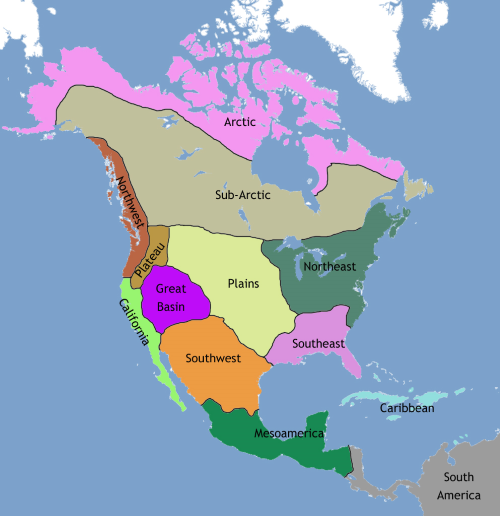
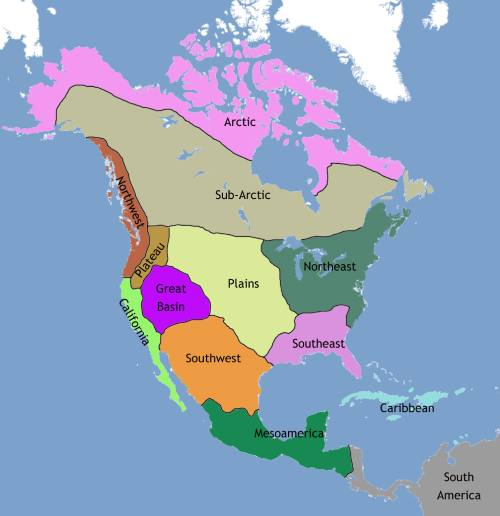
Which of the areas on the map represents where the Pueblo Indians lived?
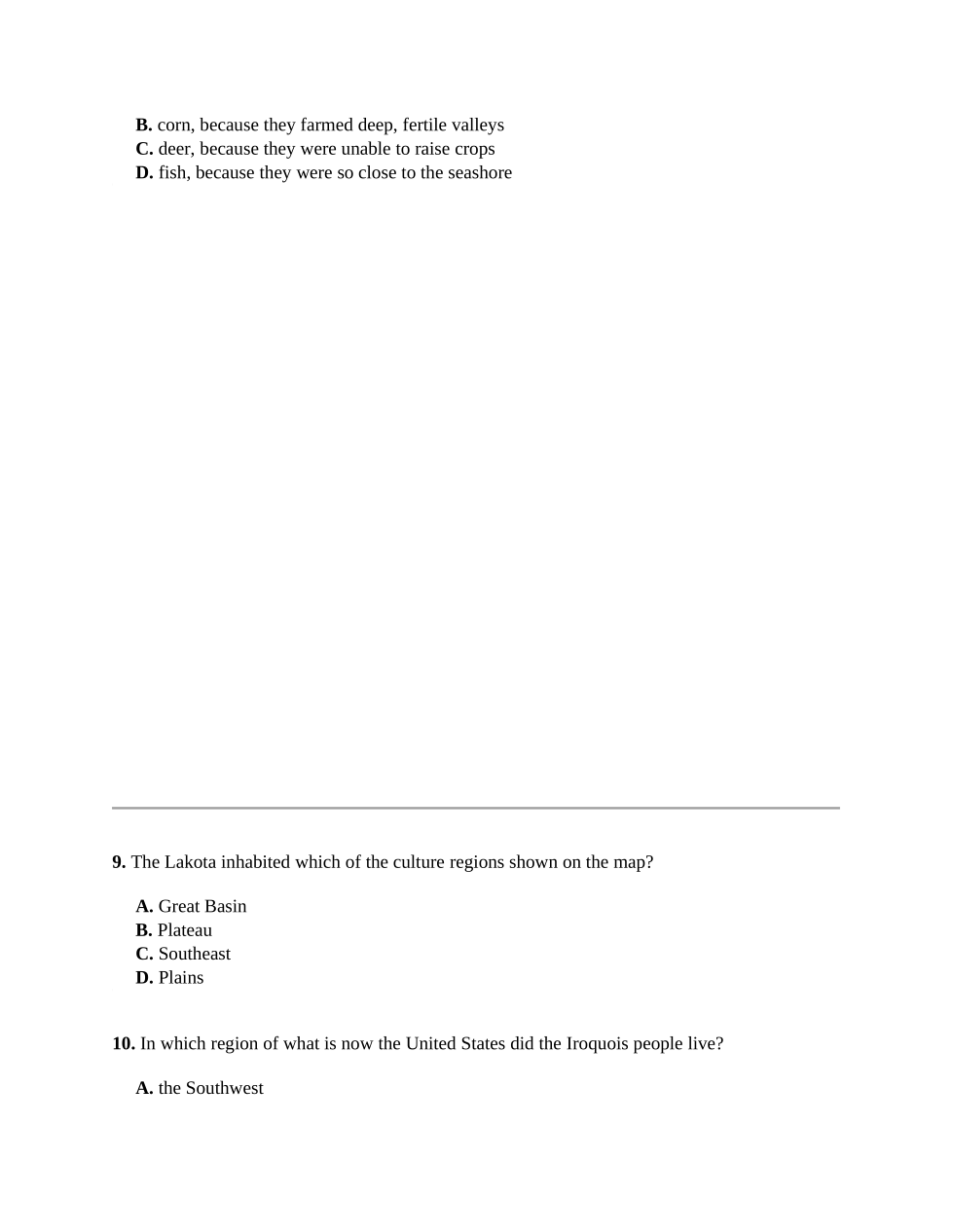
What was the Kwakiutl’s main source of food and why?
In which region of what is now the United States did the Iroquois people live?
In which region of what is now the United States did the Inuit people live?
Referring to the map, which region was inhabited by the Iroquois?
A ___________________ resource refers to the goods produced and used to produce other goods and services.
Hunters, canoe builders, fishermen, cloth makers are all examples of ____________ resources.
Arrows, spears, bows, and canoes are examples of _______________ resources.
Deer, buffalo, trees, and soil are examples of ________________ resources.
Which region on the map is home to the Kwakiutl, an American Indian group that only has about 5,000 members remaining? Click the letter to see the map.
What are the people called who live in the Arctic region?
One reason archaeologists study artifacts of ancient civilizations such as tools and weapons is that ancient peoples often
How did the Kwakiutl people used the resources of their environment?
In which region of what is now the United States did the Pueblo people live?
The Lakota inhabited which of the culture regions shown on the map?
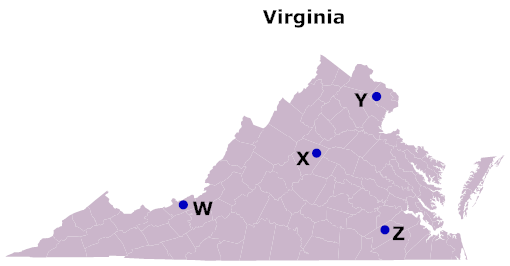
Which letter on the map labels the location of the Cactus Hill archaeological site?
The Pueblo people adapted to their environment by
Inuit diets were nearly 100 percent protein from animals such as whales, seals, and caribou. Why did the Inuit not get food from plants?
Why did the American Indians who lived in the Great Plains region have to keep moving from place to place?
The Pueblo people were farmers. What were their main crops?
Archaeologists studying certain Native American groups have often found carved arrowheads at sites where some of these people are believed to have lived. From such artifacts it can most likely be inferred that these people
Archaeology can best be defined as
What was the main source of food for the Lakota before the arrival of the railroad?
In which region of what is now the United States did the Kwakiutl people live?
A ____________ resource is found in nature.
A _____________ resource refers to the people working to produce a good or service.