Log in
Sign up for FREE
arrow_back
Library

TEST: Earth & Moon

star
star
star
star
star
Last updated almost 4 years ago
20 questions
1
1
1
1
1
1
1
1
1
1
1
1
1
1
1
1
1
1
1
0
Question 1
1.

Question 2
2.

Question 3
3.

Question 4
4.

Question 5
5.

Question 6
6.

Question 7
7.

Question 8
8.

Question 9
9.

Question 10
10.

Question 11
11.

Question 12
12.

Question 13
13.

Question 14
14.

Question 15
15.

Question 16
16.

Question 17
17.

Question 18
18.

Question 19
19.

What is the difference between rotate (Rotacion) and revolve (Traslacion)?

Question 20
20.

BONUS:

Cuantos hermanos tiene el Sr. Garcia y como se llaman?

What causes the Earth’s seasons?
Earth’s tilted axis
The Sun’s position in the sky
Earth moving closer and then farther away from the Sun
The Sun’s motion
Which of the following conclusions can be drawn from the model?

Mexico would not receive any daylight on the day this model shows.
The Equator would not receive any daylight on the day this model shows
The Arctic Circle would not receive any daylight on the day this model shows
The Antarctic Circle would not receive any daylight on the day this model shows.
Look at the picture below. When the Northern Hemisphere tilts toward the Sun, it is


winter
summer
spring
fall
Jose in South America is eating lunch at school. His cousin Mark in Australia is sleeping in the middle of the night. Which can you conclude about the position of Earth?
Australia is facing the Sun.
South America is facing the Sun.
The Southern Hemisphere is tilted toward the Sun.
The Northern Hemisphere is tilted toward the Sun.
How does the angle of sunlight that reaches Earth change in different seasons?
It does not change.
It changes only at the equator.
Sunlight is more direct on an area during summer.
Sunlight is not as direct on an area during summer.
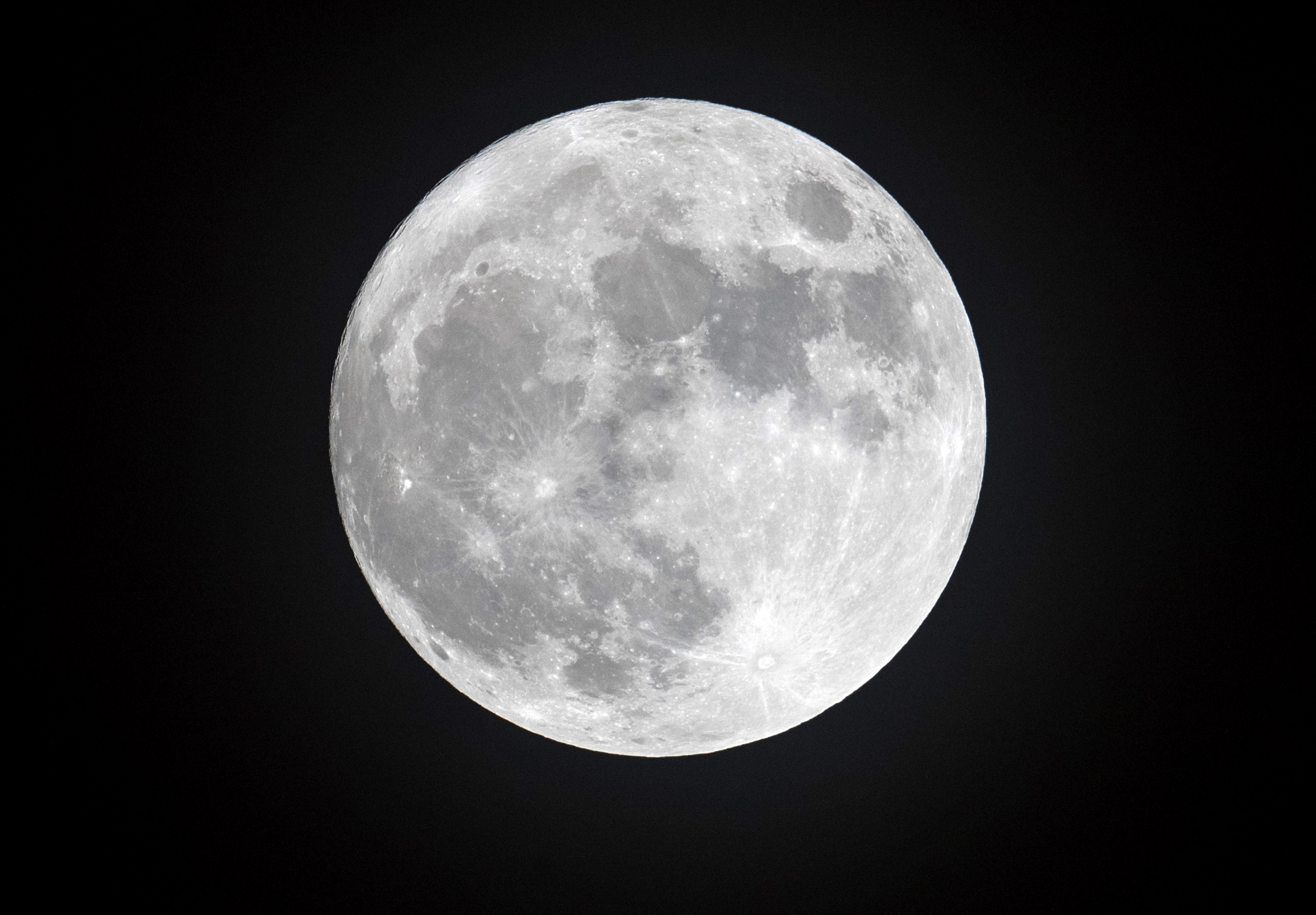
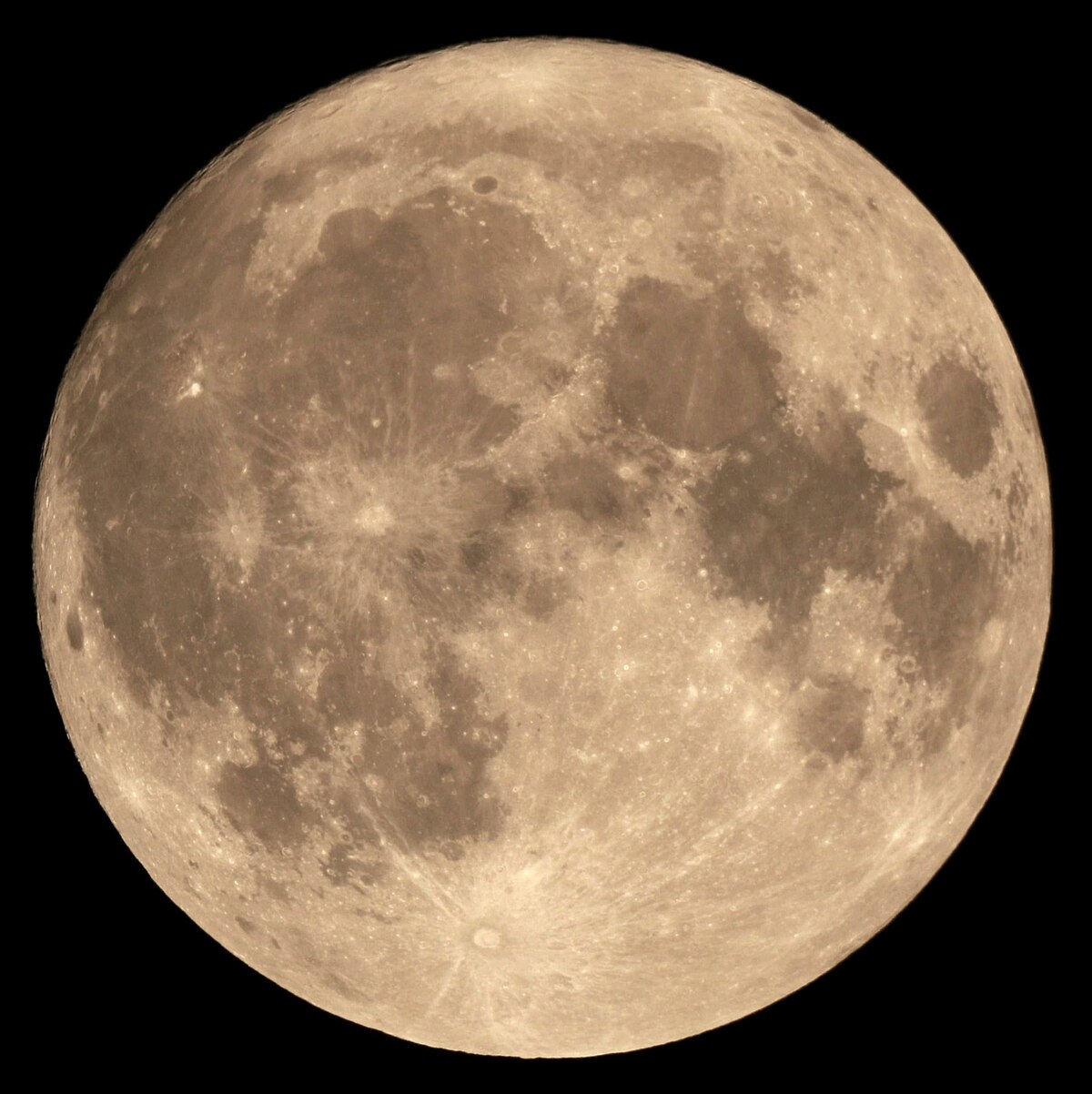
What phase of the moon is happening when 100% is lit?
New Moon
Full Moon
Gibbous
Crescent.
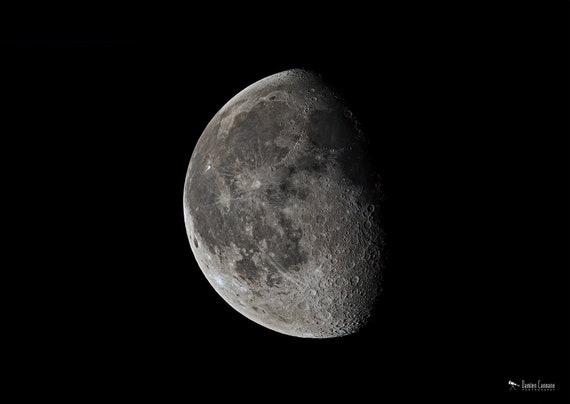
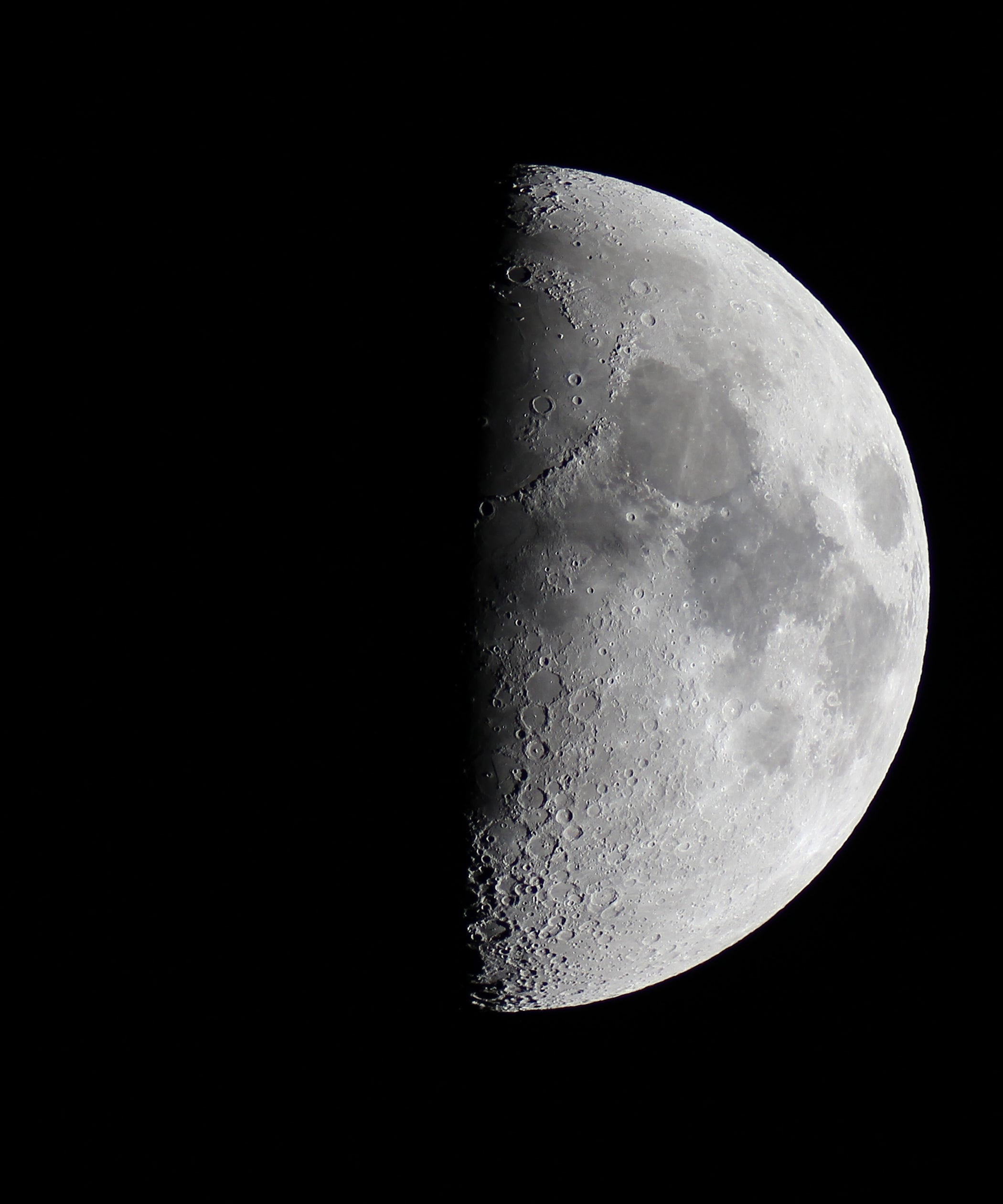
What phase of the moon is happening when less than 1/2 the moon is lit?
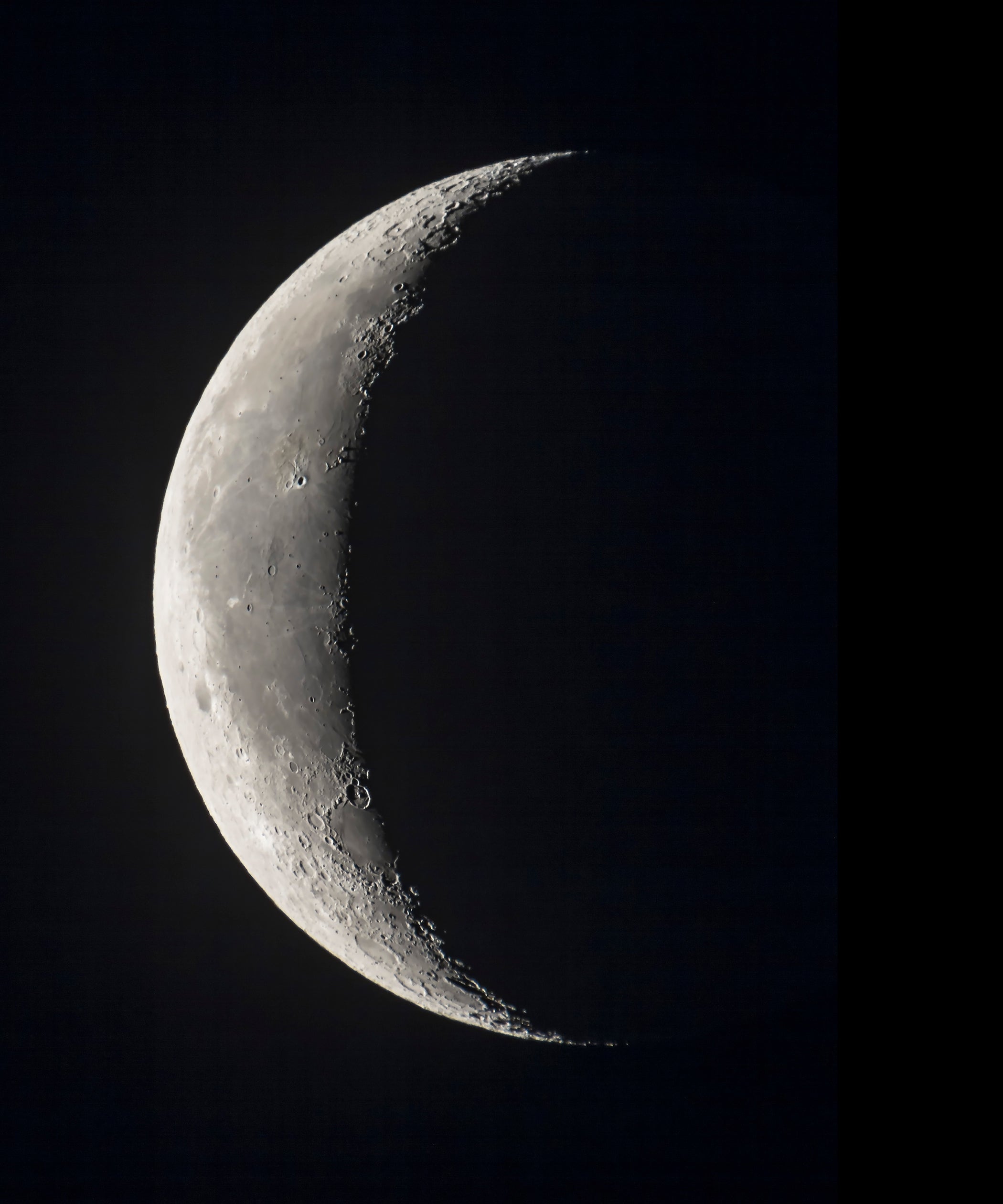
New Moon
Full Moon
Gibbous
Crescent.
A student wrote the argument below to explain why we experience different seasons on Earth:

We experience seasons on Earth because the Earth is tilted on its axis. The Hemisphere experiencing summer is tilted toward the sun and receives more direct sunlight. The Hemisphere experiencing winter is tilted away from the sun and receives more indirect sunlight.

Which of the following is a way that the student’s argument can be improved?
The student should not say that direct and indirect sunlight cause the seasons
The student should not say that the tilt of the Earth causes the seasons
The student should add the Earth’s orbit around the sun to the argument
The student should add the Earth’s distance from the sun to the argument
What is the model showing?

The Moon tilting on its axis
The cycle of day and night
The season on the Earth
The phases of the Moon
what moon phase is this?
Full Moon
New Moon
Crescent
Gibbous
what moon phase is this?


Full Moon
New Moon
Crescent
Gibbous
what moon phase is this?


Full Moon
New Moon
Crescent
Gibbous
what moon phase is this?


Full Moon
New Moon
Crescent
Gibbous
what moon phase is this?


Full Moon
Quarter Moon
Crescent
New moon
An imaginary line running through the center of the Earth
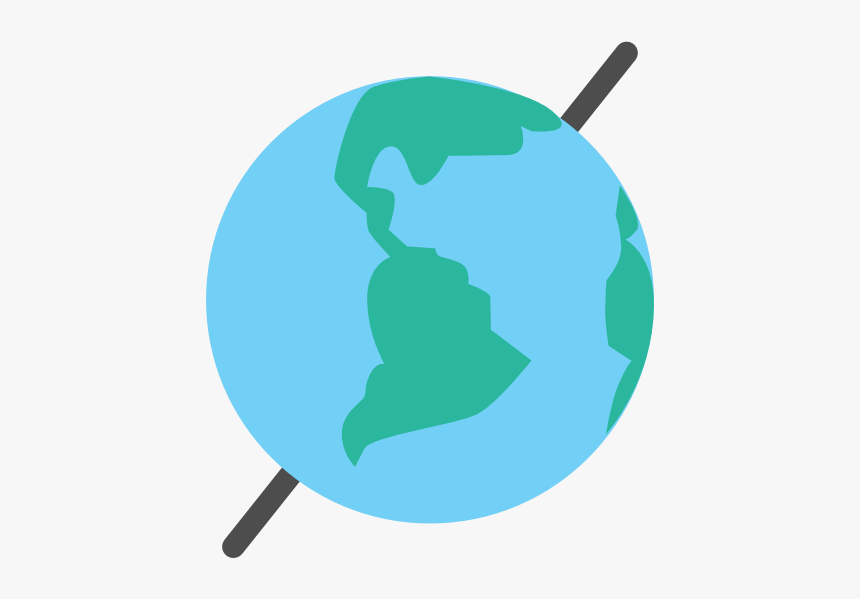
Axis
Rotation (Rotacion)
Revolve (Traslacion)
Movement
When the Earth goes around the Sun and it takes one year. We call this...
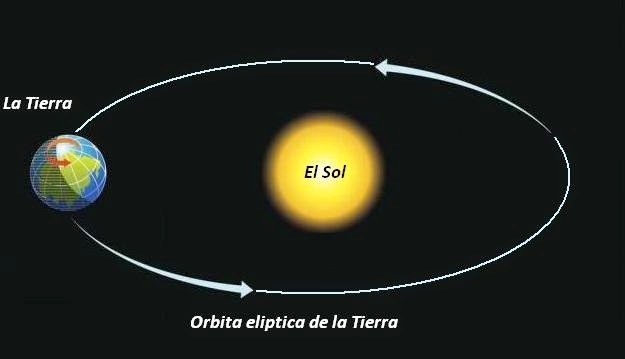
Axis (Eje)
Rotation (Rotacion)
Revolve (Traslacion)
Movement (Movimiento)
Earth spinning on its axis, is called...
Axis (Eje)
Rotation (Rotacion)
Revolve (Traslacion)
Movement (Movimiento)
How long does it take for the moon to go around the earth?
It takes 27/28 days for the Moon to revolve around the Earth
It takes 24 hours for the Moon to revolve around the Earth
It takes 365 days for the Moon to revolve around the Earth
It takes 24 days for the Moon to revolve around the Earth