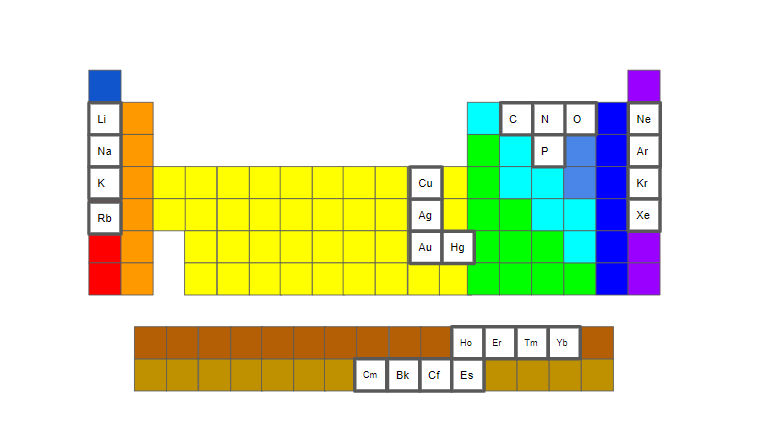
We divided the class into seating groups based on element symbols that are grouped together on the periodic table as pictured to the right.
You will now answer a set of questions based on these elements. You will need to do some online research to find the answers. Start with ptable.com. If you click on an element you will get a link to the WIkipedia article for that element. Using Wikipedia is fine for this activity.
You should work with your group, but it is fine to get help from other groups as well.
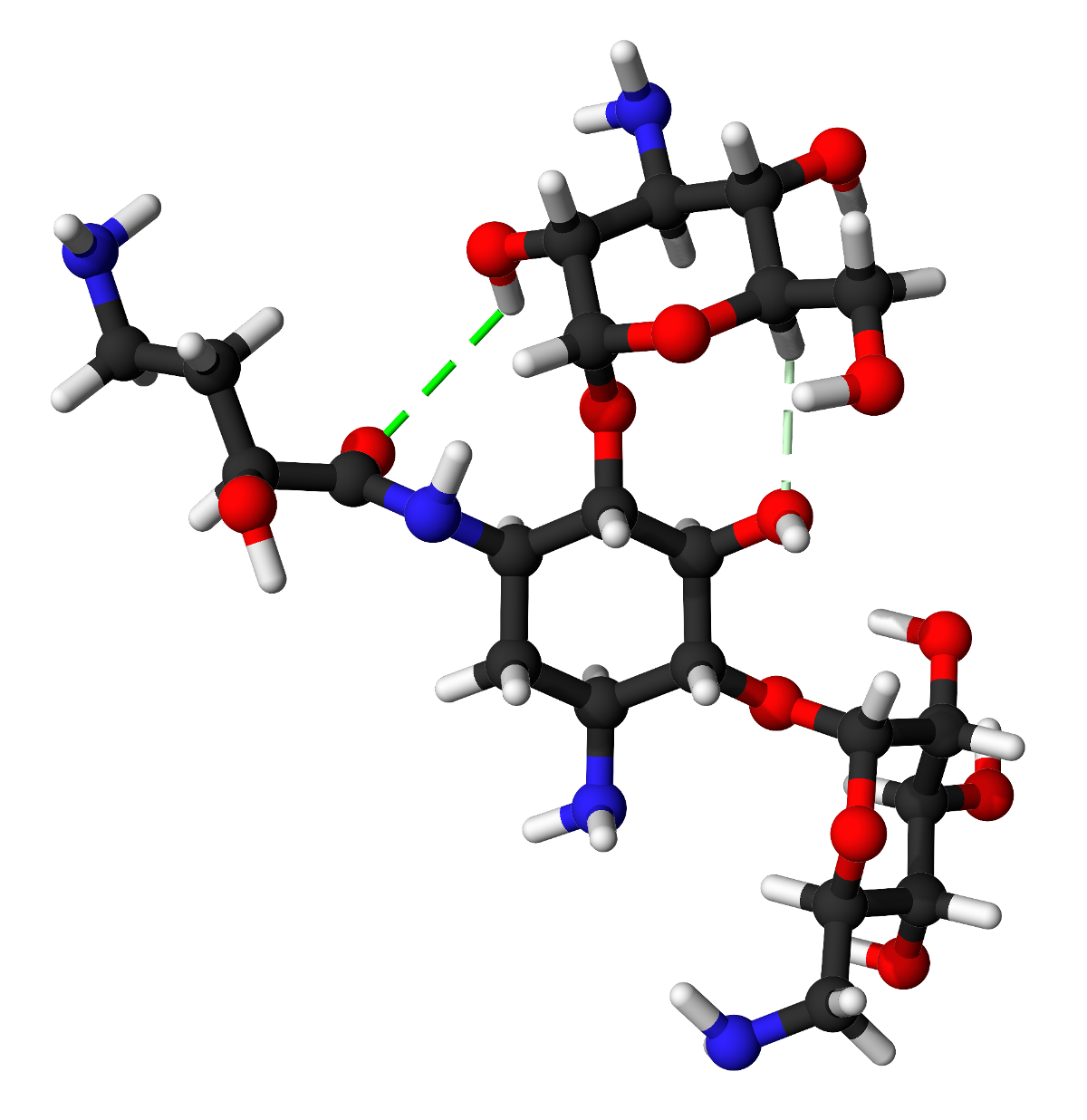
One of the groups contains elements that you learned a lot about in biology because they are the elements that make up the macromolecules (proteins, lipids, carbohydrates, nucleic acid) that are essential for life.
Which element is the center of all organic compounds?
One of the groups contains elements that you are probably familiar with but have symbols that do not match their names.
What language did the symbols for these elements come from?
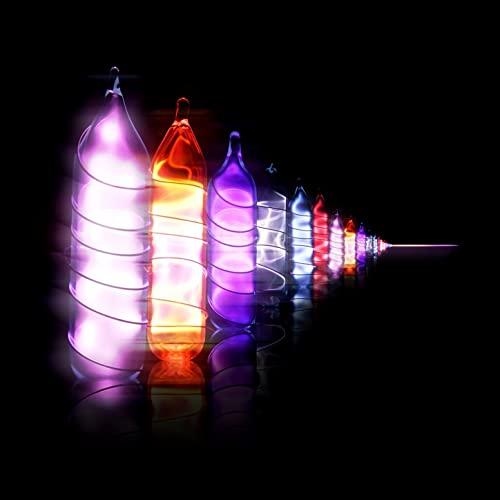
One of the groups contains elements that are not reactive at all, as mentioned by Hank Green in the video.
What is this group of elements called?
One of the groups contains metals, mentioned by Hank Green in the video, which a so reactive they do not exists by themself in nature
What is the group that these metals are in called?
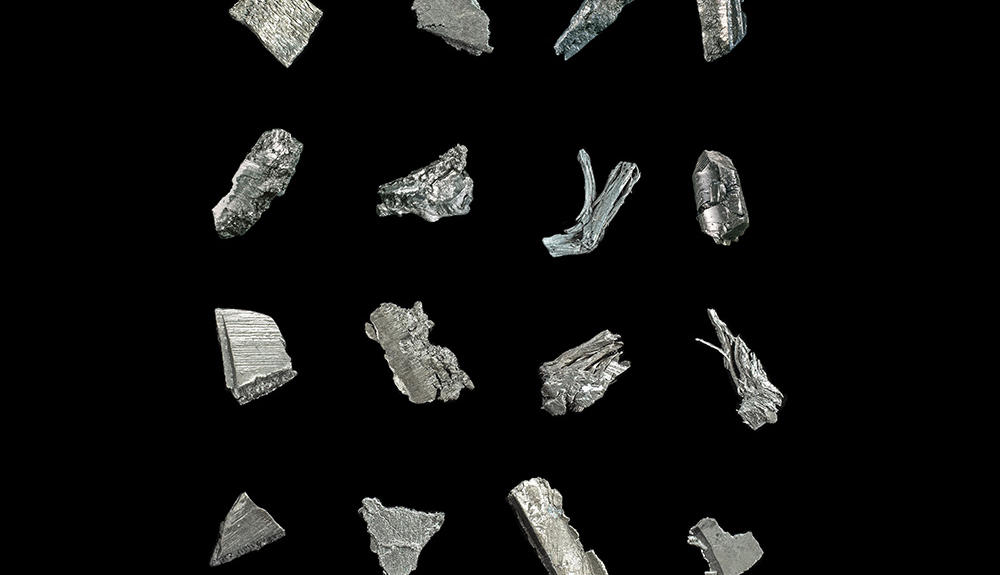
One of these groups, part of a larger group not known to Mendeleev according to the video, are very rare and have odd sounding names because they were named after the country and region where they were found.
What country were they discovered in?
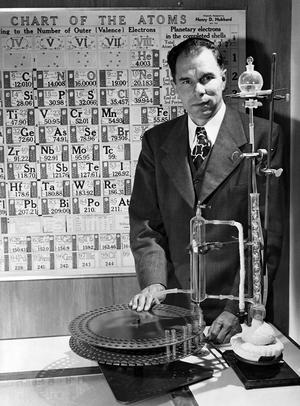
One of the groups contains elements that were discovered at the best university in the country (There ain’t no Stanfordium on the periodic table) in the 1940s and 1950s. The team that discovered these elements and would go on to discover more in the next three decades was led by a man who would have one of these later discovered elements named after him.
Which element is named after this man?
(Hint: This element is not part of one of the seating groups)
There is another group, not included in out seating groupings but mentioned by Hank Green in the video, which contains highly reactive gases.
What is this group of mostly gases called?
Californium is named after the state we live in.
There is one other element named after a state.
What year was it discovered?
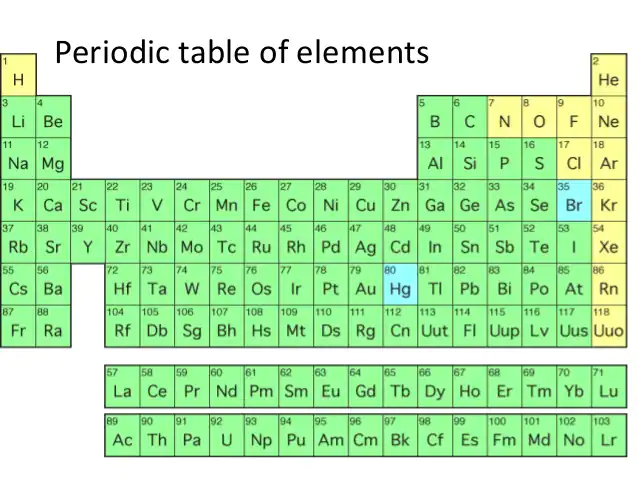
On the online ptable only two of the elements are written in blue font.
Why are they blue?

Periodicty means repeating in a regular pattern.
Which of these is NOT an example of periodicty?