Case Studies Obj. 14 Color Blindness
star
star
star
star
star
Last updated about 5 years ago
7 Nsɛmmisa
1
1
1
1
1
1
1
Background:
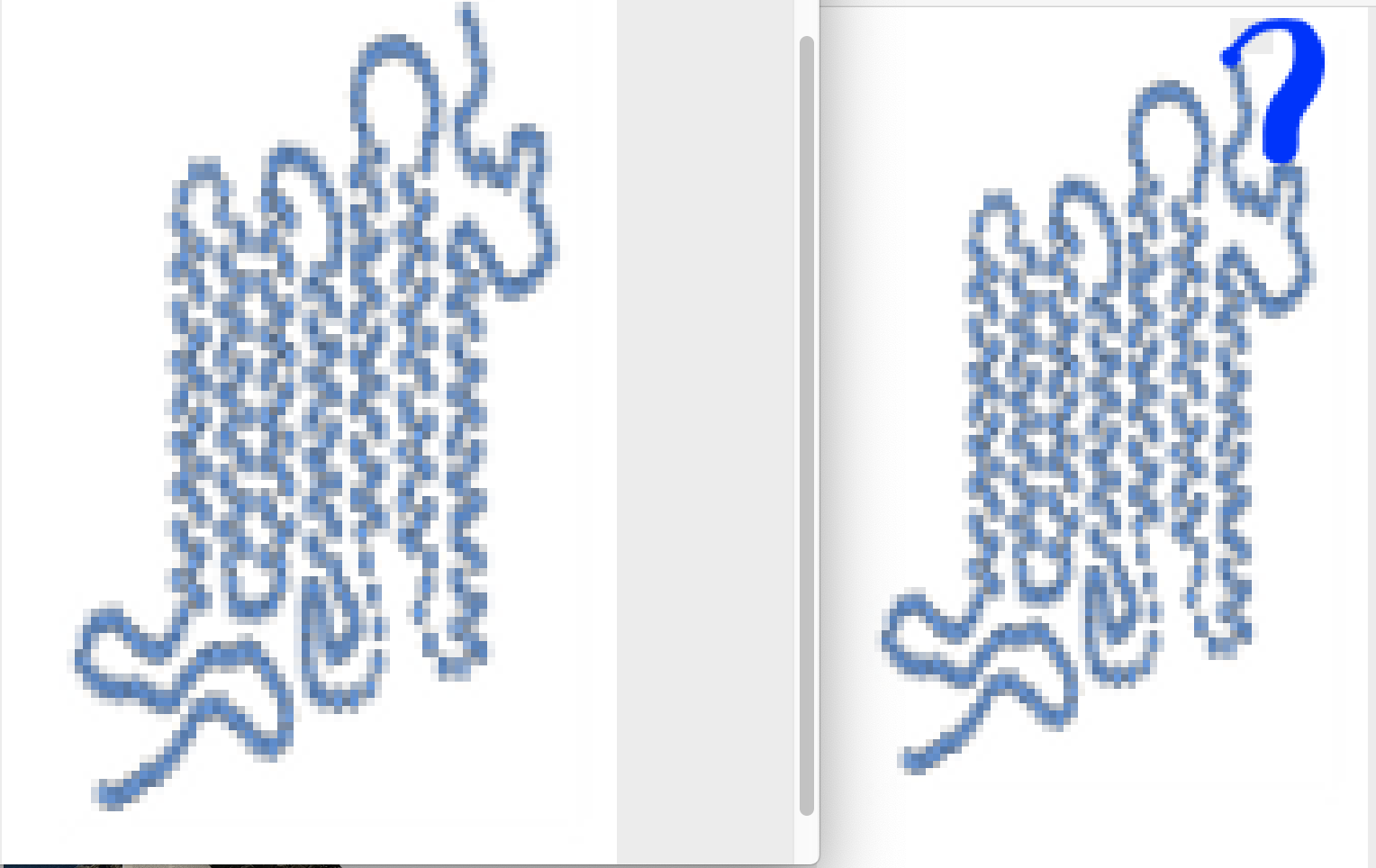
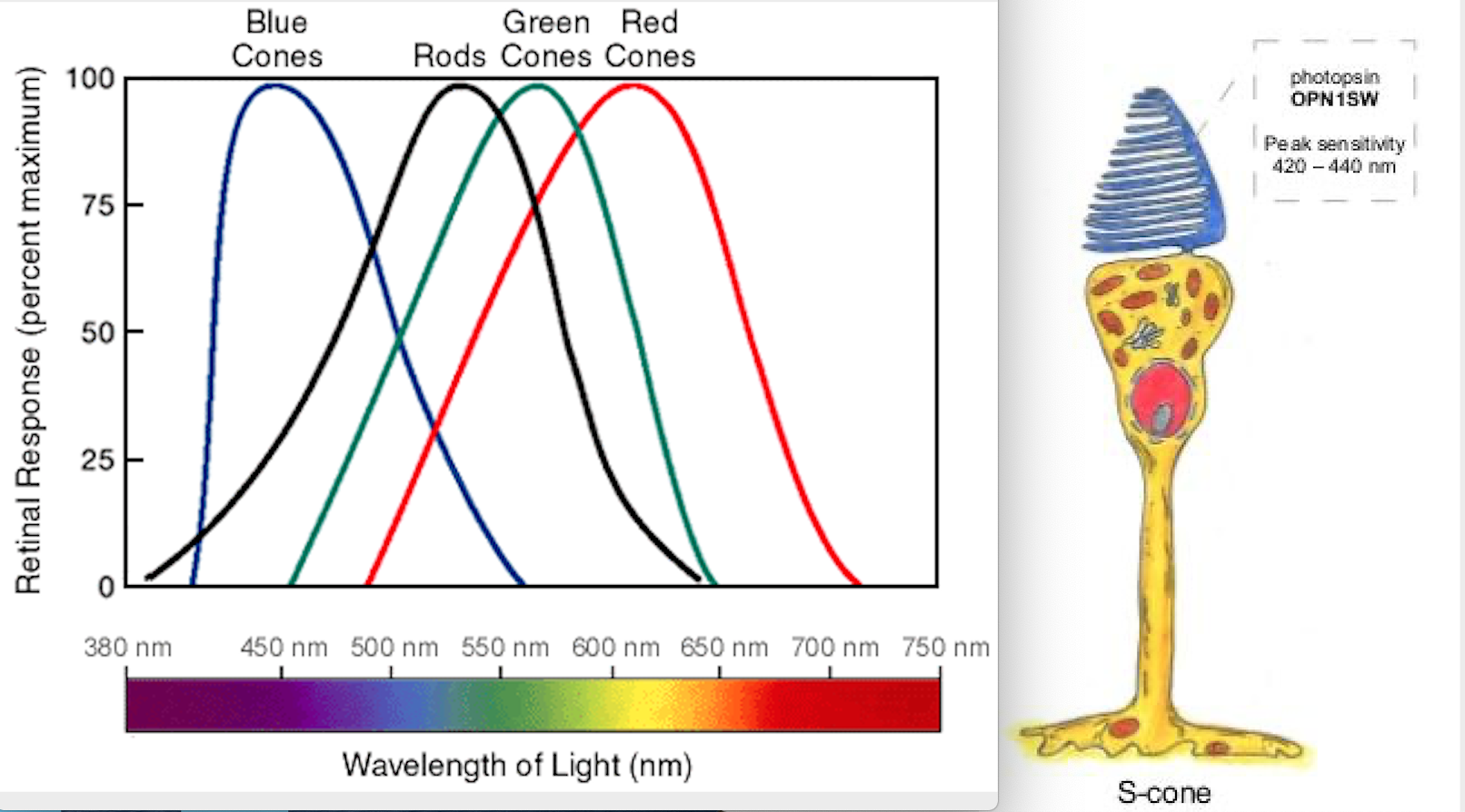
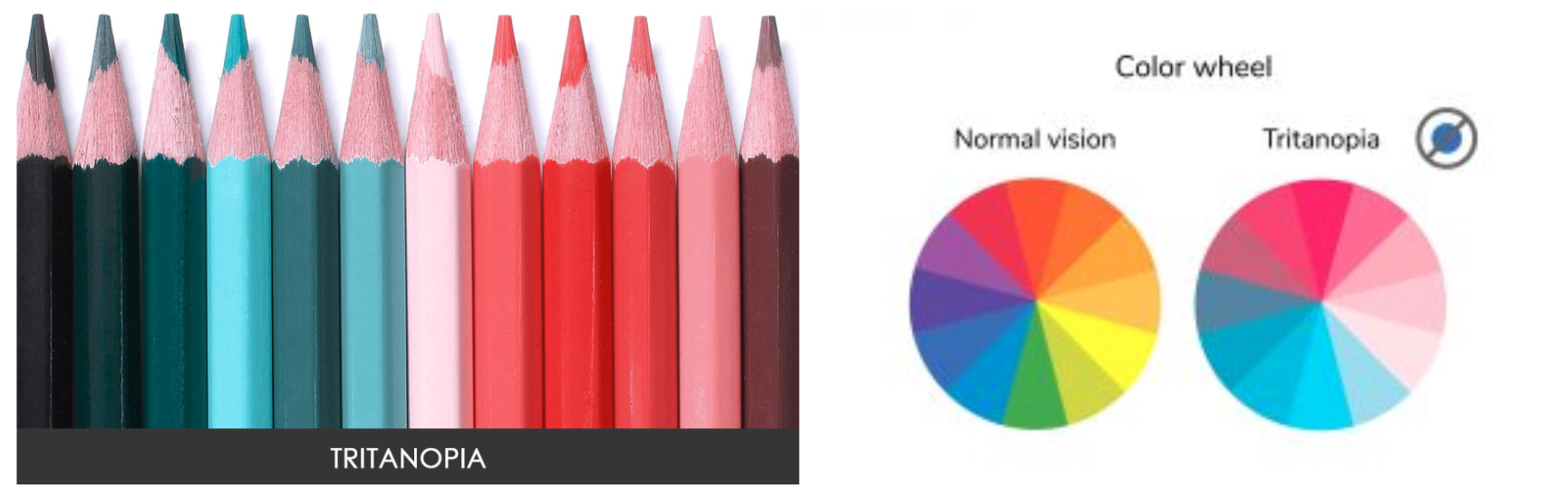
Blue-yellow color vision defects result from mutations in the OPN1SW gene. A single point mutation (meaning one single base pair difference) in a person with Tritanopia or Tritanomoly causes their blue-yellow color blindness. These mutations lead to the premature destruction of S cones or the production of defective S cones. Impaired S cone function alters perception of the color blue, making it difficult or impossible to detect differences between shades of blue and green and causing problems with distinguishing dark blue from black.
Tritanopia: People affected by tritanopia are dichromats. This means the S-cones are completely missing and only long- and medium-wavelength cones are present.
Tritanomaly: This is an alleviated form of blue-yellow color blindness, where the S-cones are present but do have some kind of mutation.
Emma and Kevin are brother and sister.
Kevin has tritanomaly, Emma can see color normally.
First, complete protein synthesis for both Emma and Kevin's SWS Opsin protein.
Claim: A difference in nucleotide sequence in DNA, results in a difference in the mRNA transcript produced during transcription.
1. Provide evidence to support this claim using the protein synthesis of Emma and Kevin's Opsin genes.
2. Provide reasoning to explain how the evidence you gave supports this claim. Include mRNA, RNA polymerase and DNA in your answer.
Claim: A difference in nucleotide sequence in DNA, results in a difference in the amino acid chain produced during translation.
1. Provide evidence to support this claim using the protein synthesis Emma and Kevin's Opsin genes.
2. Provide reasoning to explain how the evidence you gave supports this claim. Include tRNA, codon, anticodon and order of amino acids in your answer.
Claim: The amino acid sequence of a protein, affects the shape of a protein.
1. Provide evidence to support this claim using the introduction and figures presented.
2. Provide reasoning to explain how the evidence you gave supports this claim using the introduction and figures presented.
Claim: The shape of a protein, affects its function.
1. Provide evidence to support this claim using the introduction and figures presented.
2. Provide reasoning to explain how the evidence you gave supports this claim using the introduction and figures presented.
Claim: The shape of a protein, affects the function of the cell in which it exists.
1. Provide evidence to support this claim using the introduction and figures presented.
2. Provide reasoning to explain how the evidence you gave supports this claim using the introduction and figures presented. (look at what colors S-cones help one to see, and discuss the effect that would/does result if missing these)
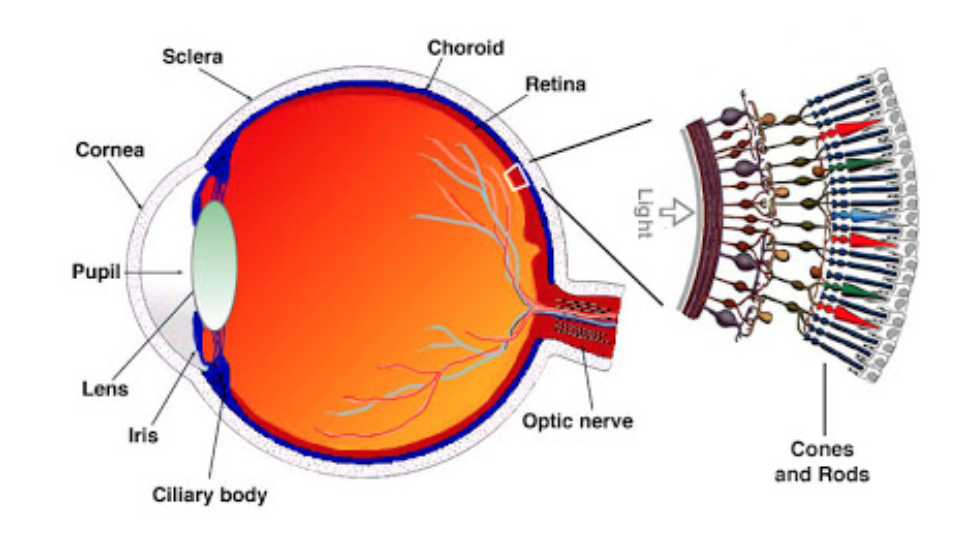
Claim: The shape of a protein, affects the function of the organ in which it exists.
1. Provide evidence to support this claim using the introduction and figures presented.
2. Provide reasoning to explain how the evidence you gave supports this claim using the introduction and figures presented.