CFA Seq 4 Chemical Reactions
star
star
star
star
star
Last updated over 5 years ago
7 Nsɛmmisa
3
2
2
2
2
2
2
Sheila was assigned a lab in science class. The following materials were provided at the lab station:
Materials:
1 square (10cm X 10cm) of aluminum foil
1 graduated beaker of water (H2O)
1 stirring rod
1 scoop of Copper (II) Chloride Salt (See Picture below)
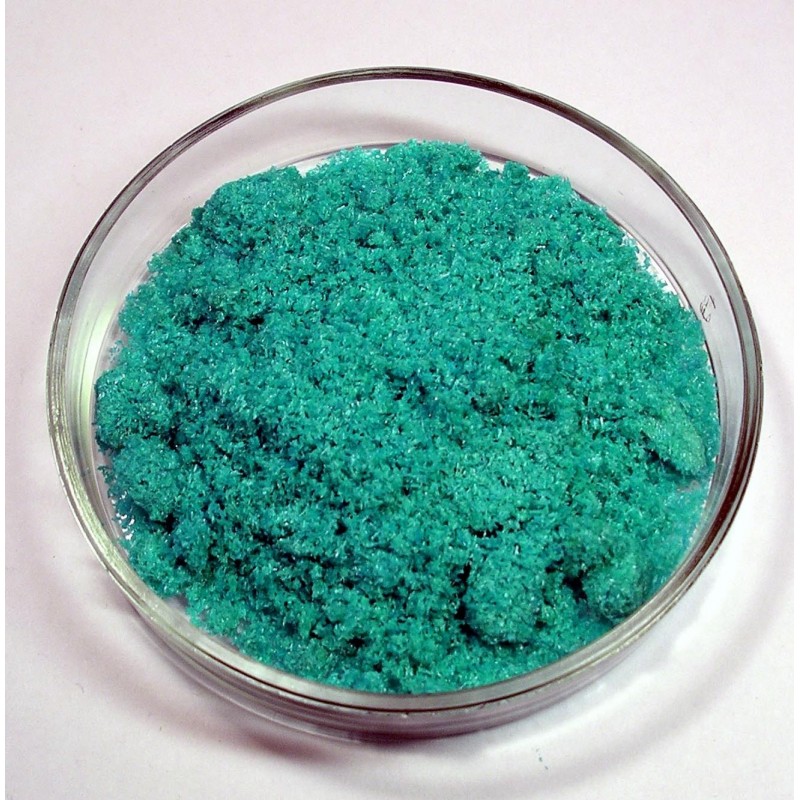
Sheila adds the copper (II) chloride salt into a beaker that has water in it.
After she stirs it the liquid turns a clear blue.

Sheila crumples the aluminum foil square into a ball and places it into the solution.
Sheila observes the aluminum foil ball turning a rusty-orange and black color where it is submerged into the solution. The beaker becomes warm to the touch, bubbles are noticeable on the aluminum ball and vapor rises from the surface of the solution. Within a few minutes, the foil has disappeared and the liquid is now clear. Rusty-orange pieces of a solid are now visible throughout the liquid. See video below
Sheila believes that the salt changing the water to a blue color was a physical change and the foil changing to rusty-orange was a chemical change.
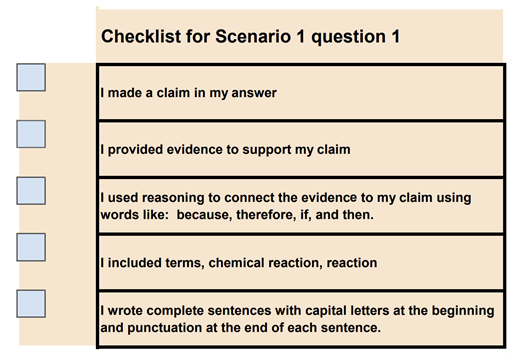
1) What evidence is there that a chemical reaction occurred through Sheila’s claim? Write a paragraph that provides examples supporting her claim and your reasoning.
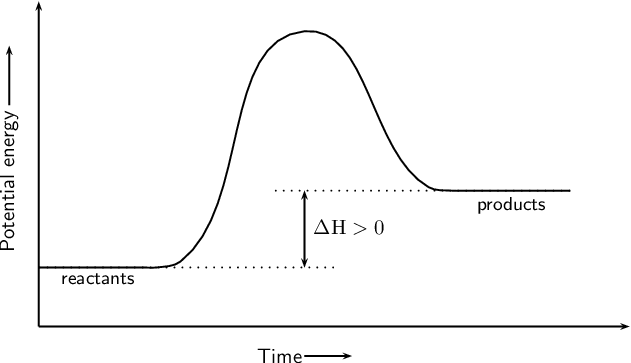
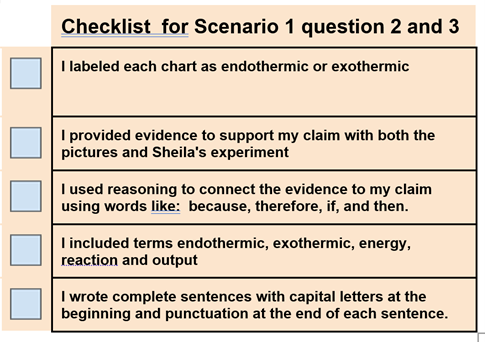
Is this an endothermic reaction or an exothermic reaction? Support your claim with evidence. Write in complete sentences.
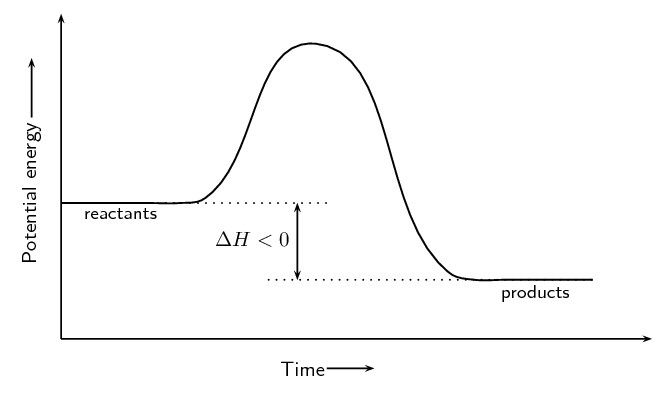
Is this an endothermic reaction or an exothermic reaction? Support your claim with evidence. Write in complete sentences.
Look at the two energy diagrams above. Which energy diagram demonstrates what was
observed in Sheila’s experiment and explain your reasoning. Write your answer in complete sentences.
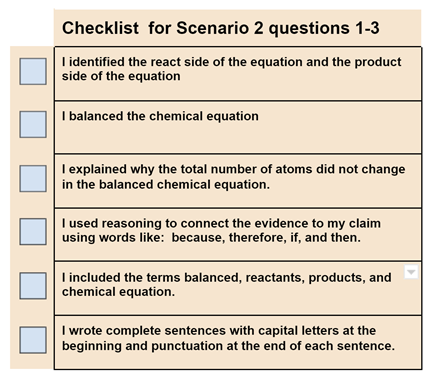
Identify which side is the reactant side and which side is the product side
Balance the chemical equation.
In a balanced chemical equation,the number of atoms on the reactant side would be equal to the number of
atoms on the product side. Explain why the total number of atoms did not change in this balanced
chemical reaction.