TE 3.1
star
star
star
star
star
Last updated over 3 years ago
18 Nsɛmmisa
1
0
0
0
0
1
0
1
On the left is an image of a small cup of tea. The water inside the teacup is very hot, about 80oC. On the right is an image of a large bathtub. The water inside the bathtub is warm, about 40C.
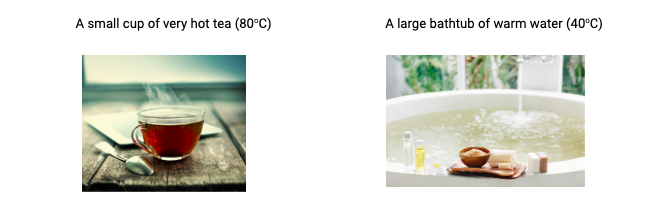
Since the temperature of the tea is ________________ than the bathwater, the molecules in the tea have _______________ average kinetic energy than the molecules of warm water in the bathtub.
Predict: What do you think total kinetic energy means?
Sentence starter:
I think that total kinetic energy means...
Which objects molecules do you think have the greater total kinetic energy?
Elaborate: Explain you answer choice for the question above. Why do you think that object has a greater total kinetic energy?
Sentence starter:
I think that the ______ has a greater total kinetic energy because...
The comparison of the hot tea and the warm bathtub water is similar to the comparisons that you will need to make between the two heating systems for Riverdale School—one system’s reservoir is smaller but hotter, while the other system’s reservoir is larger but not as hot. In order to choose between these systems, you must begin by thinking about which system actually has more total kinetic energy to transfer?
Read the article and answer the questions!
Link to Article -https://ereader.learning.amplify.com/#/reader/a4252e98-f104-4078-9499-e8cd4dca5809
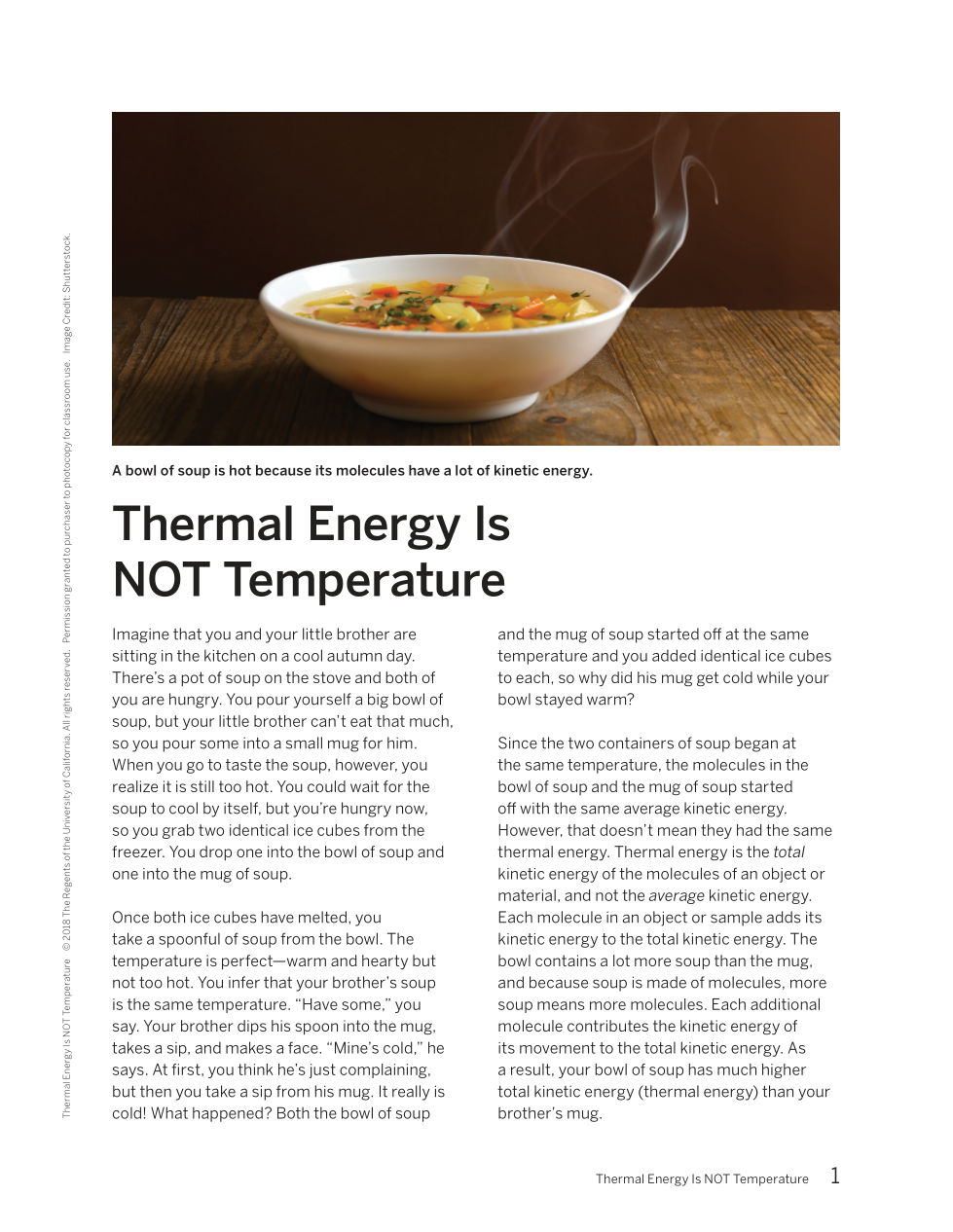
Predict: Why did "your brother's" soup get cold while your bowl stayed warm?
Find a quote that answers this question:
What is thermal energy?
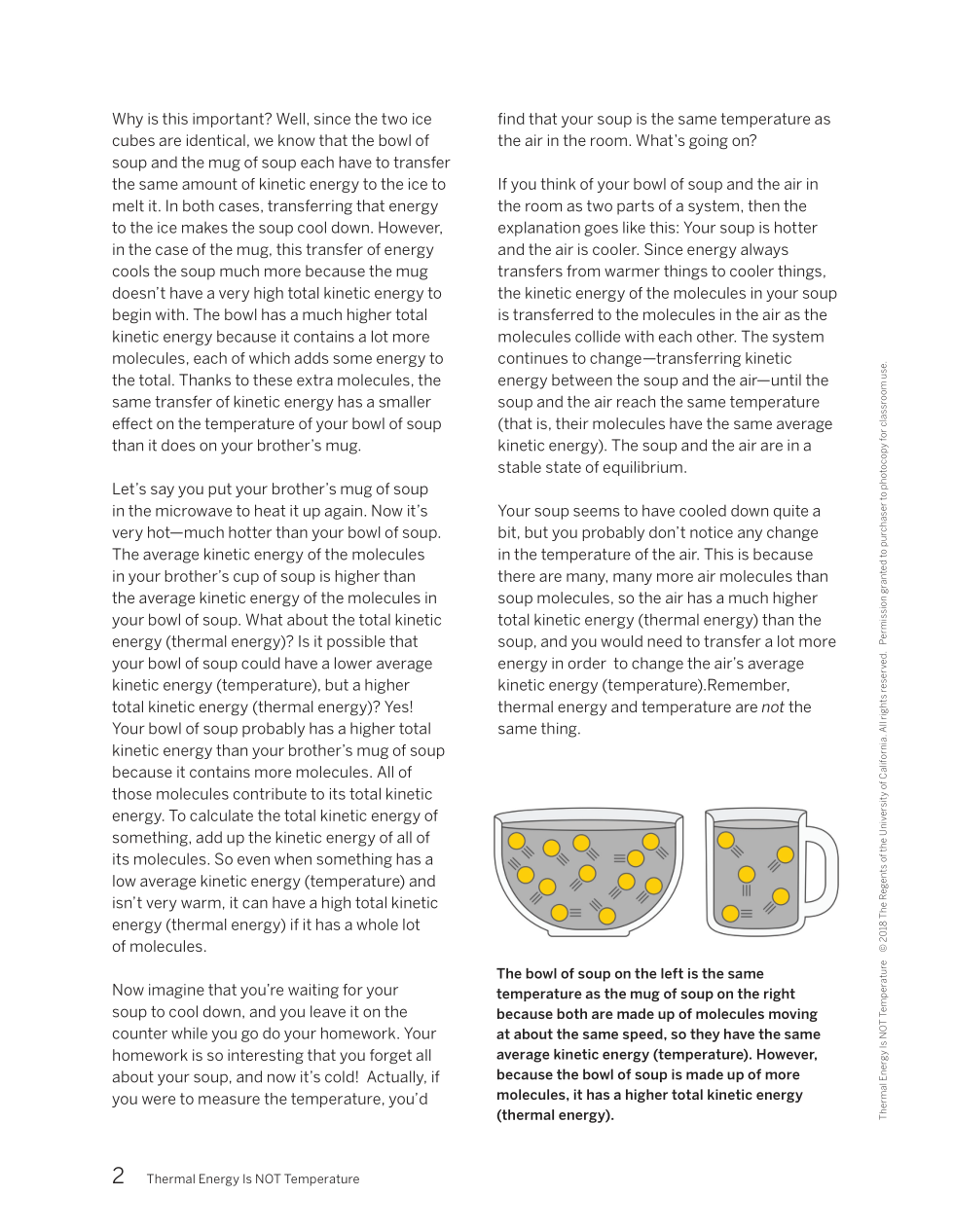
Why does a bowl have more total kinetic energy than a mug?
Evaluate: How can a hot bowl of soup get to the same temperature as the air in a room?
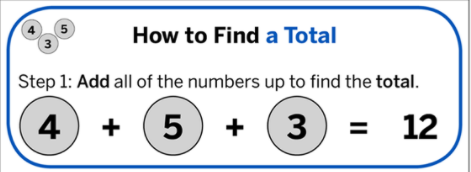
Calculate the total kinetic energy of this sample!
Show your work in the rectangle provided.
What is the total kinetic energy of Sample E?
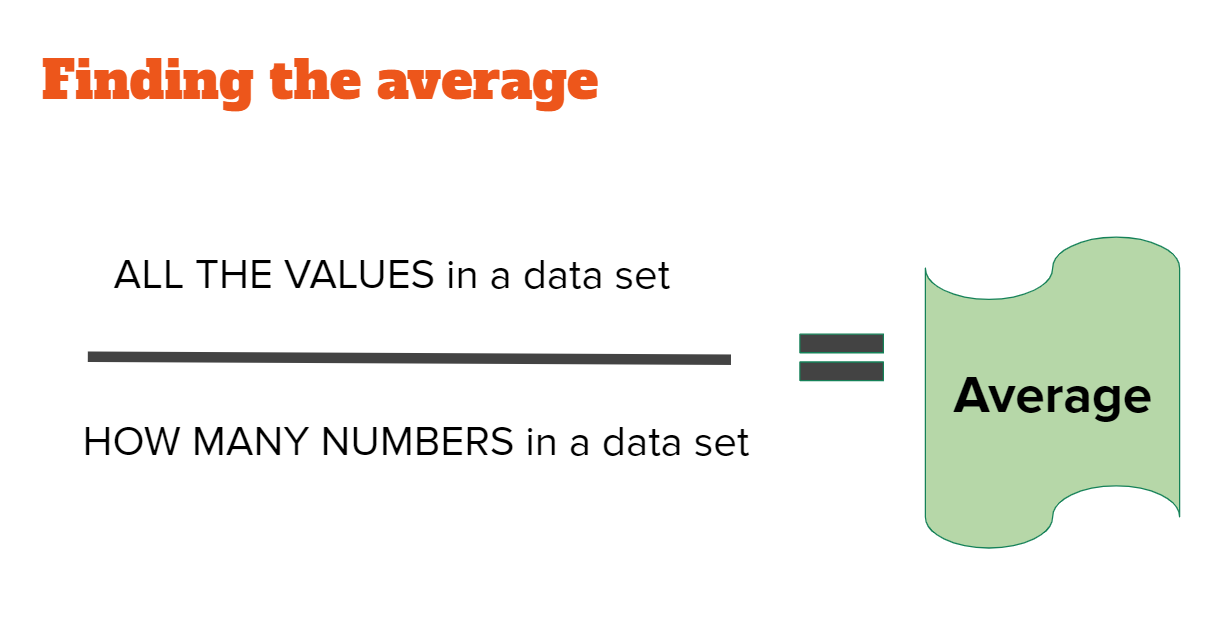
Calculate the average kinetic energy of this sample!
Show your work in the rectangle provided.
What is the average kinetic energy of Sample E?
Why does the soup in the mug cool down faster?
The bowl has a much higher total kinetic energy because it has a higher temperature.
How do you calculate the total kinetic energy of something?
When the soup and the air have the same average kinetic energy, that means that they are....
Find a quote that answers this question:
If the hot soup transferred energy to the air, why did the air not get hotter?
Analyze the image: The bowl of soup and the mug have the same ________ but they have different _____________ because of the differing amount of molecules.