This image shows how convection currents move divergent plates at the mid oceanic ridges.
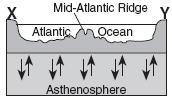
This image shows how convection currents move divergent plates at the mid oceanic ridges.
Which of these items are evidence for the plate tectonic theory?
The rock in the Earth's mantle is molten which is why convection currents are possible to move the tectonic plates.
Which items are related to Sea Floor Spreading?
This image shows how convection currents move divergent plates at the mid oceanic ridges.
Explain how Earth's surface features are formed by moving tectonic plates?
Ocean lithosphere sinks down because it is more dense than continental lithosphere.
Draw and name what type of plate boundary ONLY produces earthquakes.
What feature will this boundary produce if both plates are continental?
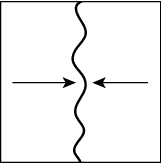
What is the name of the crust break where earthquakes form?
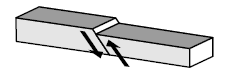
Label the parts of this diagram.
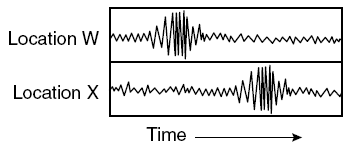
Location X is closer to the earthquake than Location W according to the seismographs.
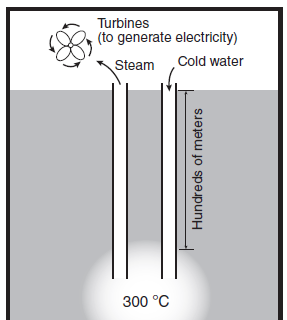
Which type of energy resource uses concentrations of heat in some places of Earth’s crust to heat cold water, generate steam and then electricity using turbines and generators?
Match the natural resource to to the concern for using each.
| Draggable item | arrow_right_alt | Corresponding Item |
|---|---|---|
Nuclear | arrow_right_alt | Inconsistent (based on available wind) |
Hydroelectric | arrow_right_alt | High installation cost, affected by clouds/air pollution/day length |
Solar | arrow_right_alt | Hazardous spent fuel, radiation leaks |
Fossil fuels (Oil, Coal, Natural gas) | arrow_right_alt | Damages/destoys ecosystems |
Wind | arrow_right_alt | Nonrenewable, pollution (increased CO2 ) |
Match the natural resource to to the benefit for using each.
| Draggable item | arrow_right_alt | Corresponding Item |
|---|---|---|
Hydroelectric | arrow_right_alt | Renewable, No pollution, Free fuel |
Fossil fuels (Oil, Coal, Natural gas) | arrow_right_alt | Renewable, No pollution, Quiet production (direct energy conversion with no moving parts), Works in remote locations , Free fuel |
Solar | arrow_right_alt | Large amount of energy from small amount of fuel, no CO2 release or air pollution |
Nuclear | arrow_right_alt | Renewable, No pollution, Free fuel |
Wind | arrow_right_alt | Abundant, Inexpensive, Currently used |
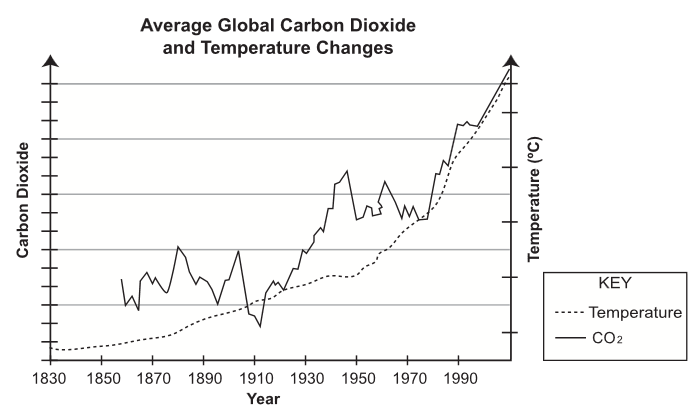
This graph shows how an increase of CO2 over time created increased temperatures.