Week 2A - China Case Study

Last updated almost 3 years ago
16 questions

China: Population Case Study

In 1979, China enacted the now-infamous “One Child Policy,” legislation that restricted families in China to having and raising only one child. The law was designed to slow China’s exponential population growth, for fear that it would outpace the country’s economic growth. The law was immensely impactful, with largely negative consequences for the Chinese, and was repealed in 2015.

How fast was the population growing? Did China need this policy? Below, calculate the CBR, CDR, and NIR for China right before the law was passed.
3
2

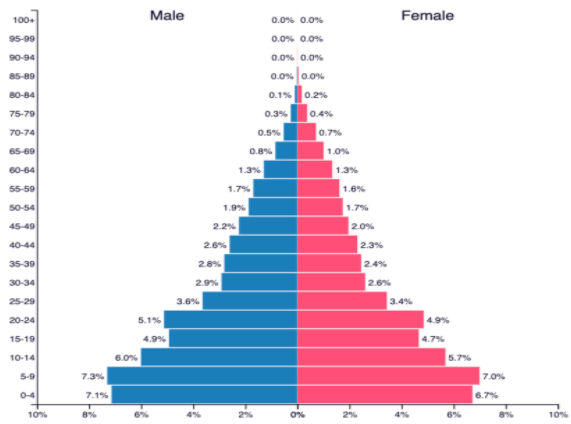
Above is a population pyramid for China in the same year (1975).

In what stage of the demographic transition model was China in 1975? Justify your answer.

0

What percentage of the population was dependent in 1975? (over 65 or under 15)

0

Of that percentage, how much of the dependent population would become part of the workforce in the future?

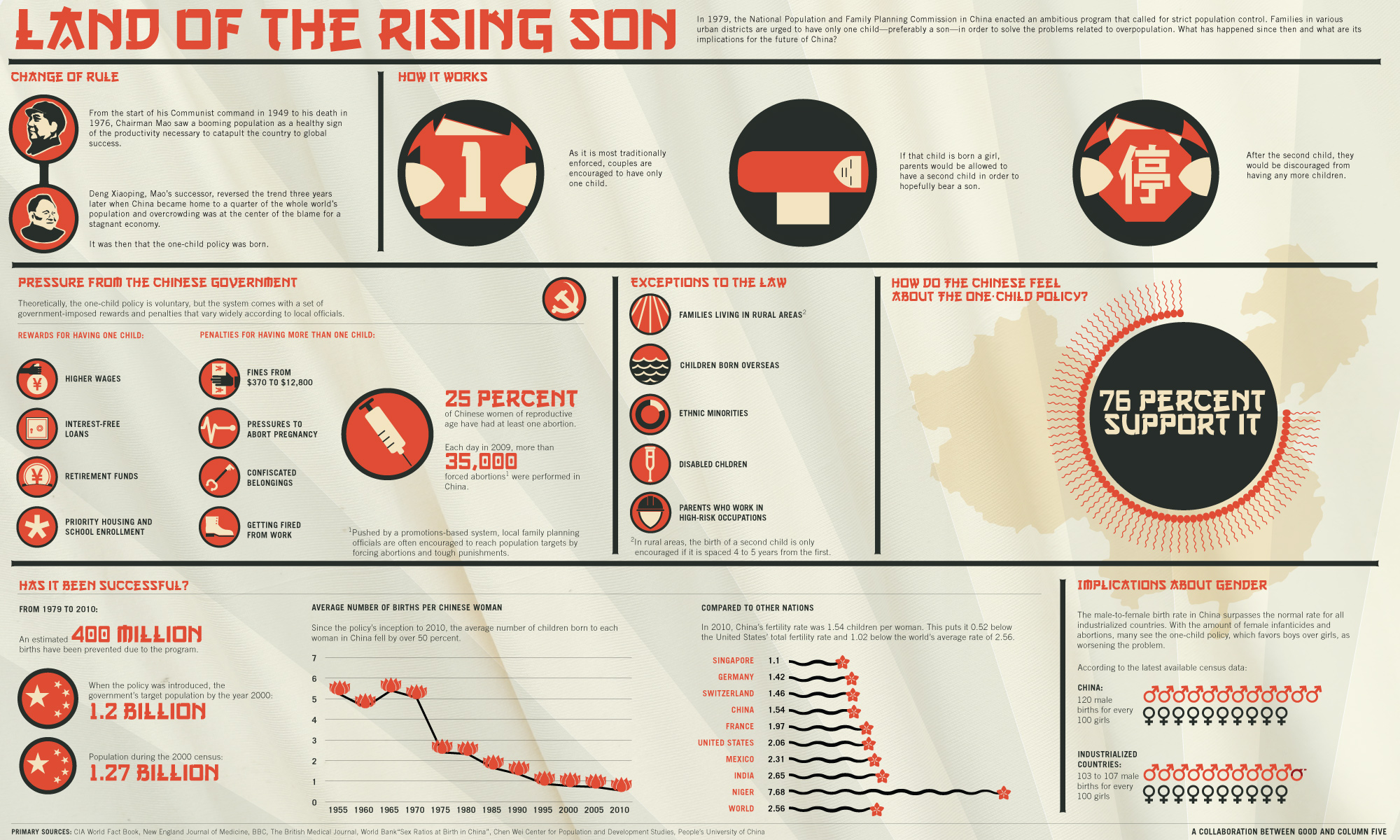
What was the One-Child Policy?

Click here to see this image full-size
1

How were Chinese citizens punished and/or rewarded for having one child?

1

Who, if anyone, was exempt from the policy?

1

What were the impacts of the policy on gender ratio in China? Why?

What were the impacts of the One-Child Policy?

1

As you watch the video above, record advantages of the policy in the space below.

1

As you watch the video above, record disadvantages of the policy in the space below.

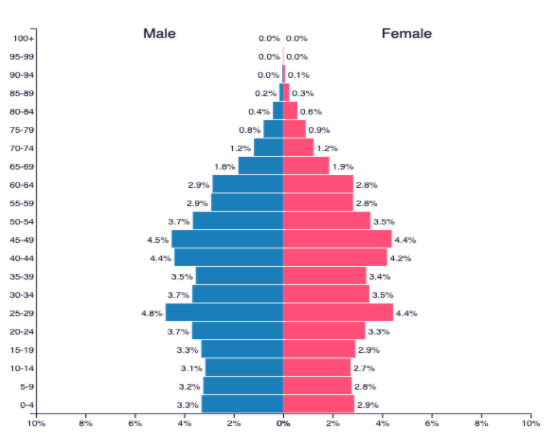
In 2015, China abolished the One Child Policy. Below, use the data to analyze how it impacted the Chinese population.
1
1

Compare the population pyramid of China in 2015 to the pyramid for 1975 (above).

How has the population changed? Describe the overall change in population, with points to specific data points.

1

Has China entered a different stage of the DTM? Explain.

Where do we go from here?


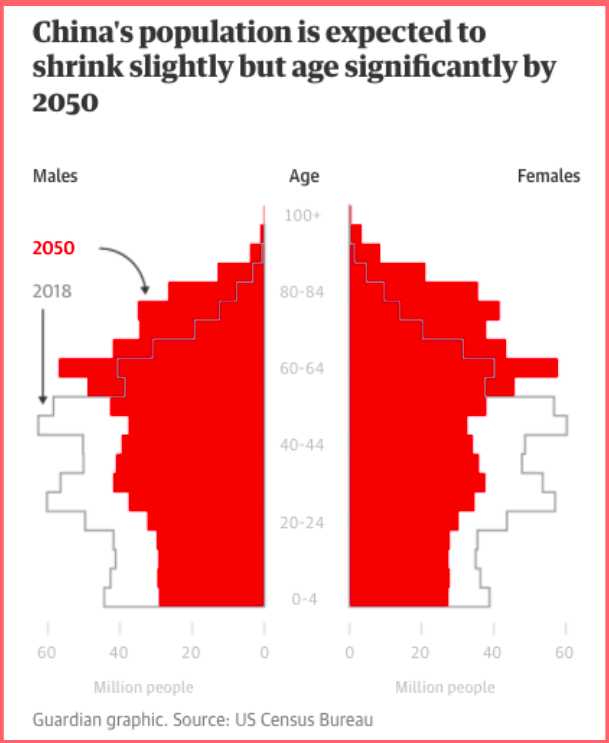
The impacts of the One Child Policy will last for decades. This population graph shows how China’s population is expected to shift over the next 35 years:
1

Describe how the population will shift.

1

What impacts do you predict this will have on China’s economy? Why?

If the One Child Policy has been lifted, why doesn’t this graph predict that there will be more young people in 2050?
1

In 4-5 sentences, explain why China isn’t experiencing a baby boom. In your answer, try to identify political, economic, and/or cultural factors.

BONUS:

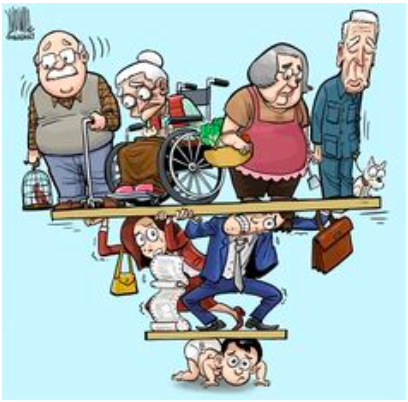
One long-lasting negative consequence of the One Child Policy is what’s called the “4-2-1” problem. The numbers represent:
  • 4 grandparents
  • 2 parents
  • 1 child
0

Look at the political cartoon above. What do you think the 4-2-1 problem is? Why is it a problem?

I’m done early! What should I do?

Click here to watch John Oliver tell you more about the One Child Policy