Log in
Sign up for FREE
arrow_back
Library

Chem Unit 5 Homework 2

star
star
star
star
star
Last updated 16 days ago
15 questions
Note from the author:
This homeowrk assignment reviews atoms and ions including: ground state, excited state, Lewis dot diagram, Bohr models of ground and excited state, Heisenbrg Uncertainty Principle, Octet Rule, how atoms form ions
3
2
2
1
1
2
1
1
1
1
1
3
3
2
1
Question 1
1.

How are atoms in the ground state different from atoms in the excited state?
Drag the item to the appropriate category.
Use all items.

  • Electrons release energy to attain this state.
  • All the electrons are in low energy levels and as close to the nucleus as they can get, in an organized and predictable pattern.
  • The number of energy levels matches the element's row # on the Periodic Table.
  • Electrons are in a variety of energy levels, and positions near the nucleus are empty.
  • The atom could have extra energy levels.
  • Electrons absorb energy to attain this state.
  • Excited Atom
  • Ground-State Atom
Question 2
2.

Which of the following could an atom, such as carbon, oxygen, sodium, or chlorine, do in order to adhere to the Octet Rule?
Select all valid options.

Question 3
3.

How is the number of valence electrons used to determine what an atom is most likely to do to form an ion?

Draggable itemarrow_right_altCorresponding Item
has 1, 2, or 3 valence electrons
arrow_right_alt
will lose electrons when it becomes an ion
has 8 valence electrons
arrow_right_alt
will not form an ion
has 5, 6, or 7 valence electrons
arrow_right_alt
will gain electrons when it becomes an ion
Question 4
4.

Draw an atom of phosphorus in the ground state.
Write the element symbol in the nucleus and draw the electrons as dots or "e-".

Question 5
5.

Draw an atom of boron in the excited state.
Write the element symbol in the nucleus and draw the electrons as dots or "e-".

Question 6
6.

According to the Heisenberg Uncertainty Principle, which 2 values can not be known at the same time with a high degree of accuracy?

Question 7
7.

Which electrons are included in a Lewis dot diagram?

Question 8
8.

What is the special name for the outermost energy level of an atom?

Question 9
9.

Draw the Lewis dot diagram for an atom of argon, Ar.

Question 10
10.

Draw the Lewis dot diagram for an atom of aluminum, Al.

Question 11
11.

Match the value to the proper use of the Periodic Table.

Draggable itemarrow_right_altCorresponding Item
the number of the valence shell
arrow_right_alt
the number of the element's row
the number of valence electrons
arrow_right_alt
the number of the element's column
the number of electrons lost or gained to form an ion
arrow_right_alt
the number of blocks to the nearest noble gas
Question 12
12.

Determine the charge sulfur, S, will have when it forms an ion by adhering to the Octet Rule.
  1. Draw the Bohr model for sulfur's electrons using one color.
  2. Using a different color, alter the electrons to illustrate what sulfur does with electrons as it forms an ion.
  3. Write the ion's charge as a superscript for the element symbol in the nucleus.

Question 13
13.

Determine the charge sodium, Na, will have when it forms an ion by adhering to the Octet Rule.
  1. Draw the Bohr model for sodium's electrons using one color.
  2. Using a different color, alter the electrons to illustrate what sodium does with electrons as it forms an ion.
  3. Write the ion's charge as a superscript for the element symbol in the nucleus.

Question 14
14.

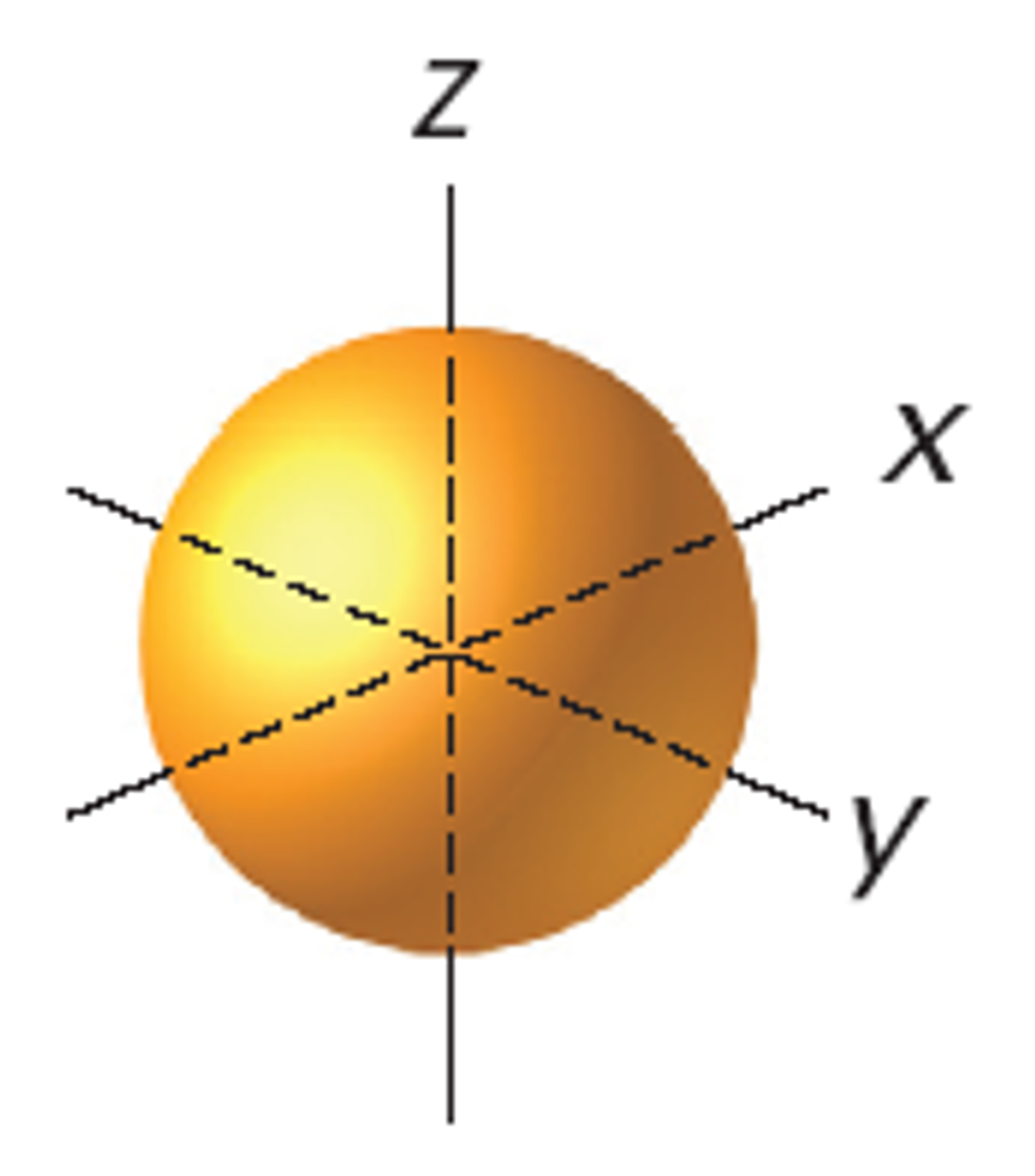
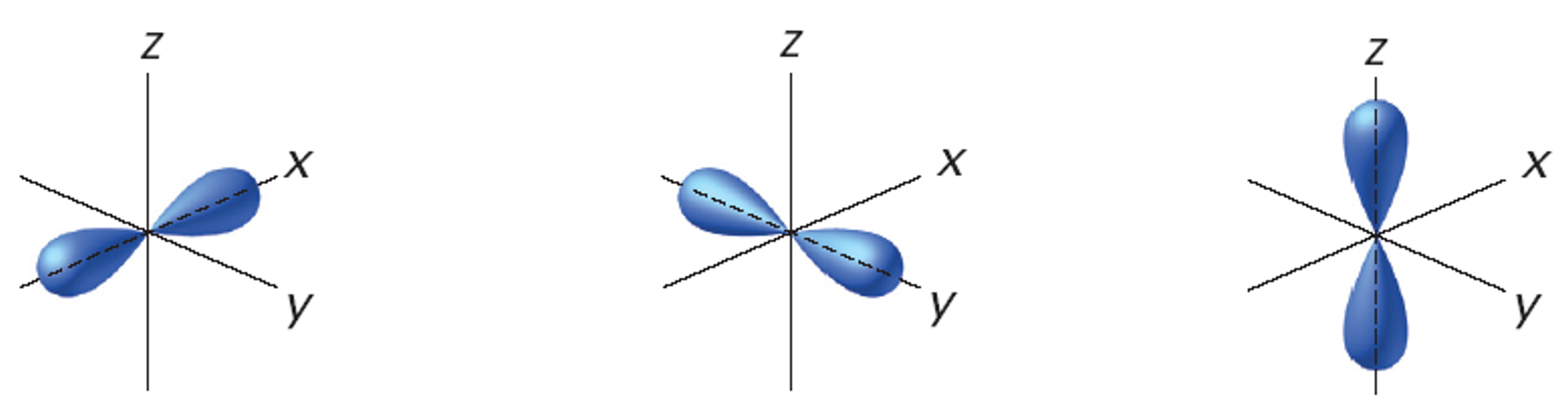
Match the image with the name of its shape.

Draggable itemarrow_right_altCorresponding Item
d sublevel and orbital shape
arrow_right_alt
s sublevel and orbital shape
arrow_right_alt
p sublevel and orbital shape
arrow_right_alt
Question 15
15.

What is the maximum number of electrons that can occupy an orbital?