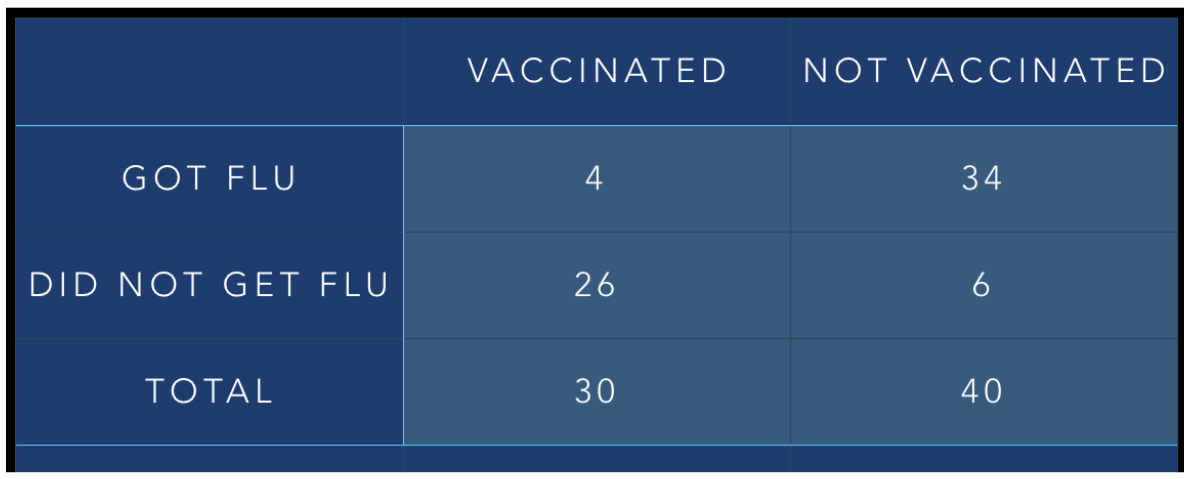
What is the explanatory variable?
What is the explanatory variable?
What is the explanatory variable?
What is the response variable?
What percent of people who were vaccinated got the flu?
What percent of people who were NOT vaccinated got the flu?
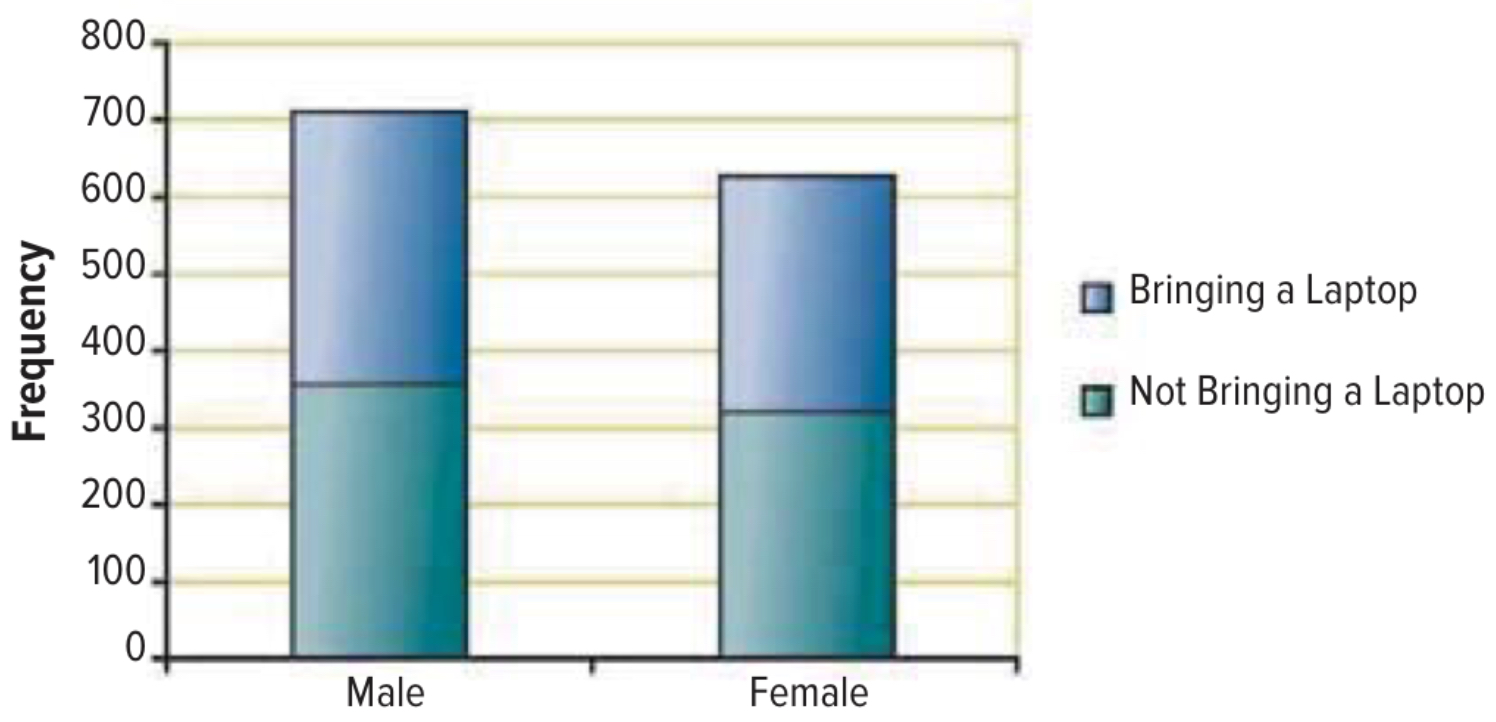
How many males brought a laptop?
How many females did NOT bring a laptop?
Which gender had a greater proportion bring a laptop?
What type of graph is this?
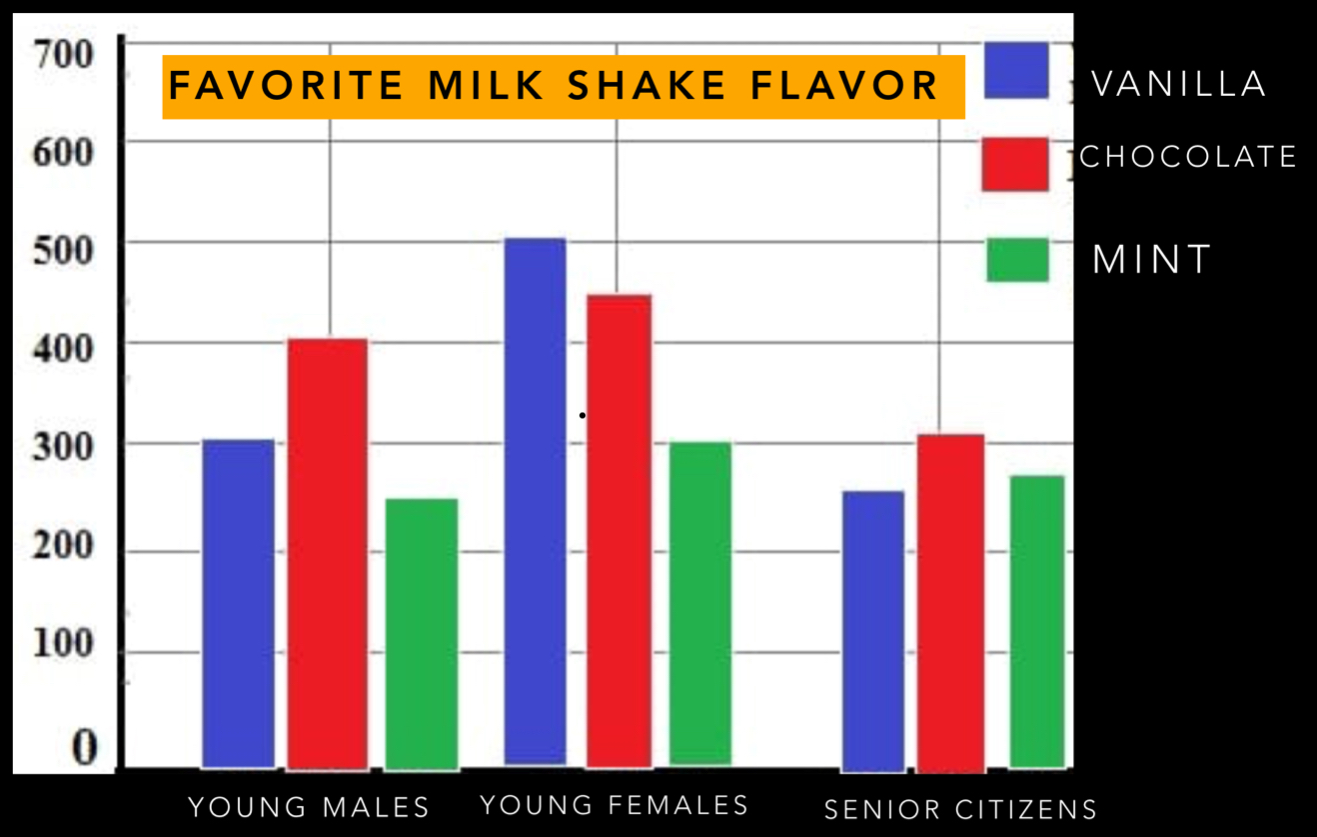
What is the explanatory variable?
What is the response variable?
What type of graph is this?
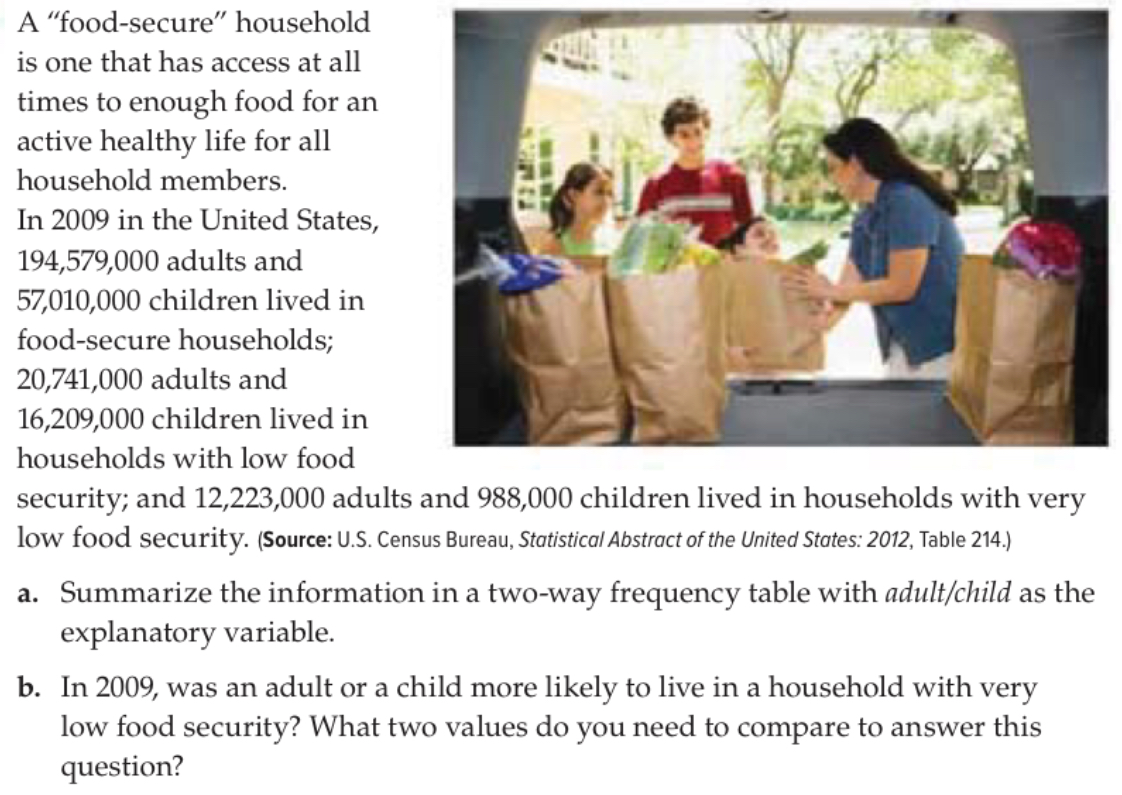
Summarize the information in a two-way frequency table with adult/child as the explanatory variable.
In 2009, was an adult or a child more likely to live in a household with very low food security? Explain how you determined your answer.
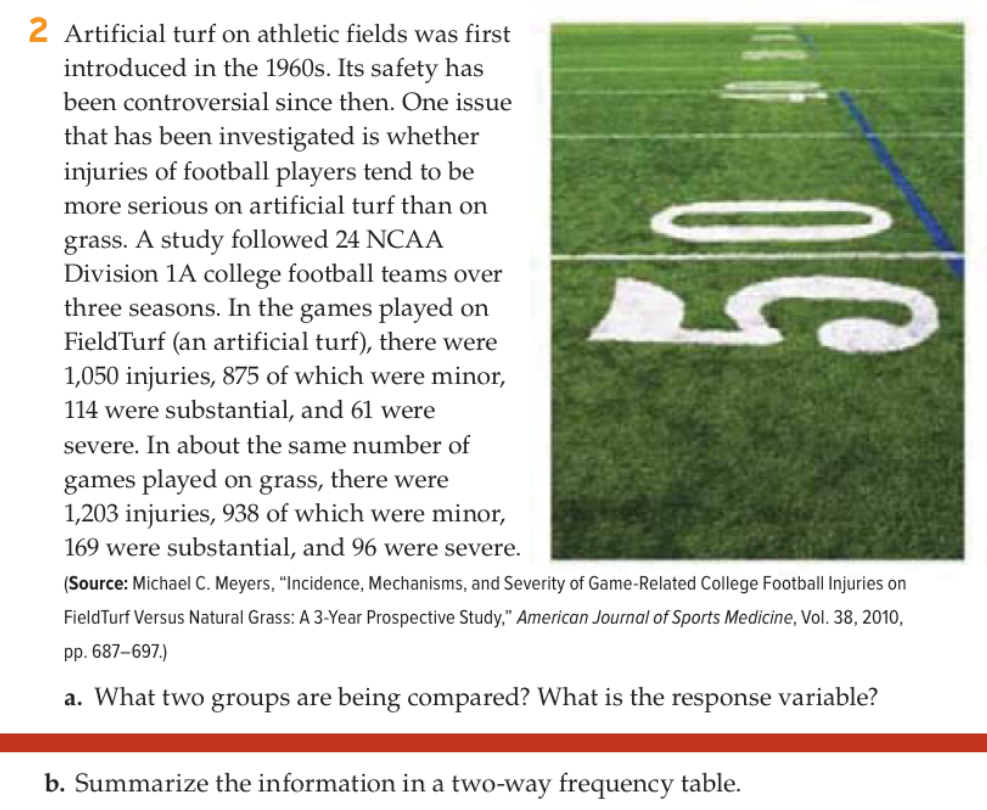
What is the explanatory variable?
What is the response variable?
Summarize the information in a two-way frequency table.
On which type of field was a player more likely to have a severe injury? Explain how you determined your answer.