Log in
Sign up for FREE
arrow_back
Library

USH Chapter 18, Part 1: Renewing the Sectional Struggle (1848-1854)

star
star
star
star
star
Last updated almost 2 years ago
11 questions
Welcome to your Chapter 18 reading! As you can see, we have skipped the first few presidential administrations, and are moving towards our next major event: the Civil War.

As always, "Focus Questions" should guide your reading and notes, but you do not necessarily have to explicitly answer them.

1
IIRC.01
1
IIUR.01
1
IIWD.01
1
IIRC.01
1
IITE.01
1
IIRC.02
1
IIRC.01
1
IITE.01
1
IIWD.01
1
RTS.02
0
Question 1
1.

Question 2
2.

Question 3
3.

Question 4
4.

Question 5
5.

Question 6
6.

Question 7
7.

Question 8
8.

Question 9
9.

Question 10
10.

Question 11
11.

Do you have any feedback or questions about the Formative reading or comprehension questions that you want to go over in class?

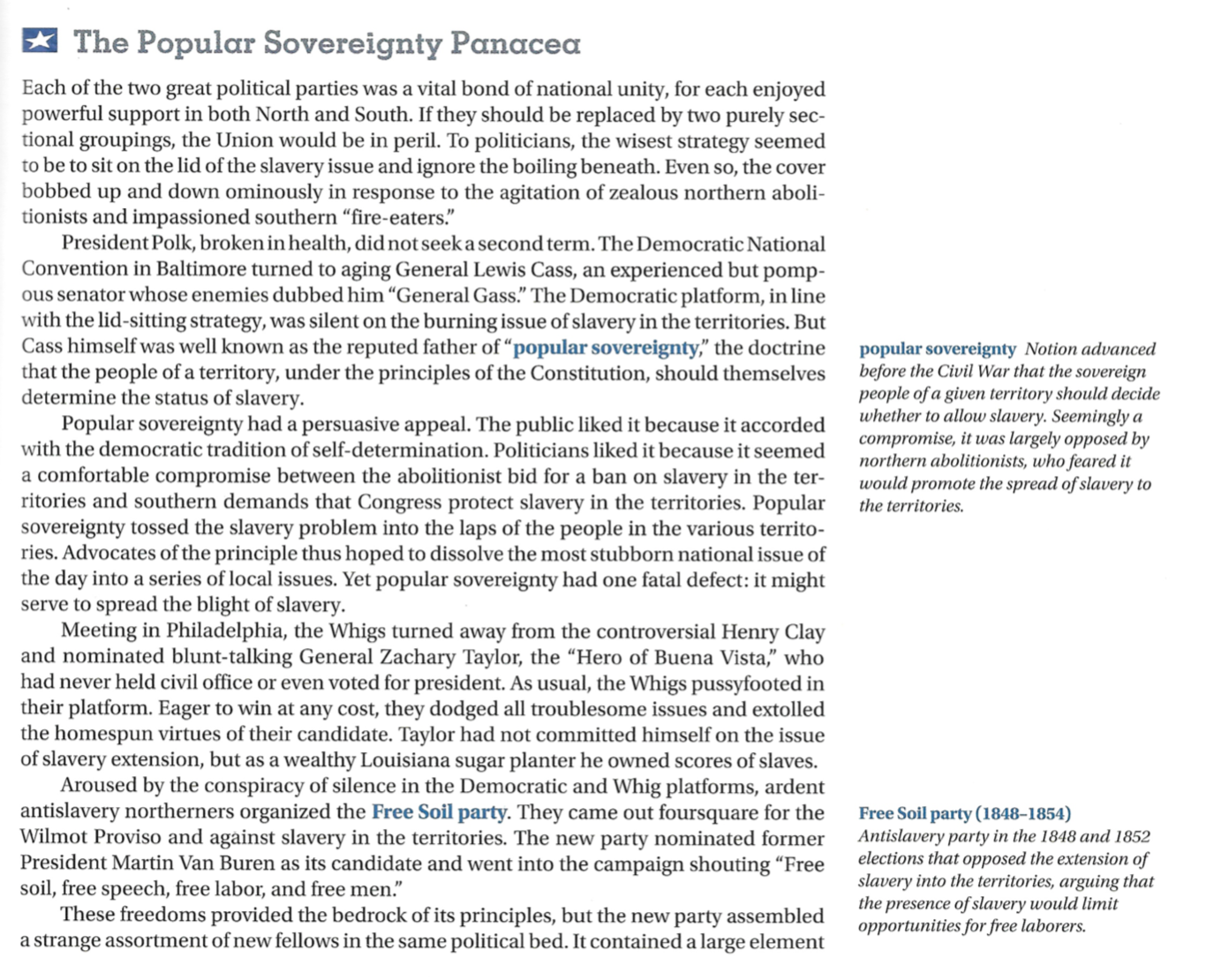
The passage indicates that the American public generally liked popular sovereignty because it

would speed up the entry of new states into the Union.
provided a permanent solution to the problem of slavery.
upheld the principles of white supremacy in U.S. politics.
fit with the democratic value of self-determination.
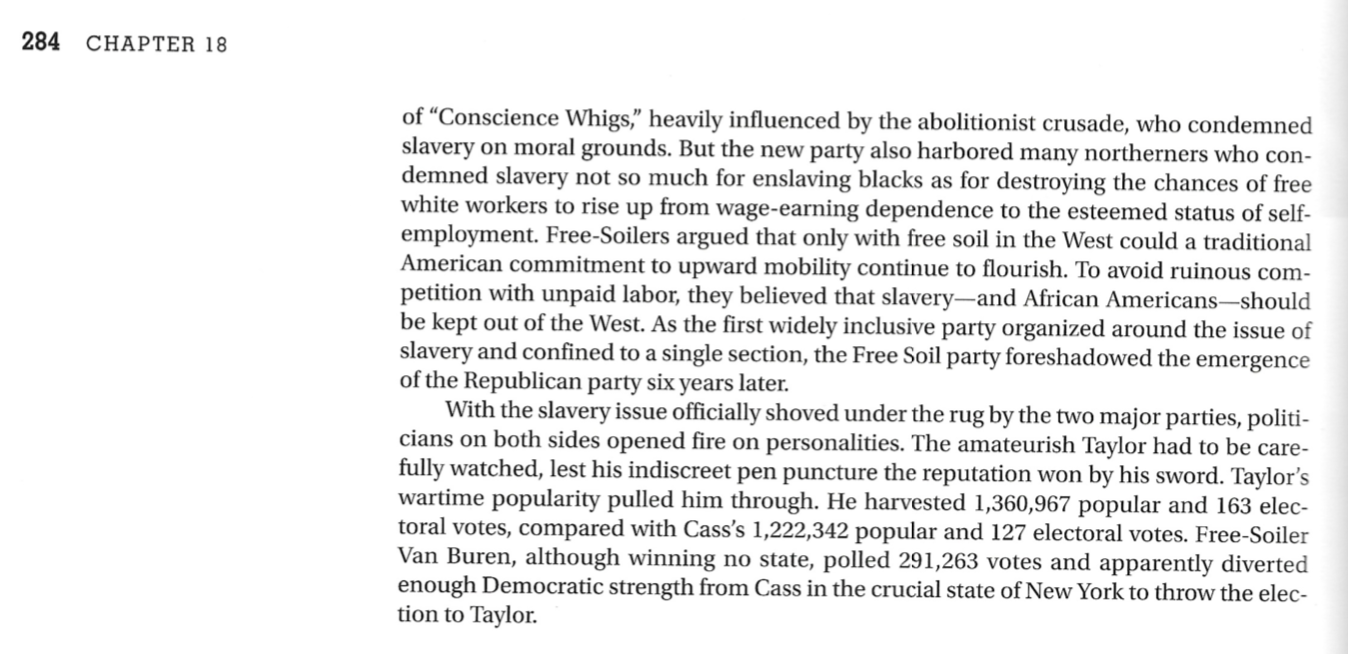
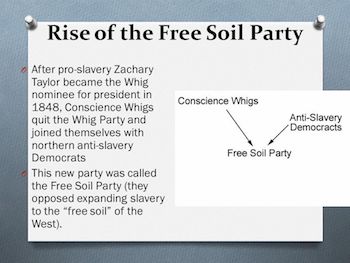
According to the passage, the Free Soil Party was a direct result of the fact that

the two major political parties at the time failed to take action against slavery.
there was a political party for Northerners and Southerners, but not one for those who lived out West.
antislavery northerners were against slavery and the Wilmot Proviso.
former President Martin Van Buren wanted to re-establish his political influence.
As used in the sentence, "condemned" most nearly means
doomed
criticized
accepted
convicted
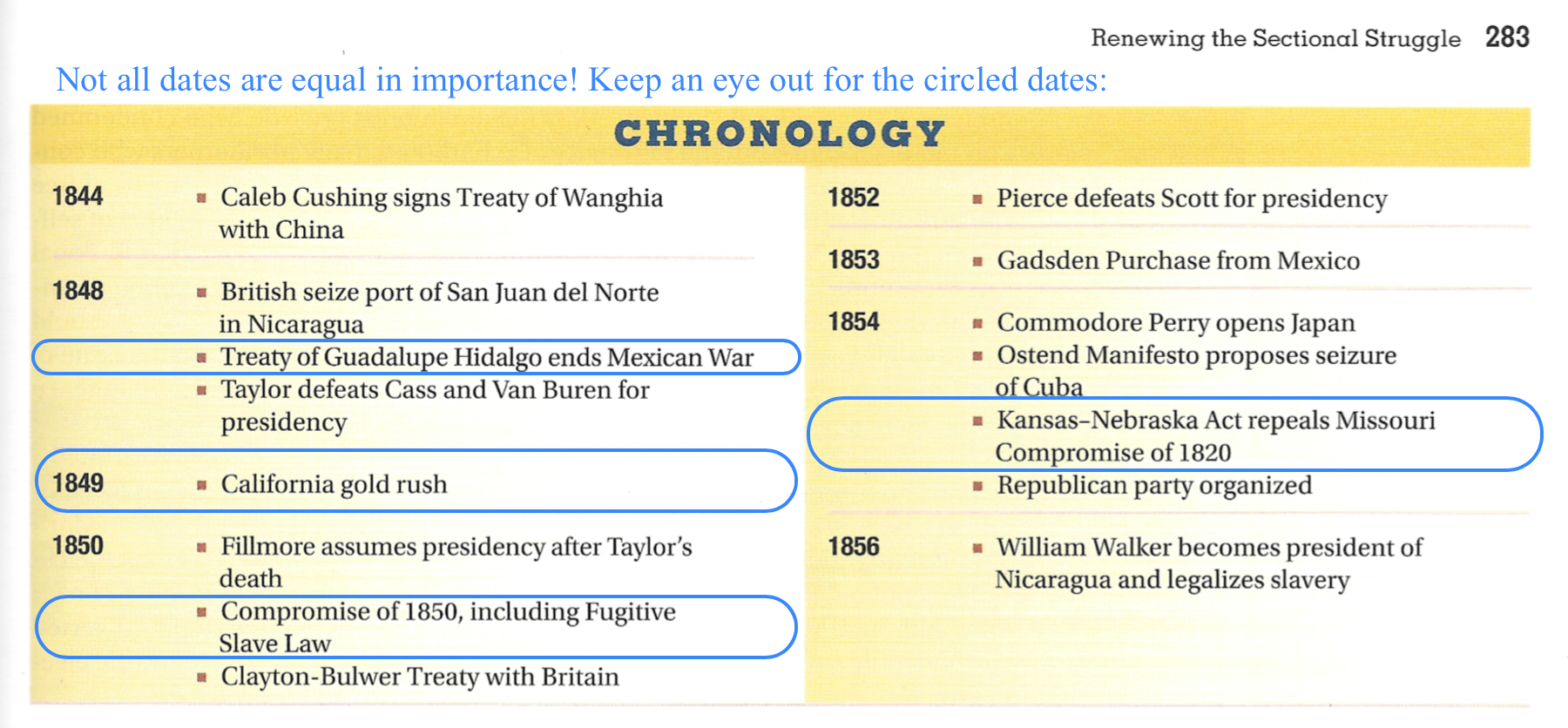
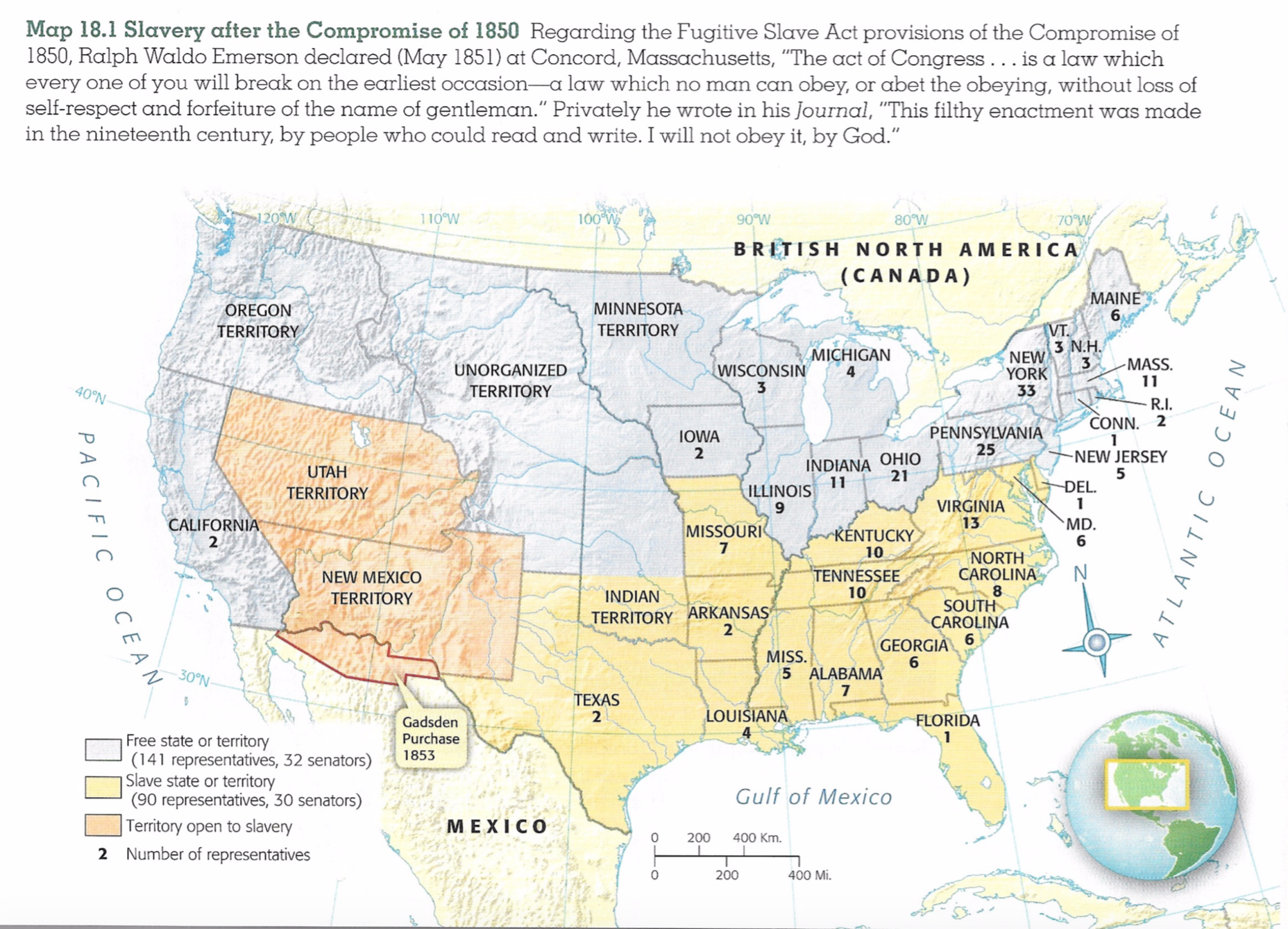
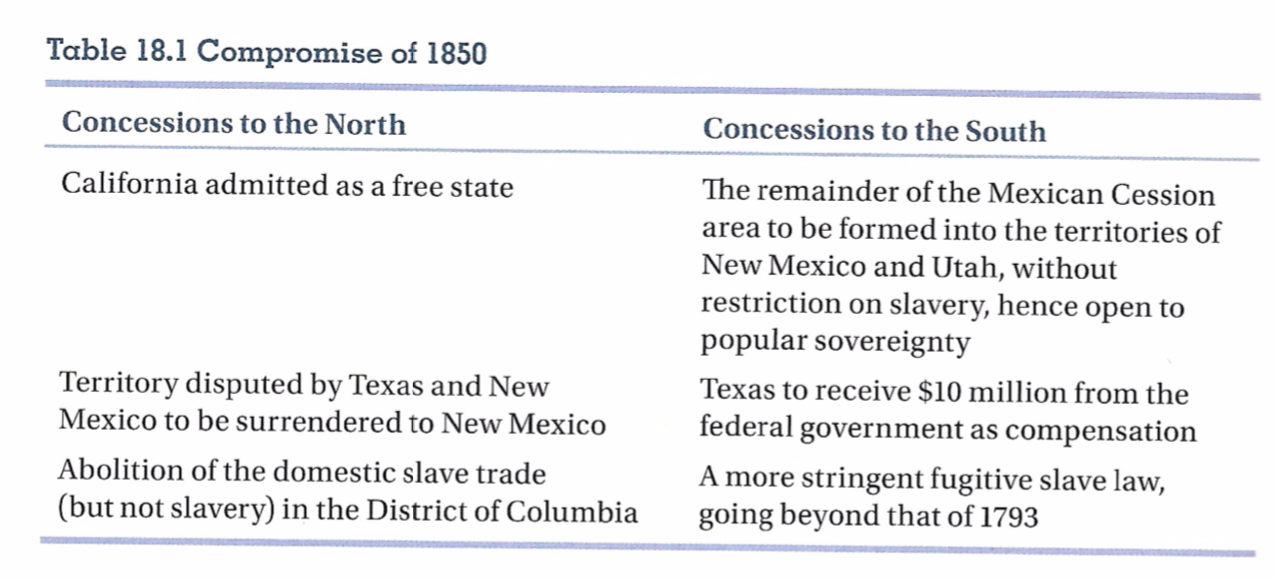
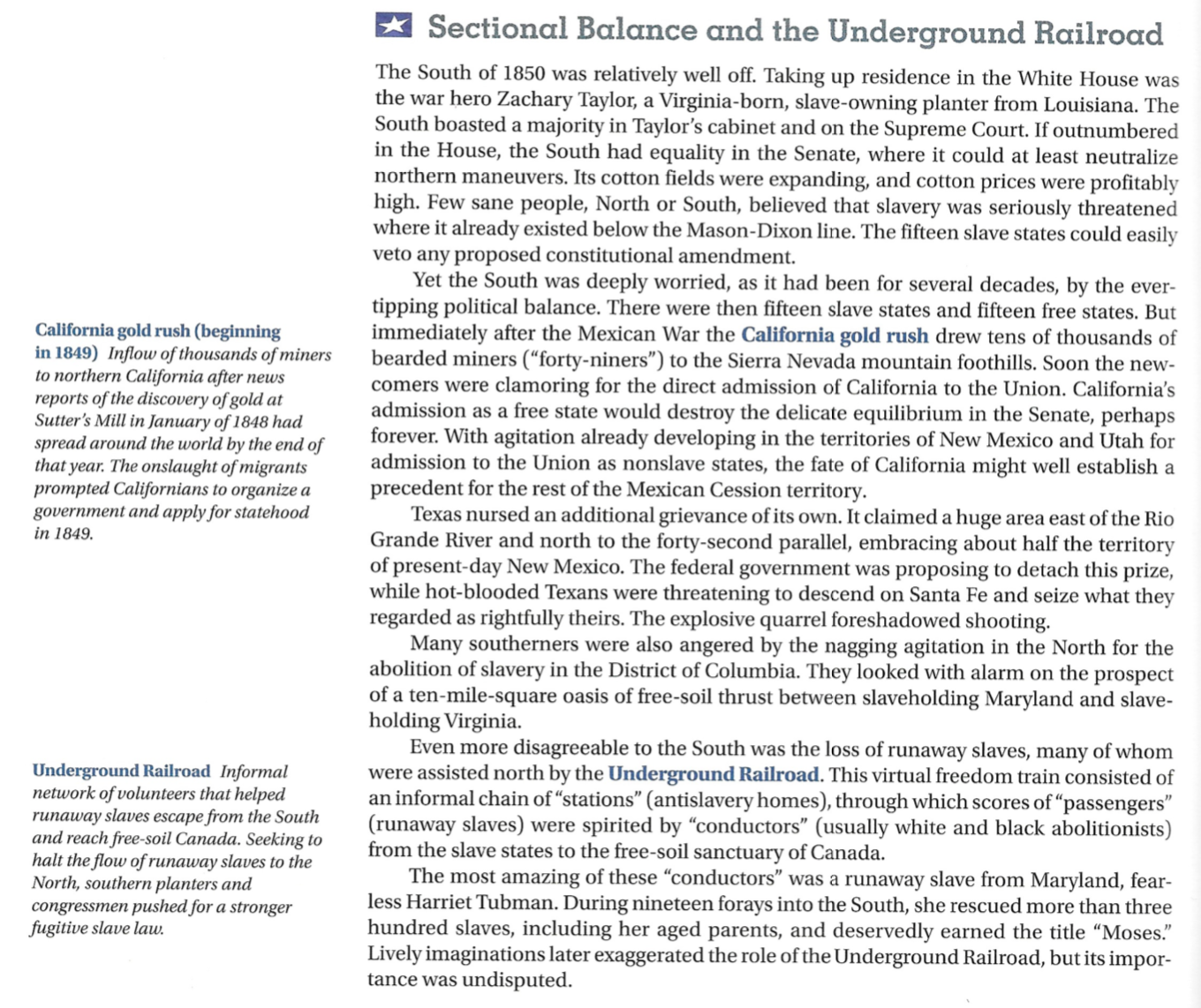
According to the text, the event that threatened to destroy the balance between the number of free and slave states was the

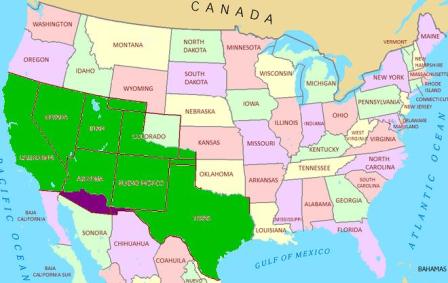
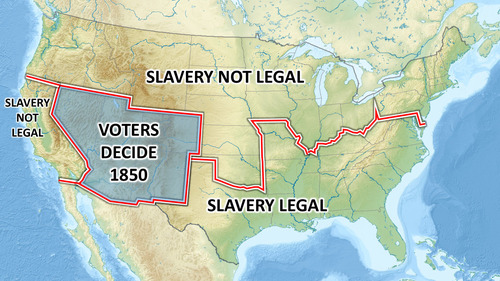
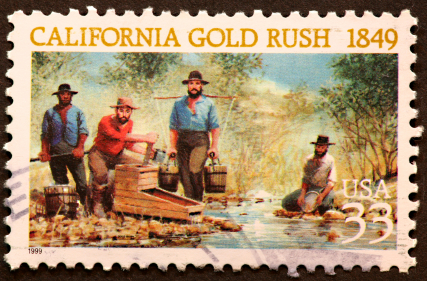
calls to admit California into the Union after the discovery of gold in 1848.
the ban on the slave trade (not slavery itself) in the District of Columbia (Washington D.C.).
the shrinking borders of the Texas territory before it could become a state.
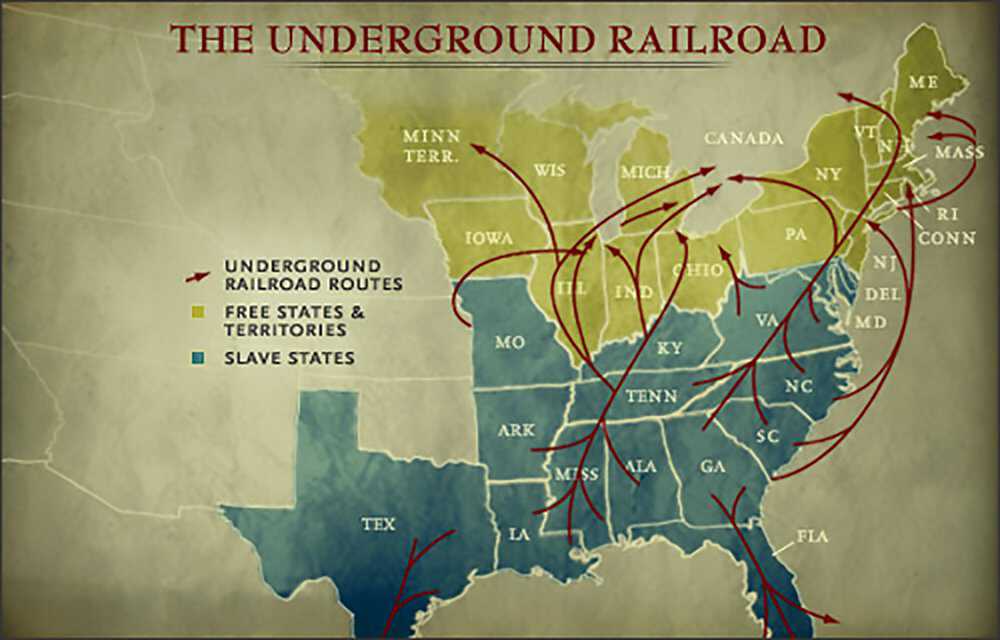
the impact of the Underground Railroad on the population of Southern states.
Which choice provides the best evidence for the answer to the previous question?

Paragraph 2, Line 5-7 ("California's admission... perhaps forever")
Paragraph 3, Line 1-3 "Texas nursed...New Mexico."
Paragraph 4, Line 1-2 ("Many Southerners... slaveholding Virginia")
Paragraph 5, Line 1-2 "Even more... Underground Railroad."
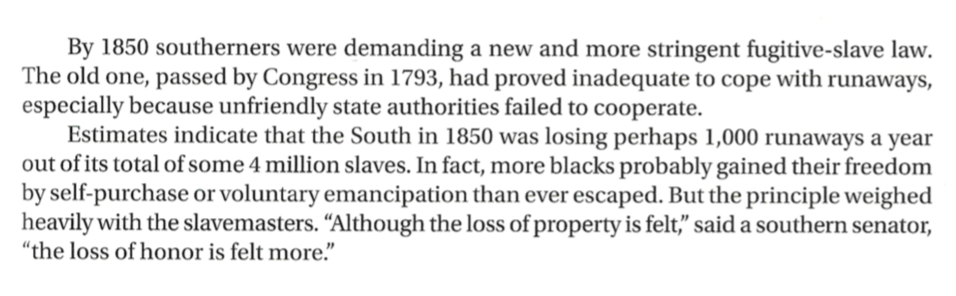
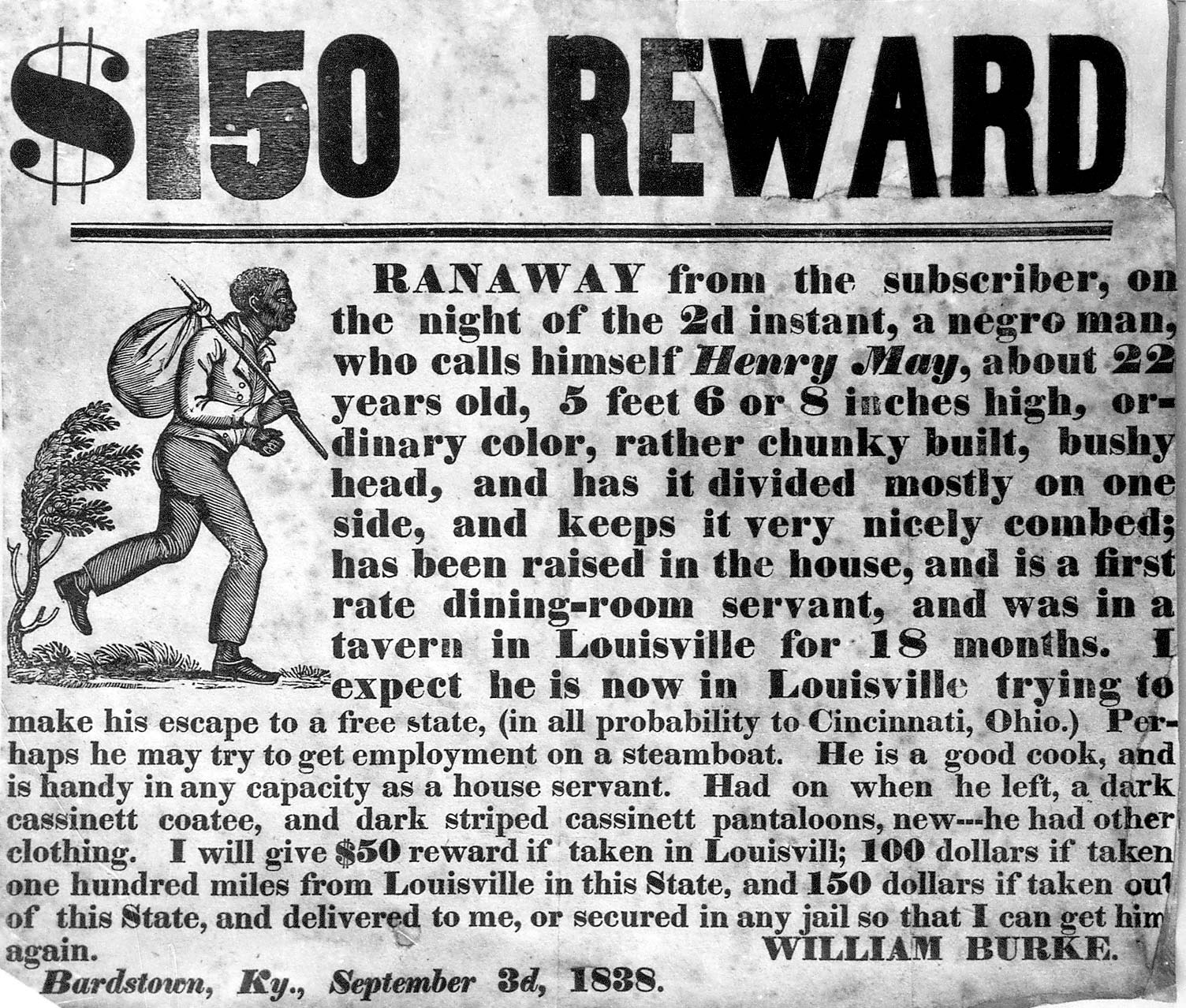
It can be reasonably inferred from the passage that the issue of runaway slaves was important to southerners because
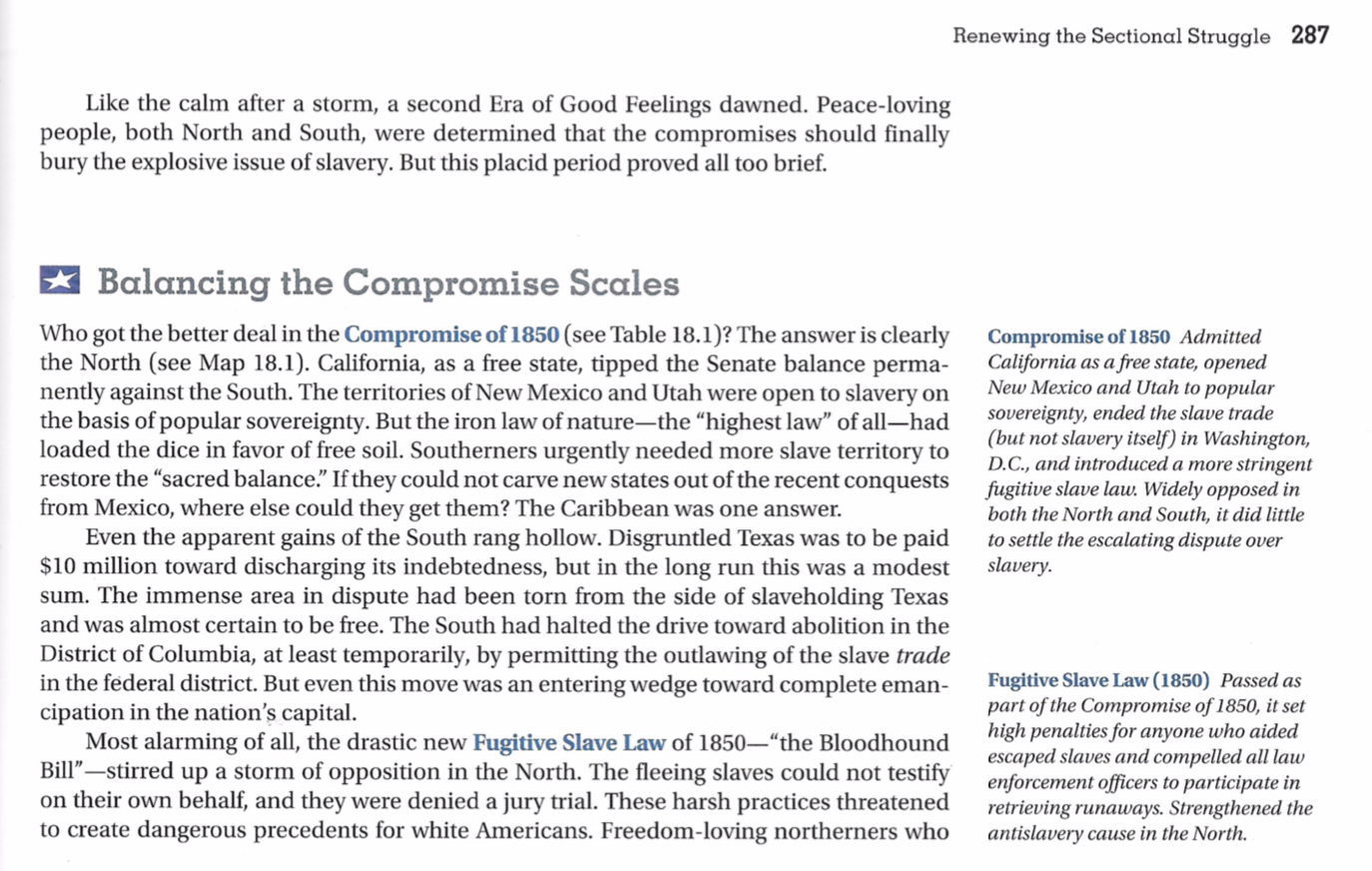
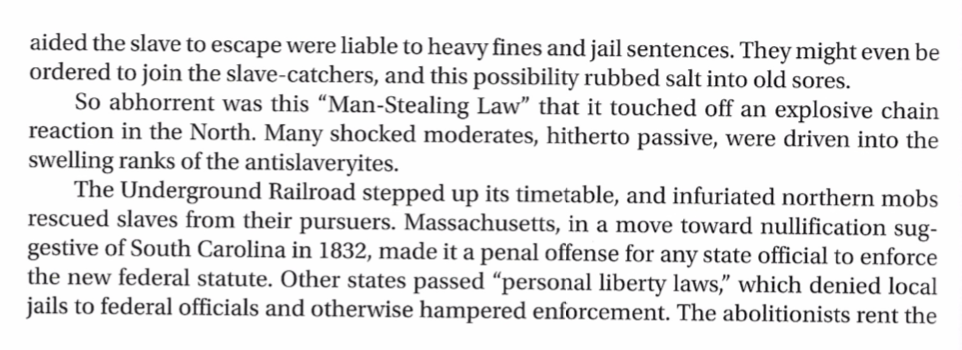
slaveowners viewed the loss as an attack on their pride and dignity.
the Underground Railroad might encourage a massive slave rebellion.
the South was losing a significant portion of its labor force.
free blacks were able to prove that slavery was morally wrong.
Although the Northerners benefited more from the Compromise of 1850 than the Southerners, the passage indicates that Northerners were most upset about


the continuation of slavery in the District of Columbia.
a stricter and more punitive new Fugitive Slave Law.
a substantial payment of $10 million to slaveholding Texas.
the possible expansion of slavery in the New Mexico and Utah territories.
Which choice provides the best evidence for the answer to the previous question?

Paragraph 2, Line 1-3 ("Disgruntled Texas...modest sum")
Paragraph 2, Line 3-4 "The territories... popular sovereignty."
Paragraph 3, Line 1-2 ("Most alarming... the North")
Paragraph 3, Line 4-6 ("The South... federal district")
As used in the text, "abhorrent" most nearly means
frustrating
obnoxious
worrisome
detested
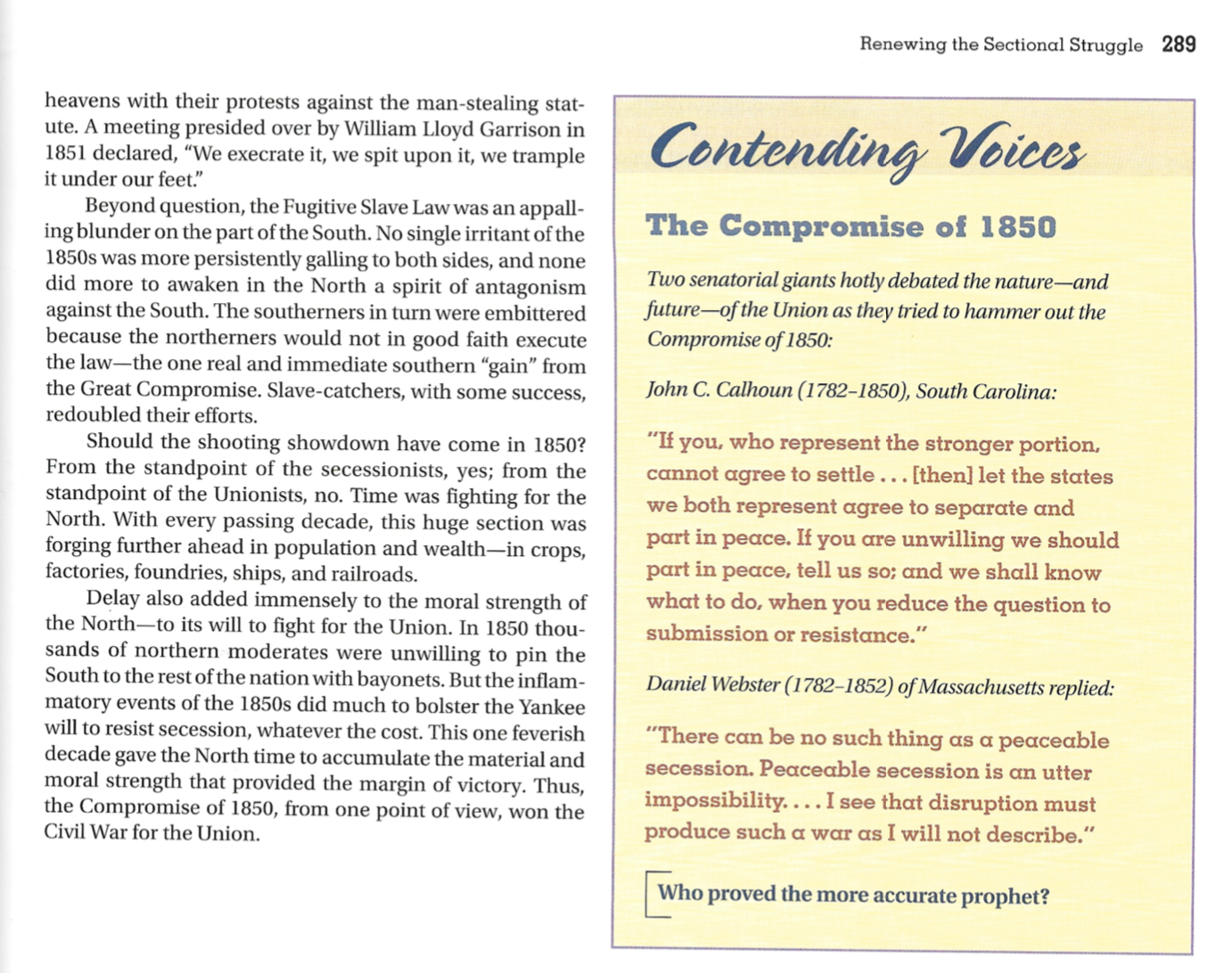
The last sentence in the passage serves mainly to

prove that the creators of the Compromise of 1850 were anti-Southern.
highlight the long-term advantages the Compromise of 1850 provided the Northerners.
foreshadow that the Civil War would eventually be won by finding common ground.
demonstrate that the Compromise of 1850 was a complete failure.