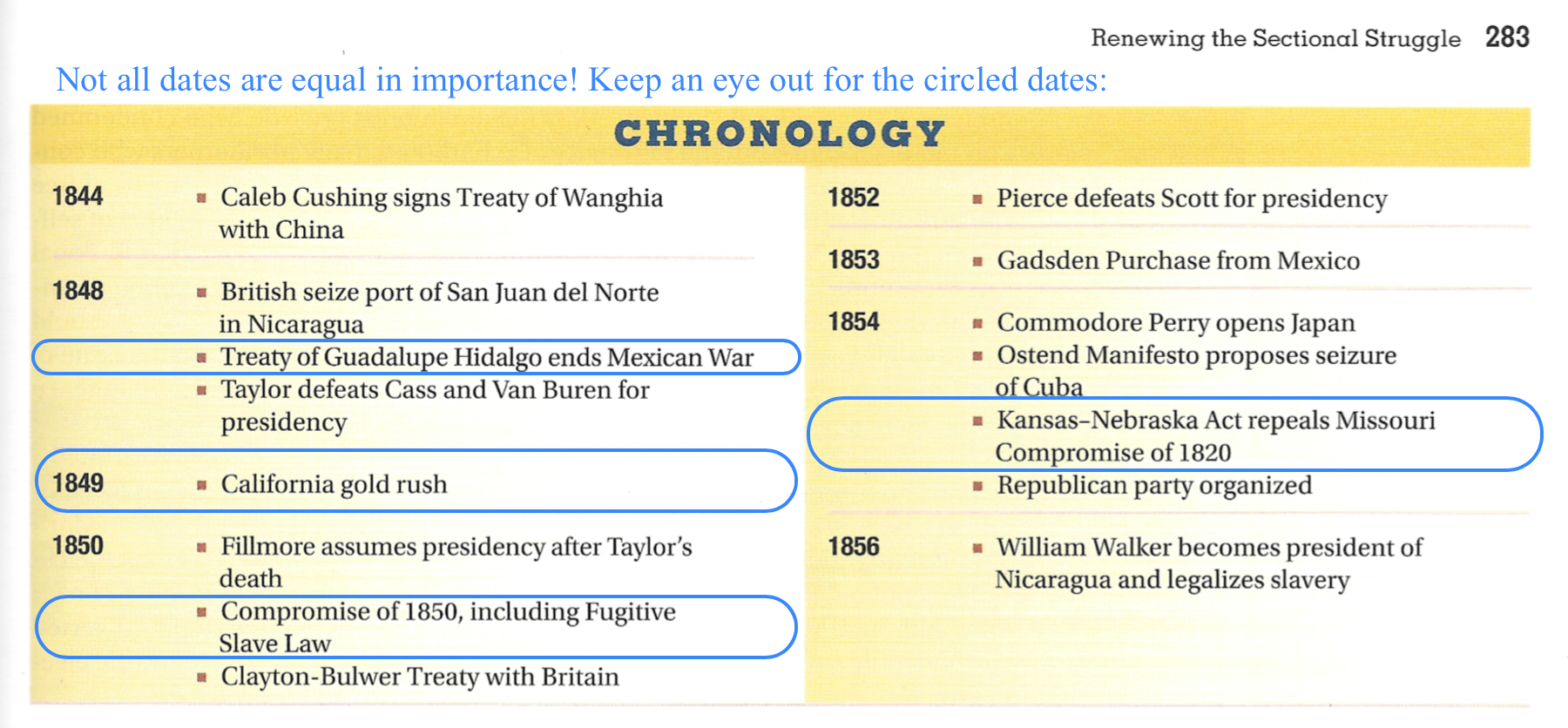
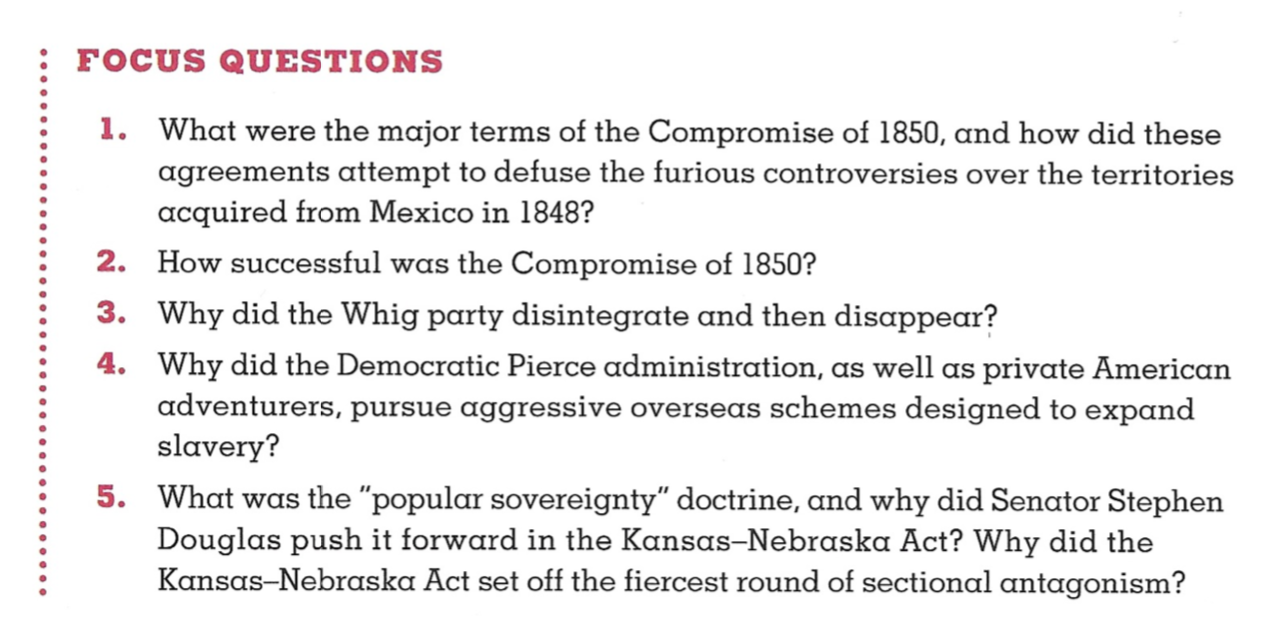
APUSH Chapter 18, Part 1: Renewing the Sectional Struggle (1848-1854)
star
star
star
star
star
Last updated about 2 years ago
11 Nsɛmmisa

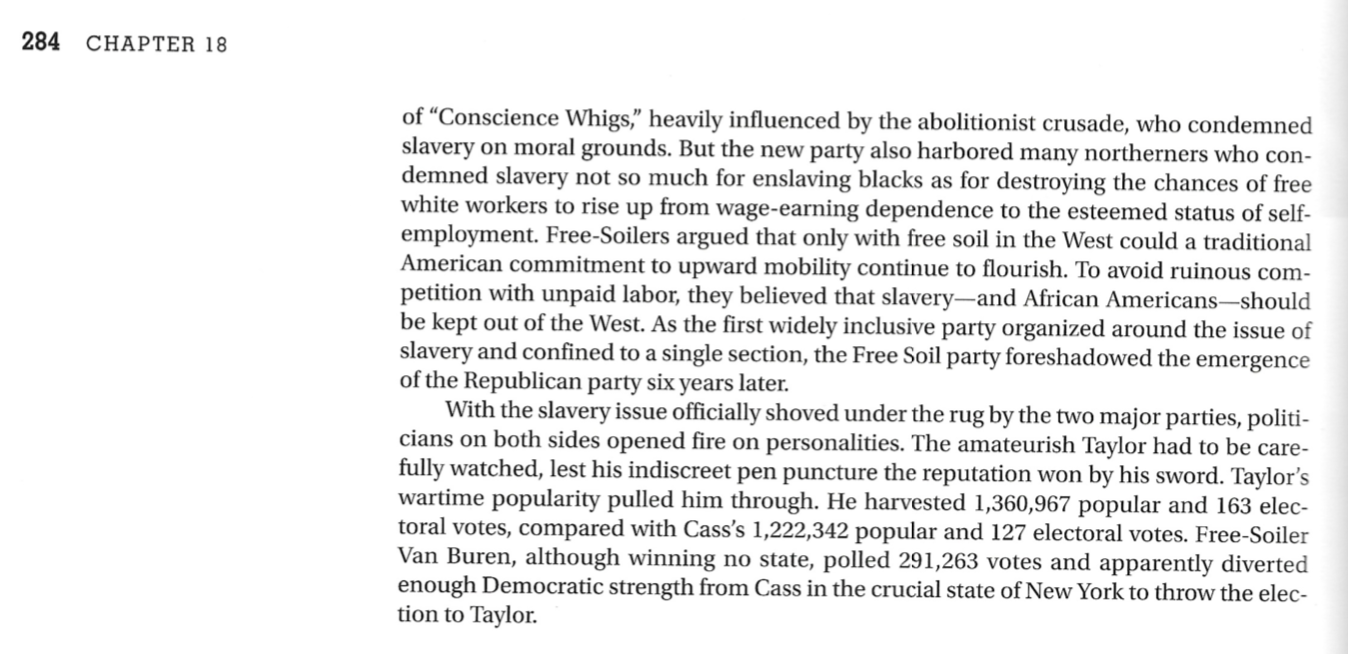
As used in the sentence, "condemned" most nearly means
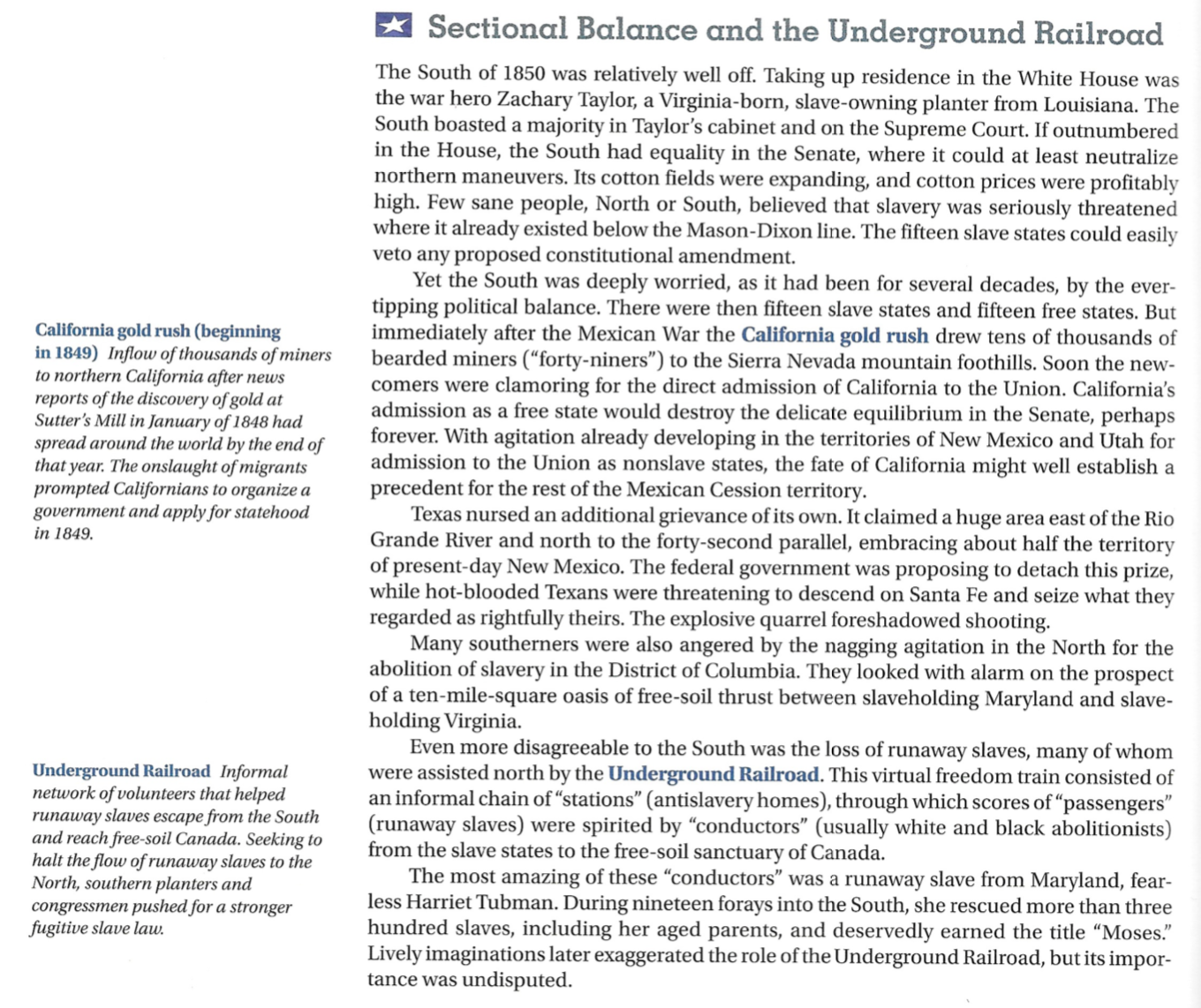
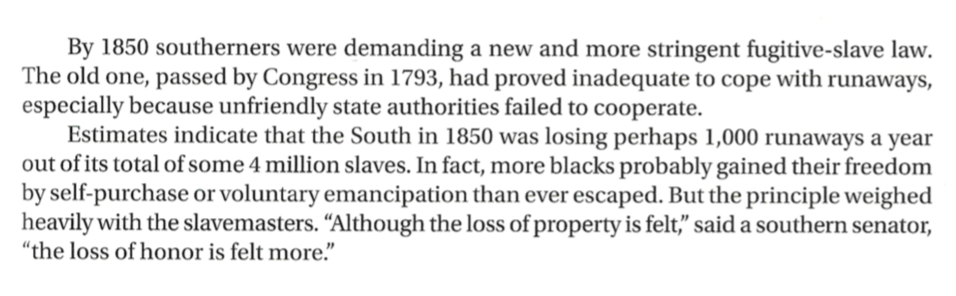
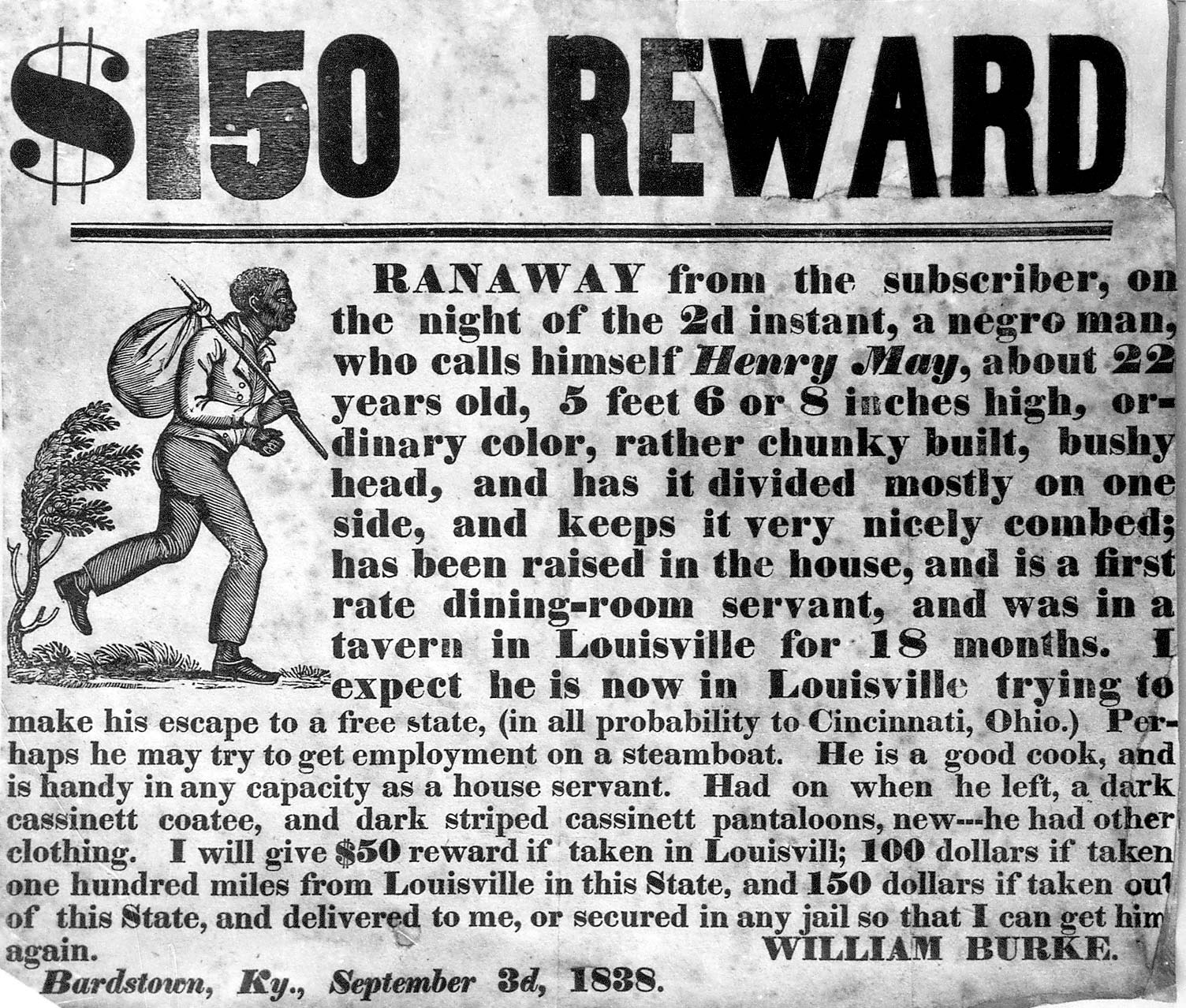
It can be reasonably inferred from the passage that the issue of runaway slaves was important to southerners because
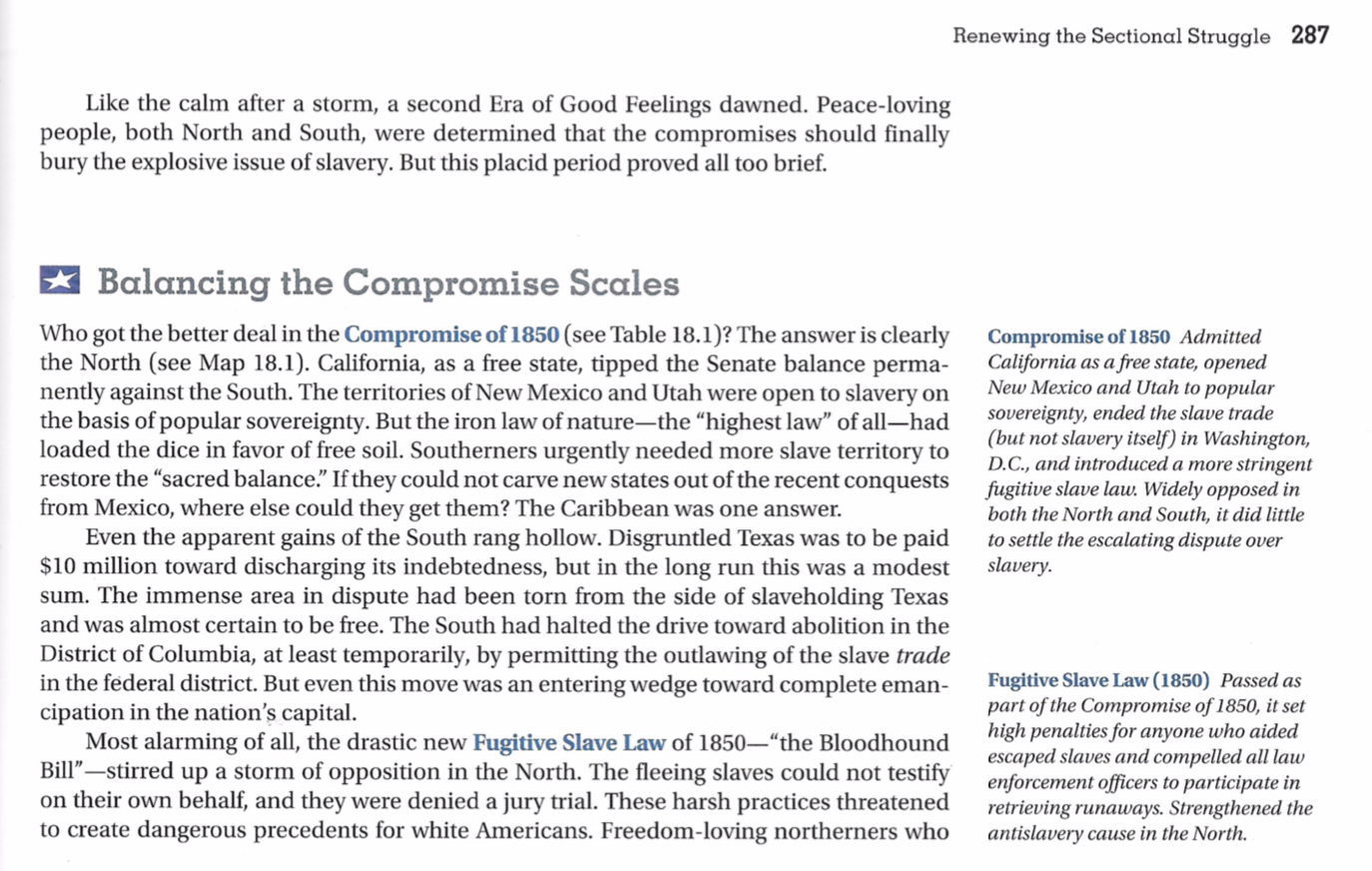
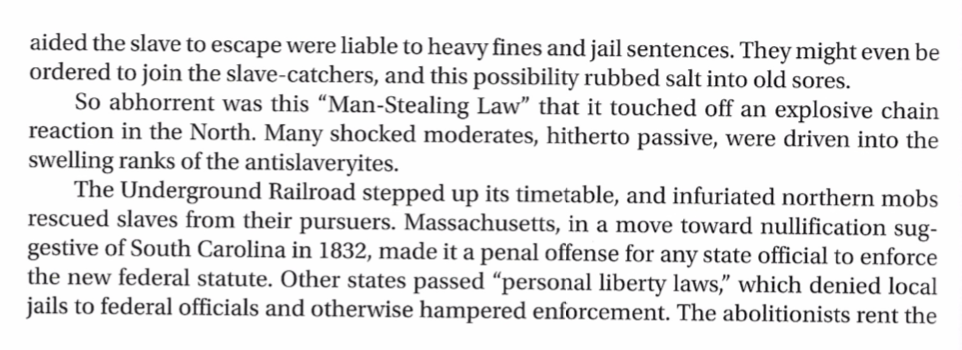
As used in the text, "abhorrent" most nearly means
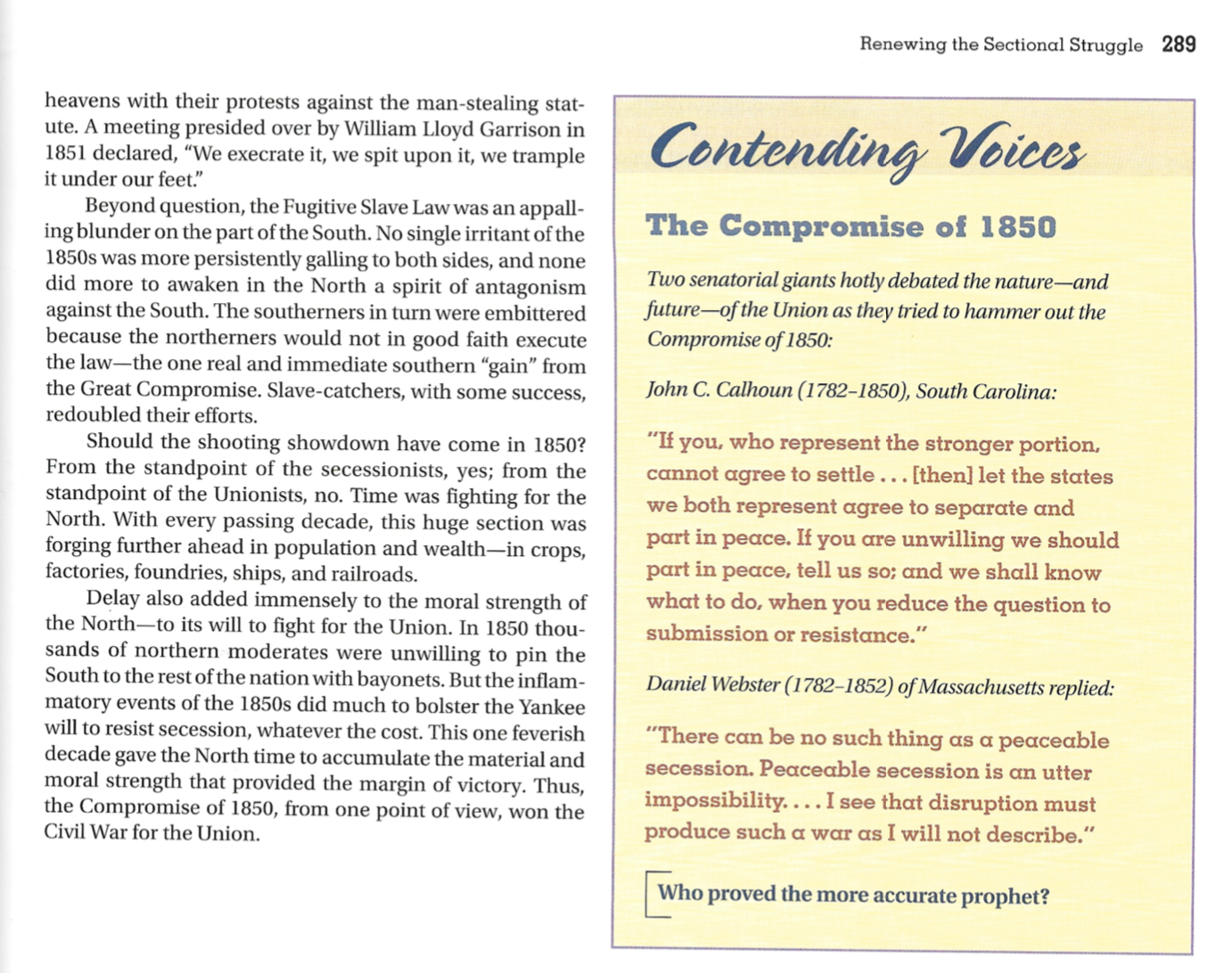
The last sentence in the passage serves mainly to
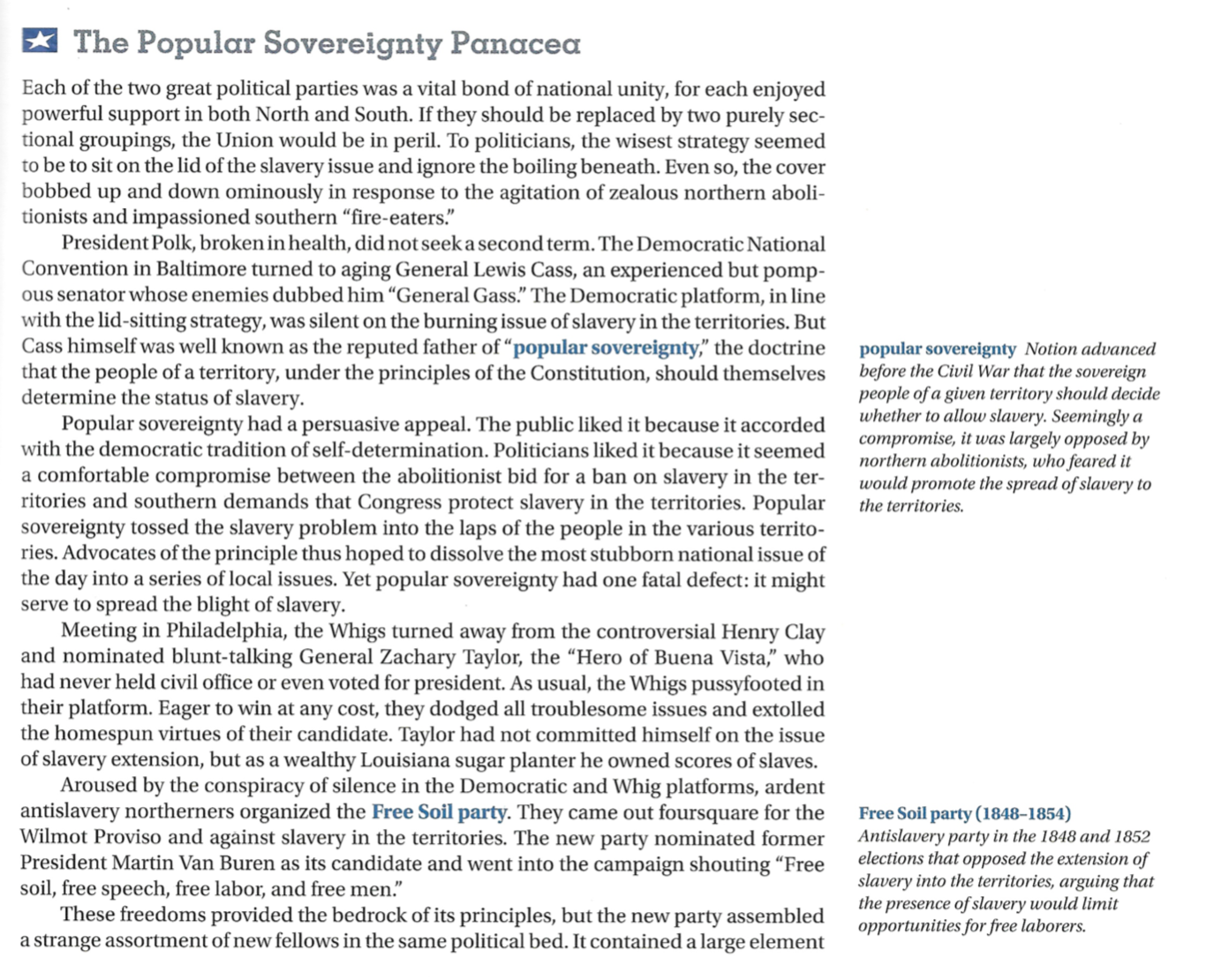
The passage indicates that the American public generally liked popular sovereignty because it
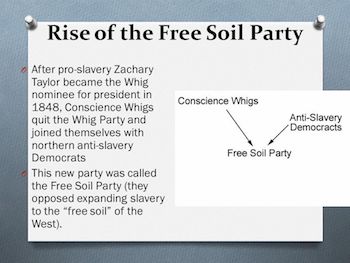
According to the passage, the Free Soil Party was a direct result of the fact that
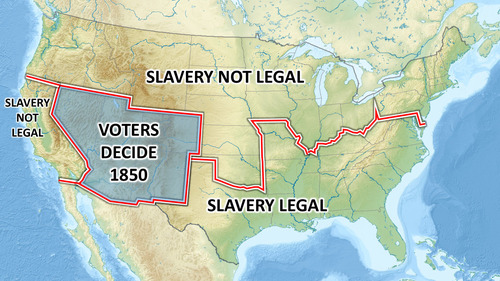
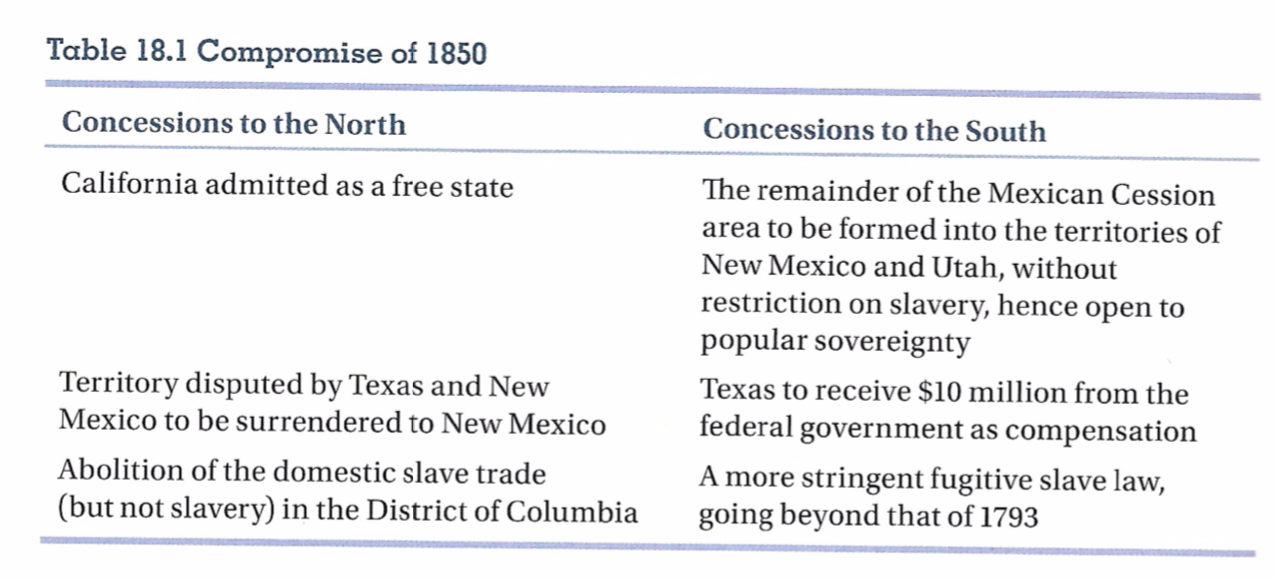
According to the text, the event that threatened to destroy the balance between the number of free and slave states was the
Which choice provides the best evidence for the answer to the previous question?
Although the Northerners benefited more from the Compromise of 1850 than the Southerners, the passage indicates that Northerners were most upset about
Which choice provides the best evidence for the answer to the previous question?
Do you have any feedback or questions about the Formative reading or comprehension questions that you want to go over in class?