What type of solid is this?
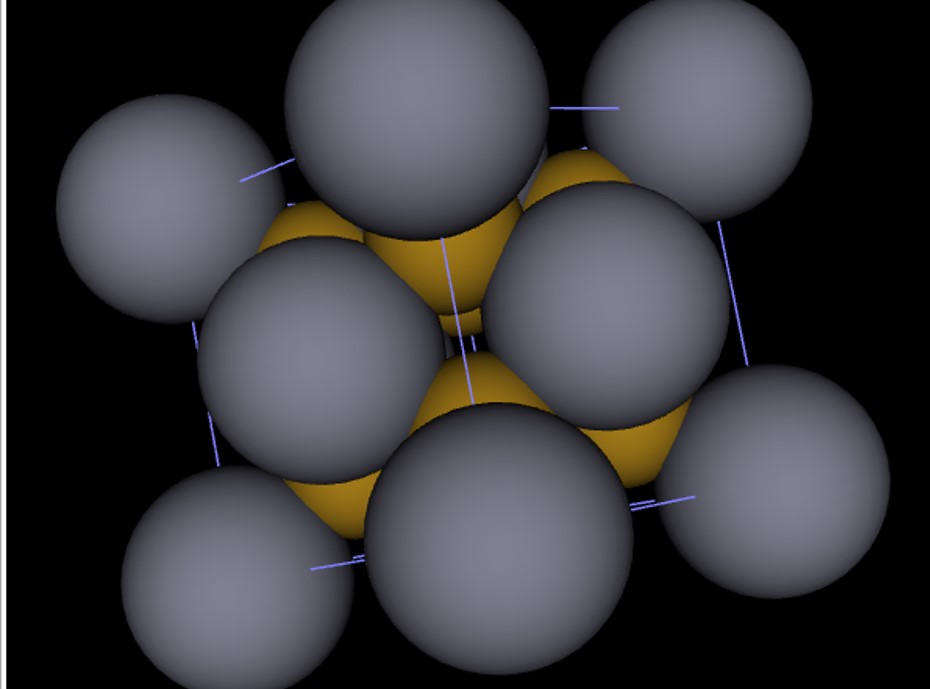
What type of solid is this?
How was your weekend?
Are there any questions you have from the asynchronous work? Are there specific compounds you couldn't find?
What trends do you notice (#38)?
How does a neutral atom become a positive ion? a negative ion?
Make whatever generalizations you can about the charge of the ions formed by elements in columns 1A, 2A, 3A and 7A based on the ratio of atoms in each of the compounds they form. It might help to look at your particle diagrams in #1 and consider what charges the ions might have in order to result in neutral compounds.
How was your weekend? What did you do?
What questions do you have about worksheet 6.1?
How does a neutral atom become a positive ion? a negative ion? Use terminology from the sticky tape lab.
What junior level science class are you planning to take?
What questions do you have from worksheet 6.2?
Write some rules (or observations) that describe ionic solids, molecular solids, and atomic solids.
Describe ionic solids. We will discuss as a group, take notes in this answer box.
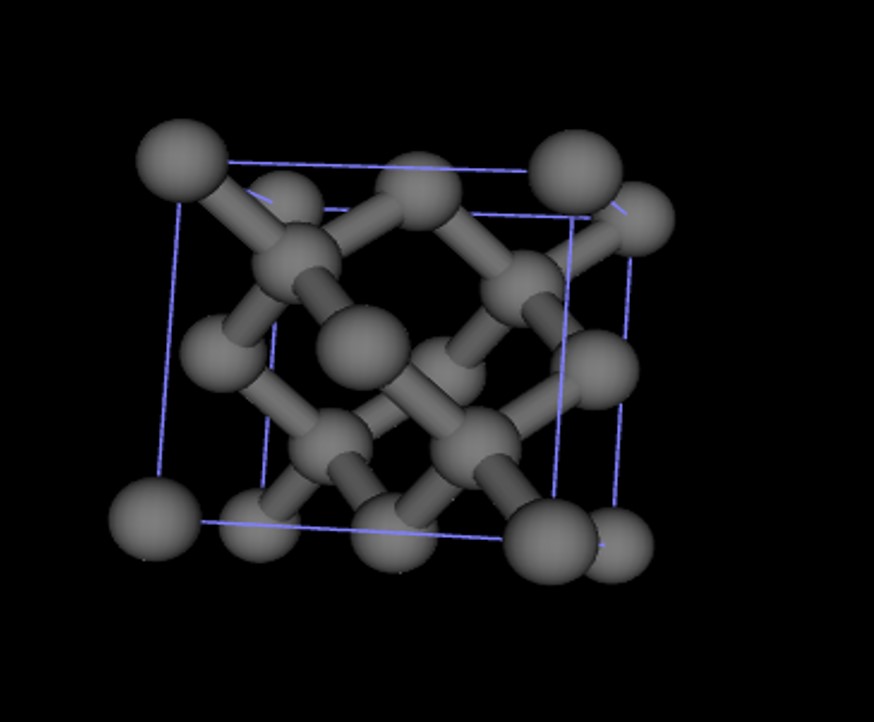
What type of solid is this?
What type of solid is this?
How has your week been so far?
Describe an atomic solid.
Describe an ionic (formula unit) solid.
Are the particles in an ionic solid charged (unequal positive and negative charges) or neutral?
Describe a molecular solid
Are the particles (molecules) in a molecular solid charged (unequal positive and negative charges) or neutral?
Compare the forces between molecules of a molecular solid and within molecules of a molecular solid.
Hint: Use concepts from the sticky tape lab, which of these might be similar to the top tape and bottom tape interaction vs the top tape and the paper interaction.
Based on your answers to the previous questions, which solid, ionic or molecular, would have a higher boiling/melting point?
Why do ionic solids conduct electricity when melted but molecular solids do not conduct electricity when melted?