LNM1 Ch 9 Ex 5
star
star
star
star
star
Last updated almost 4 years ago
18 Nsɛmmisa
1
1
1
1
1
1
1
1
1
1
1
1
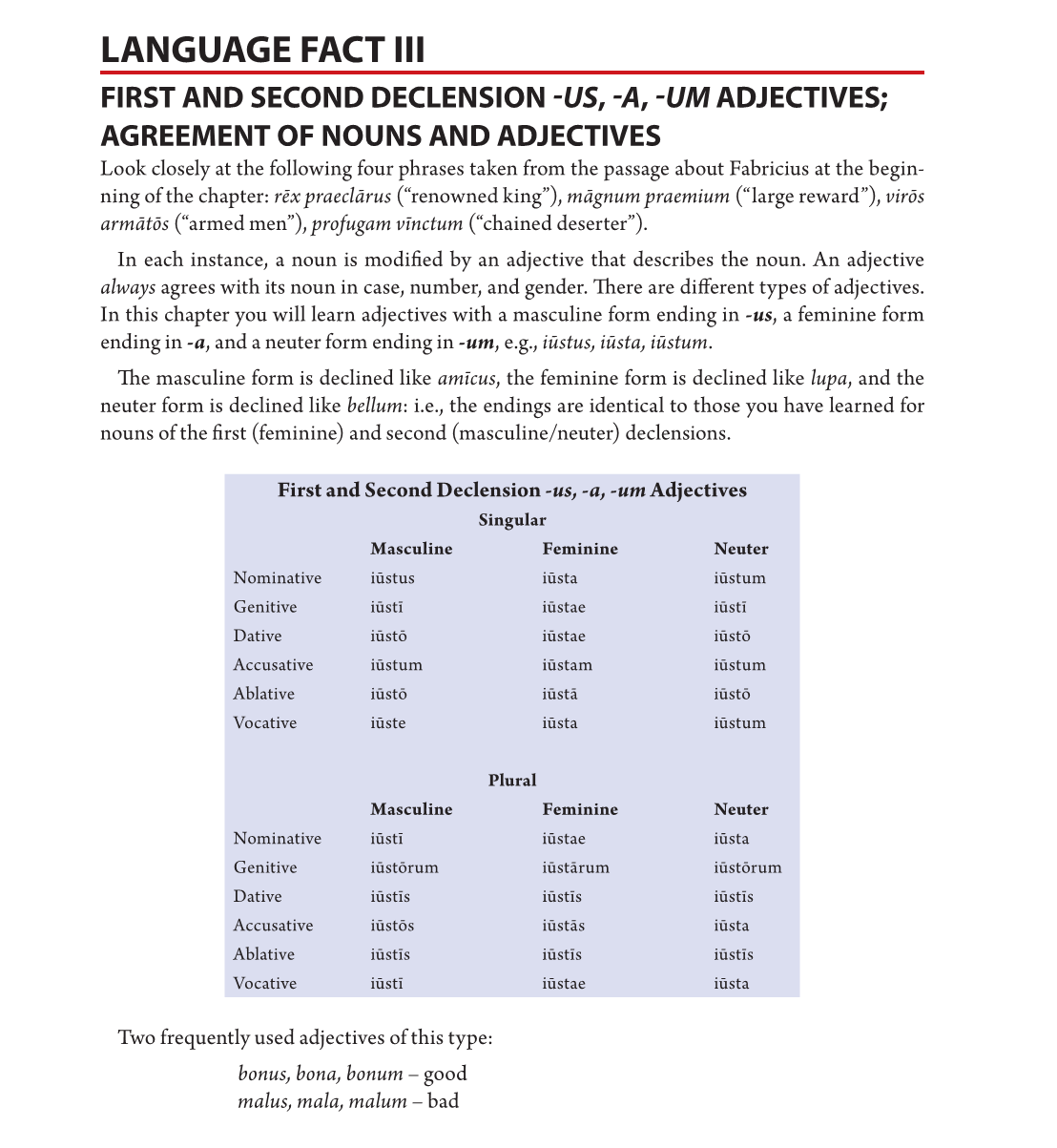
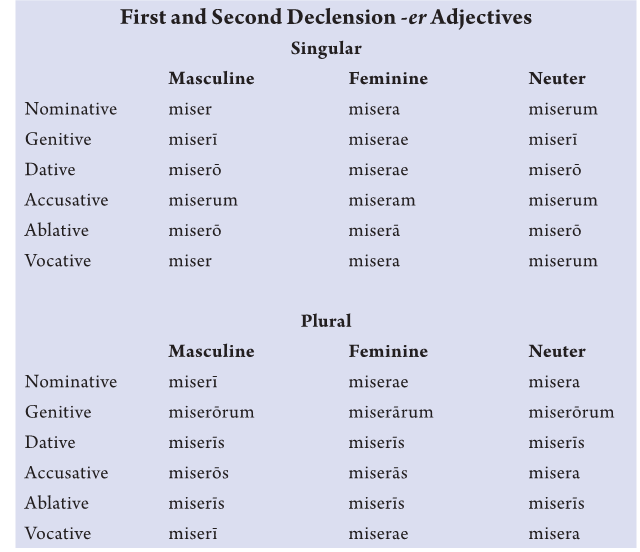
Make the adjective (in parentheses) agree with the noun in case, number, and gender:
timōrēs (malus)
Translate the answer to the previous question:
timōrēs (malus)
Make the adjective (in parentheses) agree with the noun in case, number, and gender:
ducī (sevērus)
Translate the answer to the previous question:
ducī (sevērus)
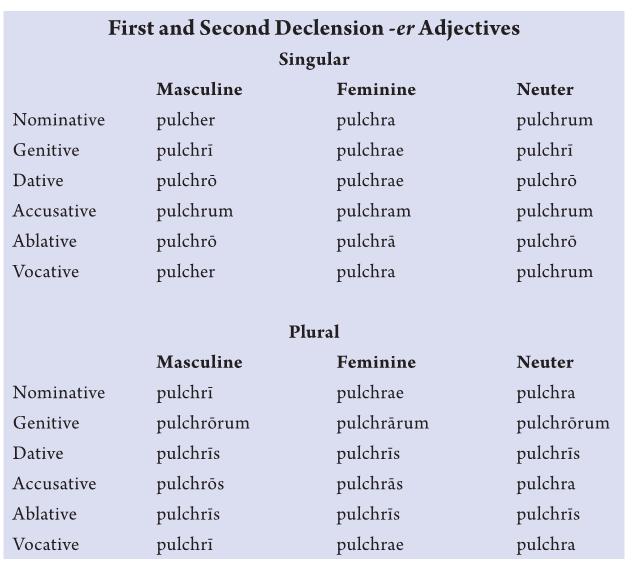
Make the adjective (in parentheses) agree with the noun in case, number, and gender:
corporis (pulcher)
Translate the answer to the previous question:
corporis (pulcher)
Make the adjective (in parentheses) agree with the noun in case, number, and gender:
tempus (longus)
Translate the answer to the previous question:
tempus (longus)
Make the adjective (in parentheses) agree with the noun in case, number, and gender:
corporibus (multus)
Translate the answer to the previous question:
corporibus (multus)
Make the adjective (in parentheses) agree with the noun in case, number, and gender:
in ōrātiōne (meus)
Translate the answer to the previous question:
in ōrātiōne (meus)
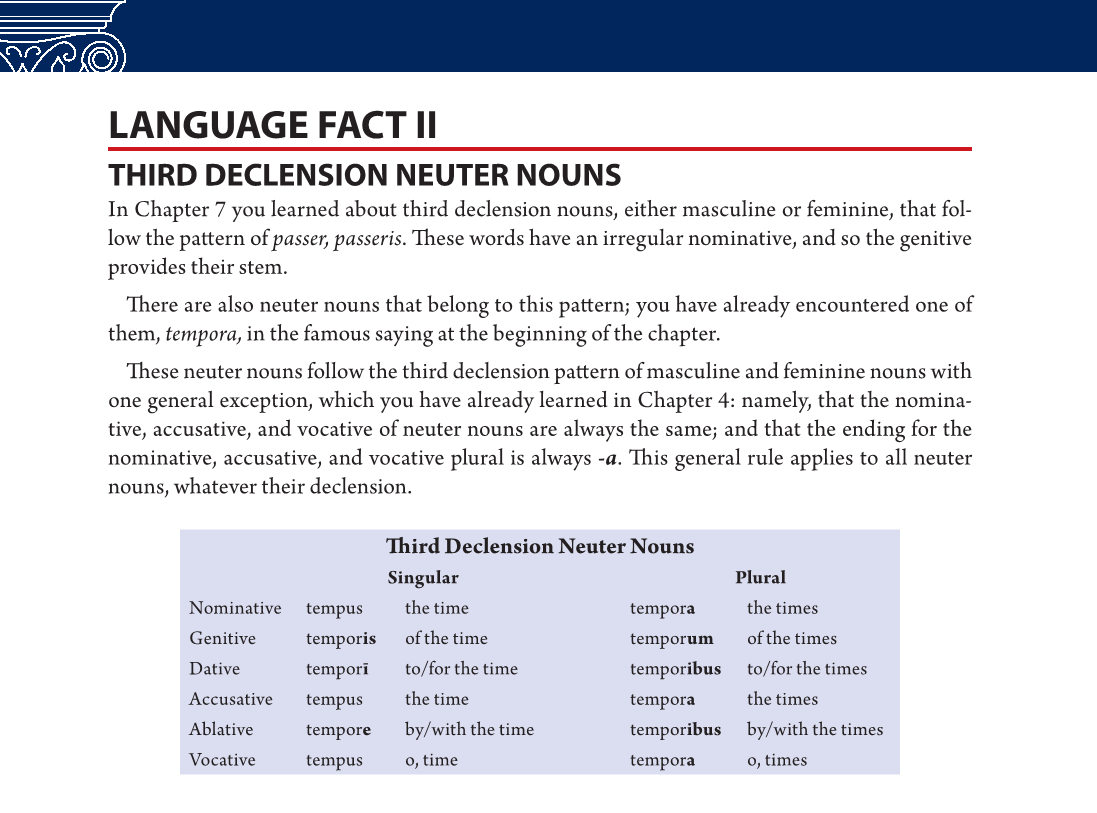
What is the genitive singular ending for the 3rd declension?
What is the genitive singular ending for 3rd declension neuter nouns?
Which two cases are always identical for all neuter nouns?
The nominative and accusative plural always ends in an
How can you tell if a noun is a 3rd declension neuter i-stem?
How can you tell whether a neuter noun is nominative or accusative?