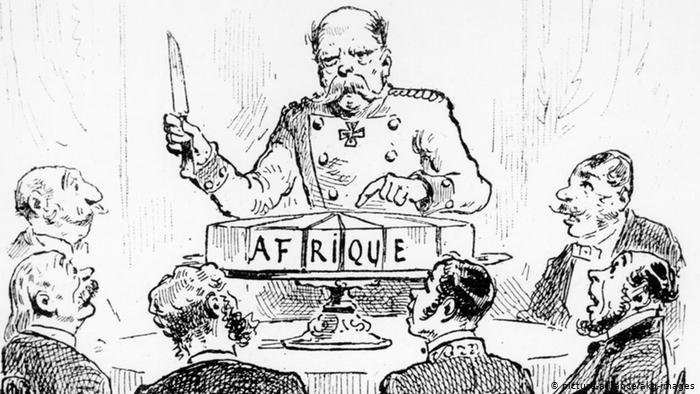
What event is being depicted in this image?
What event is being depicted in this image?
What event is being depicted in this image?
European nations acquired colonies in Southeast Asia mainly to
The seizure and control of one country by another country is best referred to as . . .
During the 1840's China signed "unequal treaties" with western nations mainly because
What was the purpose of the Berlin Conference?
Base your answer to the following question on the poem and on your knowledge of social studies:
you, African, suffered like a beast, Your ashes strewn to the wind that roams the desert. Your tyrants built the lustrous, magic temples To preserve your soul, preserve your suffering. Barbaric right of fist and the white right to a whimp, You had the right to die, you also could weep.
-Patrice Lumumba, "Dawn in the Heart of Africa
The "tyrants" referred to in the poem were
Which event was an example of Asian reaction to European imperialism?
Which one of these groups initially controlled India?
Why did the Sepoy Mutiny occur?
What was a direct result of the Opium War in 19th-century China?
Imperialism was brought on as a result of
Use the following to answer the next question:
The following excerpt deals with changes made during the Meiji era in Japan: "In the second and third years of Meiji, the demand for foreign goods remarkably increased. Those who formerly looked upon them with contempt changed their minds and even dressed in foreign clothes. Our males adopted the European style. They put on fine tall hats instead of wearing large [queues] on their heads, and took to carrying sticks after discarding their swords. They dressed in coats of the English fashion and trousers of the American. They would only eat from tables and nothing would satisfy them but French cookery." Source: Tokyo Times, 1877
According to the excerpt, what happened in the second and third years of Meiji?
Use the following to answer the next question:
The following excerpt deals with changes made during the Meiji era in Japan: "In the second and third years of Meiji, the demand for foreign goods remarkably increased. Those who formerly looked upon them with contempt changed their minds and even dressed in foreign clothes. Our males adopted the European style. They put on fine tall hats instead of wearing large [queues] on their heads, and took to carrying sticks after discarding their swords. They dressed in coats of the English fashion and trousers of the American. They would only eat from tables and nothing would satisfy them but French cookery." Source: Tokyo Times, 1877
Which statement best sums up the way the writer feels about the Japanese adoption of foreign ways?
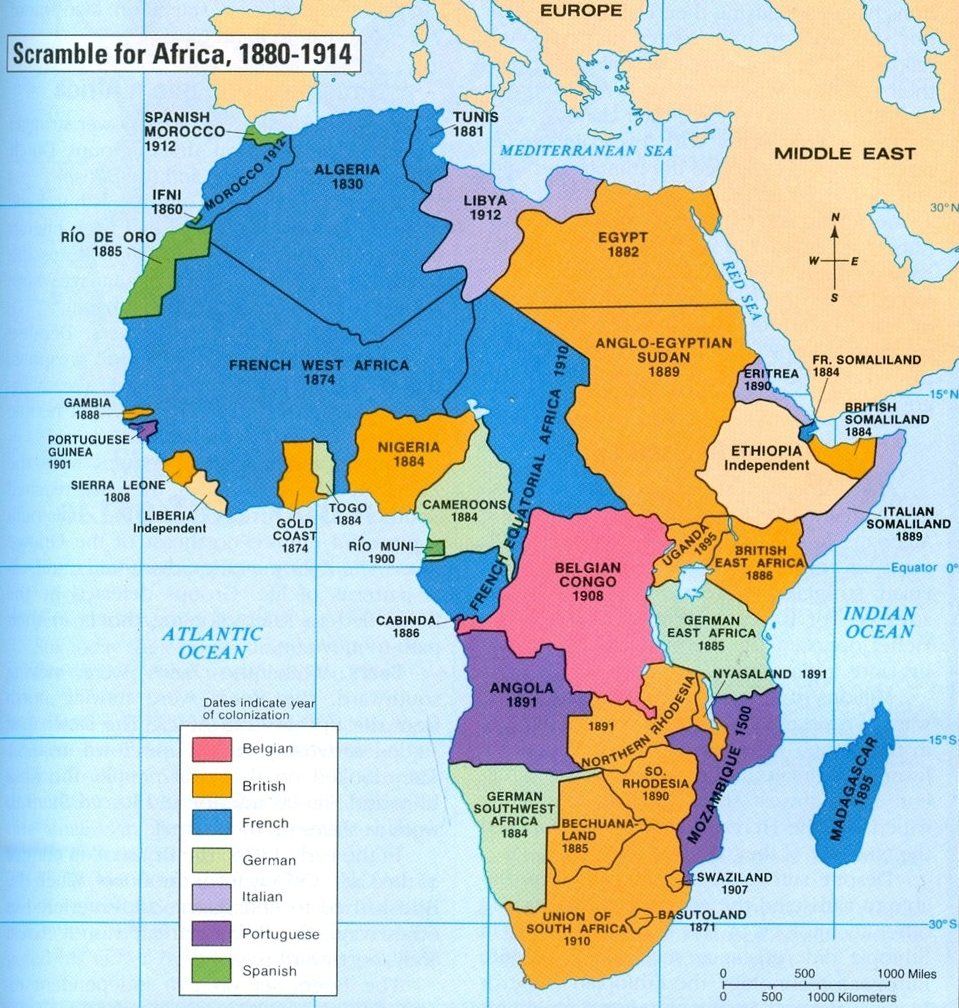
Which conclusion is valid, based on the information shown on this map of Africa in 1914?
Which of the following was NOT one of the main European motivations for Imperialistic behavior?
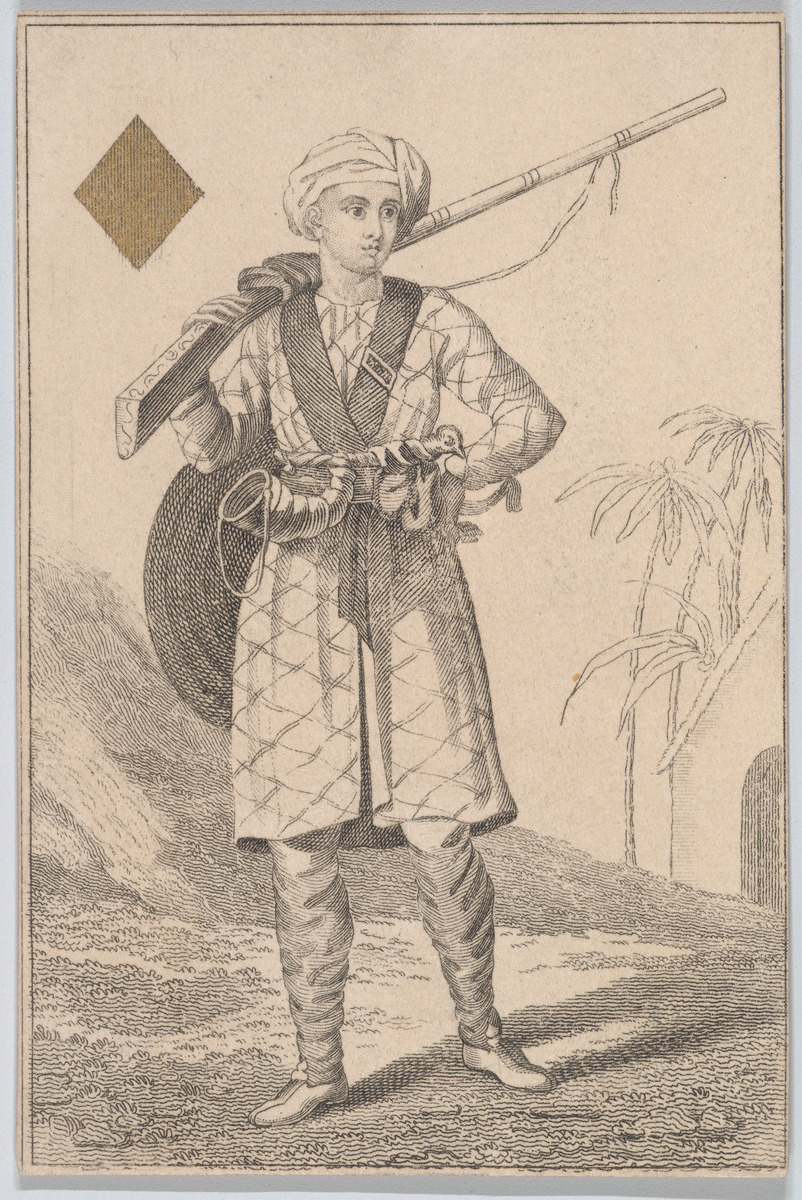
What was a sepoy?
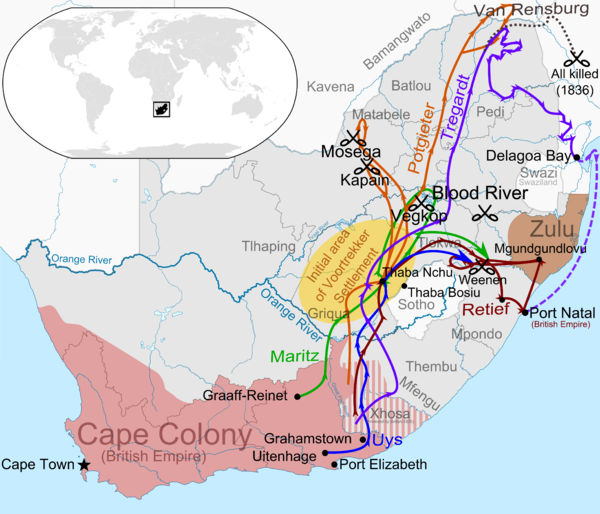
What was the Great Trek?
Which statement is true for the Boer War?
The Meiji Restoration in Japan was a response to..
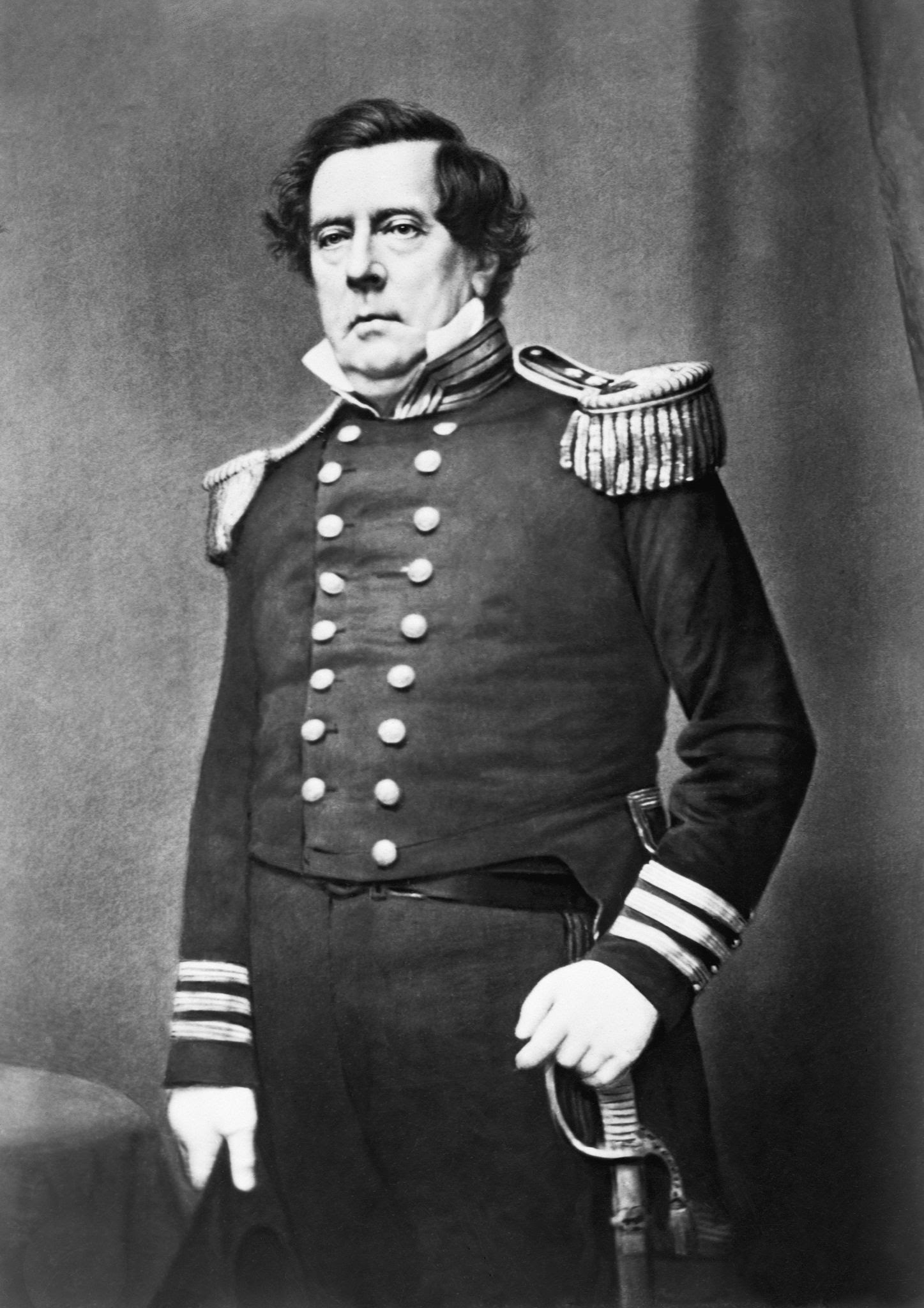
Who was this individual that forced Japan to open its doors to trade?
Document 1B
To commemorate the 130th anniversary of the Berlin Conference, DW (German’s public international broadcaster) interviewed different historians. Among them was Olayemi Akinwumi, professor of history at Nasarawa State University in Nigeria.
“In African studies, many of us believe that the foundation for present day crises in Africa was actually laid by 1884/85 Berlin Conference. The partition was done without any consideration for the history of the society….. The conference did irreparable damage to the continent Document 1A Some nations are still suffering from it to this day.”
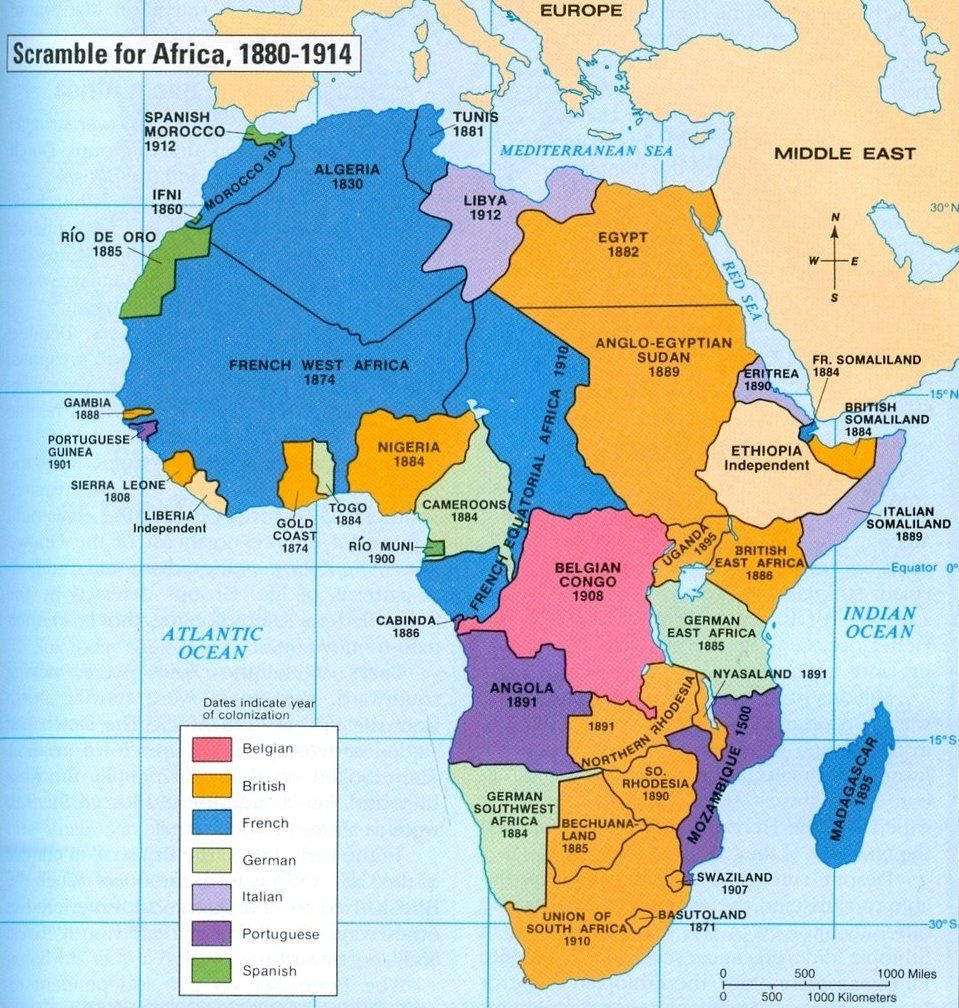
Explain the geographic context of the map in Document 1A. (What geographic circumstances led to this event / historical development?)
Document 1B
To commemorate the 130th anniversary of the Berlin Conference, DW (German’s public international broadcaster) interviewed different historians. Among them was Olayemi Akinwumi, professor of history at Nasarawa State University in Nigeria.
“In African studies, many of us believe that the foundation for present day crises in Africa was actually laid by 1884/85 Berlin Conference. The partition was done without any consideration for the history of the society….. The conference did irreparable damage to the continent Document 1A Some nations are still suffering from it to this day.”
Identify and explain a cause and effect relationship associated with the events in documents 1A and 1B.