TES 2.4
star
star
star
star
star
Last updated about 1 month ago
17 Nsɛmmisa

0
1

0
0
0
1

0
1
1
1
1
1
1
1
1
1
0
What We Did: We started to explore in the Simulation to see what happens to molecules when condensation occurs and when raindrops form.
What We Saw: Raindrops forming
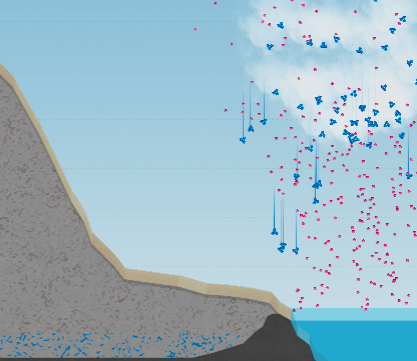
What did you learn about how raindrops form?
Sentence starter: I learned raindrops form when ____________________
What temperature does condensation happen at?
Open the TES 2.4 Models Assignment in Google Classroom
Double click on the picture
Move the water molecules to make a model to show condensation, gas turning into a liquid.
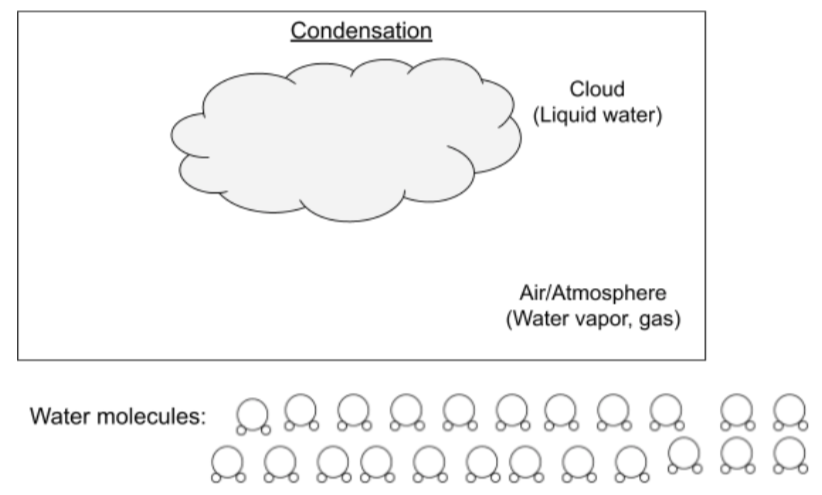
Describe the path that the water molecules followed. Where did the water vapor come from?
Sentence starter: The water vapor came from ___________________ and went to the ___________________
We learned from the sim liquid water produces water vapor.
Will any body of water—even one as small as a few drops—will change into water vapor?
Let’s observe a small amount of water to find out if it turns into water vapor. In our investigation, we will test two very small bodies of water: three drops of salt water and three drops of freshwater. The papers will be left to dry overnight.
What do you think happened to the water drops?
Sentence starter: I think the water drops _______________
What differences do you observe between the two circles?
Sentence starter: In the freshwater circle _______________ and in the saltwater circle _______________
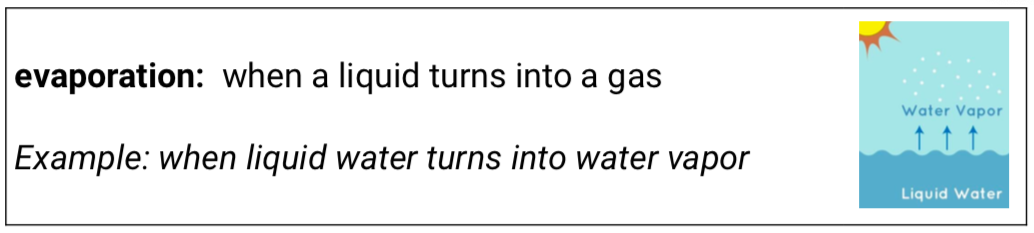
Based on what you know and our new definition of evaporation, what happens to the molecules of liquid water when they evaporate?
What evidence do we have so far to support our key concept from both our investigation and the sim?
How did the simulation show water vapor in the air comes from liquid water that has evaporated?
Sentence starter: The simulation showed _____________
What phase (state) of matter is this water?
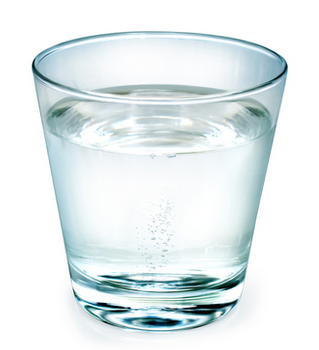
What do the molecules in liquid water look like?
What phase (state) of matter is water vapor?
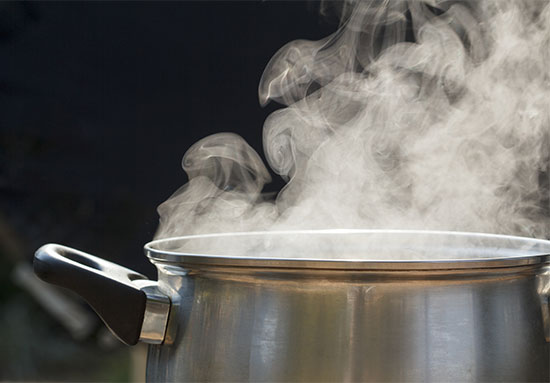
What do the molecules in water vapor look like?
How did the molecules move from liquid water to water vapor?

What happens to the temperature when water evaporates into water vapor?
Open the TES 2.4 Models Assignment in Google Classroom
Double click on the picture
Move the water molecules to make a model to show condensation, gas turning into a liquid.
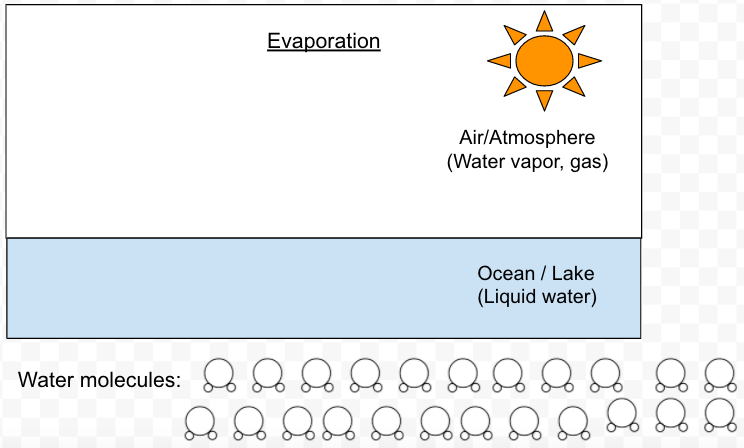
What temperature does evaporation happen at?
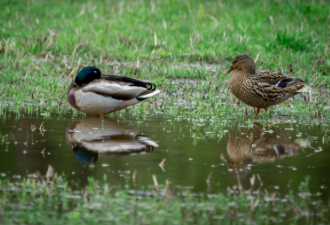
Everyday on their walk around the lake, Buck and Lucy stop by the same puddle.
However, they notice that the puddle has been getting smaller.
What is the best explanation for what is happening to the water in the puddle?
Which model best shows what’s happening to the water molecules in the puddle? Explain why.
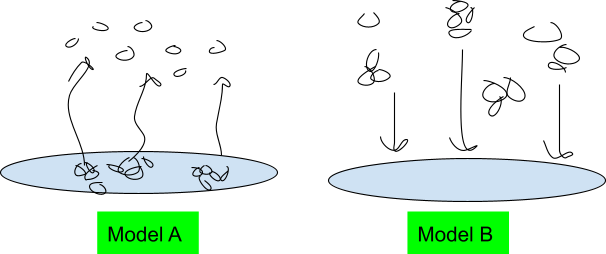
Explain why you chose Model A or Model B to show what’s happening to the water molecules in the puddle. Use the words water and molecules in your explanation.
Sentence Starter: In Model ________________ (Choose Model A or Model B) it shows ________________________