1
0.5
1
0.5
1
0.5
1
0.5
1
0.5
1
0.5
1
0.5
Translate the underlined principal part into English: faciō, facere, fēcī, factus ("make")
Translate the underlined principal part into English: faciō, facere, fēcī, factus ("make")
Translate the underlined principal part into English: faciō, facere, fēcī, factus ("make")
Translate the underlined principal part into English: faciō, facere, fēcī, factus ("make")
Translate the underlined principal part into English: dormiō, dormīre, dormīvī, dormītūrus ("sleep")
Translate the underlined principal part into English: dormiō, dormīre, dormīvī, dormītūrus ("to sleep")
Translate the underlined principal part into English: dormiō, dormīre, dormīvī, dormītūrus ("sleep")
Translate the underlined principal part into English: dormiō, dormīre, dormīvī, dormītūrus ("sleep")
Fill in the missing verb, using the PERFECT tense. Make sure to use the correct PERSON and NUMBER to match the subject, which is underlined.
Aurēlia in caupōnā pernoctāre _________________________. [nōlō, nōlle, noluī]
Fill in the missing verb, using the PERFECT tense. Make sure to use the correct PERSON and NUMBER to match the subject, which is underlined.
Mīlitēs senātōrī fabulam _________________________. [nārrō, nārrāre, nārrāvī, nārrātus]
Fill in the missing verb, using the PERFECT tense. Make sure to use the correct PERSON and NUMBER to match the subject, which is underlined.
Ego certē illum hominem nōn _________________________! [necō, necāre, necāvī, necātus]
Fill in the missing verb, using the PERFECT tense. Make sure to use the correct PERSON and NUMBER to match the subject, which is underlined.
Cur tū puerōs cubitum īre _________________________? [iubeō, iubēre, iussī, iussus]
Fill in the missing verb, using the PERFECT tense. Make sure to use the correct PERSON and NUMBER to match the subject, which is underlined.
Vosne hunc librum _________________________? [legō, legere, lēgī, lēctus]
What tense is dīxistī?
principal parts: dīcō, dīxere, dīxī, dictus
What tense is legimus?
principal parts: legō, legere, lēgī, lēctus
What tense is monuit?
principal parts: moneō, monēre, monuī, monitus
What tense is docēbātis?
principal parts: doceō, docēre, docuī, doctus
What tense is respondit?
principal parts: respondeō, respondēre, respondī, respōnsus
Translate the sentence, and answer any questions that follow about underlined words.
Cornēlia in culīnā vīllae stābat sōla.
vocabulary help:
culīna, -ae, f.: kitchen
stō, stāre, stetī, statūrus: to stand
sōlus, sōla, sōlum: alone
Answer any questions about underlined words.
Cornēlia in culīnā vīllae stābat sōla.
vocabulary help:
culīna, -ae, f.: kitchen
stō, stāre, stetī, statūrus: to stand
sōlus, sōla, sōlum: alone
Translate the sentence.
Calceōs nōn habēbat et tunicam sordidam gerēbat.
vocabulary help:
calceus, calceī, m.: shoe
habeō, habēre, habuī, habitus: to have
tunica, tunicae, f.: tunic
sordidus, sordida, sordidum: dirty
gerō, gerere, gessī, gestus: to wear
Translate the sentence, and answer any questions that follow about underlined words.
"Venīte, servī!" clāmābat Cornēlia. "Ubi estis, servī? Quid agitis?"
vocabulary help:
veniō, venīre, vēnī, ventūrus: to come
quis, quid: who, what
agō, agere, ēgī, āctus: to do
Answer any questions about underlined words.
"Venīte, servī!" clāmābat Cornēlia. "Ubi estis, ignāvī servī? Quid agitis?"
vocabulary help:
veniō, venīre, vēnī, ventūrus: to come
quis, quid: who, what
agō, agere, ēgī, āctus: to do
Translate the sentence.
Nēmō vēnit. Iterum iterumque Cornēlia clāmābat, sed nihil nisi silentium erat.
vocabulary help:
nēmō, nēminis, m.: no one
veniō, venīre, vēnī, ventūrus: to come
iterum interumque: again and again
nihil: nothing
nisi: except
silentium, silentiī, n.: silence
Translate the sentence, and answer any questions that follow about underlined words.
Tandem vōcēs servōrum audīvit.
Answer any questions about underlined words.
Tandem vōcēs servōrum audīvit.
Translate the sentence, and answer any questions that follow about underlined words.
Subitō appāruit Dāvus et aliī servī.
vocabulary help:
appāreō, appārēre, appāruī, appārātūrus: to appear
alius, alia, alium: some, other
Answer any questions about underlined words.
Subitō appāruit Dāvus et aliī servī.
vocabulary help:
appāreō, appārēre, appāruī, appārātūrus: to appear
alius, alia, alium: some, other
Translate the sentence, and answer any questions that follow about underlined words.
Brevī tempore circum Cornēliam servī cōnstitērunt. Omnēs togās gerēbant.
vocabulary help:
brevis, brevis, breve: brief, short
circum (prep. + acc.): around
cōnstō, cōnstare, cōnstitī: to stand
toga, togae, f.: toga
gerō, gerere, gessī, gestus: to wear
Translate the sentence.
Tum Dāvus, "Quid est," inquit, "ancilla?"
vocabulary help:
quis, quid: who, what
ancilla, ancillae, f.: slave-woman, slave-girl
Translate the sentence.
Cornēlia, quae attonita erat, "Nōn tibi licet mē 'ancillam' vocāre!" clāmāvit.
vocabulary help:
quae: who
attonitus, attonita, attonitum: astonished, surprised
nōn tibi licet: it is not allowed for you, you are not allowed
ancilla, ancillae, f.: slave-woman, slave-girl
Translate the sentence, and answer any questions that follow about underlined words.
Respondit Dāvus īrātus, "Servus nōn sum, sed tū ancilla es. Ecce! Ego, ut vidēre potes, togam gerō; tū geris tunicam sordidam."
vocabulary help:
respondeō, respondēre, respondī, respōnsūrus: to respond
ecce! look!
ut: as
toga, togae, f.: toga
gerō, gerere, gessī, gestus: to wear
tunica, tunicae, f.: tunic
sordidus, sordida, sordidum: dirty
Answer any questions about underlined words.
Respondit Dāvus īrātus, "Servus nōn sum, sed tū ancilla es. Ecce! Ego, ut vidēre potes, togam gerō; tū geris tunicam sordidam."
vocabulary help:
respondeō, respondēre, respondī, respōnsūrus: to respond
ecce! look!
toga, togae, f.: toga
gerō, gerere, gessī, gestus: to wear
tunica, tunicae, f.: tunic
sordidus, sordida, sordidum: dirty
Translate the sentence, and answer any questions that follow about underlined words.
"Tū es ancilla amīcī meī Cornēliī."
vocabulary help:
ancilla, ancillae, f.: slave-woman, slave-girl
meus, mea, meum: my
Translate the sentence.
Subitō clāmābant servī, "Fer vīnum! Fer cibum! Purgā magnā cum dīligentiā vīllam! Coque cibum! Movē cistam! Nōlī cessāre!"
vocabulary help:
vīnum, -ī, n.: wine
cibus, cibī, m.: food
purgō, purgāre, purgāvī, purgātus: to clean
dīligentia, -ae, f.: diligence, care
coquō, coquere, coxī, coctus: to cook
cibus, cibī, m.: food
cista, cistae, f.: trunk
cessō, cessāre, cessāvī, cessātus: to be idle, be lazy
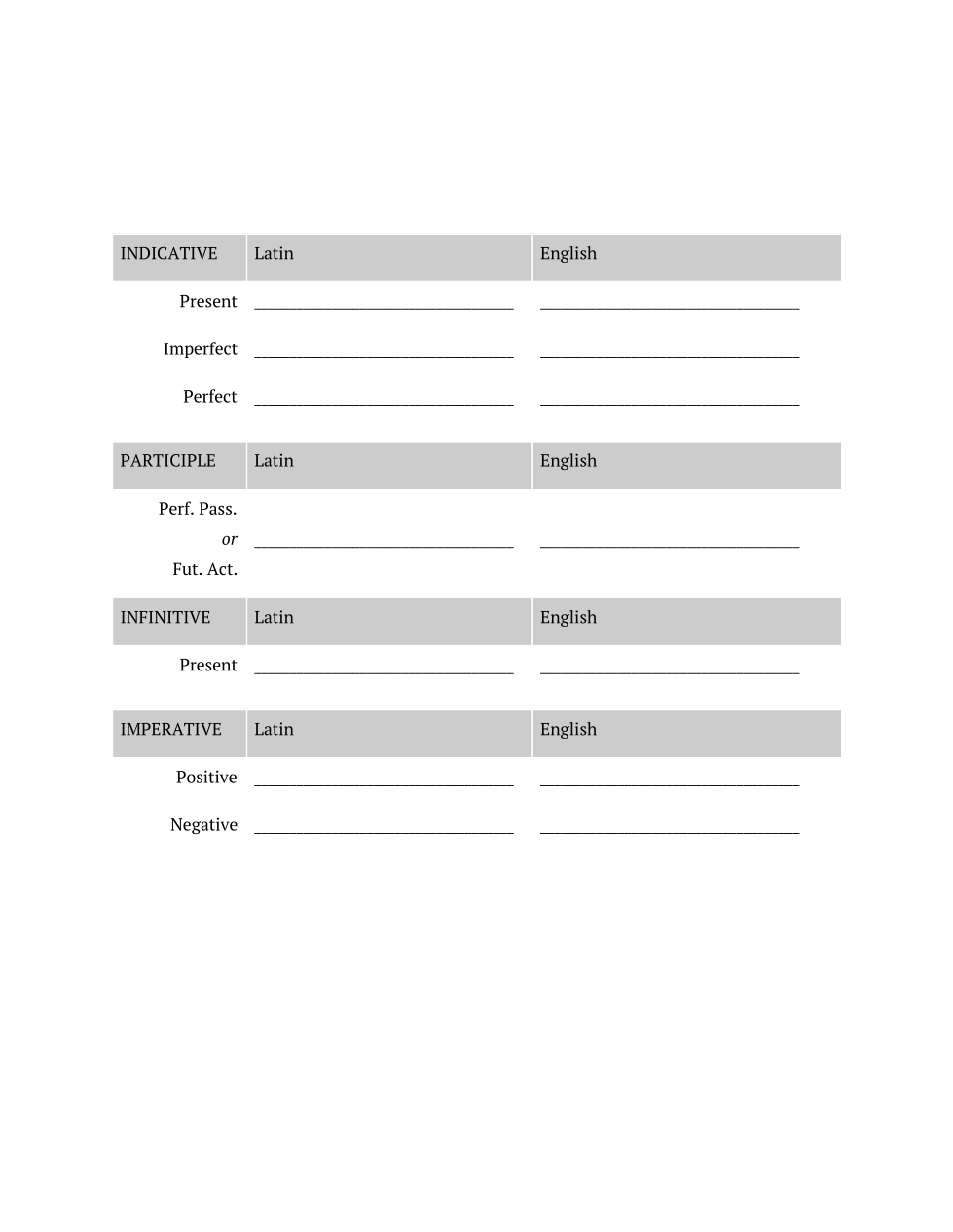
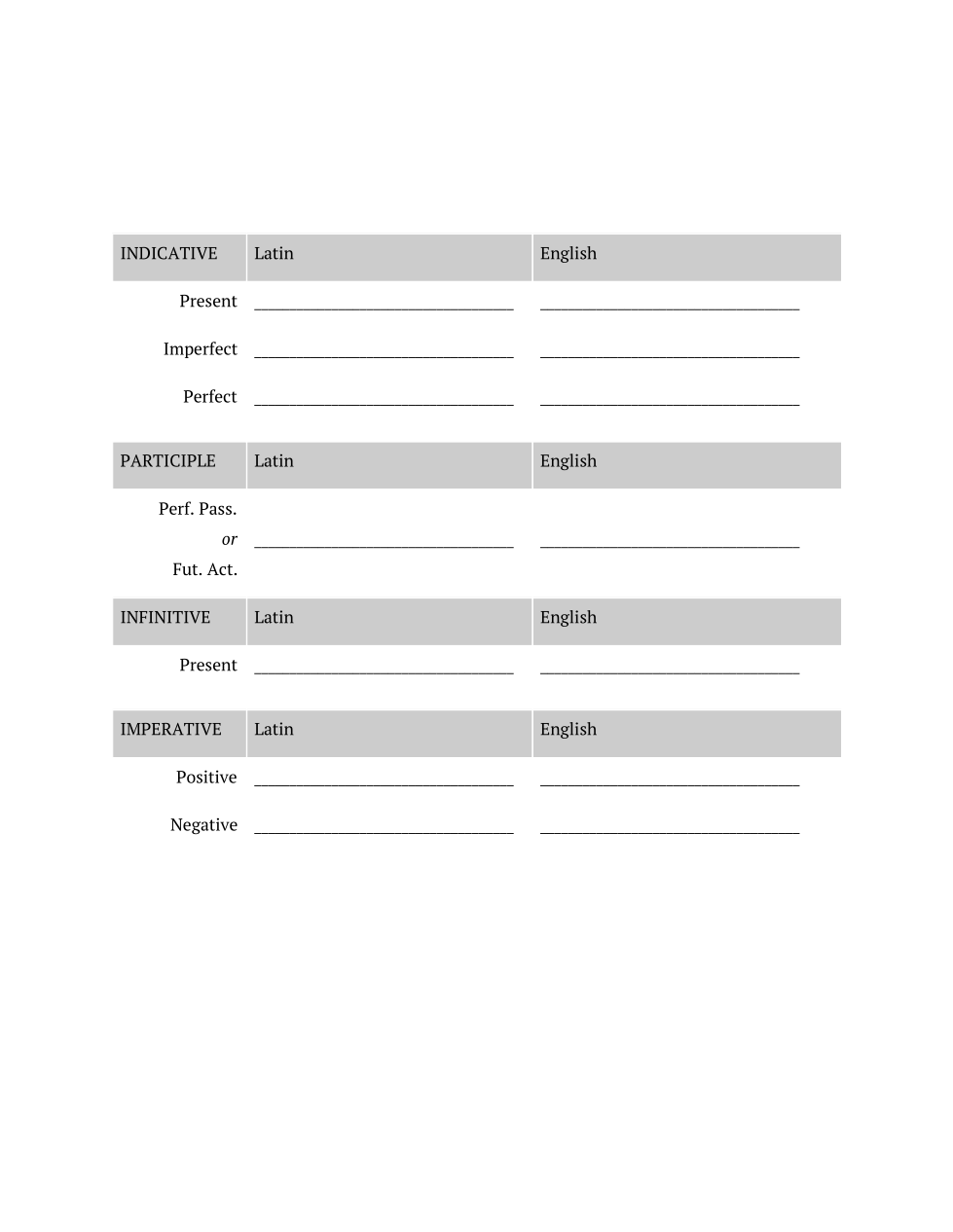
explicō, explicāre, explicāvī, explicātus ("explain"): 2nd person singular
explicō, explicāre, explicāvī, explicātus ("explain"): 2nd person singular
explicō, explicāre, explicāvī, explicātus ("explain"): 2nd person singular
explicō, explicāre, explicāvī, explicātus ("explain"): 2nd person singular
explicō, explicāre, explicāvī, explicātus ("explain"): 2nd person singular
explicō, explicāre, explicāvī, explicātus ("explain"): 2nd person singular
explicō, explicāre, explicāvī, explicātus ("explain"): 2nd person singular
explicō, explicāre, explicāvī, explicātus ("explain"): 2nd person singular
explicō, explicāre, explicāvī, explicātus ("explain"): 2nd person singular
explicō, explicāre, explicāvī, explicātus ("explain"): 2nd person singular
explicō, explicāre, explicāvī, explicātus ("explain"): 2nd person singular
explicō, explicāre, explicāvī, explicātus ("explain"): 2nd person singular
explicō, explicāre, explicāvī, explicātus ("explain"): 2nd person singular
explicō, explicāre, explicāvī, explicātus ("explain"): 2nd person singular
lūdō, lūdere, lūsī, lūsūrus ("play"): 1st person plural
lūdō, lūdere, lūsī, lūsūrus ("play"): 1st person plural
lūdō, lūdere, lūsī, lūsūrus ("play"): 1st person plural
lūdō, lūdere, lūsī, lūsūrus ("play"): 1st person plural
lūdō, lūdere, lūsī, lūsūrus ("play"): 1st person plural
lūdō, lūdere, lūsī, lūsūrus ("play"): 1st person plural
lūdō, lūdere, lūsī, lūsūrus ("play"): 1st person plural
lūdō, lūdere, lūsī, lūsūrus ("play"): 1st person plural
lūdō, lūdere, lūsī, lūsūrus ("play"): 1st person plural
lūdō, lūdere, lūsī, lūsūrus ("play"): 1st person plural
lūdō, lūdere, lūsī, lūsūrus ("play"): 1st person plural
lūdō, lūdere, lūsī, lūsūrus ("play"): 1st person plural
lūdō, lūdere, lūsī, lūsūrus ("play"): 1st person plural
lūdō, lūdere, lūsī, lūsūrus ("play"): 1st person plural
Answer any questions about underlined words.
"Venīte, servī!" clāmābat Cornēlia. "Ubi estis, ignāvī servī? Quid agitis?"
vocabulary help:
veniō, venīre, vēnī, ventūrus: to come
quis, quid: who, what
agō, agere, ēgī, āctus: to do
Answer any questions about underlined words.ords.
Brevī tempore circum Cornēliam servī cōnstitērunt. Omnēs togās gerēbant.
vocabulary help:
brevis, brevis, breve: brief, short
circum (prep. + acc.): around
cōnstituō, cōnstituere, cōnstituī, cōnstitūrus: to stand
toga, togae, f.: toga
gerō, gerere, gessī, gestus: to wear
Answer any questions about underlined words.
Brevī tempore circum Cornēliam servī cōnstitērunt. Omnēs togās gerēbant.
vocabulary help:
brevis, brevis, breve: brief, short
circum (prep. + acc.): around
cōnstituō, cōnstituere, cōnstituī, cōnstitūrus: to stand
toga, togae, f.: toga
gerō, gerere, gessī, gestus: to wear
Answer any questions about underlined words.
"Tū es ancilla amīcī meī Cornēliī."
vocabulary help:
ancilla, ancillae, f.: slave-woman, slave-girl
meus, mea, meum: my