Classify the following as a molecular formula or Lewis structure.
Classify the following as a molecular formula or Lewis structure.
N2O4
CO2



NH3

PH3
Molecular Formula
Lewis Structure
Classify the following as a molecular formula or Lewis structure.
N2O4
CO2
NH3
PH3
Molecular Formula
Lewis Structure
Classify the following elements as a metal or nonmetal.
copper
carbon
sulfur
hydrogen
oxygen
iodine
tin
tungsten
nickel
fluorine
Metal
Nonmetal
A structural formula shows the arrangement of the atoms in a molecule.
A central atom in a molecule is the one with the highest electron affinity.
Hydrogen can be a central atom.
The number of bonding pairs in a molecule is equal to the number of electrons.
To find the total number of electrons available for bonding in a positive ion, you should add the ion charge to the total number of valence electrons of the atoms present.
The electrons in a coordinate covalent bond are donated by both the bonded atoms.
Resonance occurs when more than one valid Lewis structure can be written for a molecule.
All resonance structures have at least one double bond.
Ozone is an example of a molecule that forms a resonance structure.
The carbon dioxide molecule contains two double bonds.
All electrons in an atom are available for bonding.
When carbon and oxygen bond, the molecule contains ten pairs of bonding electrons.
The formula for the nitrogen element is N2.
Rearrange so that each statement matches with the appropriate molecule.
| Draggable item | arrow_right_alt | Corresponding Item |
|---|---|---|
Fewer than 8 electrons around an atom | arrow_right_alt | NO |
Contains two double bonds | arrow_right_alt | BF3 |
More than one valid Lewis structure | arrow_right_alt | SF6 |
Odd number of valence electrons | arrow_right_alt | O3 |
More than 8 electrons around central atom | arrow_right_alt | CO2 |
Extra Credit Review: name the following acid H2SiO3
Extra Credit Review: name the following acid H2S
Extra Credit Review: name the following acid H2C2O4
How many bonded pairs?
How many lone pairs?
How many lone pairs?
How many bond pairs?
How many bond pairs?
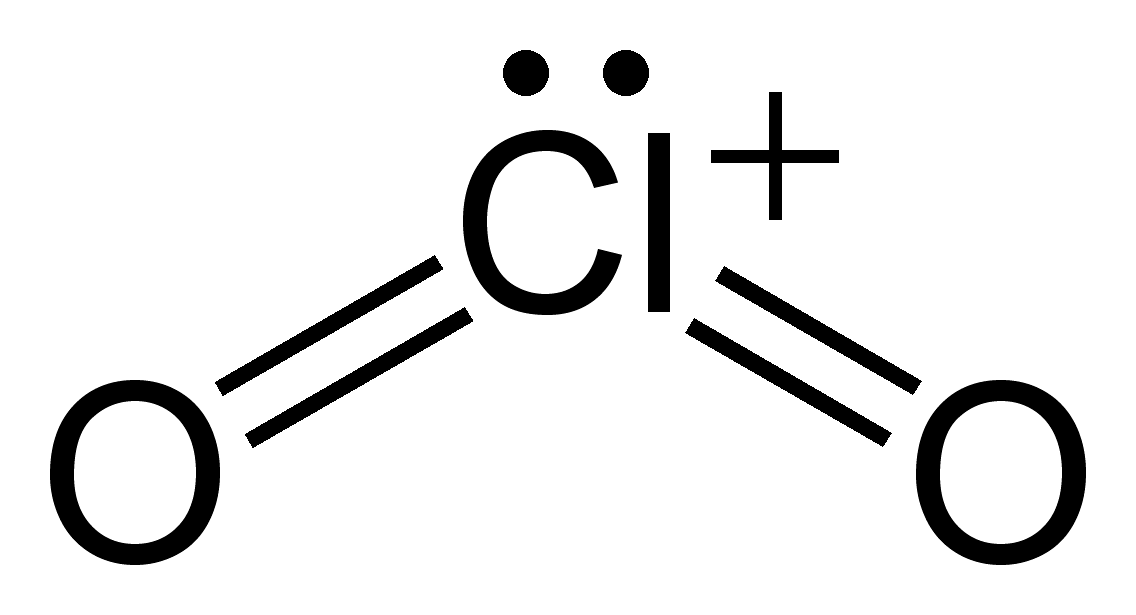
How many lone pairs?
How many lone pairs?

How many bond pairs?