a form of a gene; genetic variety that can give phenotypic variety
Recessive
arrow_right_alt
a section of DNA that contains the directions for synthesizing a protein
Phenotype
arrow_right_alt
the form of a gene that can mask the other
Dominant
arrow_right_alt
the form of a gene that can be covered up when present with another form
Homozygous
arrow_right_alt
the way an organism looks
Genotype
arrow_right_alt
the genetic make up of an individual
Allele
arrow_right_alt
having two of the SAME version of a gene (dominant or recessive)
Gene
arrow_right_alt
having two DIFFERENT versions of a gene
PART 2- Applying the Vocab in Punnett Square Questions
For each question complete the Punnett square to help you answer the questions correctly. If you don't show your work, I can't determine why you missed a question!
1 point
1
Question 2
2.
In humans the ability to taste Phenylthiocarbamide (PTC) is dominant. “Tasters” (TT) or (Tt) perceive an extremely bitter taste from very dilute solutions of PTC, while “non-tasters” (tt) experience no sensation even at much higher concentrations.
What are the genotypes of Mr. and Mrs. Jones if they can taste PTC but have a child who is a non-taster?
1 point
1
Question 3
3.
In horses, having black hair is dominant (B) to having chesnut colored hair (b).
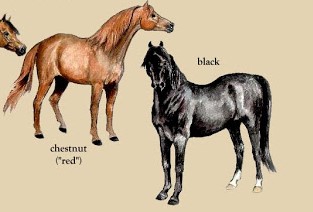
If a homozygous dominant horse is crossed with a chesnut colored horse, then what are the chances they will have a foal (a baby horse) with chesnut colored hair?
1 point
1
Question 4
4.
What would the phenotype of the foal produced in the previous quesiton be?
1 point
1
Question 5
5.
If the horse that was produced in the previous question #3, is crossed with a horse that looks black but is heterozygous for coat color, what would the genotypic ratio of the offspring be?
1 point
1
Question 6
6.
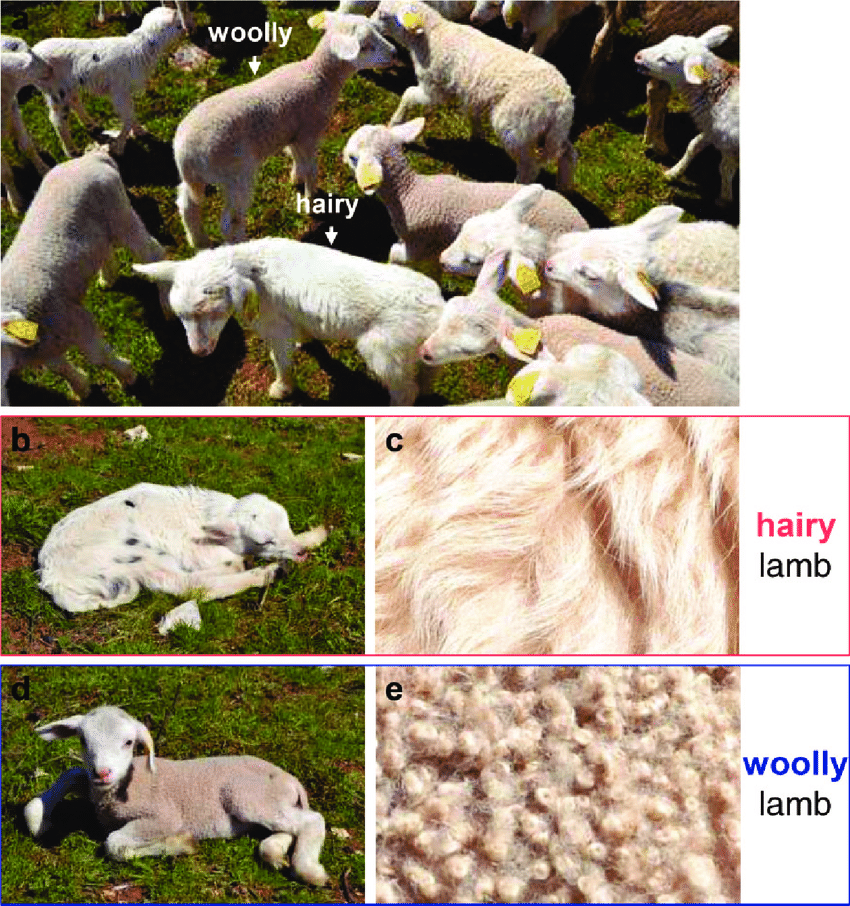
In sheep, having hairy fleece (F) is dominant to having woolly fleece (f).
If a farmer wants to increase the number of sheep in their herd with woolly fleece, what P generation or parental cross should they use during mating season?
1 point
1
Question 7
7.
If a woolly fleece sheep is crossed with a sheep that is heterozygous for the fleece gene. What are the chances that a hairy fleece sheep will be produced?
1 point
1
Question 8
8.
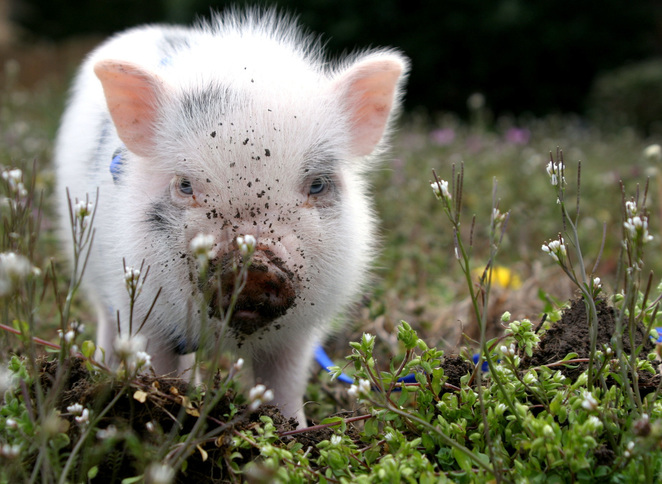
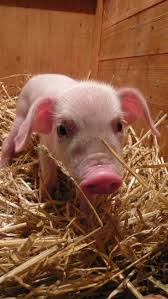
In pigs, having erect ears that stick up (E) is dominant to having droopy ears (e).
If a pig has droopy ears what must its genotype be?
1 point
1
Question 9
9.
One homozygous dominant pig with adorable ears that stick up is crossed with a droopy eared pig. What are the possible phenotypes of their offspring in the F1 generation?
1 point
1
Question 10
10.
If two piglets produced in the F1 generation from the question above are crossed, what is the expected phenotypic ratio of their offspring?
1 point
1
Question 11
11.
Sniffles, an adorable male mouse with a colored coat was mated with Esmeralda, an alluring albino/white mouse. The resulting litter of six young mice all had colored fur. The next time around, Esmeralda was mated with Whiskers (poor Sniffles), who was the same color as Sniffles. Some of Esmeralda’s next litter were white.
Perform the cross between Sniffles and Esmeralda in this Punnett square.
Sniffles' genotype must be:
1 point
1
Question 12
12.
Esmeralda's genotype must be:
1 point
1
Question 13
13.
Perform the cross between Esmeralda and Whiskers in this Punnett square to confirm the genotype of Whiskers.
Whisker's genotype must be:
1 point
1
Question 14
14.
If a male that was fathred by Sniffles is crossed with a colored coat female that was fathered by Whiskers, what are the chances of obtaining a white mouse from this cross? Show your work!
1 point
1
Question 15
15.
If a male that was fathred by Sniffles in the first litter was crossed with an albino female from the second littler, fathered by Whiskers, what are the chances of obtaining a colored mouse from this cross? Show your work!