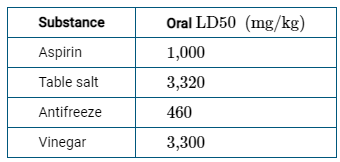
Table salt is the most toxic substance in the table
Aspirin is less toxic than vinegar
Table salt is more toxic than vinegar
Malaria
Zika
Tuberculosis
Cholera
Heavy metals
A carcinogen
An endocrine disruptor
Nitrogen fertilizers
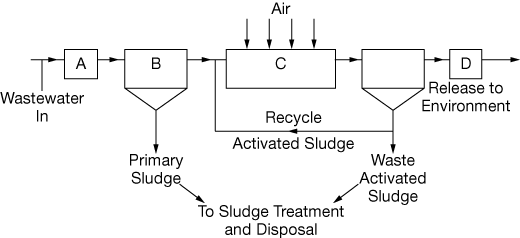
A
B
C
D
50 g/cm3
500 g/cm3
1,000 g/cm3
1,500 g/cm3
Extensive use of pesticides accelerates the rate at which succession occurs in agricultural areas
Pests and other organisms affected by the pesticide are permanently removed from the area where the pesticide is applied
Pesticides may harm organisms other than the target crop pests through biomagnification in the food web
Crops grow more quickly without pests present, taking up water quickly and leading to salinization of soils.
Water sampled later in the day may be warmer and therefore have higher dissolved oxygen levels
Water sampled later in the day may be warmer and therefore have lower dissolved oxygen levels
Water sampled later in the day may have decreased macroinvertebrate respiration and therefore lower dissolved oxygen levels
Water sampled later in the day may have increased macroinvertebrate respiration and therefore higher dissolved oxygen levels
A
B
C
D
Macroinvertebrates can be collected to evaluate the effect of various test parameters such as dissolved oxygen, nitrites, and pH at the time that the sample was taken.
Macroinvertebrates are top predators, so they are often used in determining whether toxins will bioaccumulate or biomagnify in an aquatic environment.
Macroinvertebrates live in an aquatic ecosystem for a long enough time to show the chronic effects of pollutants, and many tend to remain in the same area throughout their life span.
Macroinvertebrates migrate long distances to feed or reproduce, and they have a low tolerance to pollutants.
Dysentery
Cholera
Mesothelioma
Asthma
A
B
C
D
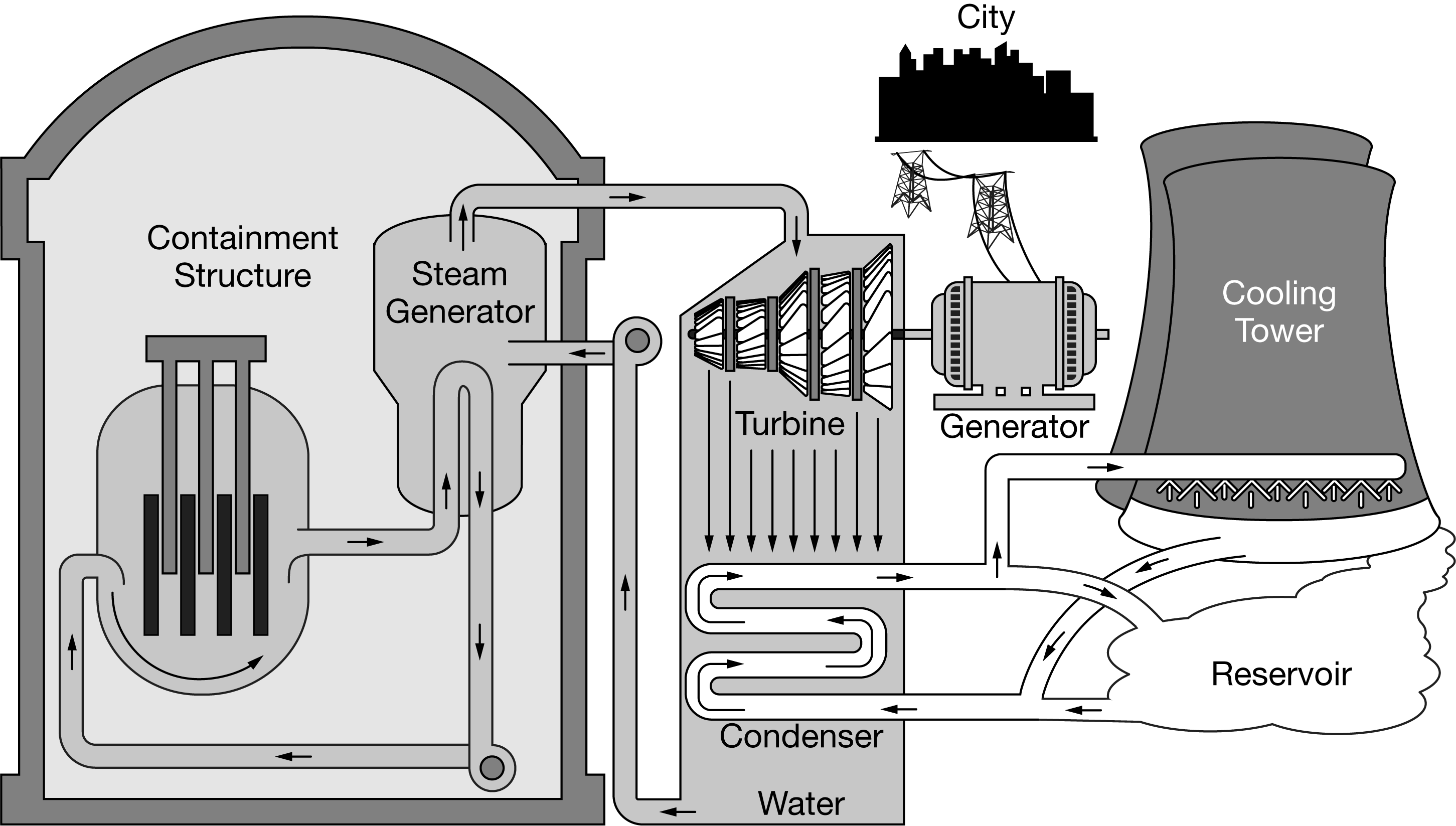
The diagram shows a power plant designed to generate electricity for a nearby city.
The temperature of the released water causes a decrease in the amount of dissolved oxygen in the reservoir
Ash from the power plant is dissolved in the released water and will precipitate out into the reservoir
The released water is radioactive and is lethal to a variety of organisms in the reservoir
Chemical pollutants in the released water cause algal blooms in the reservoir
Drainage from an abandoned mine
Overflow from a sewage treatment plant
Outgassing from a municipal landfill
Runoff from agricultural fields
Many synthetic chemicals, such as PCBs, are endocrine disruptors. Which trophic level will be impacted the most by these persistent organic pollutants (POPs)
Decomposers
Parasites
Primary producers
Secondary consumers
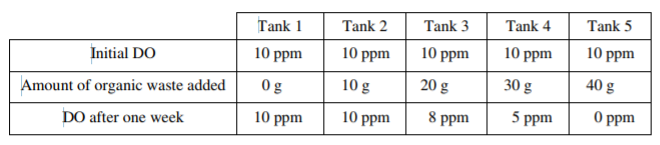
What is the main purpose of the experiment?

To determine how much O2 the algae can produce
To show how much CO2 is consumed by decomposition
To observe the effect of organic waste on DO
To collect data to determine how waste in water can be useful
Release radioactive isotopes when they decompose
Decompose to produce methane, which is explosive and creates a significant hazard
Decompose readily in water and become a source of water pollution
Decompose slowly, if at all, and persist as solid waste
Release of disease organisms
Leachate contamination of groundwater
Compaction and settling
Generation of CO2 gas
Restoration
Preservation
Mitigation
Remediation
Absorbed by plants and then biomagnified in both terrestrial and aquatic food chains
Leached from landfills in the form of Al3+ ions that could increase the pH of lakes and streams
Produced from recycled metal using much less energy than is required for its production from aluminum ore
Produced from ore that is scarce and found primarily in remote, inhospitable regions at high latitudes
Synergism
Biomagnification
Compound contamination
Threshold effect
Asphyxiation from lack of oxygen
Toxic pH levels in the water
A lack of sufficient minerals in the water
Toxic levels of mercury in the water
Promoting the use of reusable containers for consumer goods such as reuseable water bottles
Recovering plastic packaging material from the waste stream and recycling it
Using more packaging materials that are manufactured from raw materials that are renewable
Limiting the size of individual beverage containers made from metal, glass, or plastic