Log in
Sign up for FREE
arrow_back
Library

Science Midterm -2nd Sem. 2021

star
star
star
star
star
Last updated about 5 years ago
15 questions
1
1
1
1
1
1
1
1
1
1
1
1
1
1
1
Question 1
1.

Question 2
2.

Question 3
3.

Question 4
4.

Question 5
5.

Question 6
6.

Question 7
7.

Question 8
8.

Question 9
9.

Question 10
10.

Question 11
11.

Question 12
12.

Question 13
13.

Question 14
14.

Question 15
15.


Which one is NOT an example of heat transfer?
an ice cube melting on a metal block
a lit candle under a glass of water
a cup that has sat out for more than 3 hours and is at room temperature
a hot cup of coffee of 160 degrees is placed in a room where room temperature is 70 degrees
Over a flame, why does water temperature increase?
Water loses thermal energy
Water stays at room temperature
Water gains thermal energy
The glass loses thermal energy
When your warm hand is shaking a person's cold hand which direction is the thermal energy traveling?
Thermal energy travels from the cold hand to warm hand
Thermal energy stays in the same hand
Thermal energy travels back to where it started
Thermal energy travels from the warm hand to the cold hand
Metal is a(n) ________________ of thermal energy
conductor
insulator
Styrofoam is a(n)__________________ of thermal energy
conductor
insulator
Temperature is the measure of the average kinetic energy of a substance.
True
False
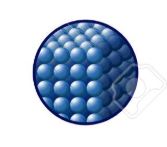
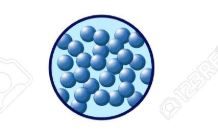
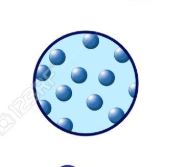
These are pictures of molecules in certain states. Drag and Drop one on the left to the correct one on the right.
Item 2
Item 1
solid
liquid
gas
In the picture above, thermal energy is being transfered from ___________ to __________
pole to tongue
tongue to pole
skin to tongue
pole to air
Which best describes the particles in a solid?
close together and moving freely
far apart and moving freely
close together and vibrating in place
far apart and vibrating in place
6. This system supports the body and gives it structure.
The skeletal system
The integumentary system
The muscular system
The circulatory system
This system carries food and oxygen to all the cells of your body.
The circulatory system
The muscular system
The skeletal system
The integumentary system
This system covers your whole body and protects you from injury and infection.
The muscular system
The integumentary system
the digestive system
The respiratory system
This system takes in oxygen and disposes of carbon dioxide.
The circulatory system
The digestive system
The muscular system
The respiratory system
This system pulls on your skeleton to make you move.
The muscular system
The skeletal system
The integumentary system
The digestive system