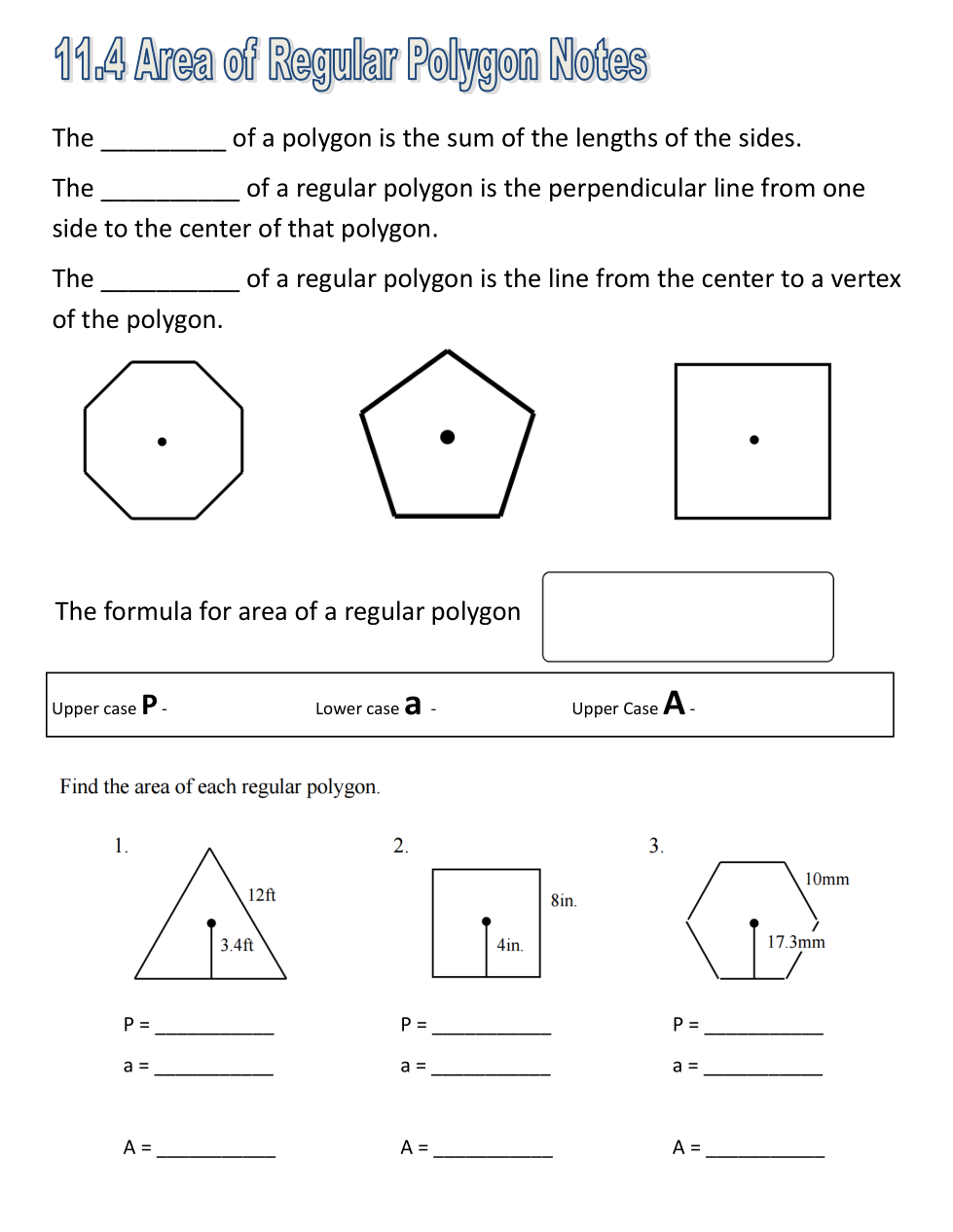
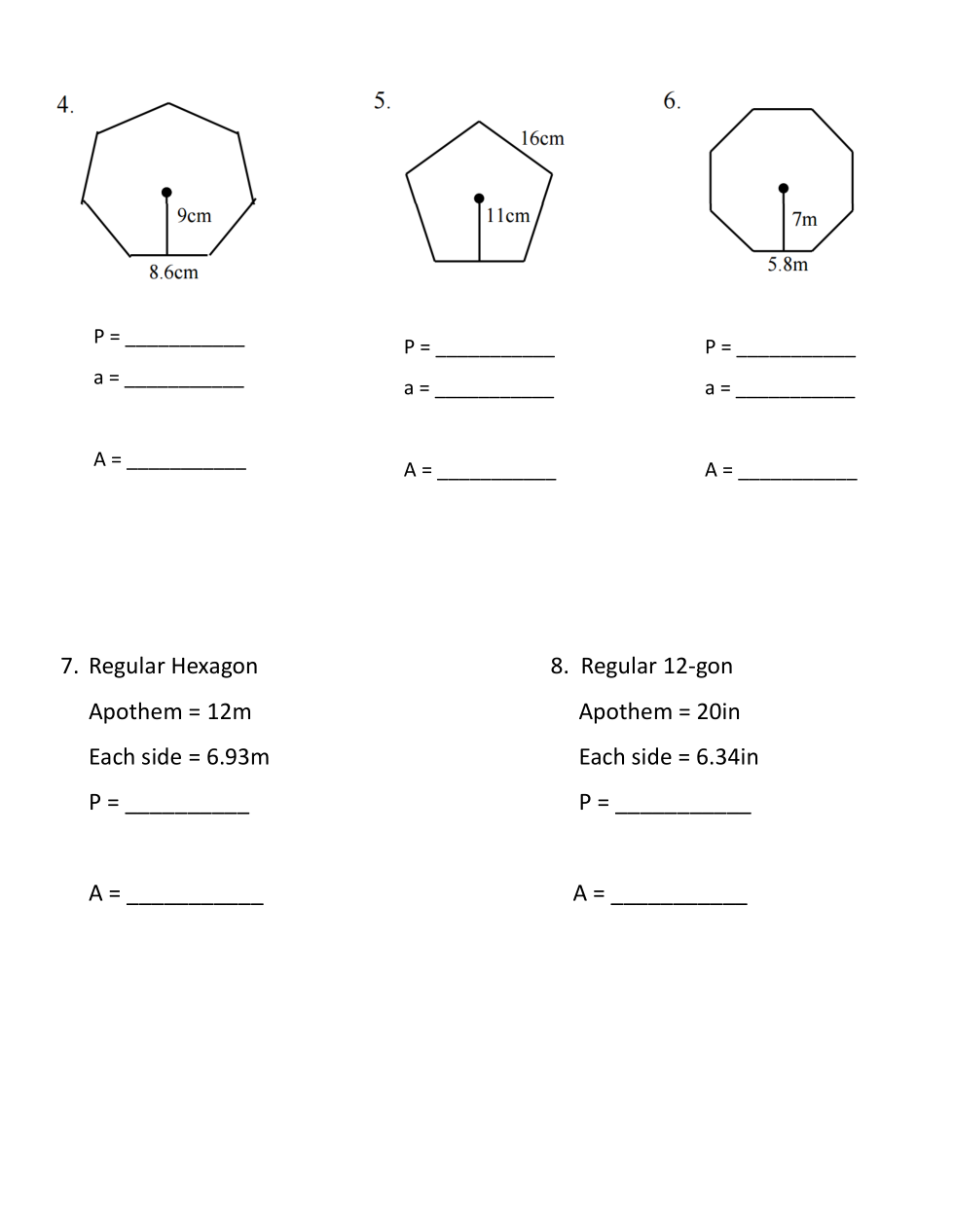
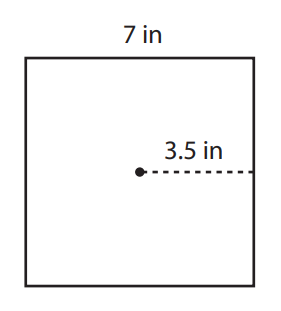
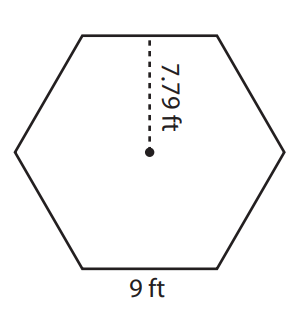
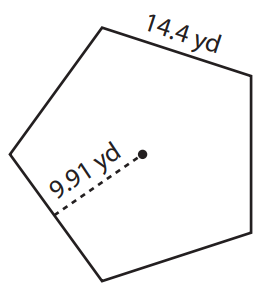
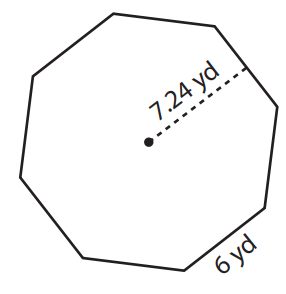
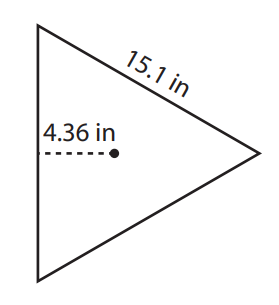
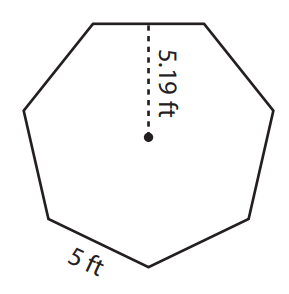
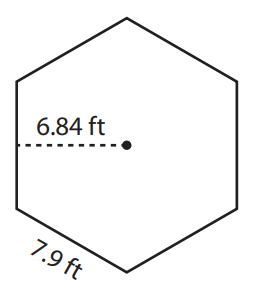
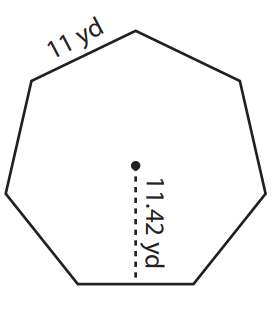
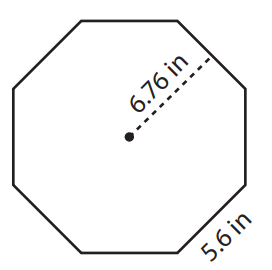
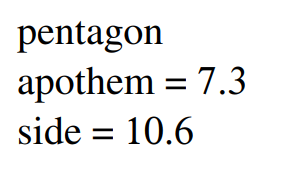
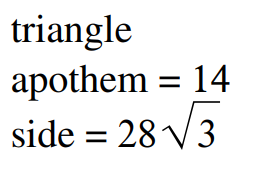
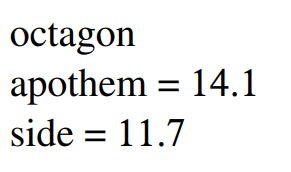
Area of a regular polygon is equal to the apothem times the perimeter of the shape divided by 2.
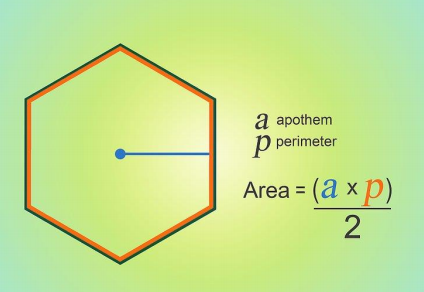
The blue line in this picture is the apothem.
The perimeter is the sum of all the outside edges.
Multiply the apothem to the perimeter, then divide by 2 and you have the area of regular polygon.
This only works with regular polygon though.
A regular polygon is a polygon where all the sides of the polygon are the same length.
As an example.
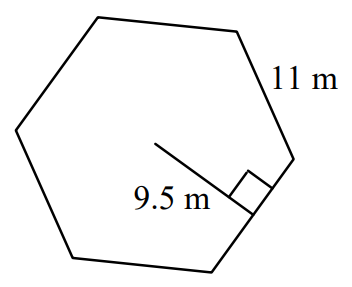
The apothem of this hexagon is 9.5 meters long.
The perimeter of this hexagon would be 66 meters long. Because 11 x 6 sides gives you 66 m.
So 9.5 x 66 = 627
Then divide 627 by 2
627/2 = 313.5
So the area of this hexagon is 313.5 m²