Data in Real-world Contexts
star
star
star
star
star
Last updated about 4 years ago
2 Nsɛmmisa
1
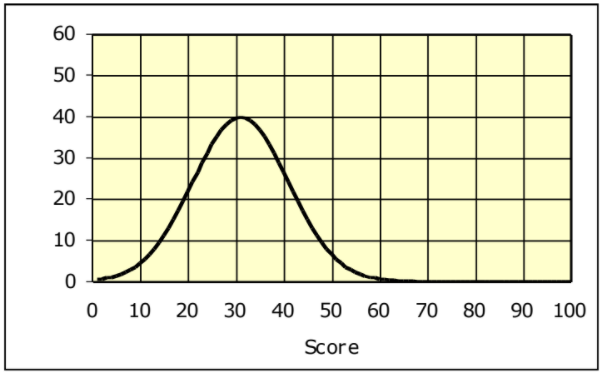
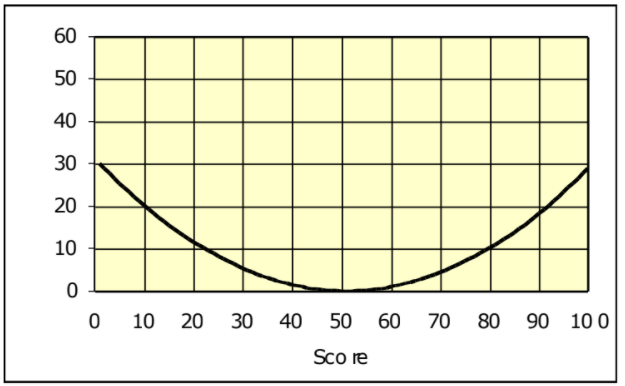
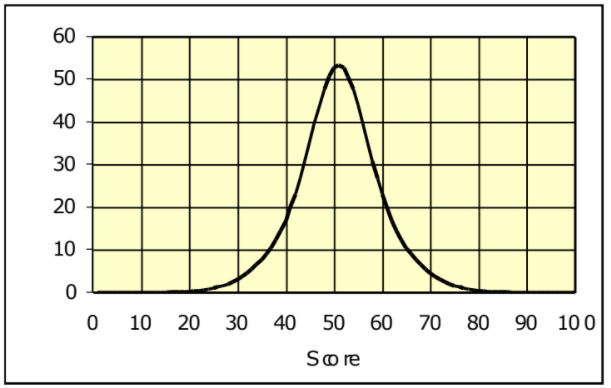
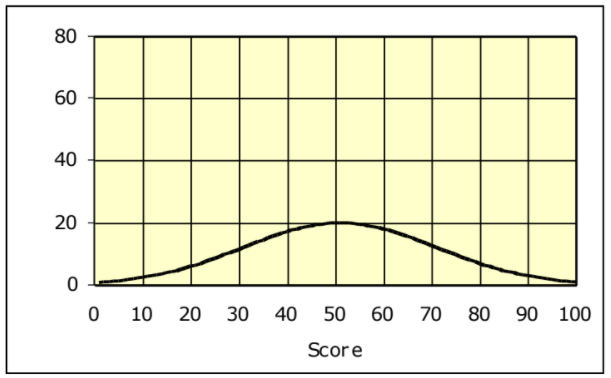
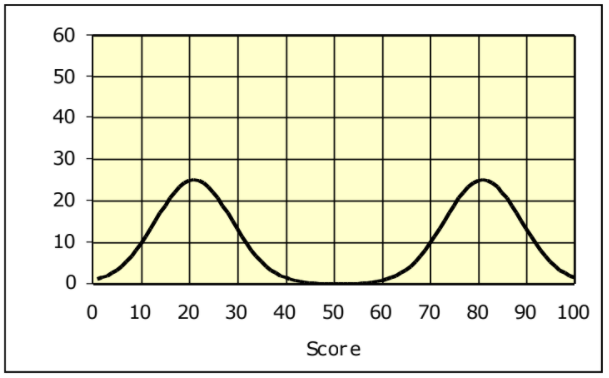
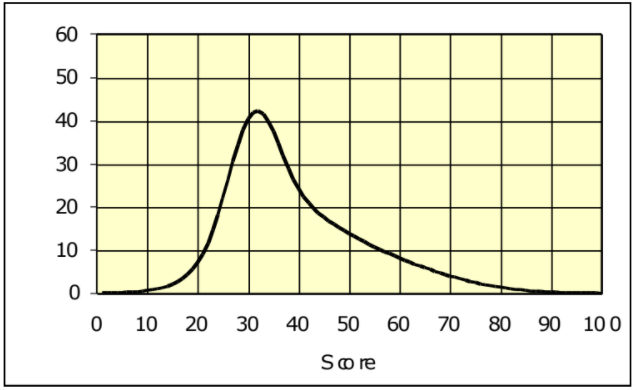
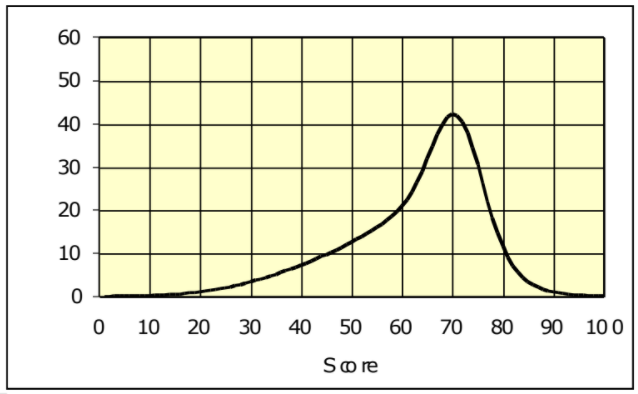
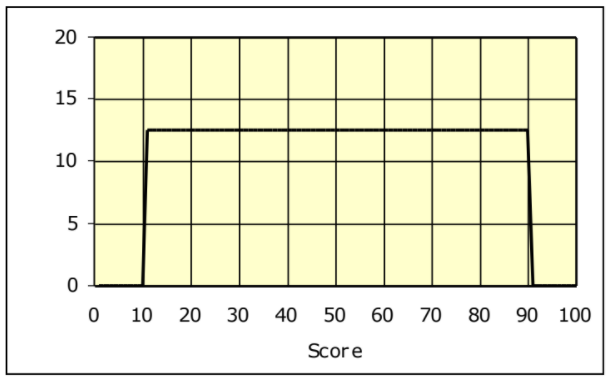
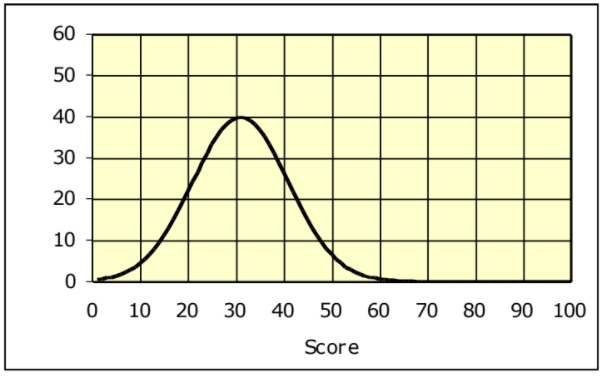
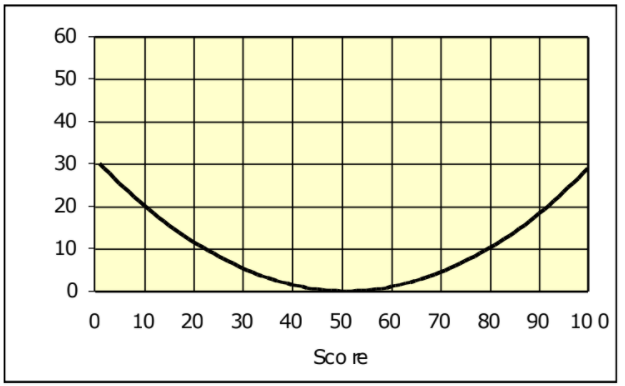
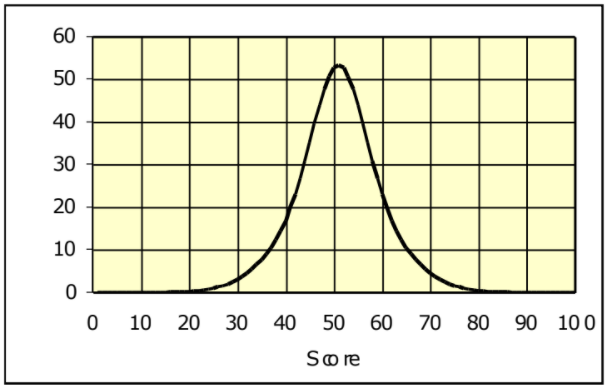
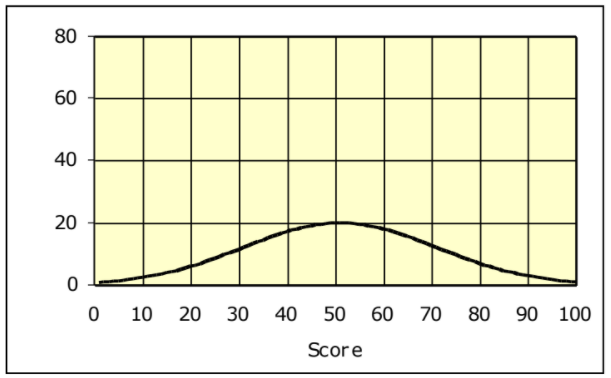
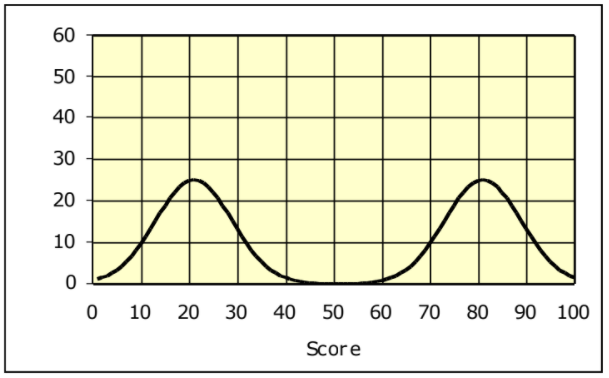
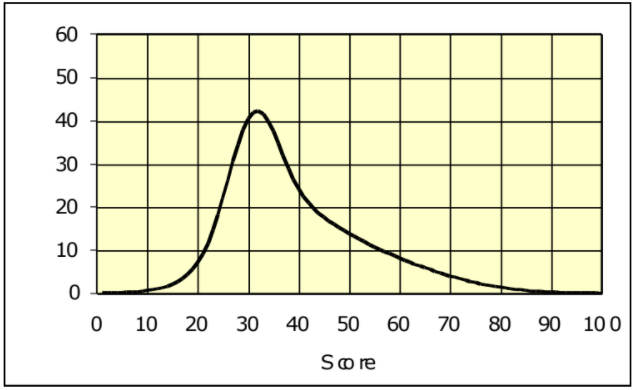
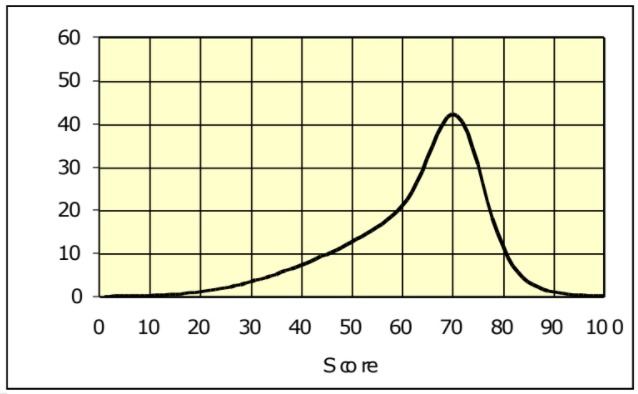
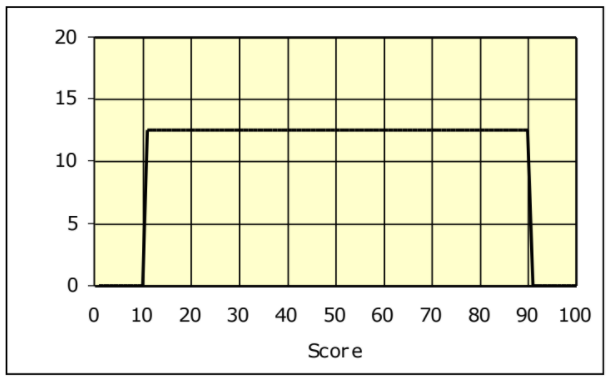
Match the scenario cards to the correct frequency graphs.
Match the scenario cards to the correct frequency graphs.
| Draggable item | arrow_right_alt | Corresponding Item |
|---|---|---|
This test resulted in a huge range of scores. Everyone could do something but nobody could do it all. | arrow_right_alt | |
This test did not sort out the stronger students from the weaker ones. They all got similar scores. | arrow_right_alt | |
In this test, the median score was greater than the mode score. | arrow_right_alt | |
In this test, the median score was smaller than the mode score. | arrow_right_alt | |
This was the sort of test where you could either do everything or you couldn’t get started. | arrow_right_alt | |
This test was much too difficult for most people. | arrow_right_alt | |
Two groups of students took the test. One group had studied the work for two years. The other group had only just begun. | arrow_right_alt | |
In this test, the median and the mode scores were the same. There was a very big range of scores. | arrow_right_alt |
1