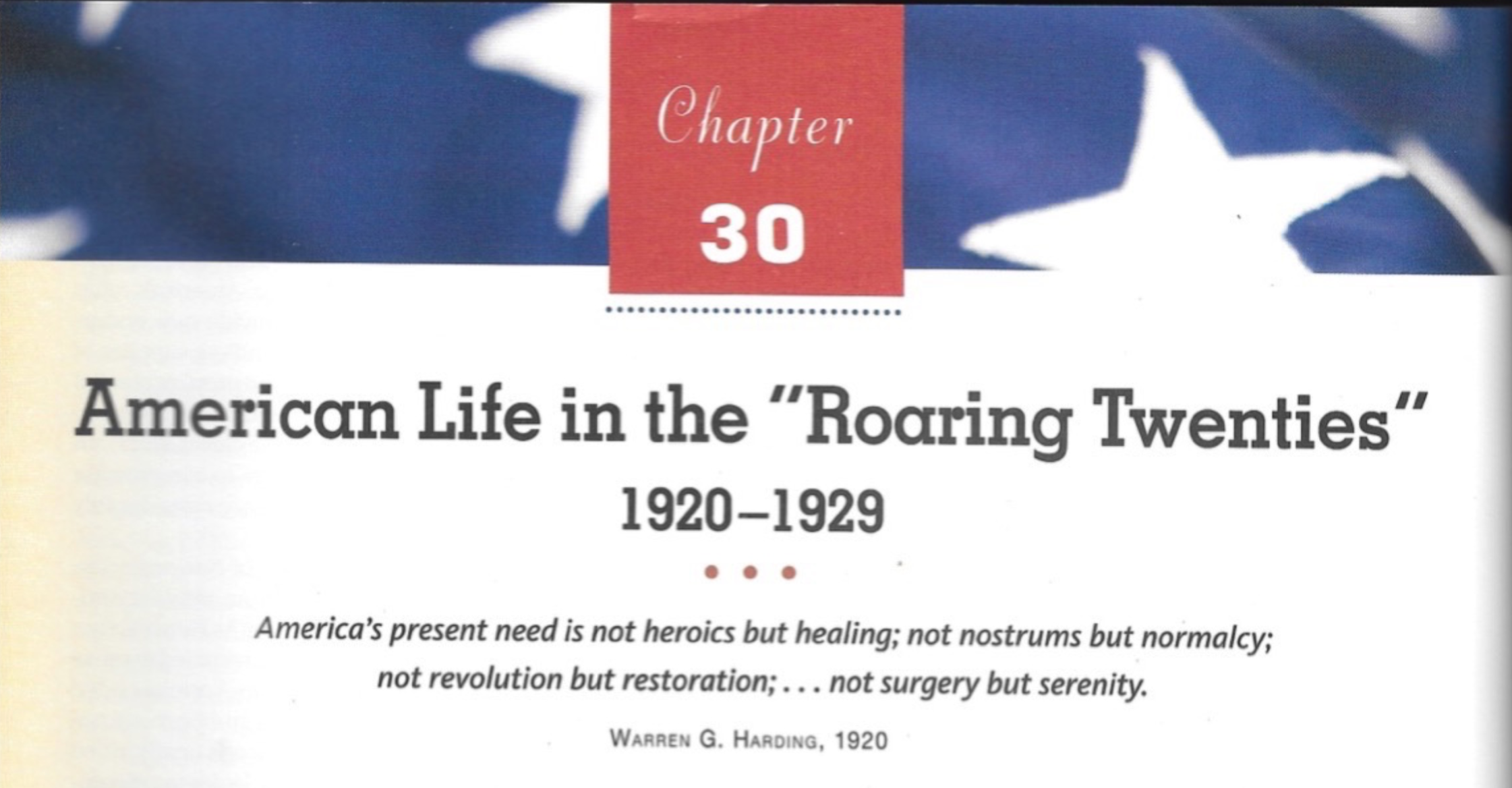
APUSH Chapter 30, Part 1 - American Life in the Roaring 20's (1920-1929)
star
star
star
star
star
Last updated about 2 years ago
11 Nsɛmmisa
1
IIWD.01
0
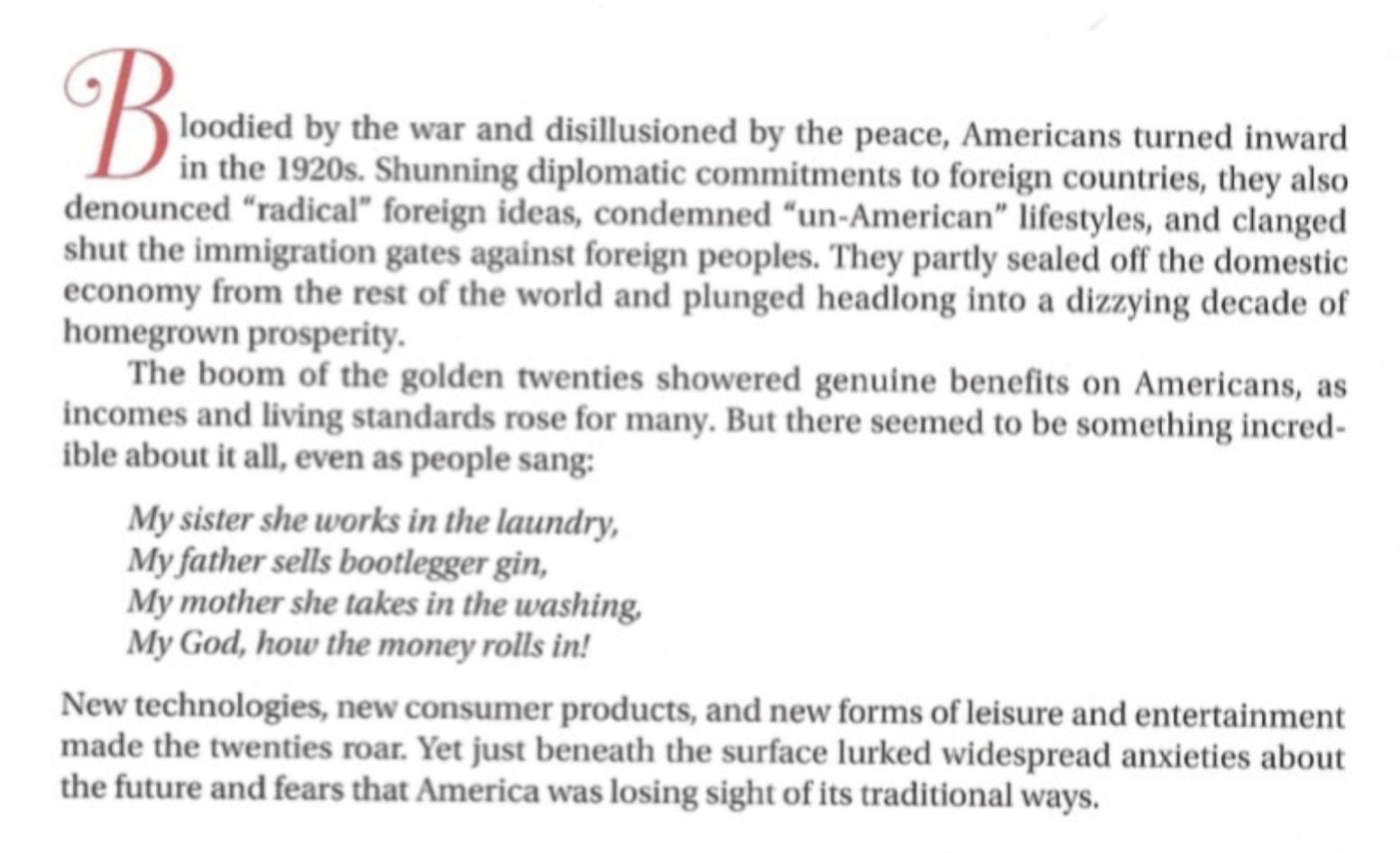
World War I tldr; America was initially reluctant to enter the First World War due to isolationism stemming all the way back to Washignton's Farewell Address and the "America first" mentality of nativism. We eventually joined WWI after discovery of the Zimmerman telegram, which revealed a potential alliance between Germany and Mexico to regain territories lost in the Mexican-American War.
Allied Powers: Won
Great Britain, the United States, France
Axis Powers: Lost
Germany, Austria-Hungary, and the Ottoman Empire (which no longer exists)

The passage indicates that, at its peak in the mid-1920s, the revived Ku Klux Klan

The passage suggests that the restrictive immigration laws of the 1920s reflected

Data in the graph provides the most direct support for which idea in the passage?
As used in line 5, "chorus" most nearly means

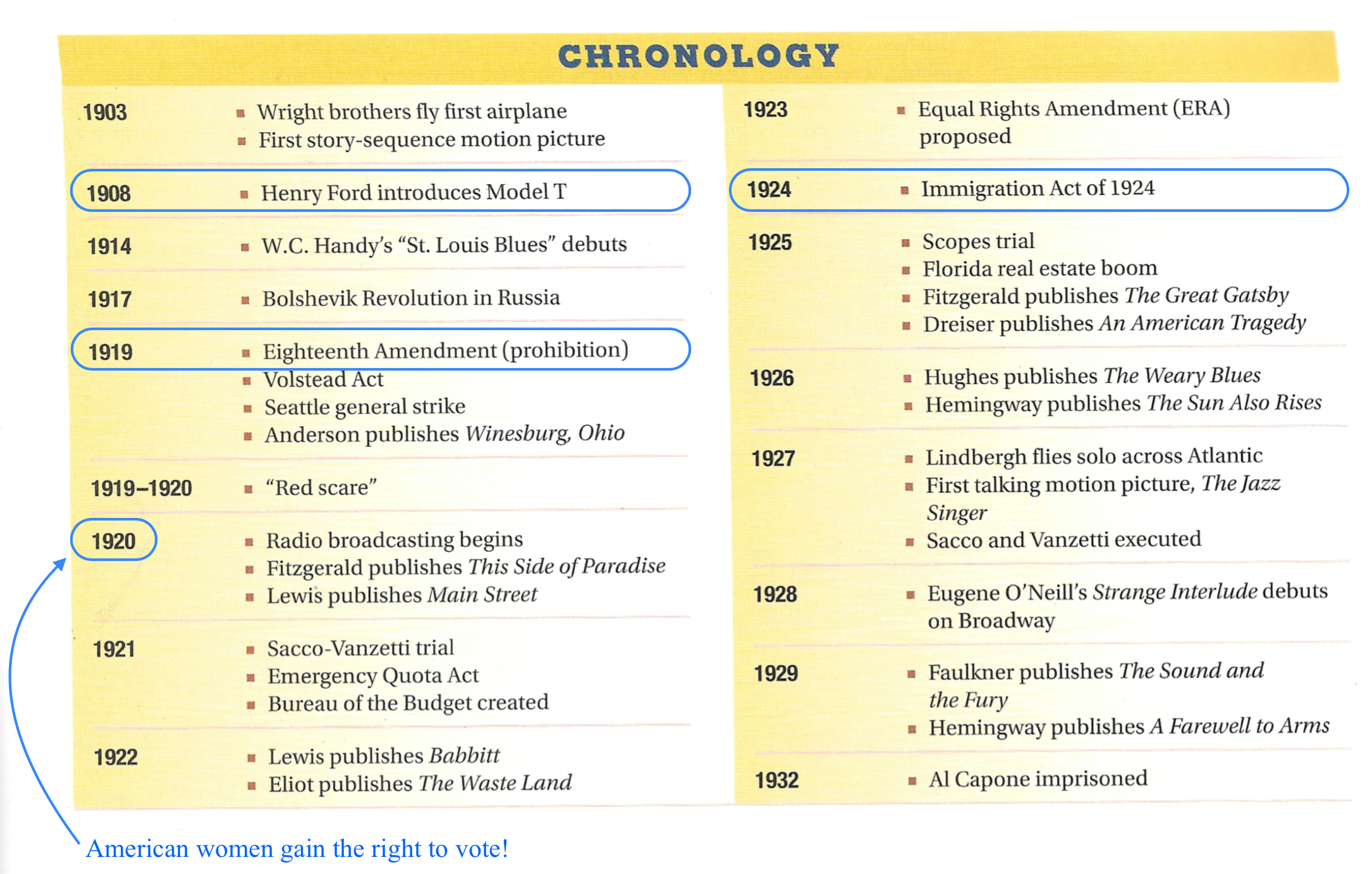
Review: The Prohibition movement stemmed from
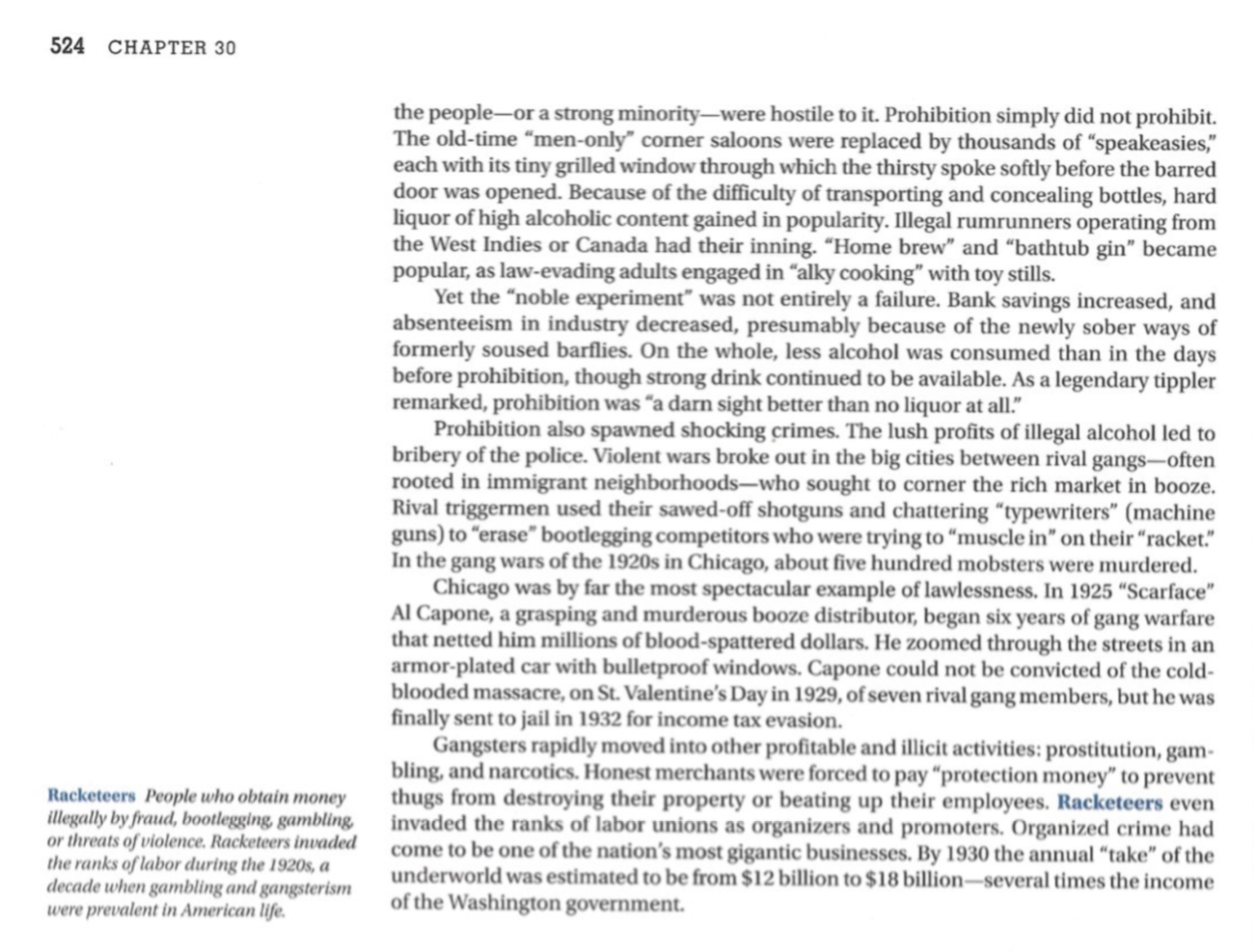
It can be reasonably inferred that, during the Prohibition era, organized crime
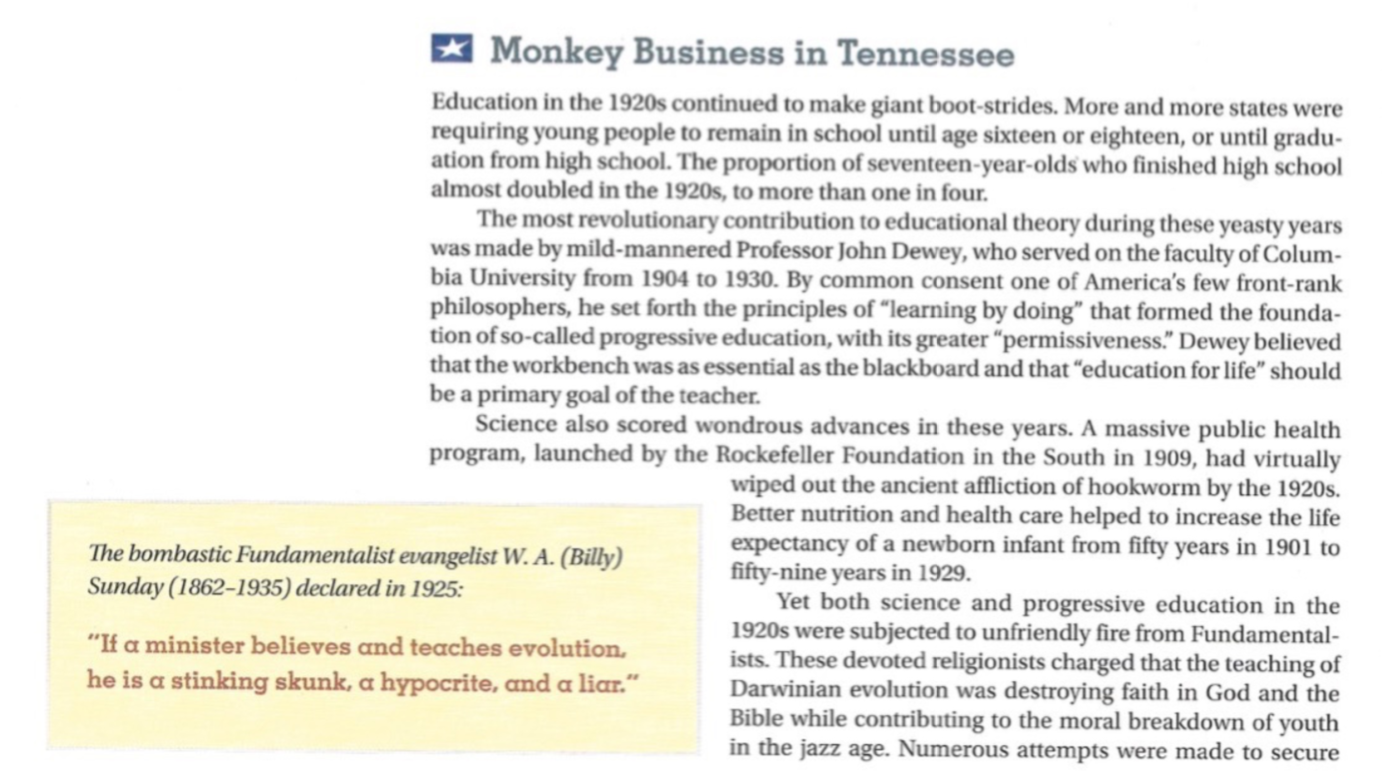
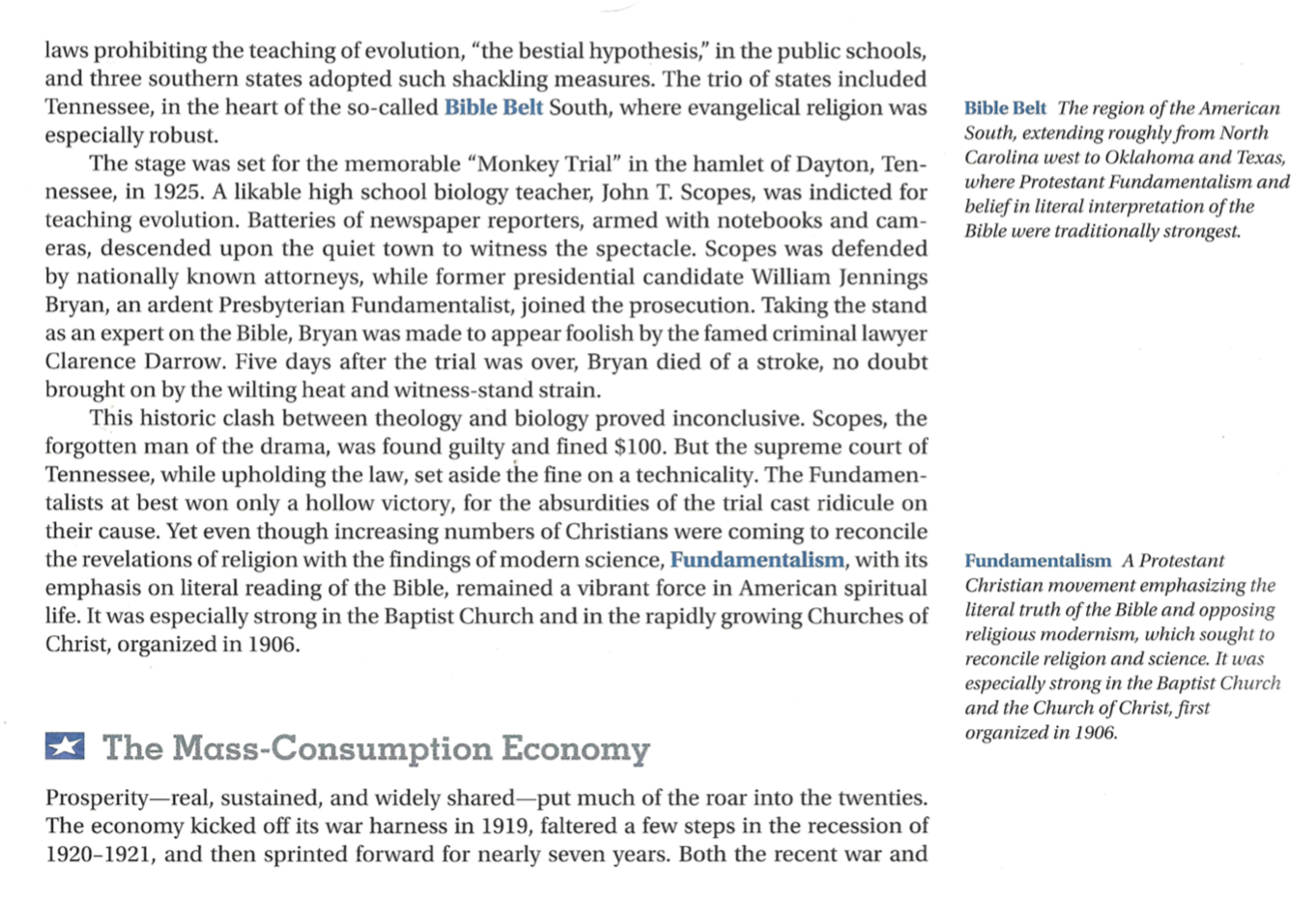
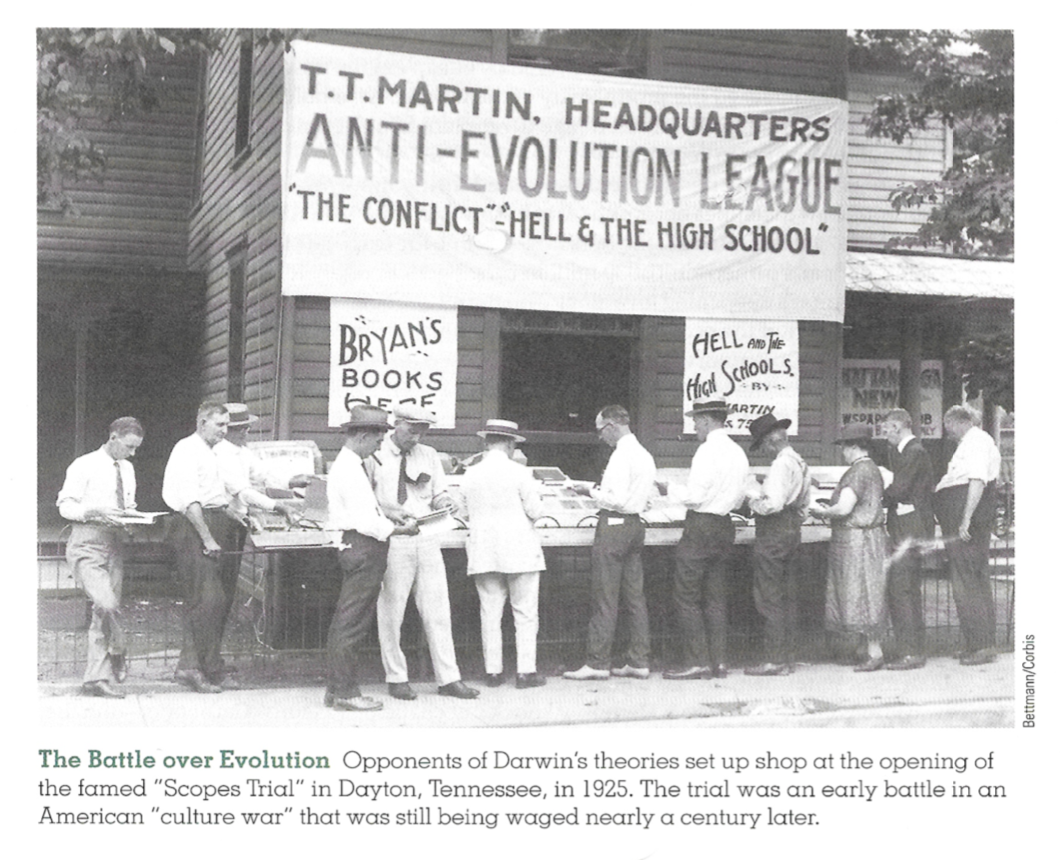
The central issue of the Scopes "Monkey Trial" was
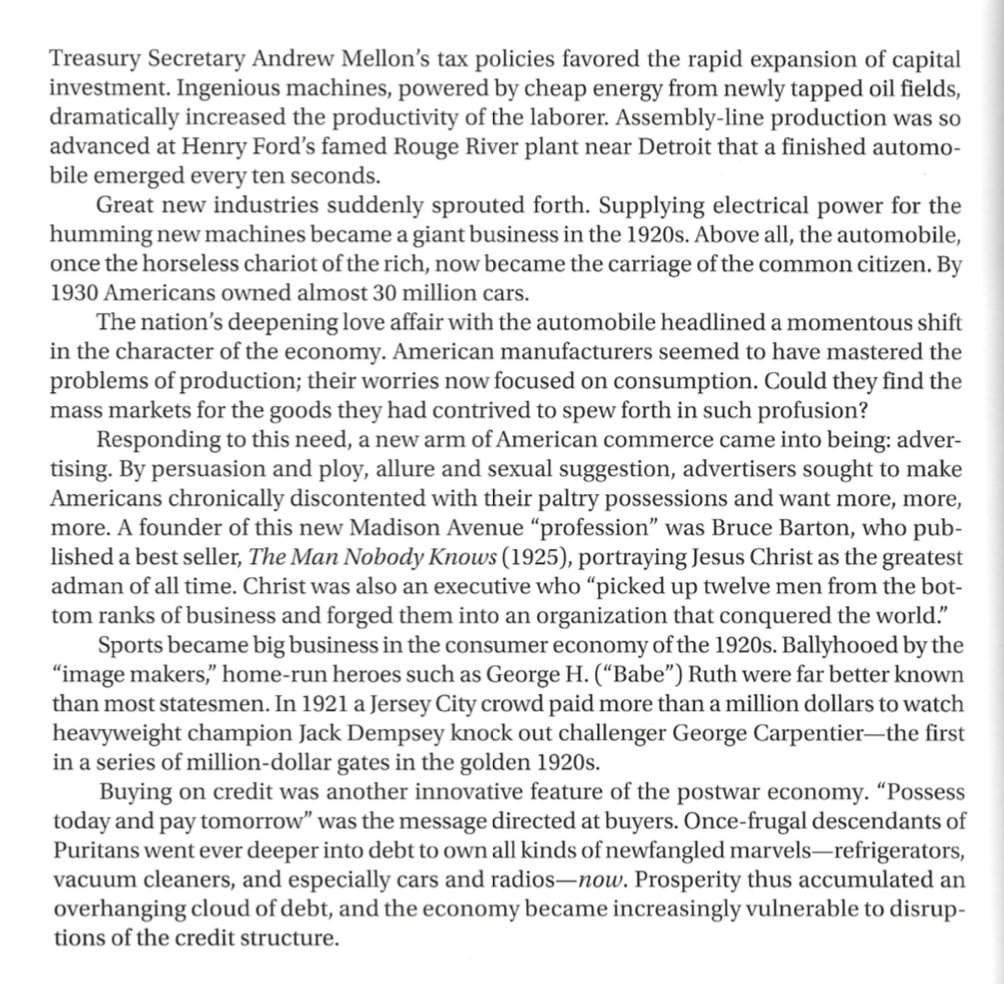
A significant cloud that hung over the prosperity of the 1920s was the
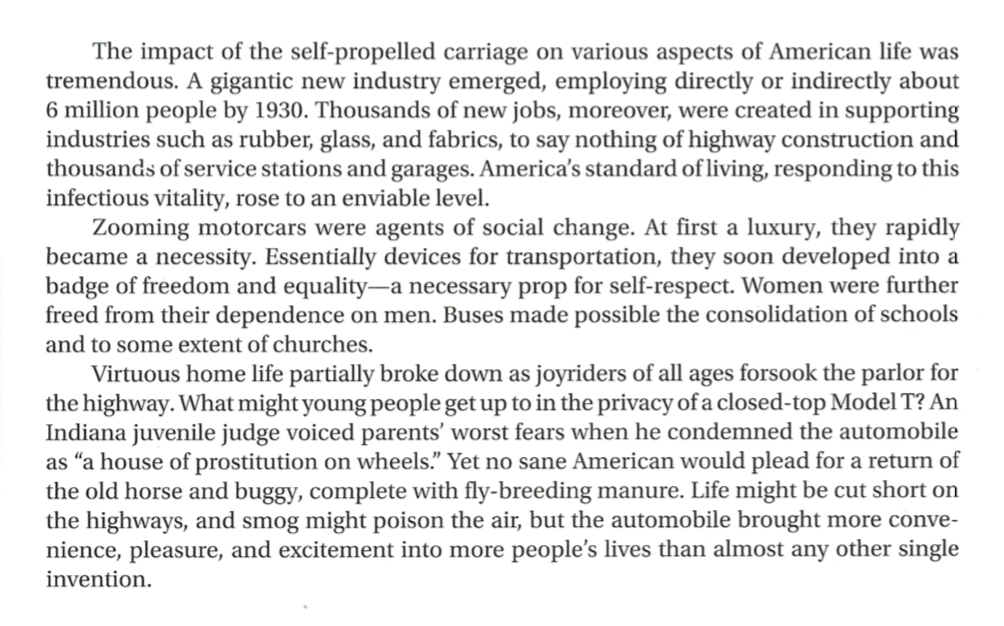
As used in line 9, "badge" most nearly means
Do you have any feedback or questions about the Formative reading or comprehension questions that you want to go over in class?
Which choice provides the best evidence for the answer to the previous question?