Log in
Sign up for FREE
arrow_back
Library

Unit 9 MCQ Exam

star
star
star
star
star
Last updated 10 months ago
25 questions
1
1
1
1
1
1
1
1
1
1
1
1
1
1
1
1
1
1
1
1
1
1
1
1
1
Question 1
1.

Question 2
2.

Question 3
3.

Question 4
4.


Question 5
5.

Question 6
6.


Question 7
7.


Question 8
8.


Question 9
9.

Question 10
10.


Question 11
11.


Question 12
12.


Question 13
13.


Question 14
14.


Question 15
15.


Question 16
16.

Question 17
17.


Question 18
18.

Question 19
19.

Question 20
20.

Question 21
21.


Question 22
22.


Question 23
23.


Question 24
24.

Question 25
25.

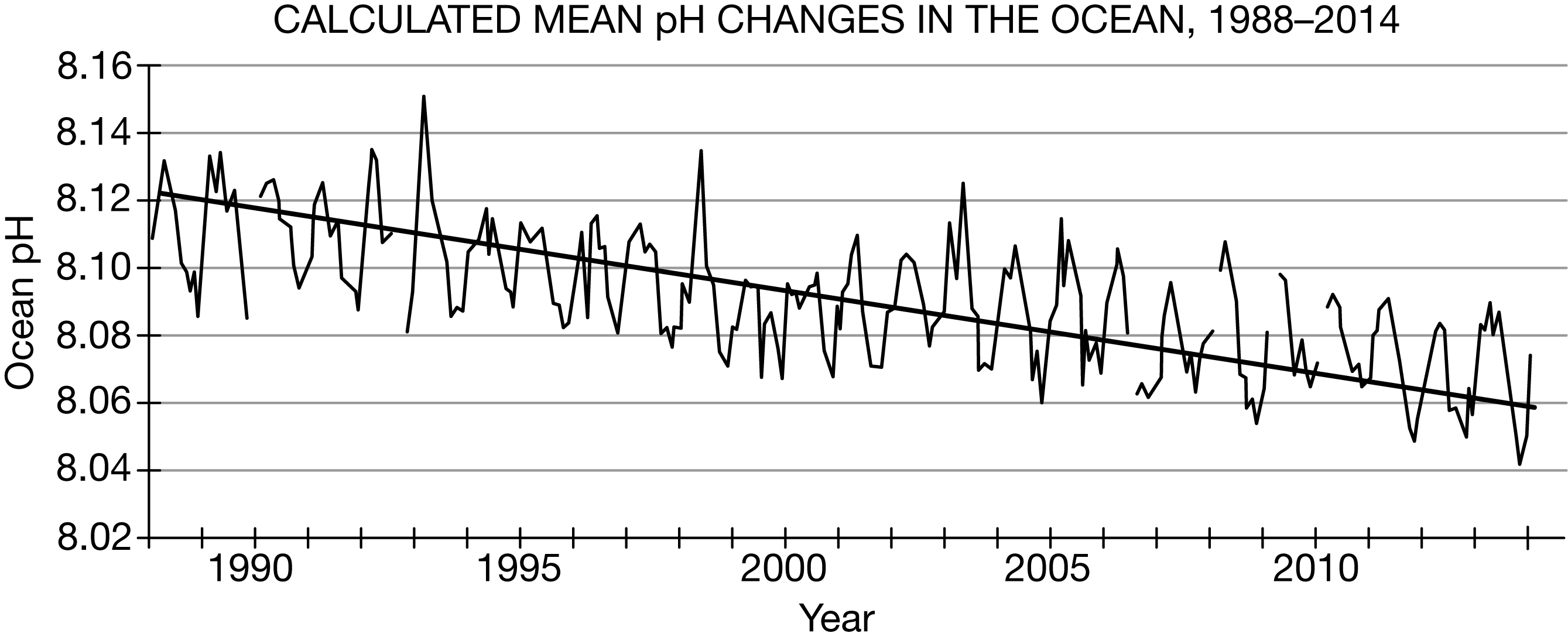
3 mm per year
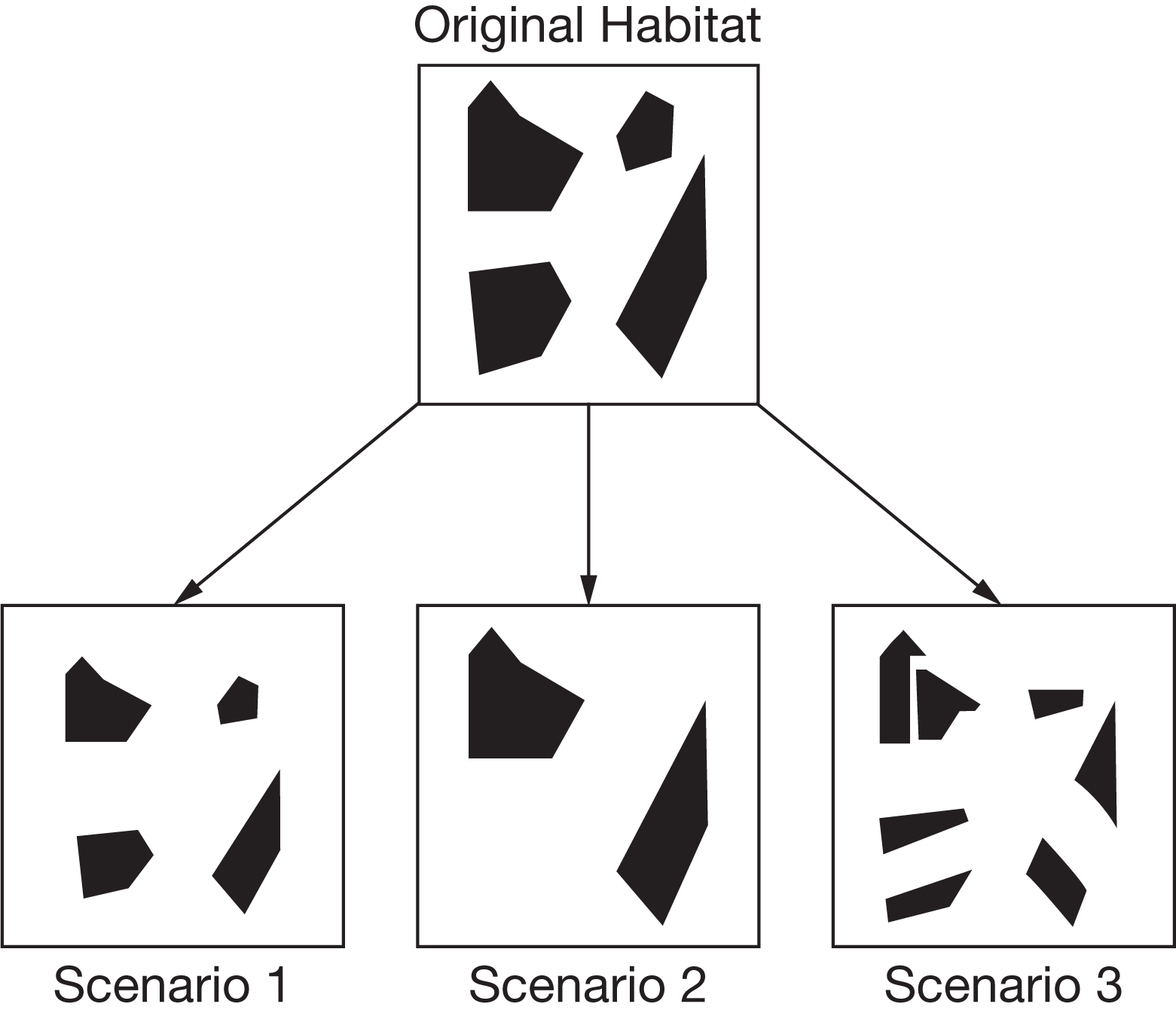
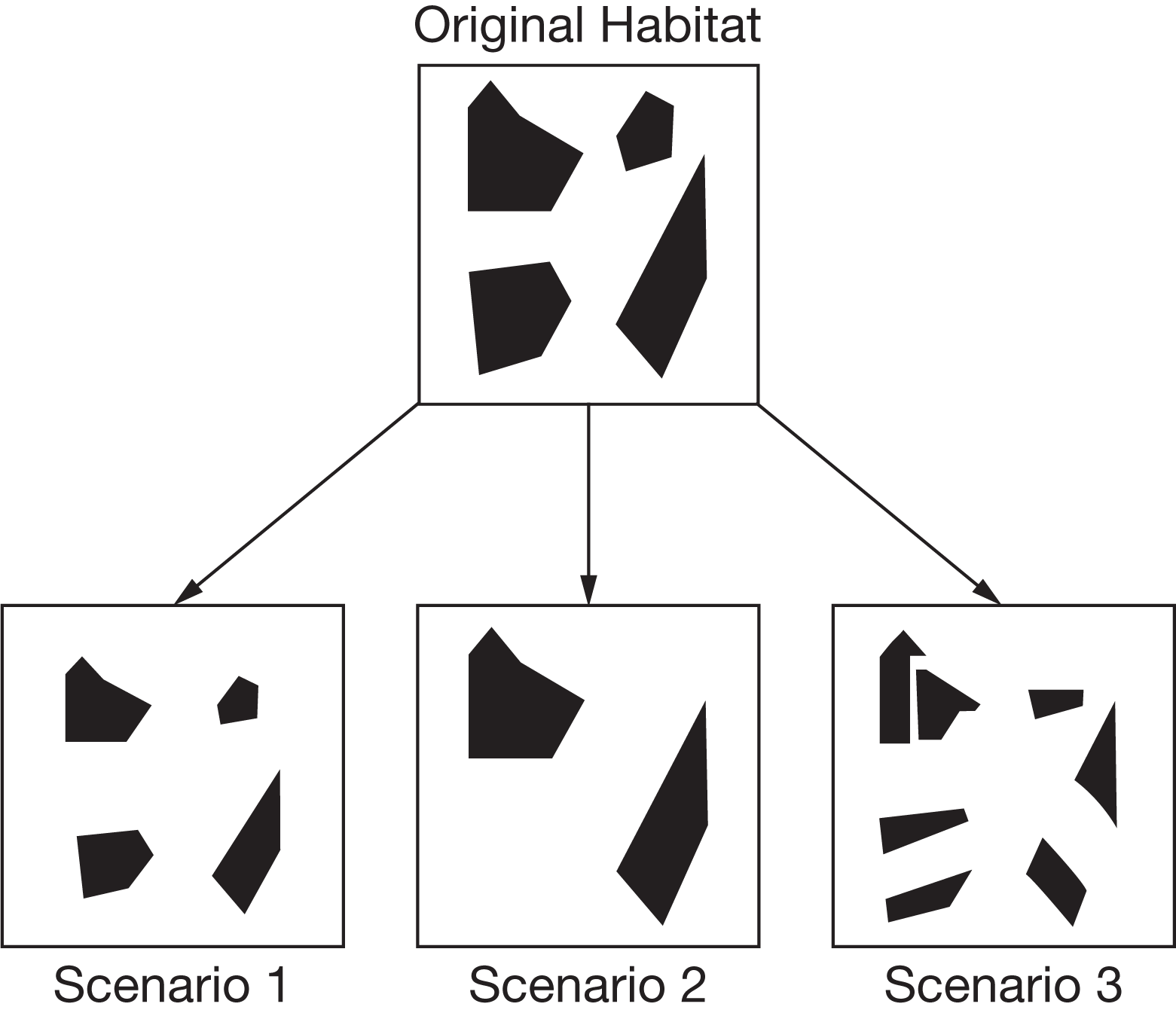
The increased edge-to-interior ratio resulted in habitat fragmentation and the formation of smaller, more manageable parcels of land
Habitat corridors were built to allow individuals between populations to mate, which helped to prevent inbreeding and reduce the genetic diversity often found in isolated populations
Scenario 1 experienced habitat fragmentation, while Scenarios 2 and 3 experienced habitat loss only
Scenarios 1 and 2 experienced habitat loss, while Scenarios 3 experienced habitat fragmentation only
Decreased precipitation would eliminate habitat patches
Increased sea level would reduce the size of the habitat patches
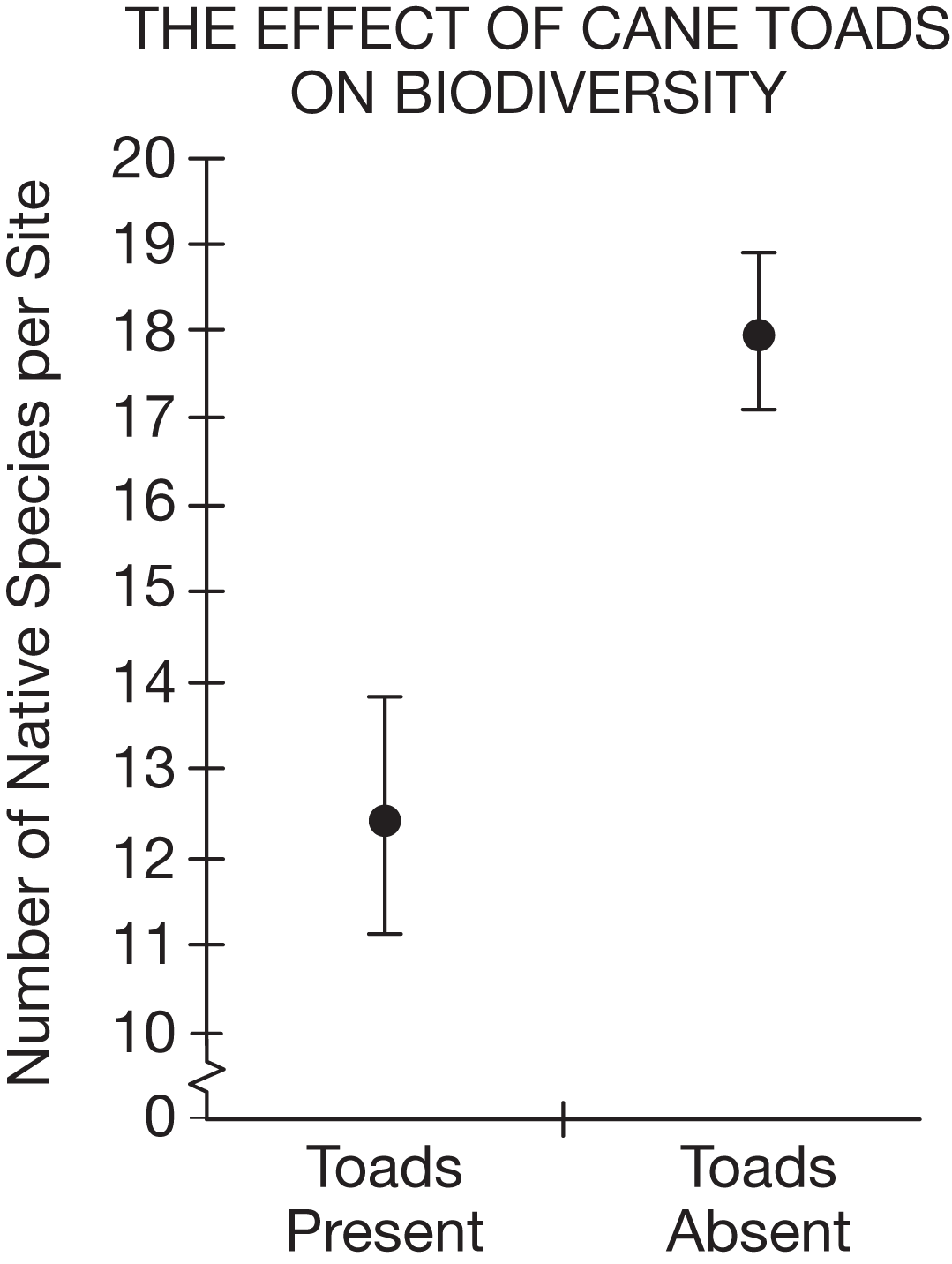
The results do not support the researchers’ hypothesis because there is less biodiversity at sites without cane toads.
The results do not support the researchers’ hypothesis because there is less biodiversity at sites with cane toads
The Montreal Protocol reduced stratospheric ozone depletion by increasing the reliance on CFCs in industrial processes. Based on the graph, the increase in global CFC production from 1960 to 1970 demonstrates the success of the protocol by substituting ozone-depleting substances with CFCs
The ban on CFCs led to a decrease of CFC-11 and CFC-12 production by more than 15% between 1978 and 1980, which supports the ban as an effective solution to reduce global CFC production
The ban on CFCs also led to a decrease in HCFC production beginning in 1980, reducing the reliance on chlorinated chemicals used in industrial processes and greatly reducing stratospheric ozone depletion
400 times greater
A decrease in CO2 concentration preceded an increase in Antarctic temperature
An increase in Antarctic temperature preceded a decrease in CO2 concentration
CO2 concentrations and Antarctic temperatures have cycled approximately every 50,000 years, and present-day values for both variables are the highest they have been in 800,000 years

CO2 concentrations and Antarctic temperatures have cycled approximately every 50,000 years, and the present-day value for CO2 concentration is the highest it has been in 800,000 years

Increased atmospheric CO2 concentrations from the burning of fossil fuels and vehicle emissions are contributing to ocean acidification
Increased atmospheric NOx concentrations from fertilizers and livestock operations are contributing to a decrease in acid deposition in the ocean
CH4+2O2→CO2+2H2O
CO2+Ca++CO32−→CaCO3
North Atlantic right whales are currently being overhunted and are therefore at an increased risk of extinction
Expand the range of conservation areas meant to protect the right whale
The North Atlantic right whales are now feasting year-round in preparation for autumn mating season