Gr. 7- Structures & Forces: Sect. 3.1 & 3.2
star
star
star
star
star
Last updated 3 months ago
10 Nsɛmmisa

8

4
4
4
1
4
2
6
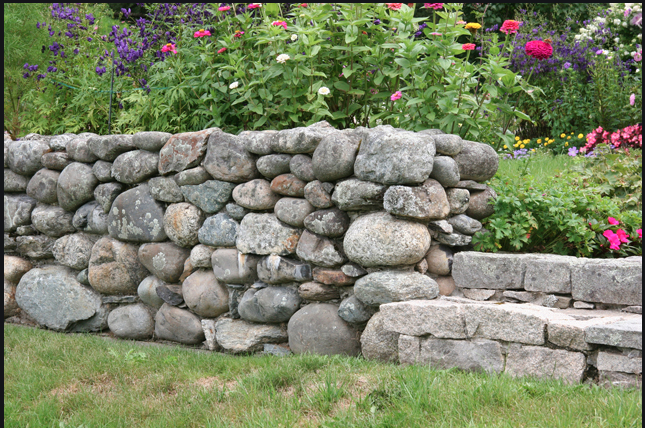
6
6
The materials used in structures can be evaluated according to many properties. List those properties of materials that were disucssed in the space below. (pg. 309)
What is deformation? Provide a practical example of you would demonstrate this property. (pg. 310)
What is flexibility? Provide a practical example of you would demonstrate this property. (pg. 310)
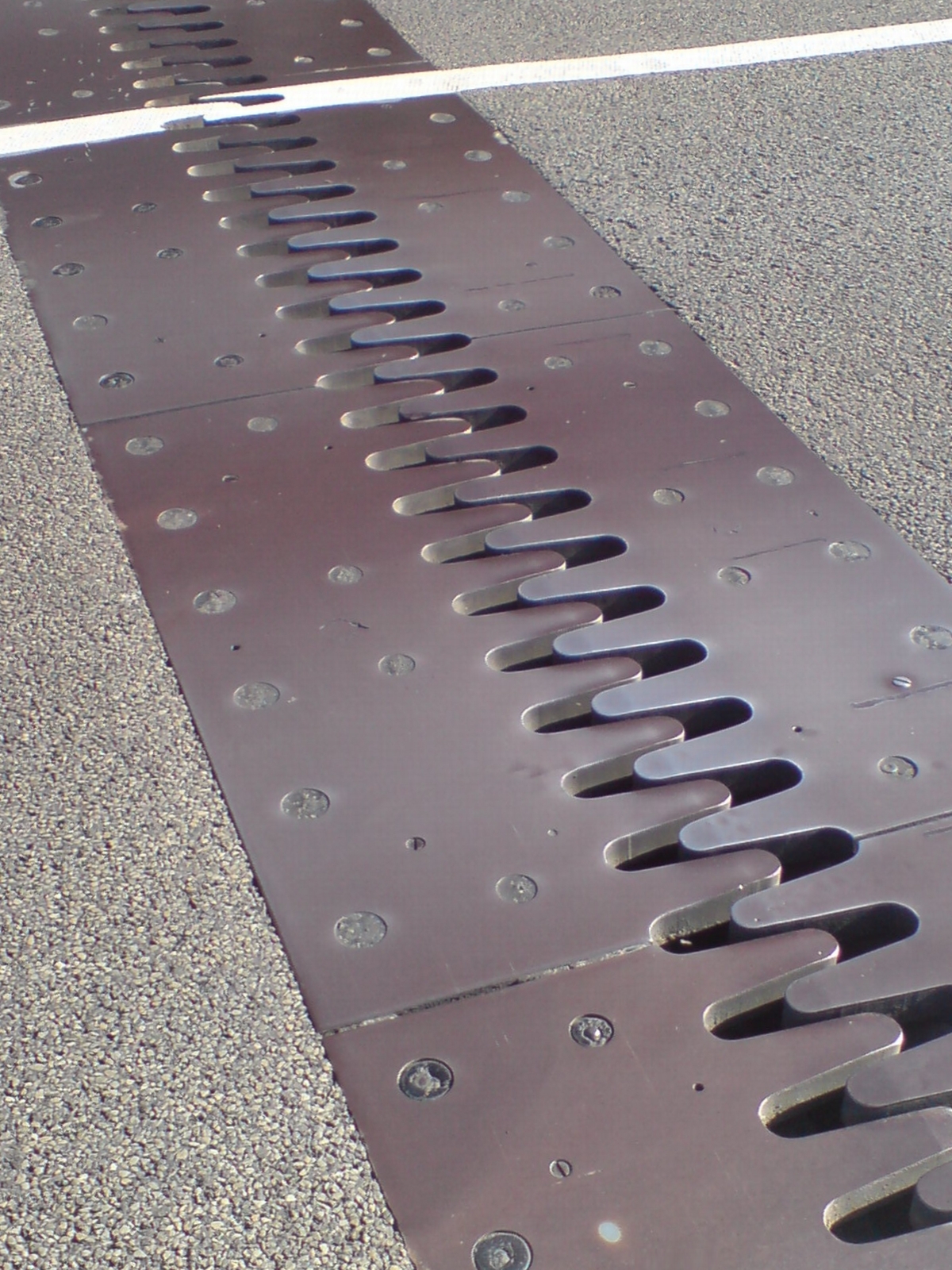
Why is it important for some bridges to have "expansion joints"? (pg. 313)
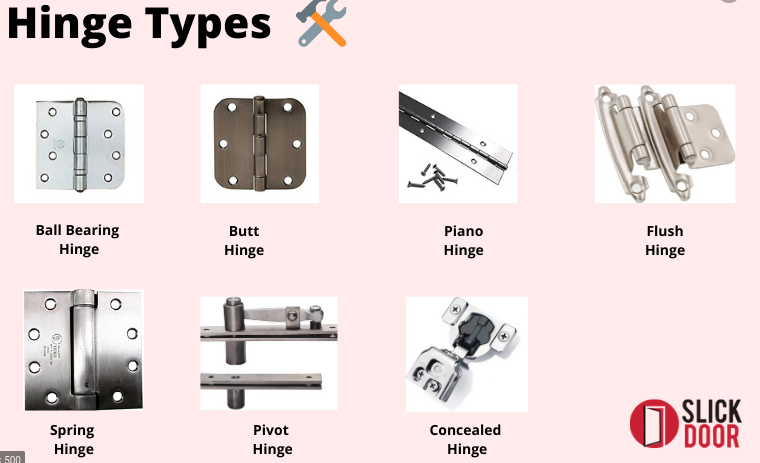
The place at which structural parts are joined is called the...
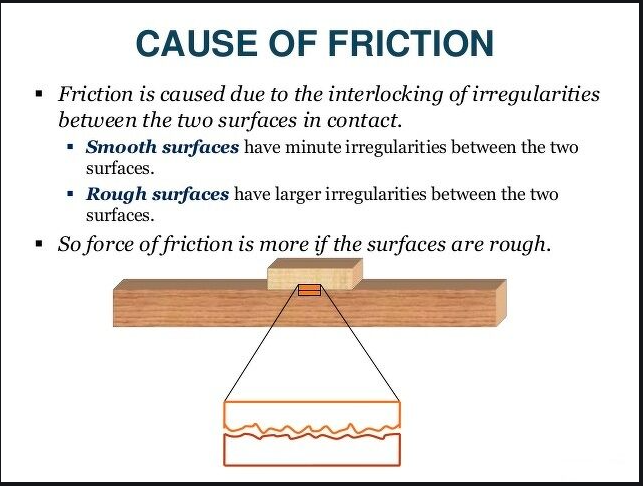
Think of pulling your desk across the floor. The drag or resistance you feel is the result of the friction that is occurring between the floor and the legs of the desk. What is the definition of friction? (pg. 313)
When a nail, screw, rivet, tack, or staple is used to hold components together, it is the friction between the metal and the material surrounding it that does the job. Give at least one advantage of using these types of fasteners. (pg. 314)
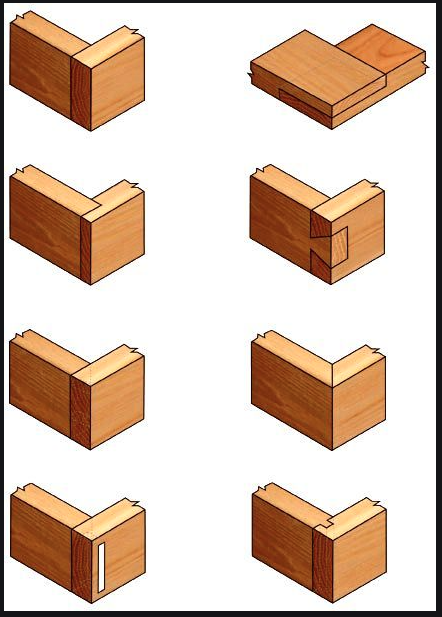
What is the difference between "interlocking" and "mass" when it comes to putting materials together? (pg. 314)
Define "fixed joints" and "moveable joints". Provide an example of each one. (pg. 315)
If a structure is to last any reasonable length of time, it must be designed to withstand the forces acting on it year after year. Explain why? (pg. 318)