Log in
Sign up for FREE
arrow_back
Library
BP Photosynthesis
By Elorde Tuliao
star
star
star
star
star
Share
share
Last updated 3 months ago
10 questions
Add this activity
1
1
1
1
1
1
1
1
1
1
We're going to watch the video in class, but if you need to watch it again, here you go:
Question 1
1.
In what way does plant nutrition differ from human nutrition? Choose the best answer.

A) Plants make their own food; humans must find and consume their food
B)
Plants and humans get nutrients from the soil
C) Plant eat mainly of protein; humans eat mainly carbohydrates
Question 2
2.
Which of the following do plants gain from sunlight?
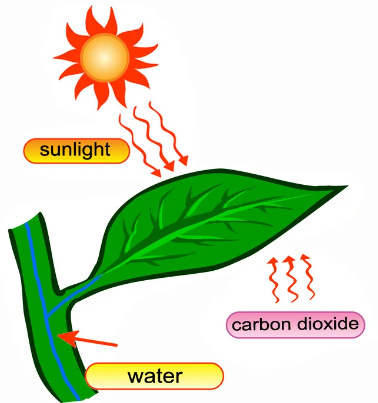
A) Carbon dioxide
B)
Sugar
C) Energy
D) Water
Question 3
3.
What might happen if plants could not produce glucose?
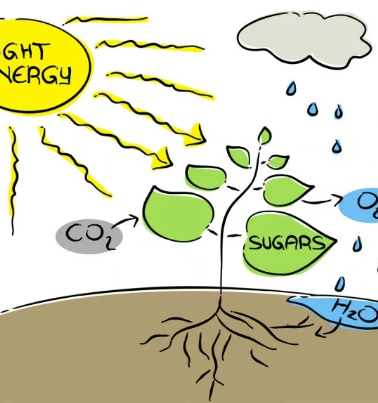
A) They would not be green
B)
They could not grow and function
C) They could not absorb energy from the sun
Question 4
4.
What is the main function of xylem within a plant?
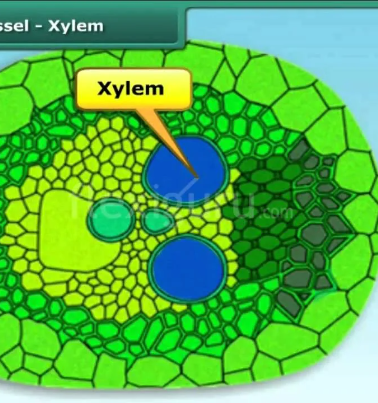
A) It keeps the leaves green
B)
It turns energy into glucose
C) It enables the plant to absorb sunlight
Question 5
5.
Which of the following depicts xylem?
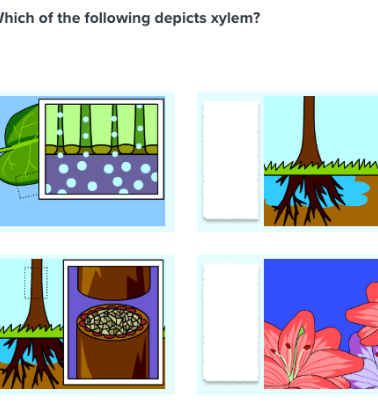
A) Leaves / Stomata
B)
Roots absorbs water
C) Tree trunk / Stem
D) Flowers
Question 6
6.
Which part of the human body is most similar to stomata in plants?

A) The heart
B)
The brain
C) The lungs and airways
Question 7
7.
If you were looking for a plant's chloroplasts, where would you find them?
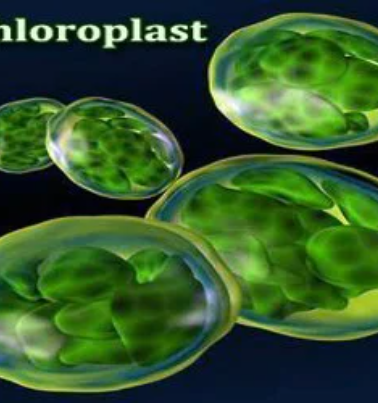
A) In its fruit
B)
In its roots
C) In its xylem
Question 8
8.
Chlorophyll is a type of pigment, and so is the melanin in your skin. What is a pigment?
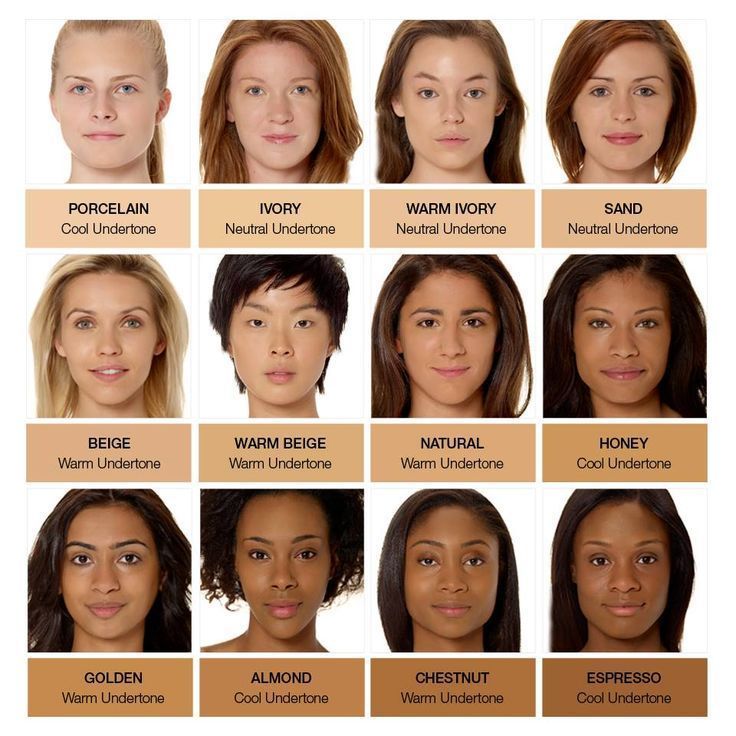
A) Something that aids with photosynthesis
B)
A substance that contains color
C) Something that helps plants grow
Question 9
9.
Chlorophyll traps energy from sunlight and stores it as what kind of energy?
A) Kinetic energy
B)
Heat energy
C) Color energy
Question 10
10.
In photosynthesis, water molecules are split into _______ and ______ atoms.
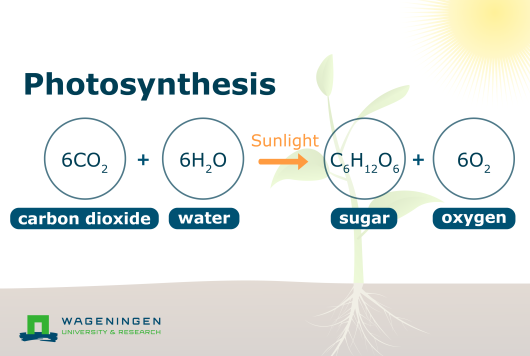
A) Hydrogen and oxygen
B)
Sulfur and lithium
C) Carbon and nitrogen
D) Plants cannot make their own food; humans can
D) They would not have leaves
D) It transports water and nutrients from the roots to leaves
D) The fingers and toes
D) In its palisade and spongy cells (leaves)
D) Something that helps plants absorb water
D) Chemical energy
D) Glucose and fructose