The materials in structures can be evaluated according to many properties. The property that describes
how easily a material can be shaped is called ...
Which of the following is an example of a composite material?
This palm tree is demonstrating this property ...
A change of shape in a structure or a structural component, because the material is unable to resist the
load acting on it is called ...
Windows on the top floor of a house are tinted to allow in the light, but keep out ultraviolet radiation. Solar
panels used on the roof make the home more energy efficient because they produce ...
The place at which structural parts are fastened together is called the ...
The force that resists another object when the surfaces of each are in contact is called ...
One way landscape architects join stones to make retaining walls and split-rail fences is to use this
method ...
Adhesives are used to bind materials together. A type of adhesive that hardens when it cools is ...
Moveable joints are used to secure materials together in a structure. All of the following joints are
examples of moveable joints (allowing movement in a structure) EXCEPT ...
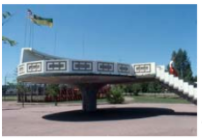
This unique and imaginative structure built in 1967, can be seen in St. Paul, Alberta. It is the first of its kind in the world. The purpose of this structure is for ...
Joints are made to withstand forces acting on them for long periods of time. Wear and tear parts of
moveable joints are caused by friction. Friction also generates ...
The properties that help bones in your body perform their function are ...
There are 656 muscles in your body. These muscles allow your skeletal frame to move. The contraction
and relaxing of these muscles is possible because they are made of ...
The layer of material in a tree trunk that supports the rest of the structure, but does not function to conduct water and materials is the ...