Intro to Pythagorean Theorem
star
star
star
star
star
Last updated about 4 years ago
11 Nsɛmmisa
1
1
1
1
1
1
1
1
1
1
1
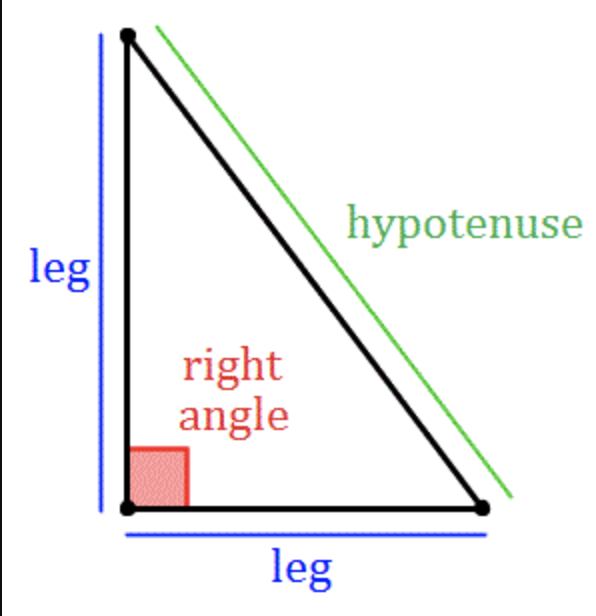
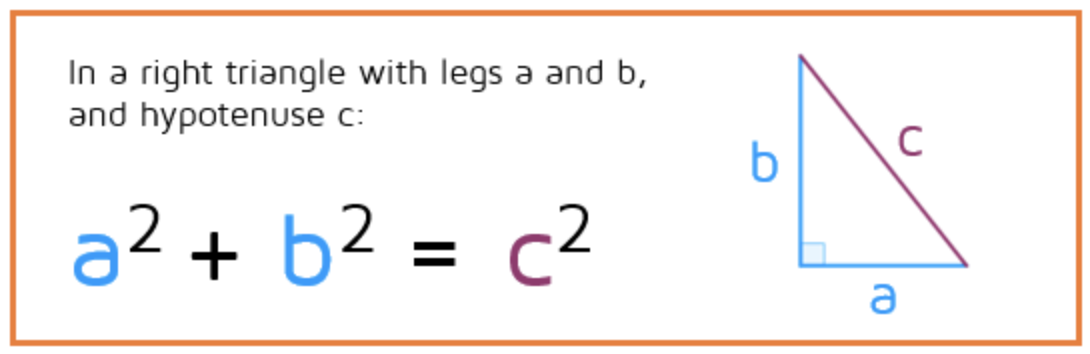
In order to understand the Pythagorean Theorem, it's important that you know the different parts of a right triangle.
The two sides that form the 90 degree angle are called the legs. These two sides are always the shortest two sides of the right triangle.
The side that is across from the right angle is called the hypotenuse. The hypotenuse is always the longest side of the right triangle.
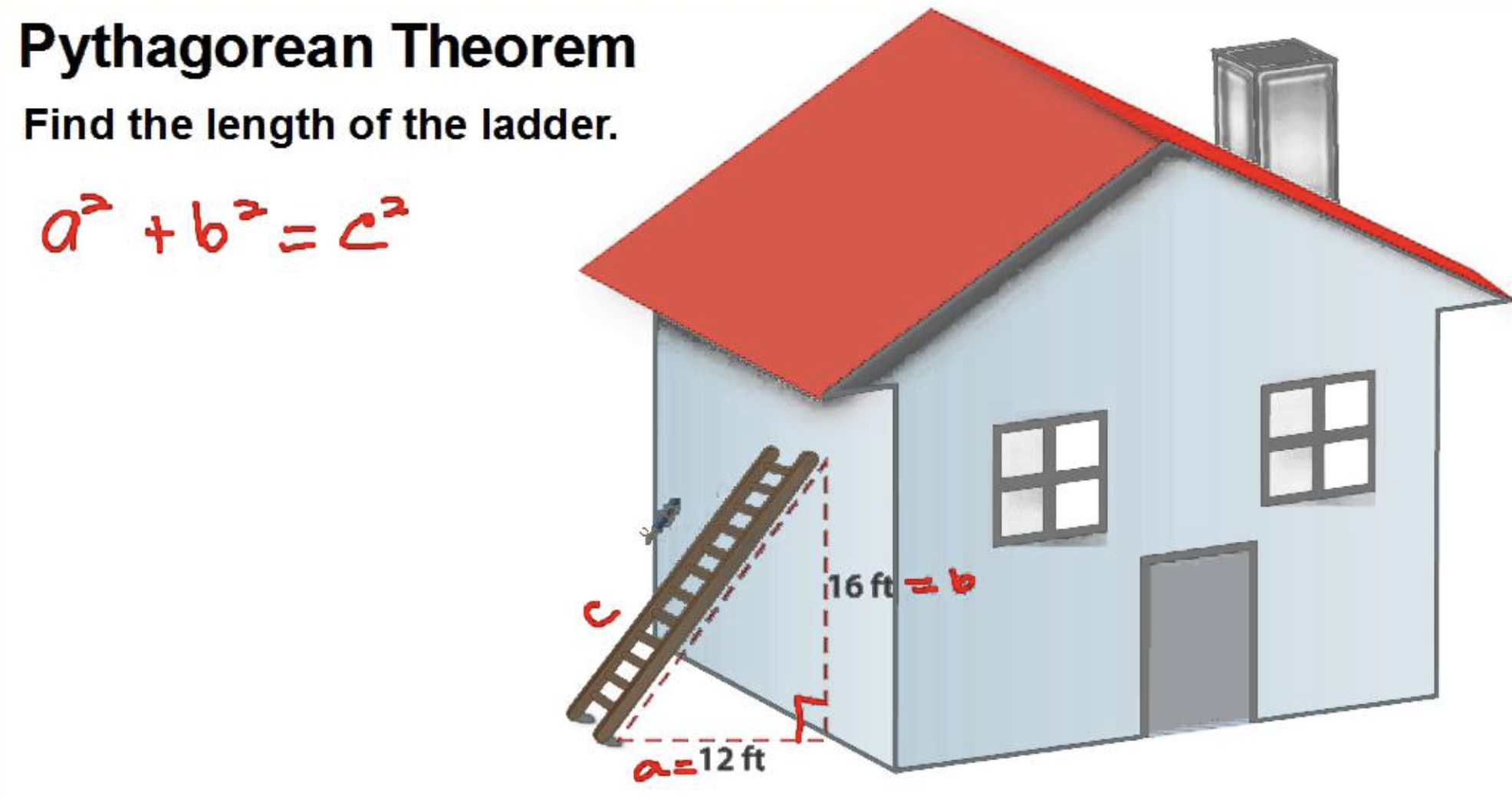
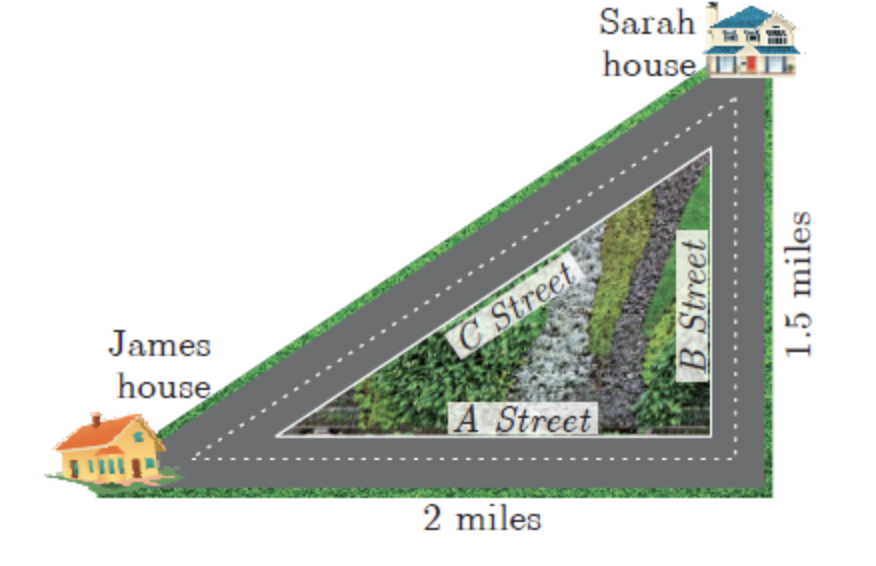
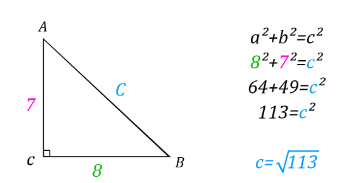
If we know any two sides of a right triangle, it allows us to find the missing third side. You can use it if you're missing a leg or if you're missing the hypotenuse. Step 1: Identify the values of a, b, and c. Step 2: Plug a, b, and c into the Pythagorean Theorem. Step 3: Simplify the equation. Step 4: Solve for the missing value.
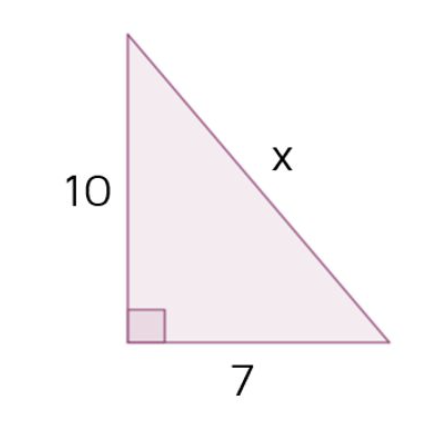
What is the length of the hypotenuse? (If necessary, round your answer to the nearest hundredth)
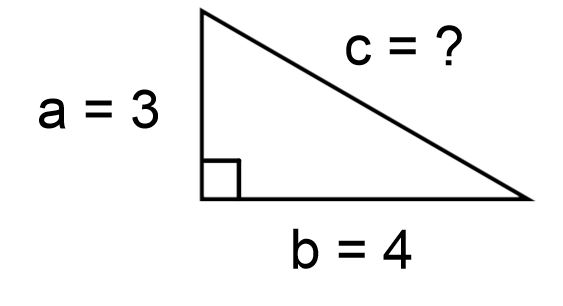
What is the length of the hypotenuse? (If necessary, round your answer to the nearest hundredth)
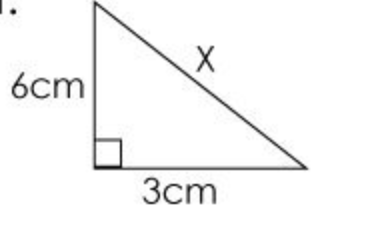
What is the length of the hypotenuse? (If necessary, round your answer to the nearest hundredth)
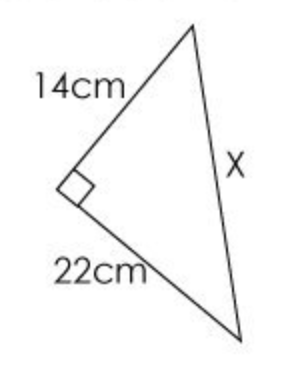
What is the length of the hypotenuse? (If necessary, round your answer to the nearest hundredth)
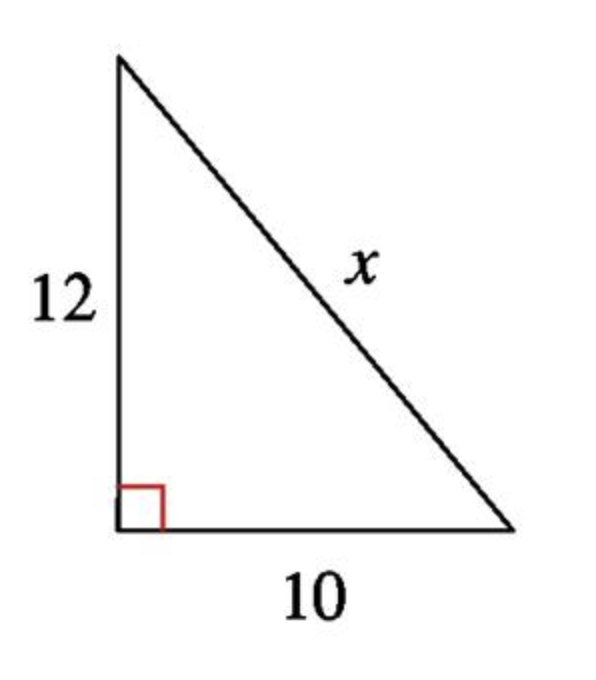
What is the length of the hypotenuse? (If necessary, round your answer to the nearest hundredth)
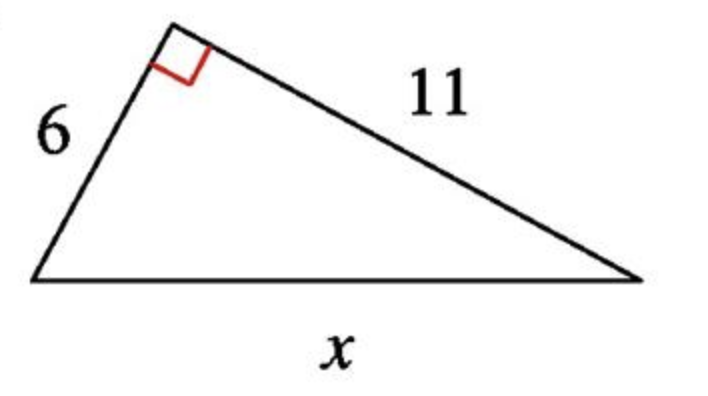
What is the length of the hypotenuse? (If necessary, round your answer to the nearest hundredth)
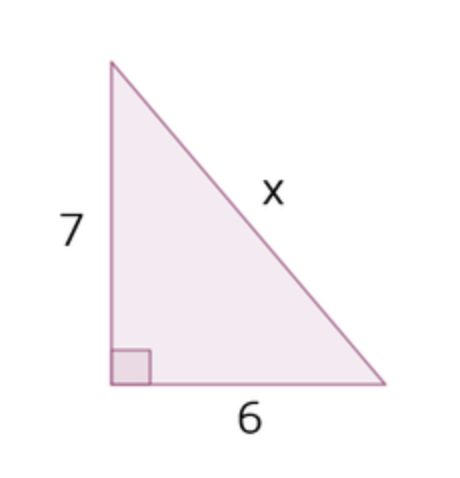
What is the length of the hypotenuse? (If necessary, round your answer to the nearest hundredth)
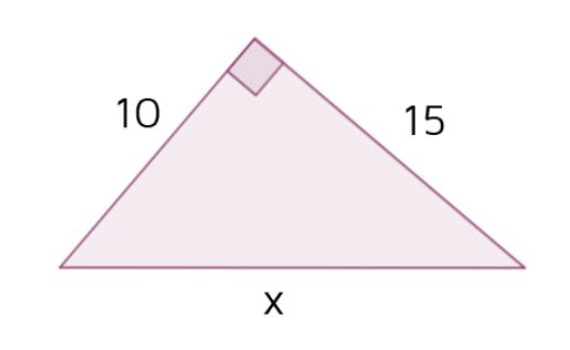
What is the length of the hypotenuse? (If necessary, round your answer to the nearest hundredth)
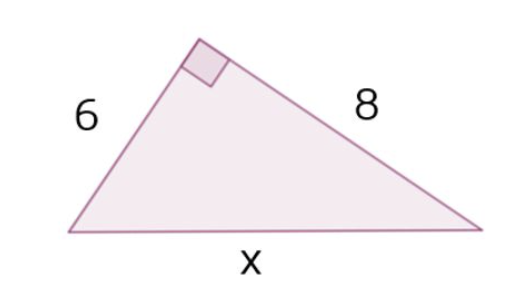
What is the length of the hypotenuse? (If necessary, round your answer to the nearest hundredth)