Log in
Sign up for FREE
arrow_back
Library

APUSH Chapter 34, Part 2 - America in WWII (1941-1945)

star
star
star
star
star
Last updated over 1 year ago
12 questions
1
IITE.01
1
IITE.01
0
Welcome to part 2 of your Chapter 34 reading! As you read, you should consider the following essential questions:
  • What were the effects of World War II on the United States?
As always, "Focus Questions" should guide your reading and notes, but you do not necessarily have to explicitly answer them.
1
Question 1
1.

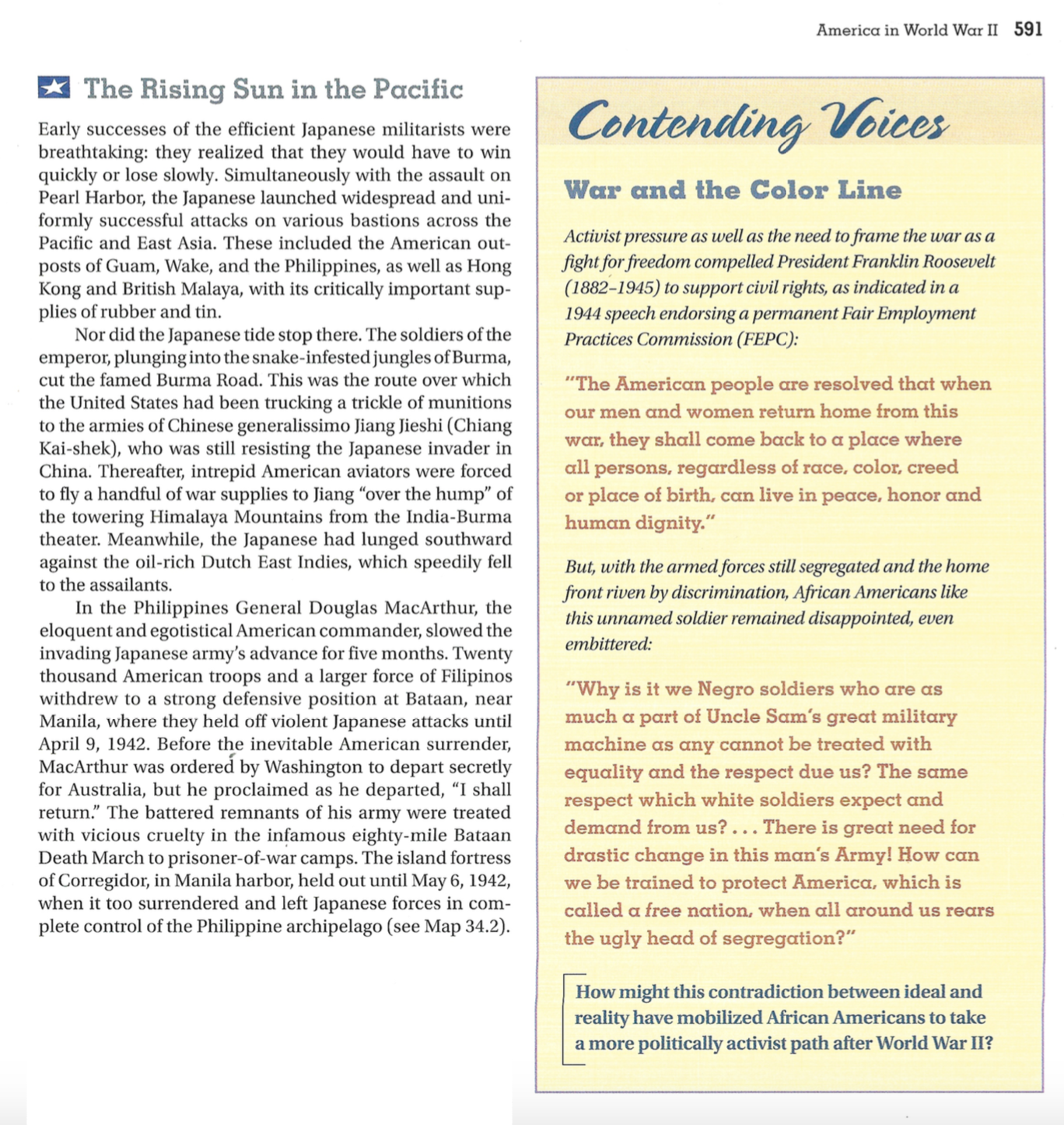
It can be reasonably inferred from the passage that African American soldiers
IIRC.02
1
Question 2
2.

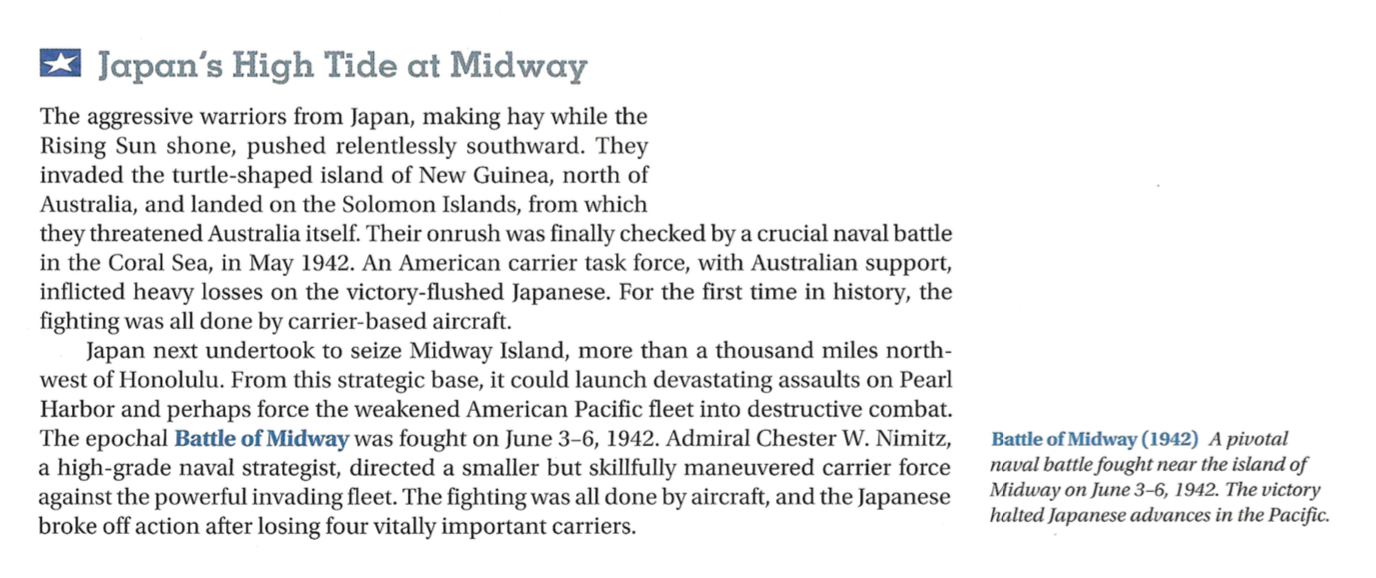
As used in line 5, "checked" most nearly means
IIWD.01
Important Context from World History: Under Emperor Hirohito, the Japanese army invaded numerous Asian countries, including China and the Phillippines. The Japanese military committed horrible war crimes that resulted in the deaths of millions of people. Historians estimate the death count to range from 3-14 million people who died from massacre, human experimentation, starvation, and forced labor that was either directly perpetrated or condoned by the Japanese military and government.
So when you hear about the "War in the Pacific," it is specifically about American efforts to fight against Japanese imperialism and its military invasion of mainland Asia at this time period.
1
Question 3
3.

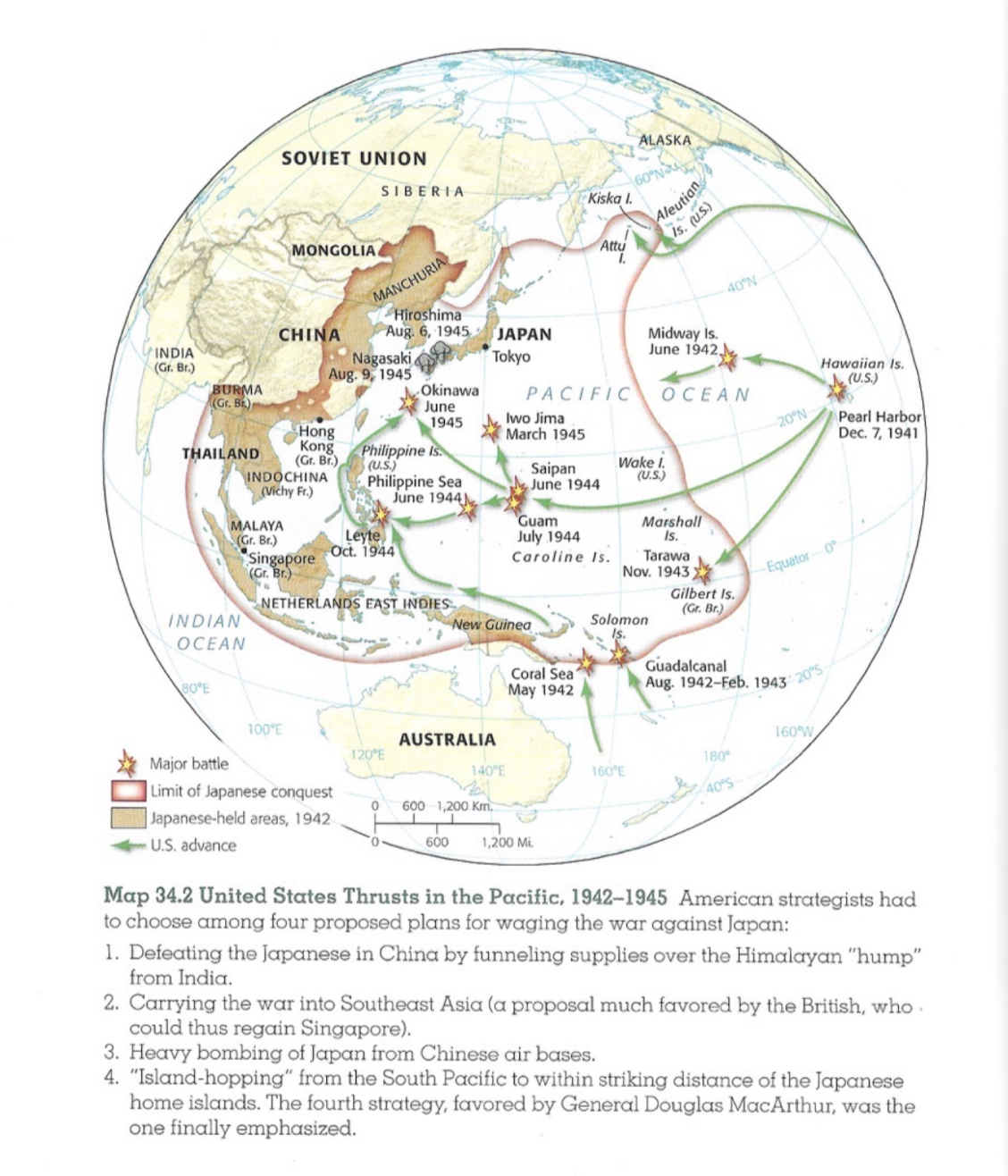
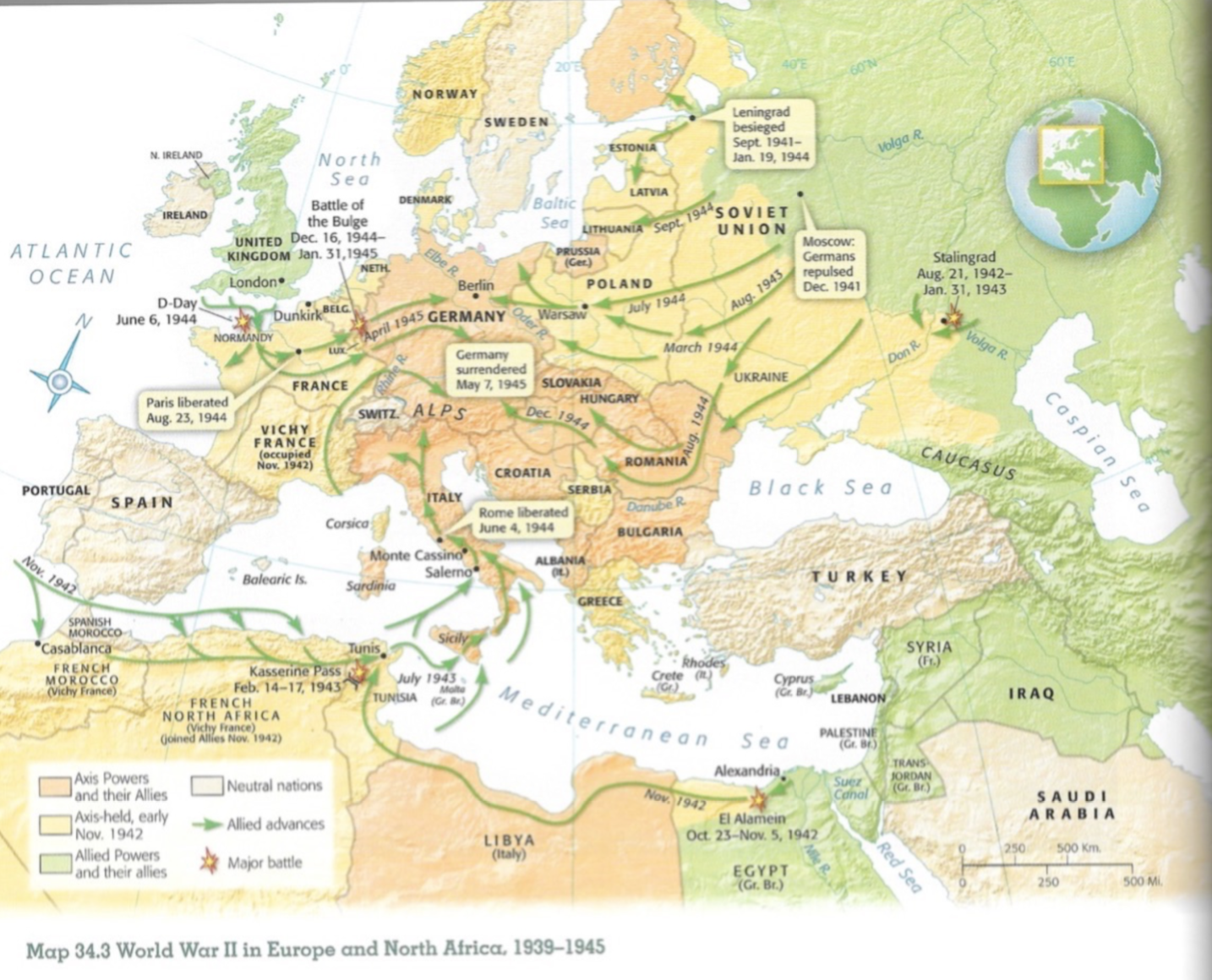
Map 4.2 provides most direct support for which idea in the passage?
SMT.01
British attempts to crack the German code led Alan Turing to design the electromechanical machine that contributed to the development of the first computer. Check it out!
1
Question 4
4.

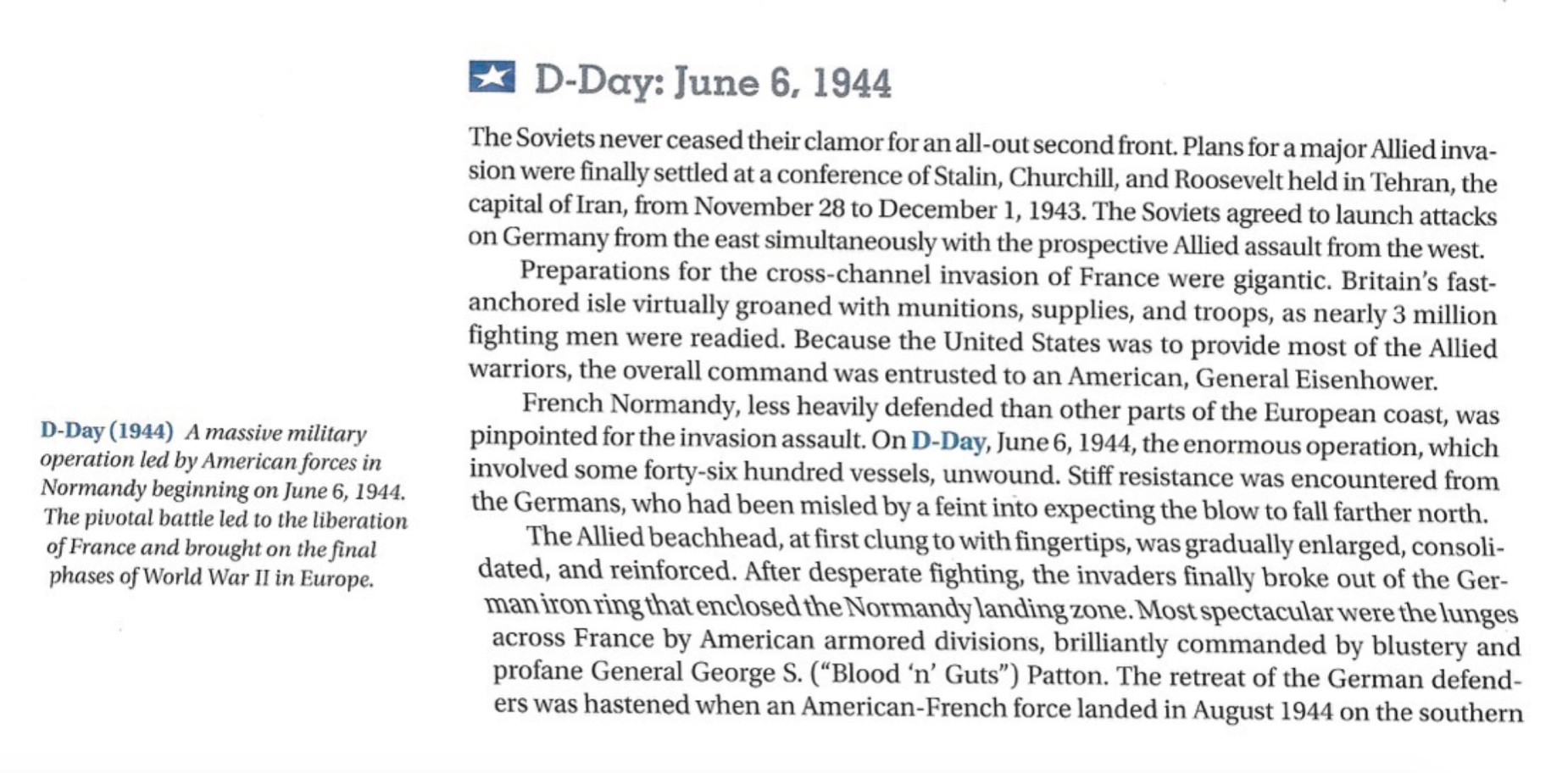
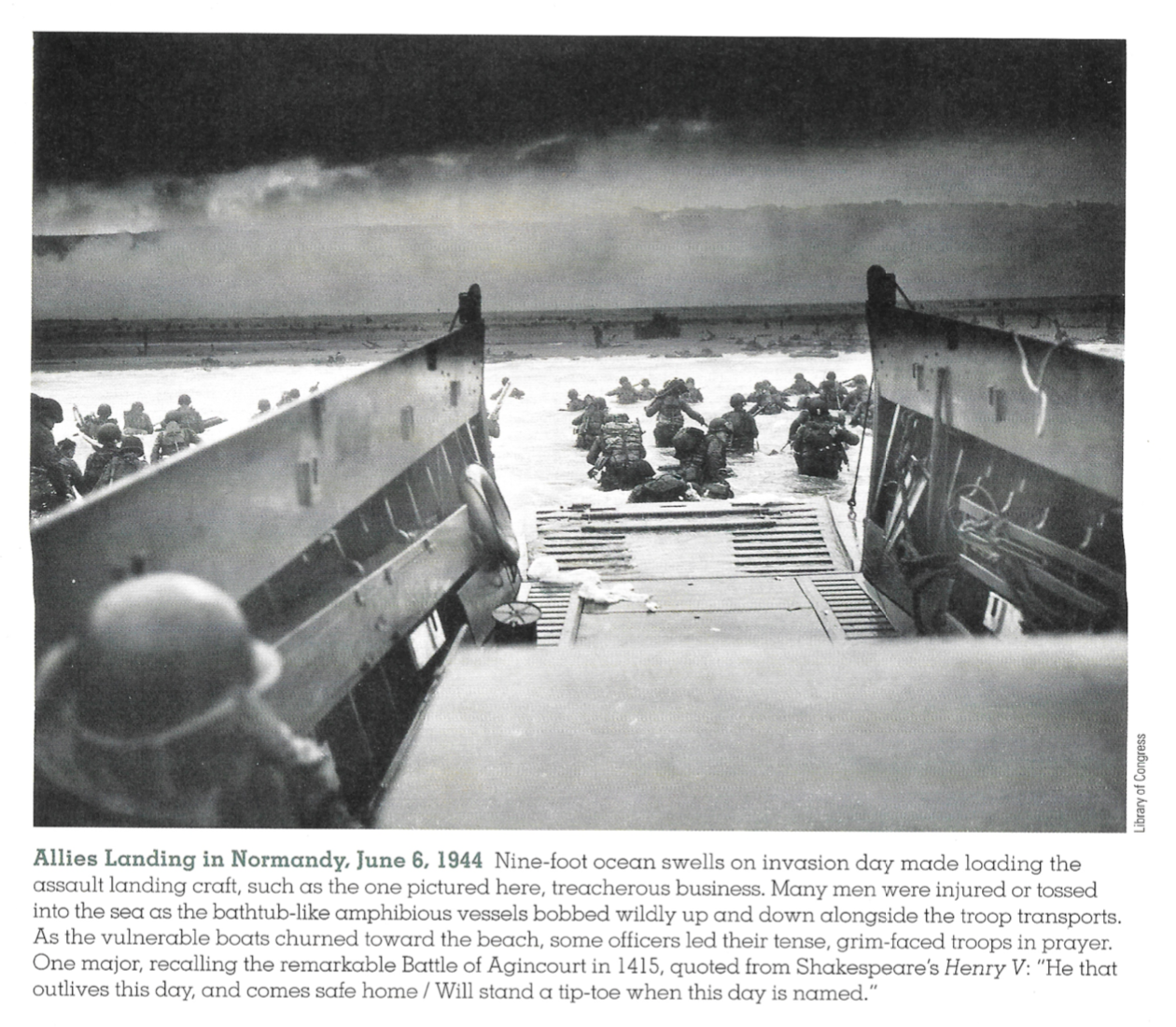
Within two months of the D-Day invasion,
IIUR.01
1
Question 5
5.

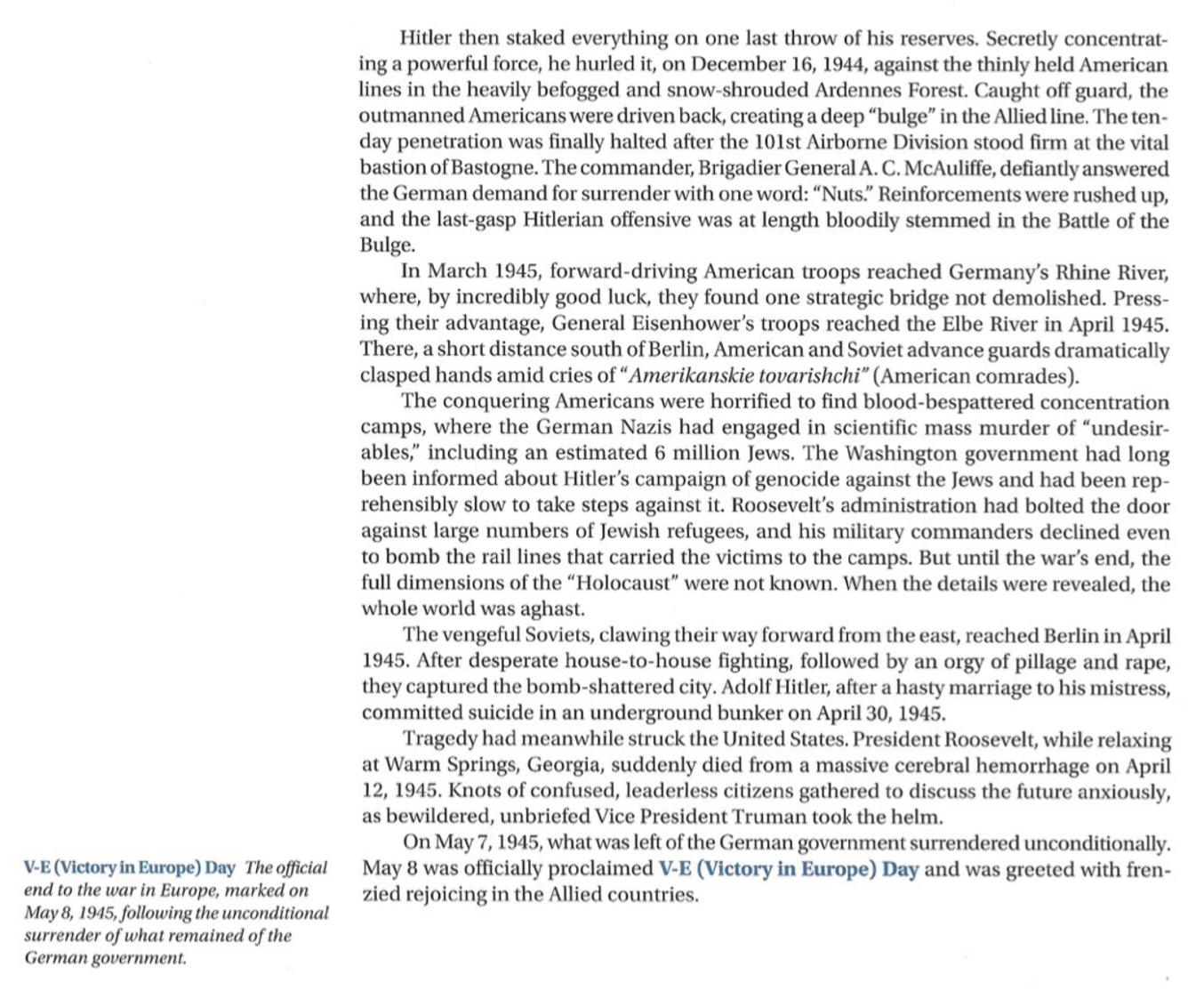
The passage indicates that U.S. action against Adolf Hitler's campaign of genocide against the Jews

IIRC.01
Question 6
6.

Which choice provides the best evidence for the answer to the previous question?
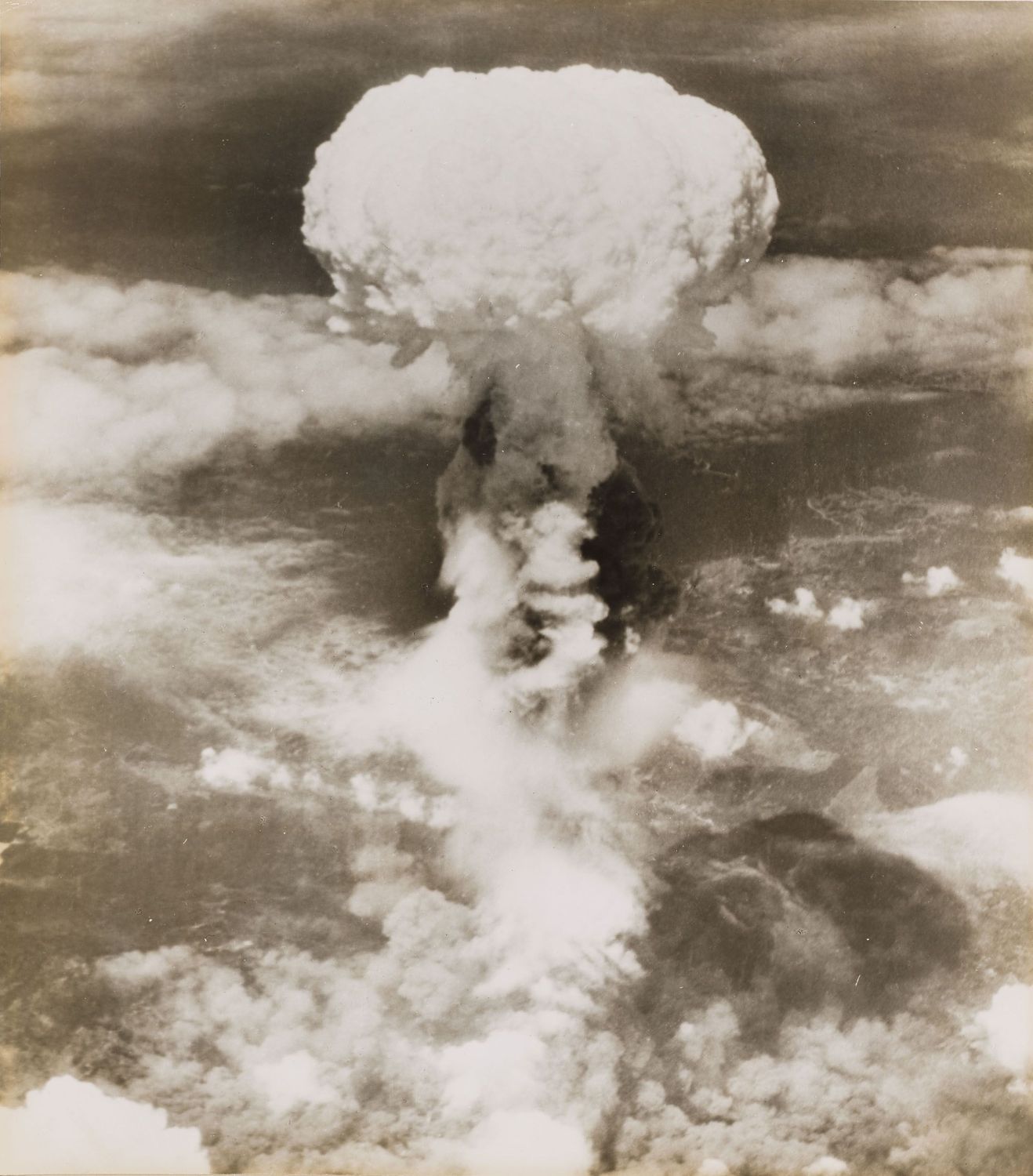
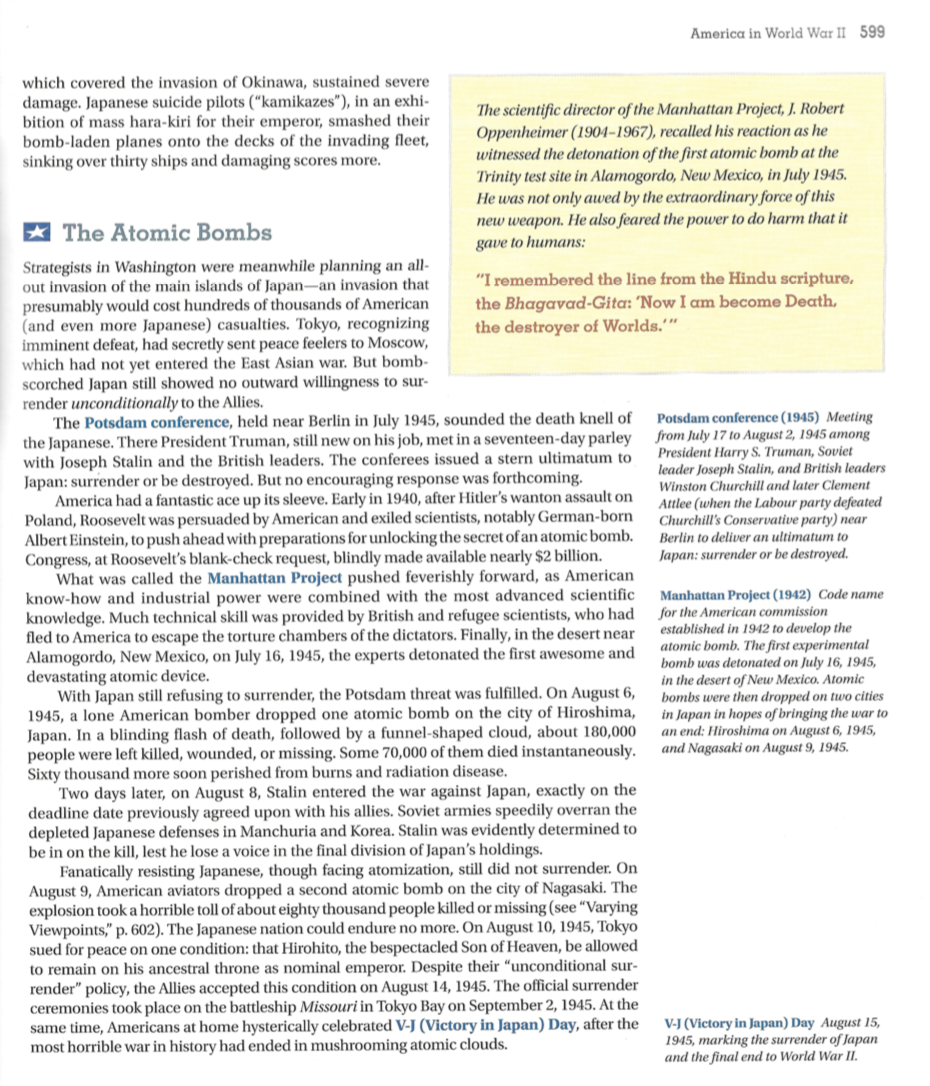
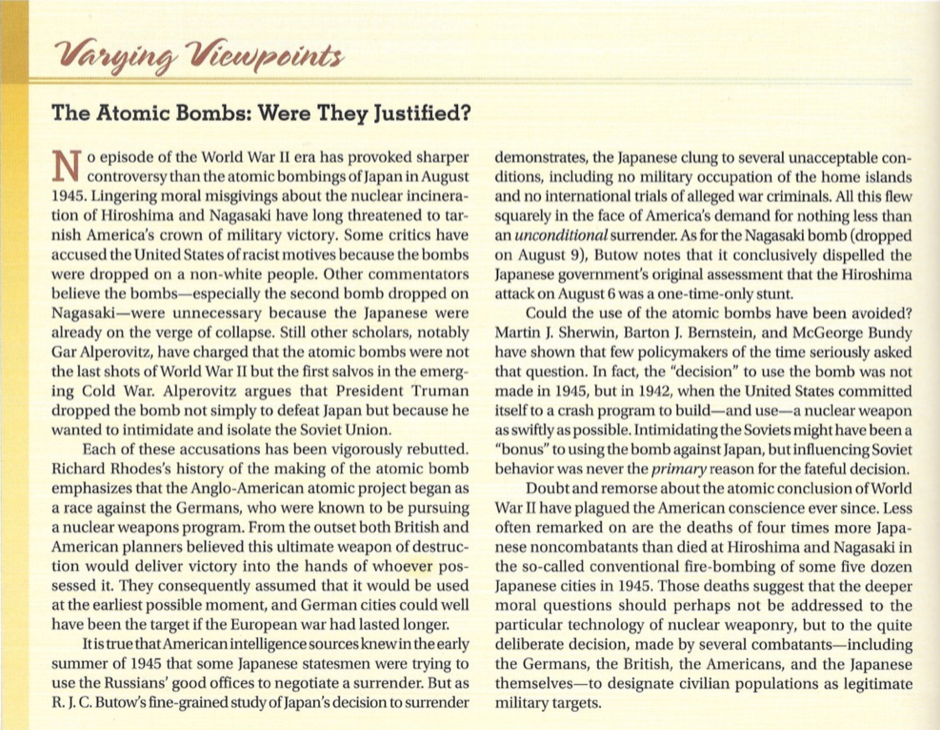
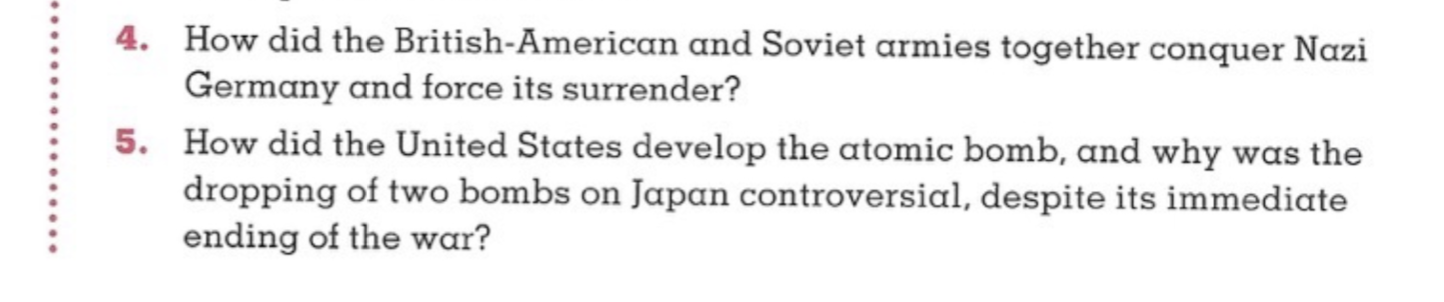
Under a Mushroom Cloud: Hiroshima, Nagasaki, and the Atomic Bomb

Japanese American National Museum
(Los Angeles, California)
1
Question 7
7.

The passage suggests that the enormous spending on the Manhattan Project was spurred by the belief that

IIRC.02
Question 8
8.

Which choice provides the best evidence for the answer to the previous question?
Antibiotics for the win!
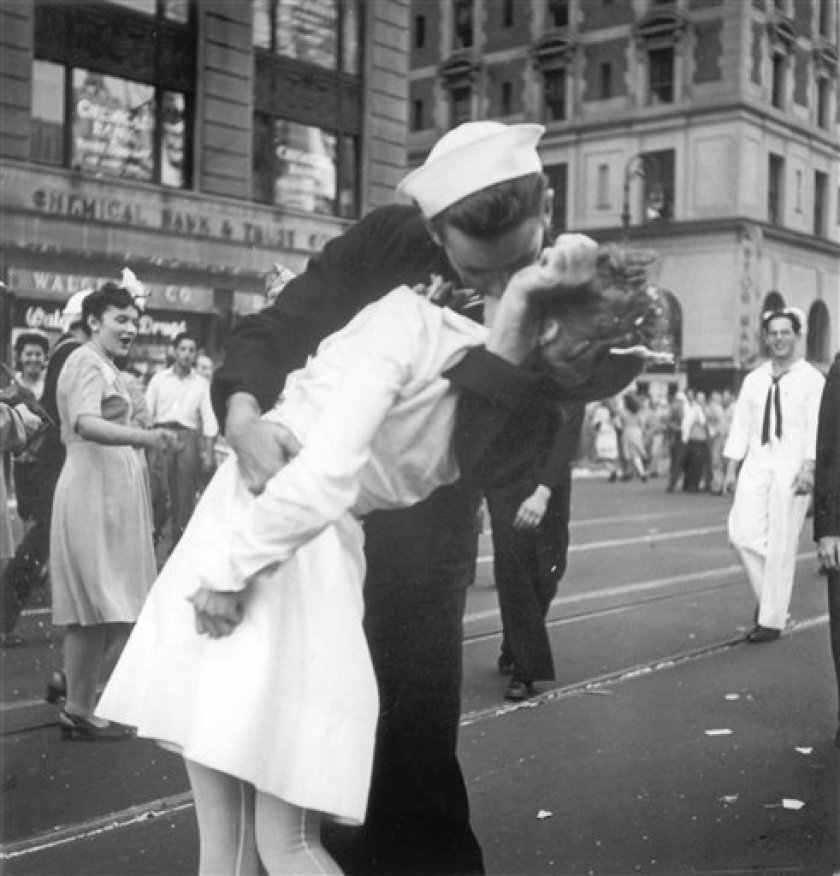
The joy over the end of World War II was famously captured in this iconic image of a sailor and a nurse’s impromptu kiss in Manhattan’s Times Square, a moment memorialized in the Kiss statue on San Diego’s waterfront.

(AP Photo/U.S. Navy, Victor Jorgensen)
1
Question 9
9.

The main effect of the phrase "Assembly lines proved as important as battle lines" (line 6) is to
RWC.01
1
Question 10
10.

In your expert opinion, was the United States justified in dropping the atomic bombs on Japan? Explain why or why not based on the argument that you found to be most persuasive from this article.

Your response should be in complete sentences in order to earn full credit for this assignment.
0
Question 11
11.

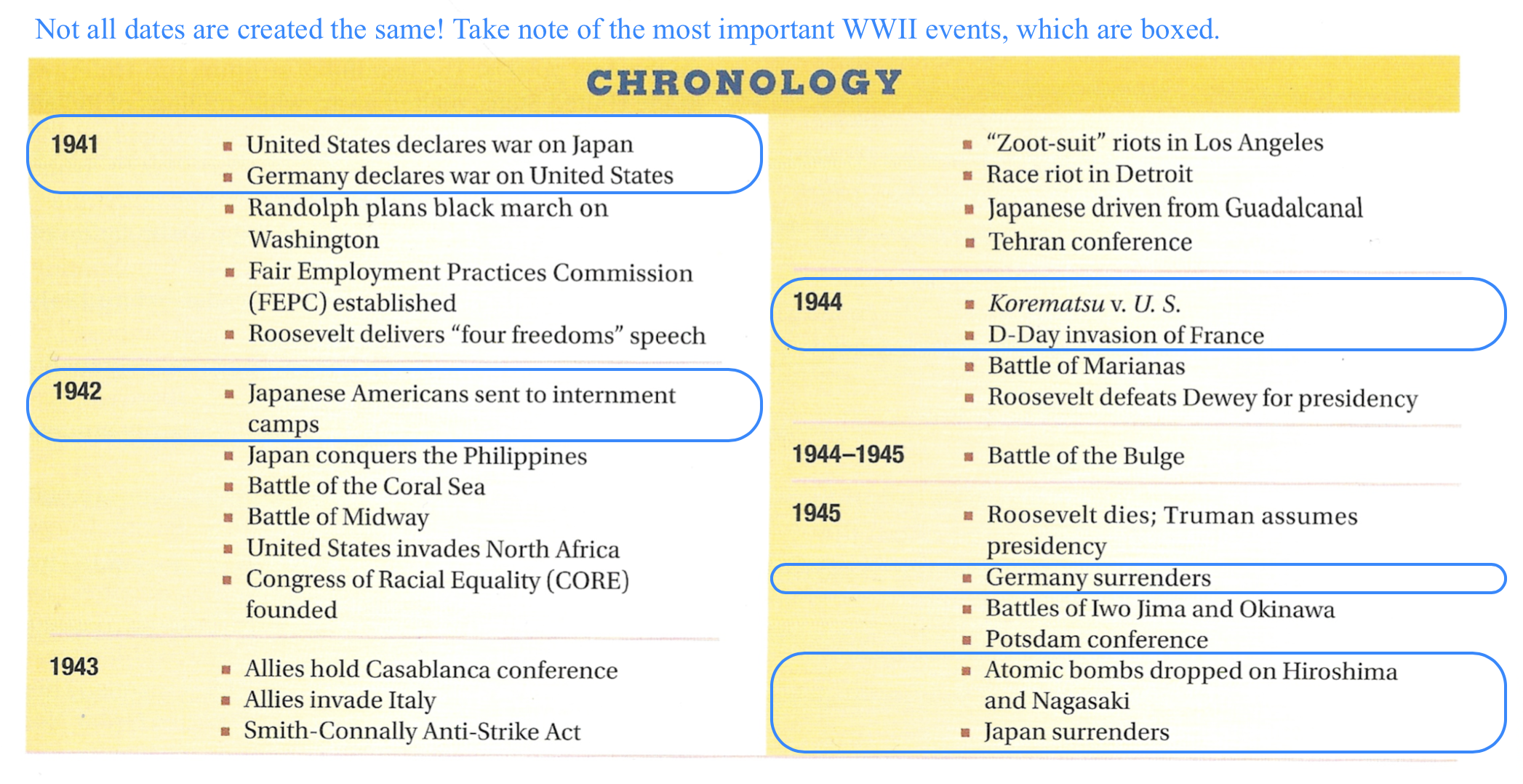
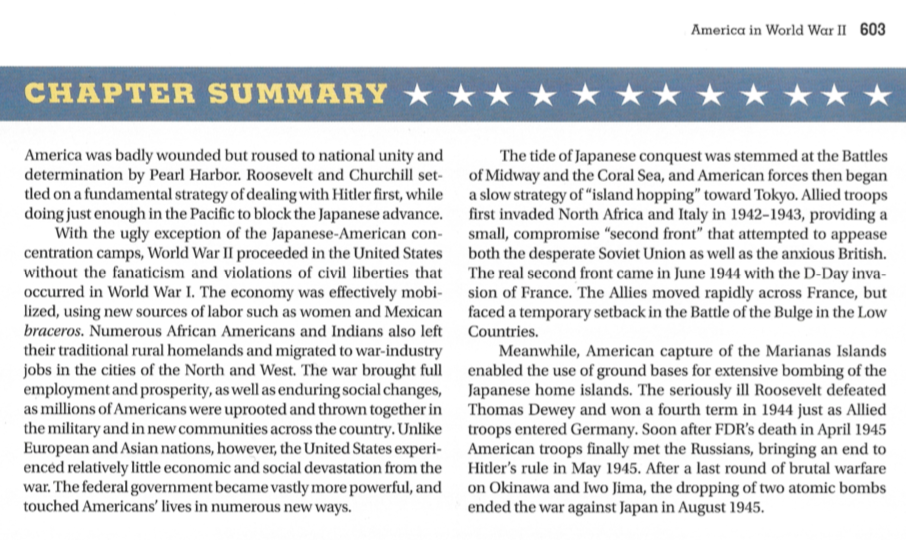
Excellent reading! Close out this Chapter by reviewing the "Chapter Summary" and using the "rectangle" tool to box the 5 most important key terms in the space provided.

Question 12
12.

Do you have any feedback or questions about the Formative reading or comprehension questions that you want to go over in class?
were treated as equals to their white counterparts during their military service to our country.
inspired the passage major legislation that resolved race relations for their return home after the war.
faced discrimination and segregation in spite of their military service to our country.
analyzed
thwarted
confirmed
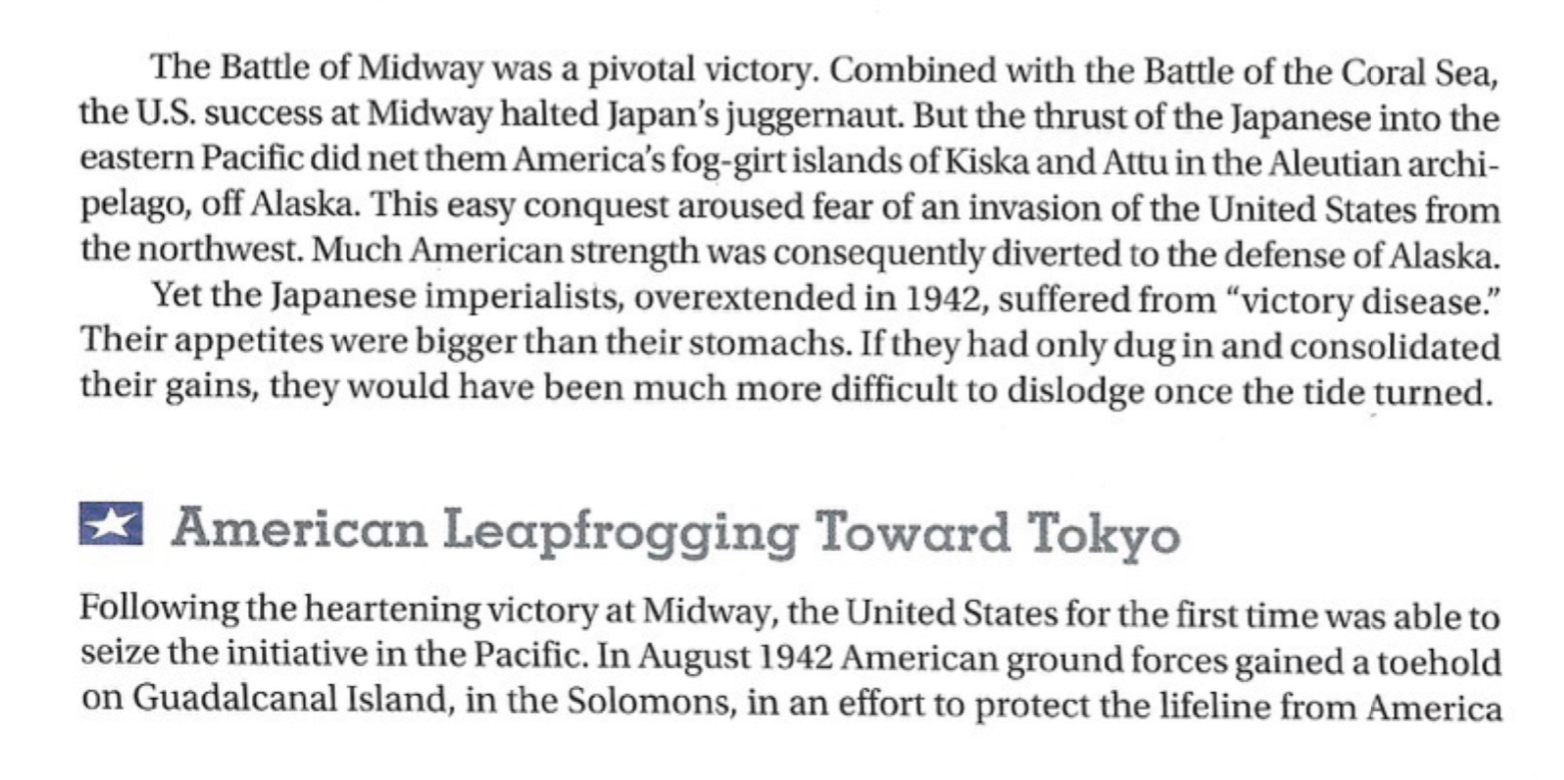
...British code breakers [had] cracked the Germans' "Enigma" codes and could therefore pinpoint the locations of the U-boats
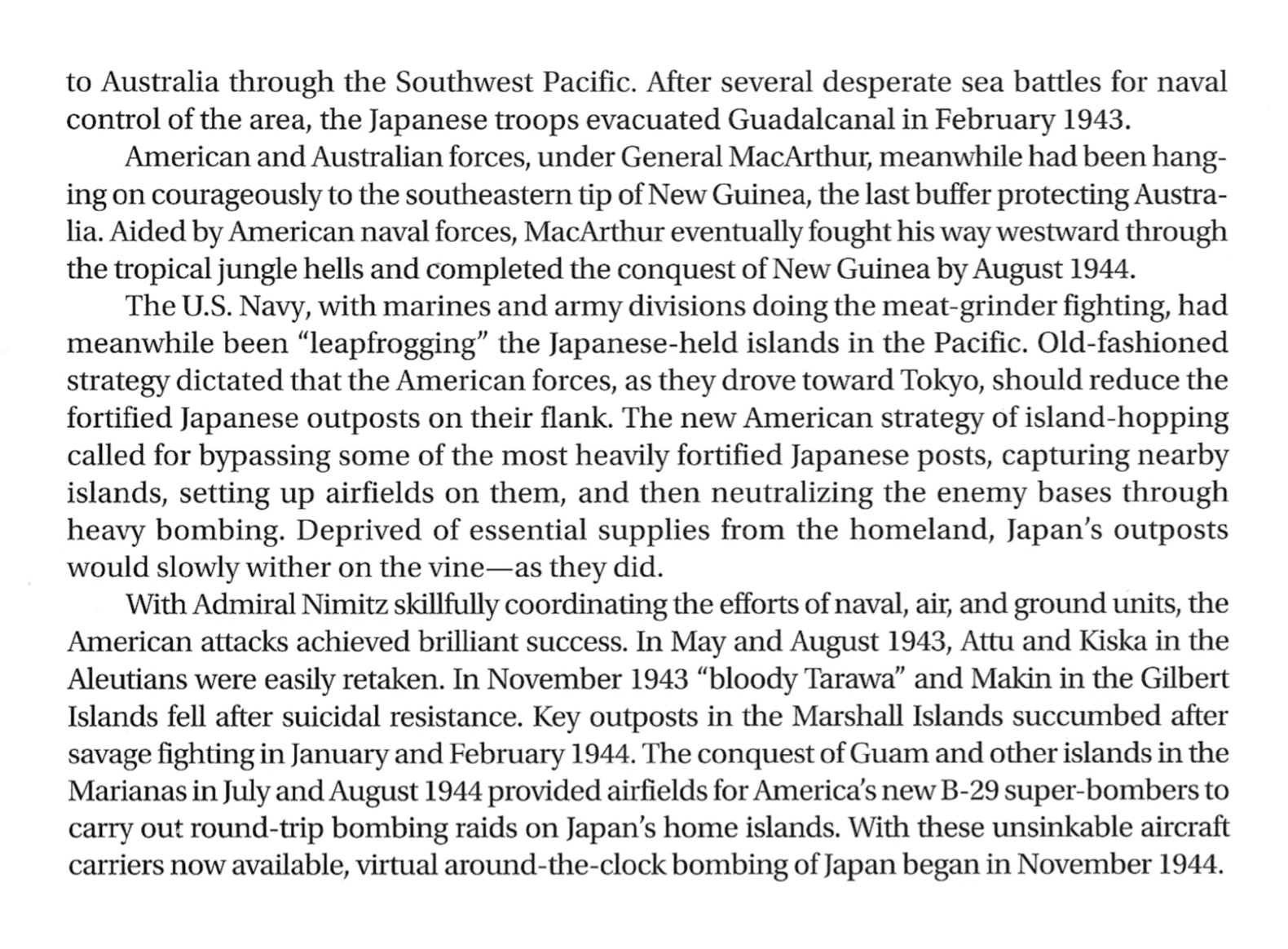
The U.S. Navy...had meanwhile been 'leapfrogging' the Japanese-held islands in the Pacific."
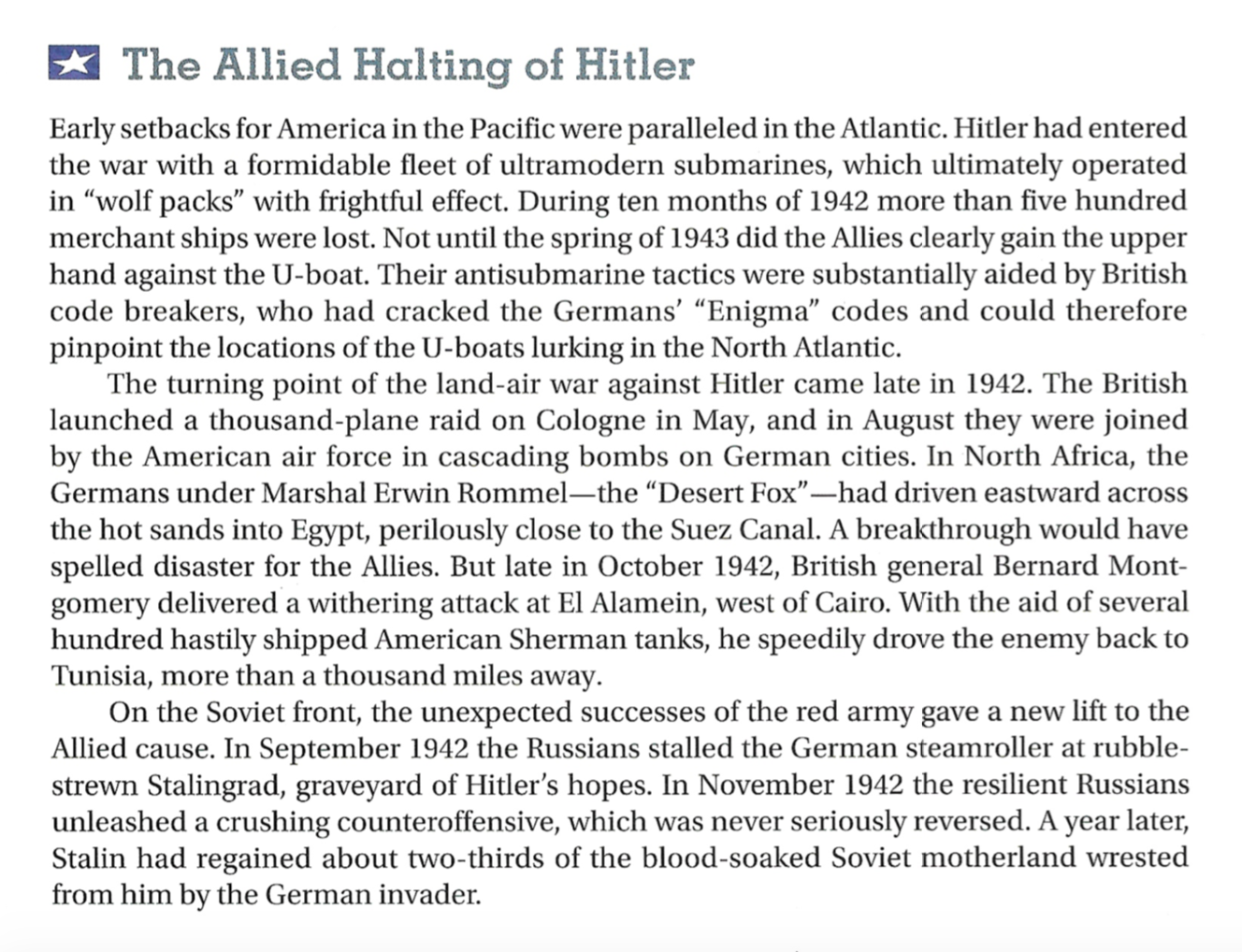
On the Soviet front, the unexpected successes of the red [Russian] army gave a new lift to the Allied cause.
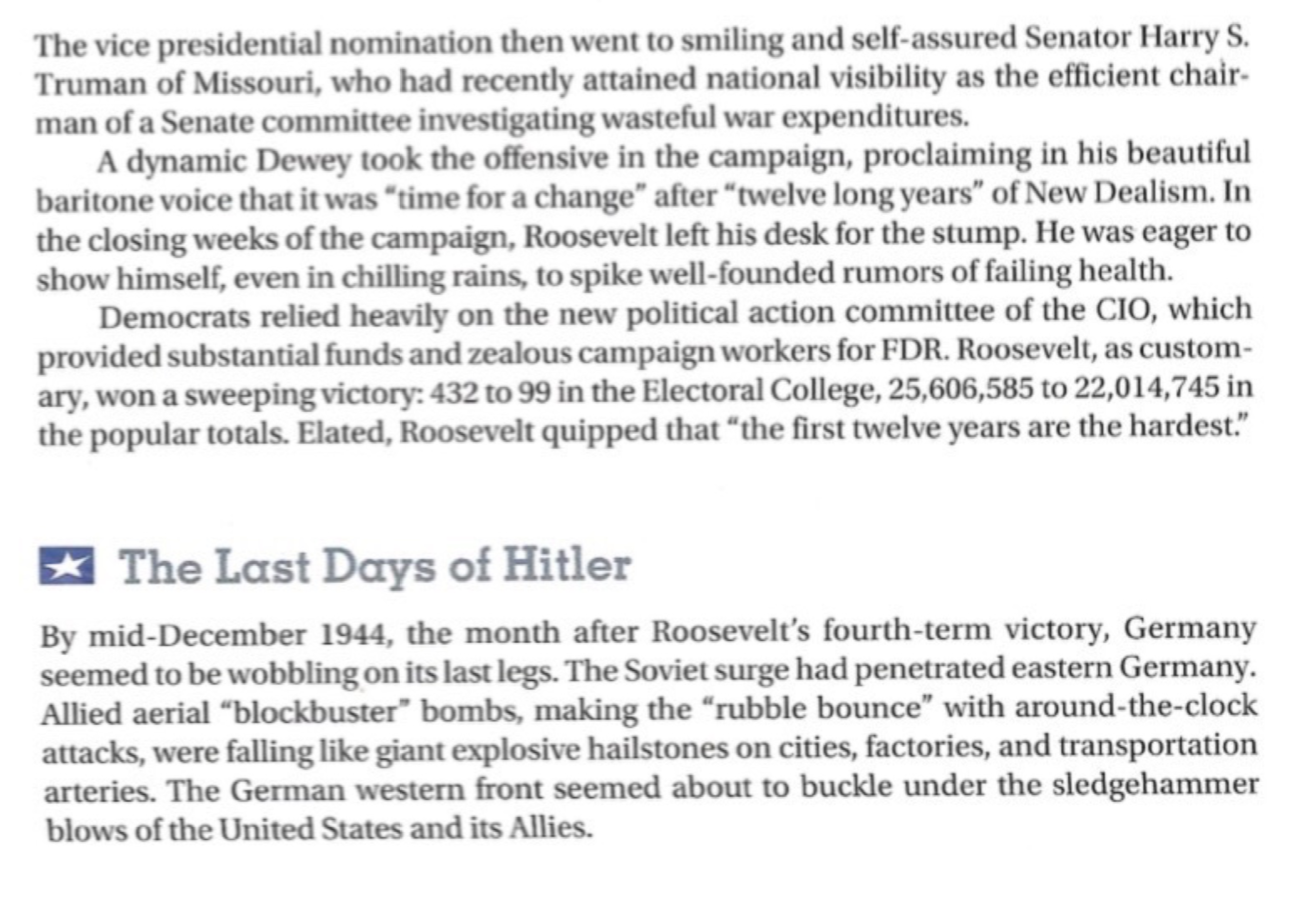
Soviet troops had reached Berlin.
the Allies had succeeded in liberating the city of Paris in France.
Hitler had crushed the Allies' armored divisions and tightened his grip on central France.
Hitler surrendered France and hunkered down in Germany.
included the admission of large numbers of Jewish refugees into the United States.
involved the bombing of rail lines used to carry victims to the Nazi death camps.
was reprehensibly slow to take a stand in light of the information provided to the Roosevelt administration.
was understandably hesitant because the United States did not know about the death camps until the end of the war.
Line 19-21 ("Roosevelt's administration... the camps")
the Japanese were at work on an atomic bomb project of their own.
scientists like Albert Einstein might be lost to the war effort.
the Germans might acquire and use such a weapon first against the Allies.
a nuclear weapon was the only way to win World War II.
Line 19-20 ("Much technical... the dictators"
explain how the U.S. was able to preserve the American homeland against invasion or destruction from the air.
argue that superior American craftsmanship led to fewer military casualties for the U.S.
indicate that strong leadership resulted in highly effective military decisions.
suggest that wartime production efforts at home were as effective as fighting overseas.