Log in
Sign up for FREE
arrow_back
Library

U6 TEST Freshwater

star
star
star
star
star
Last updated over 4 years ago
20 questions
1
EEn.2.3.2
1
EEn.2.3.2
1
EEn.2.3.2
1
EEn.2.3.2
1
EEn.2.3.2
1
EEn.2.3.2
1
EEn.2.3.2
1
EEn.2.3.2
1
EEn.2.3.2
1
EEn.2.3.2
1
EEn.2.3.2
1
EEn.2.3.2
1
EEn.2.3.2
1
EEn.2.3.2
1
EEn.2.3.2
1
EEn.2.3.2
1
EEn.2.3.2
1
EEn.2.3.2
1
EEn.2.3.2
1
EEn.2.3.2
Question 1
1.

Question 2
2.

Question 3
3.

Question 4
4.

Question 5
5.

Question 6
6.

Question 7
7.

Question 8
8.

Question 9
9.

Question 10
10.

Question 11
11.

Question 12
12.

Question 13
13.

Question 14
14.

Question 15
15.

Question 16
16.

Question 17
17.

Question 18
18.

Question 19
19.

Question 20
20.

A hole dug into an aquifer to reach groundwater is called...
an aquitard/aquiclude
a well
a recharge zone
a water table
The figure shows many of the components of a typical watershed.
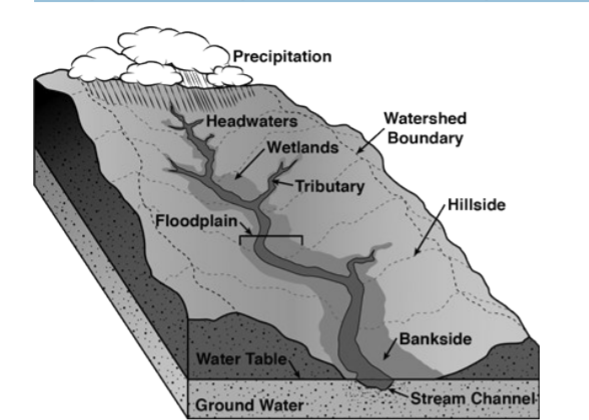

Which of the following would happen if precipitation increased within the watershed boundary?
The water table would rise
Hillside infiltration would be reduced.
Boundaries of the watershed would expande Earth's surface
a recharge zone would be diminished
What is a hole dug below the water table that water seeps into?
well
Spring
Aquifer
Reservoir
What is an underground layer of rock or soil filled with water called?
well
Spring
Aquifer
Reservoir
What is the top of the water-filled spaces in the ground called? (hint: it shows what the water level is in the aquifer)
Groundwater
Reservoir
Water Table
Well
An aquifer is a(n)
well in which water rises because of pressure
underground layer of rock or sediment that holds water
type of hot spring from which the water periodically erupts
place where groundwater bubbles or flows out of cracks in the rock
What is the water that fills the cracks and spaces in underground soil and rock layers called?

Groundwater
Water Table
precipitation
Snow
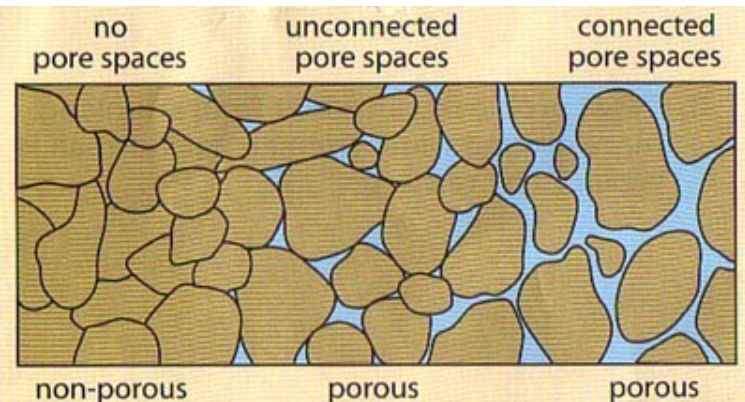
Because they have large connected pores, materials such as sand and gravel allow water to pass through.  This is known as

permeable
impermeable
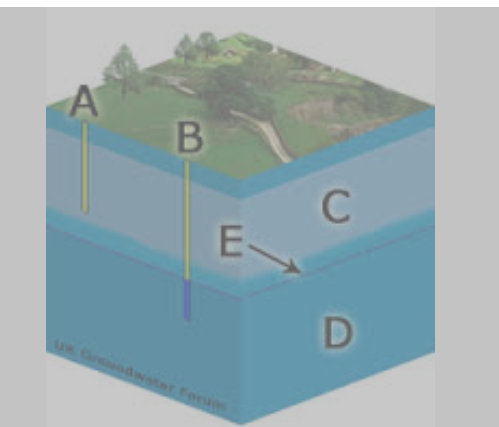
The top of the groundwater’s zone of saturation - E

Surface water
Water table
Aquifer
Zone of Aeration
When water goes from liquid at Earth's surface to vapor in Earth's atmosphere, that is called
evaporation
transpiration
precipitation
condensation
When water vapor turns to liquid, clinging to either dust particles or cold surfaces, that is
precipitation
transpiration
condensation
evaporation
When water, ice, or snow falls from clouds to the earth, that is
evaporation
precipitation
transpiration
condensation
What is a river that flows into another river?
stream
tributary
watershed
reservoir
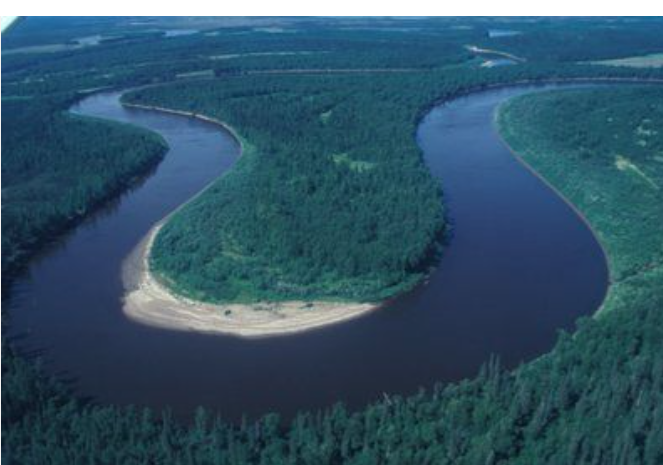
What river feature does this picture show?

Tributary
Estuary
Meander
Divide
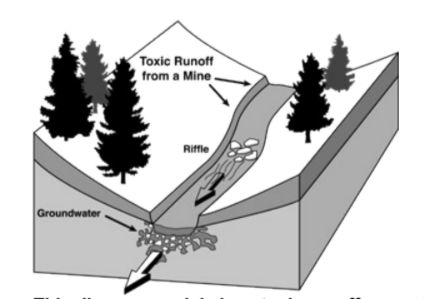
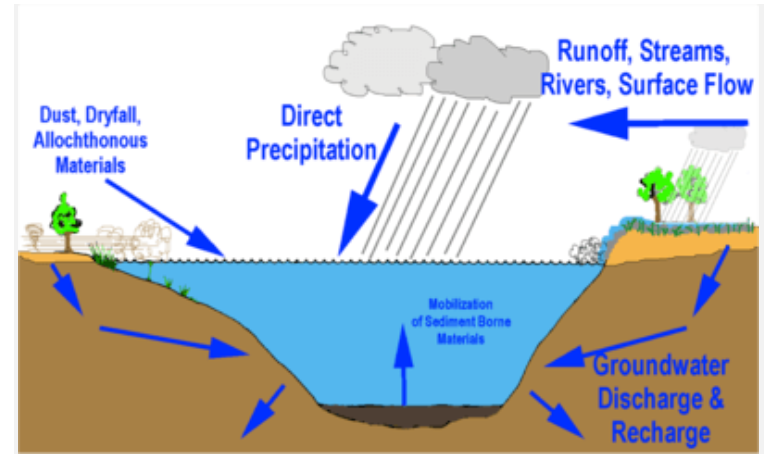
Look at the diagram of a stream with toxic chemicals flowing into it.

This diagram models how toxic runoff can pollute a stream and also
produce acid rain.
cause soil erosion
create algae blooms.
pollute groundwater.
What river feature does this picture showLook at the list of features of a watershed below a highway.
1. roadside soil and plants
2. nearby lakes and streams
3. underground water system
4. wells for drinking water
Which of these features belong in a model of how salt used to melt ice on roads can damage the environment?
1
1 & 2
1, 2, &3
1, 2, 3 & 4
How does subsidence affect the land?
It causes salination of wells as salt water mixes with groundwater
It causes sinking due to large amounts of ground water being removed
It can result in desertification
It can result in an increase in erosion by water and wind
What is the transition between water and ocean?
Headwater
Mouth
Tributary
Estuary
In which of the following types of soil would you expect ground water to move the slowest? A.
Sandy
Silt
Clay
Gravel
How does the replacement of large areas with concrete and asphalt affect the land?
It changes the bedrock of underlying layers of soil
It prevents the dynamics of the rock cycle
It increases the amount of groundwater in porous rock because it is impermeable
It increases erosion of sediments by increasing runoff because it is impermeable