5/7 Cycles/Math Review
star
star
star
star
star
Last updated about 1 year ago
50 Nsɛmmisa
1
1
1
1
1
1
1
1
1
1
1
1
1
1
1
1
1
1
1
1
1
1
1
1
1
1
1
1
1
1
1
1
1
1
1
1
1
1
1
1
1
1
1
1
1
1
1
1
1
1
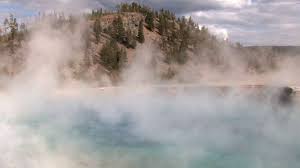
The image above shows the water on the top of a lake turning into a gas and rising as the sun heats it. What step of the water cycle does this represent?
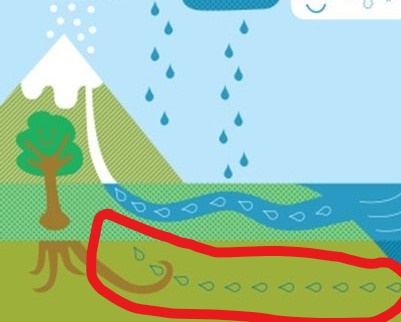
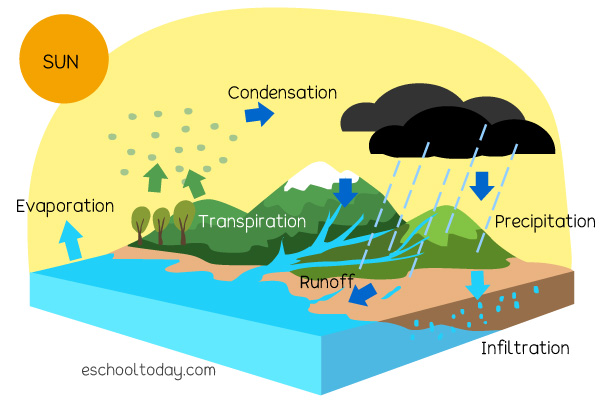
What step of the water cycle is represented by the part of the diagram circled in red where water is being filtered as it passes through the soil? (precipitation, evaporation, transpiration, runoff, condensation, infiltration)
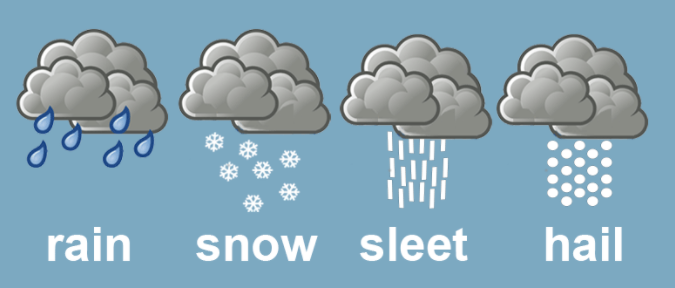
The rain, snow, sleet, and hail in the picture above best represents what step of the water cycle?
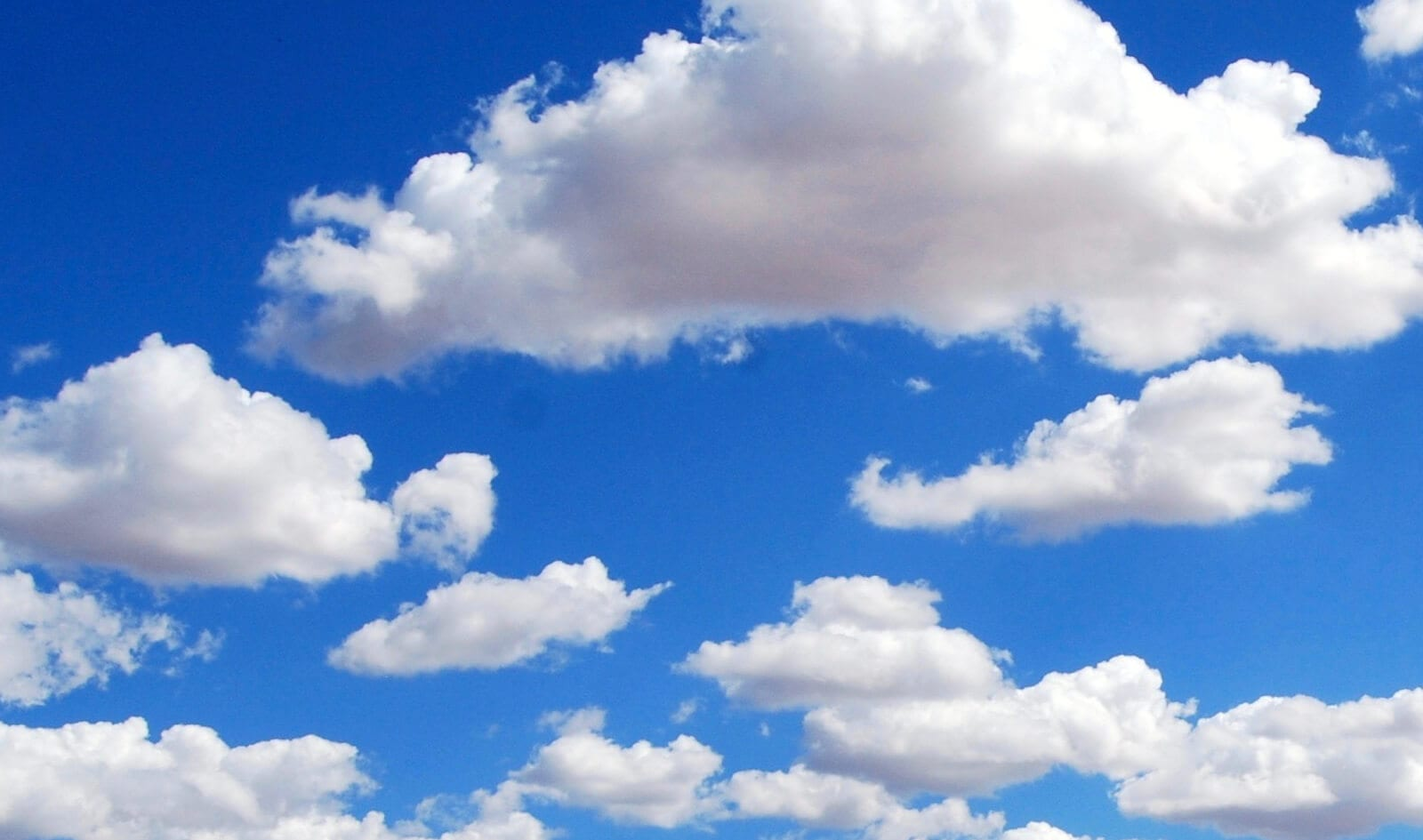
CLOUDS best represent which step of the water cycle?

What step of the water cycle is represented by the part of the diagram circled in red showing water moving from the surface to a body of water?
(percipitaion, evaporation, transpiration, runoff, condensation)
Mr. Beeler asked the class to explain what infiltration is. Below are 3 students answer:
Maria: Infiltration is when plants lose water from their leaves
Joselyn: Infiltration is when water soaks into the soil
Sam: Infiltration is when water on the surface of the runs into a body of water like a lake
Which student do you agree with?
What is infiltration?
How do humans alter the water cycle?
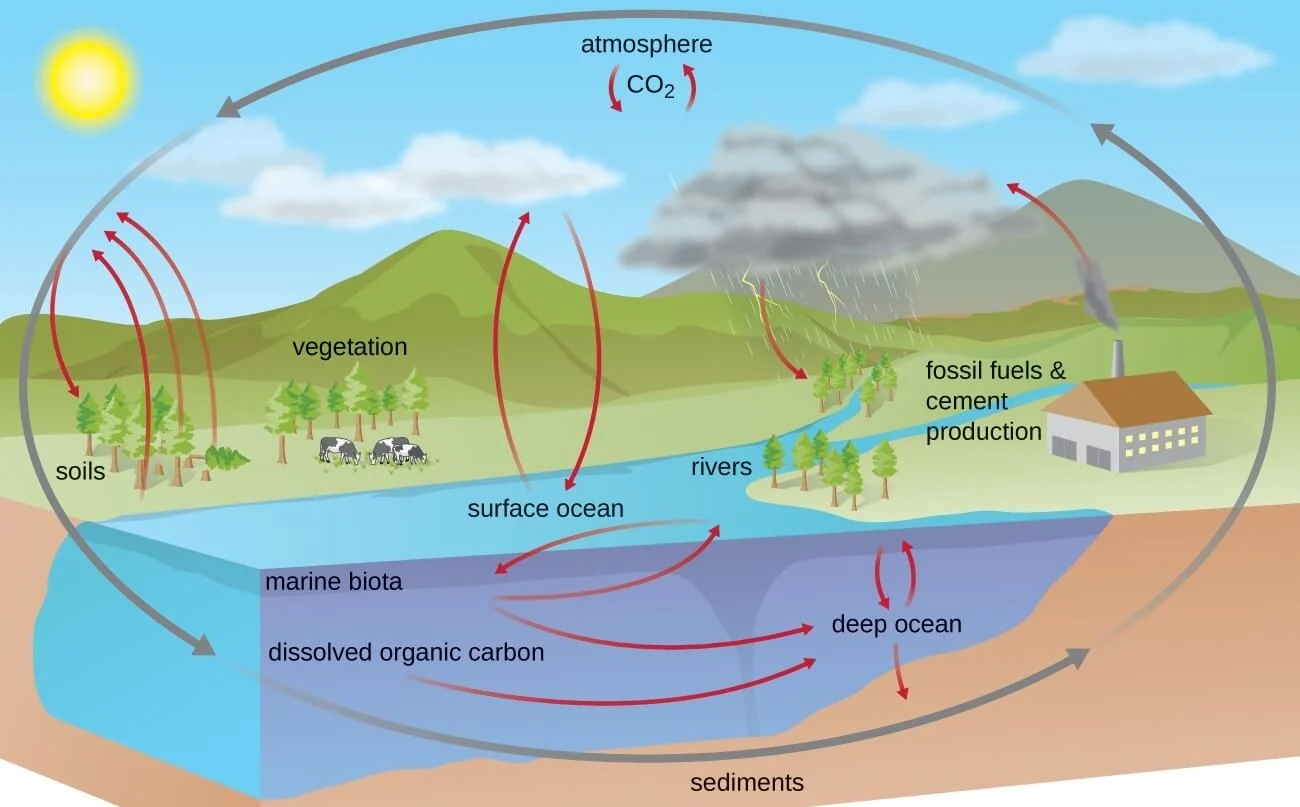
Most of the earth's carbon is found where?
Which is TRUE about photosynthesis
How do consumers get the carbon they need?
When a person breaths out CO2 what process is involved?
When a tree dies bacteria and fungi break it down. What is this process called?
Jonathan is talking about the process when carbon dioxide is absorbed into the ocean. What is the name of this process?
A forest fire is an example of:
How do humans alter the carbon cycle?
What percent of the air is nitrogen?
What is assimilation?
What happens to the nitrogen found in the remains of dead organisms?
What is assimilation?
What is the major reservior of nitrogen?
How does nitrogen get to the soil?
Process by which ammonium is changed into nitrates by bacteria.
Process when the plants absorb nitrates from the soil into their roots.
Process when extra nitrogen in the soil is put back out into the air.
Ammonification is part of the decaying process. When a plant or animal dies, decomposers like fungi and ________turn the nitrogen back in ammonium so it can reenter the nitrogen cycle.
Denitrification is performed by
How do humans alter the nitrogen cycle?
What is the major reservoir of the phosphorus cycle?
Why is Phosphorus an important molecule for life?
How do animals receive phosphorus?
How do plants receive phosphorus? (More than one choice)
What happens to Phosphorus that erodes from rock and soil?
What happens to the phosphates when plants and animals die?
What happens to the phosphorus that is carried by runoff to the oceans?
What is different about the Phosphorus cycle when compared to the water and carbon cycles?
Similar to the nitrogen cycle, excess phosphorus in water ecosystems can cause
How do humans alter the phosphorus cycle?
One billion
70 trillion
234 to 324
324 to 225
2015 = $345,000
2016 = $325,000
2017 = $355,000
What were the annual percent changes from 2015-2016?
2015 = $345,000
2016 = $325,000
2017 = $355,000
What were the annual percent changes from 2016-2017?
How much energy is required to raise the temperature of one thousand gallons of water by 25°F?
Radon has a half life of 3.8 days. After 7.6 days, 6 grams remain. What was the mass of the original sample?
pH is a scale that increases or decrease by 10x. How much more acidic is an acid of 4 versus water with a pH of 7?
Productivity
Gross Primary Production - Cellular Respiration = Net Primary Productivity
Gross Primary Productivity is 5 g C/m2 or kJ/m2. Cellular respiration is 3 g C/m2 or kJ/m2. What is the NPP?
Rule of 70
For doubling time.
A country has a growth rate of 2%. How many years will it take to double?
10% Rule
As energy moves up trophic levels, only 10% of the energy passes on, while 90% is lost to heat or other mechanisms.
If the producers starts with 10,000 kJ of energy, what is left for the secondary consumer?