Social Reform Movement - Basic rights such as voting had expanded to more and more people by 1815. However, there were some that still did not get these basic rights. Women did not have the right to vote in elections and African Americans were still living in slavery in the Southern states.
Many people wanted to change this. They were called social reformers. They pointed to the Declaration of Independence and argued that the document said ALL people had basic rights the minute they were born in the United States of America. Social reformers wanted to change the Education system (give basic education to all), the factory system (create a higher wage and laws for no kids working), and the prison system (no physical punishment like whippings or starvation in jails).
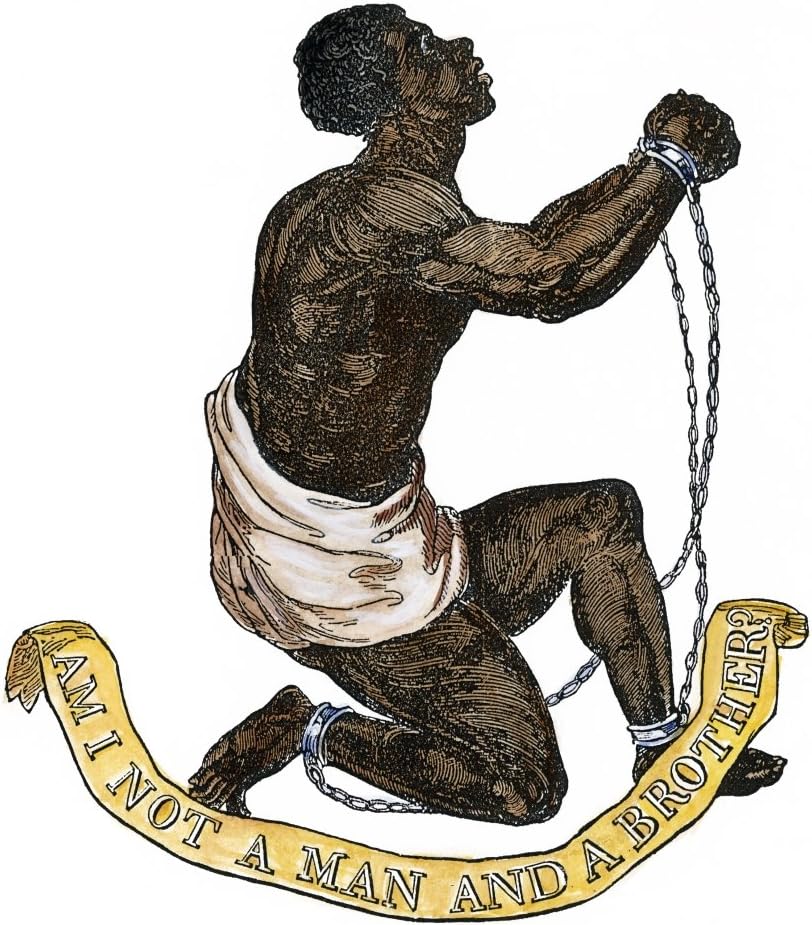
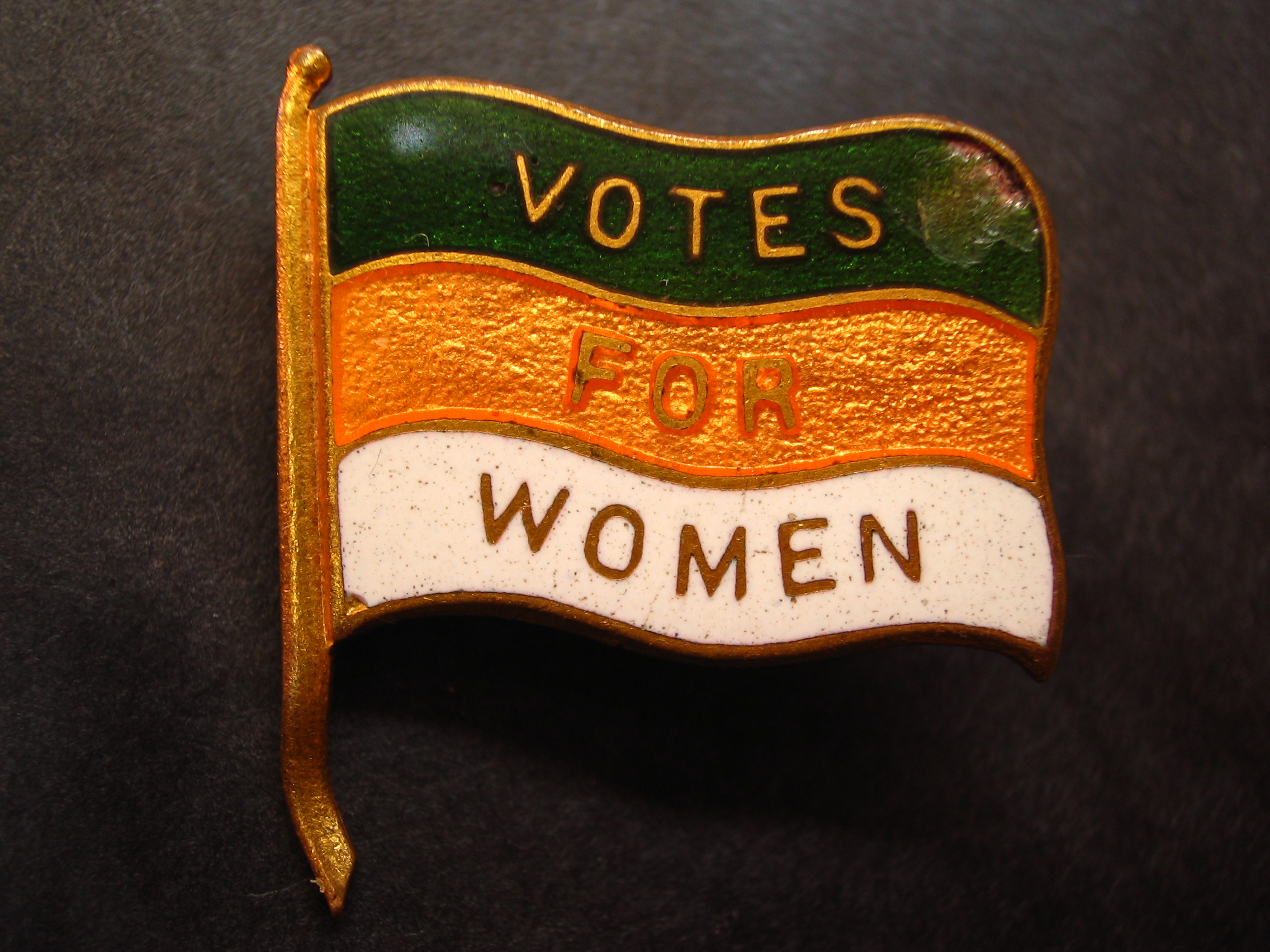
The two areas where social reformers really focused their time and energy were the Abolition Movement (ending slavery) and the Suffrage Movement (women voting).
Question 1
1.
Who does NOT have the right to vote in 1815? (use text above to answer the following questions).
Question 2
2.
What were the people who wanted to end slavery and get women the right to vote called?
1
1
ABOLITION MOVEMENT
Abolition means the legal end of slavery. Many people felt that slavery was a horrible system of labor and should be legally ended in every state of the United States. All Northern states had made slavery illegal by 1820. However, with the invention of the cotton gin, slavery had actually increased in the Southern states.
Many African Americans who had escaped from slavery or been freed by their owners worked to end this system of forced labor based specifically on the color of a person's skin. People such as Fredrick Douglas, Sojourner Truth, Harriet Tubman, Samuel Cornish and David Walker gave public speeches, wrote articles and books, or published newspapers dedicated to explaining why slavery did not fit in with the American system of democratic government. White social reformers such as John Quincy Adams, William Lloyd Garrison, Elizabeth Cady Stanton, and the Grimke sisters, Sarah and Angeline worked alongside African Americans to actively challenge the existence of slavery.
Question 5
5.
What does abolition mean? Use the text above to answer the following questions.
Question 6
6.
When had all northern states legally ended slavery?
Question 7
7.
Check all the African Americans who worked in the Abolition movement in the 1800s. Hint: 5
Frederick Douglass - Abolitionist and Women's Rights Supporter
Question 8
8.
Please use the information above to put the list of events in the correct order. Click and hold down the right side of trackpad/mouse and drag the box to the correct space.
Born in 1818 to an enslaved mother in Maryland.
Given by his owner to Lucretia Auld who sent him to live with her brother-in-law in Baltimore.
Escaped again and made it to New York with the help of Anna Murray.
Published a book about his life which was very, very successful.
Sent back to a plantation to work in the fields.
Tried to escape but was caught and returned to the plantation where he was severely punished.
Died 1895 in Washington DC
Learned to read and write
Saw a speech by William Lloyd Garrison and began working in the Abolition movement giving speeches about the horrors of slavery.
Only African American to attend the Seneca Falls Convention which was working to give women the right to vote.
Suffrage Movement - Women Voting
Women did not have the right to vote in any election in the 1800s. Women could not be elected to any office in government either. Other rights denied to women were legal rights. When a woman got married, any property or money she owned legally belonged to her husband. If a woman worked in a job outside of the home, her wages (pay) also belonged to her husband. A husband had the right to hit his wife as long as he did not seriously injure or kill her. Many women (and some men) thought this needed to change. Elizabeth Cady Stanton, Lucretia Mott, Sarah and Angelina Grimke, and Susan B. Anthony were the major players in this fight for women's suffrage (voting rights).
Question 9
9.
What were some of the rights that women did NOT have in the 1800s? Hint: 4
People Against Women's Rights
Many people were against giving women the right to vote as well as other rights. They argued that women had one job to do and that was take care of their husband, children, and house. They said that husbands or fathers should take care of the voting for the entire family because they would know what was best. This poster was published in a newspaper.
Question 10
10.
Look at the political cartoon above and explain what is going in the picture. What is the overall message of this cartoon. Is this saying that women voting is a good thing or bad thing? What details help you figure out that message?
Question 11
11.
You will be using the video above to answer the next several questions. You can stop the video any time to answer.
When and where was the first Women's Rights Convention held?
Question 12
12.
Which amenment in the Declaration of Rights and Sentiments was opposed by Lucretia Mott?
Question 13
13.
Who was the only African American at the meeting?
The Underground Railroad
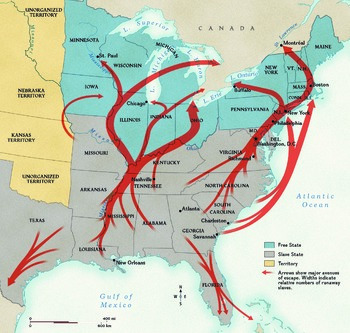
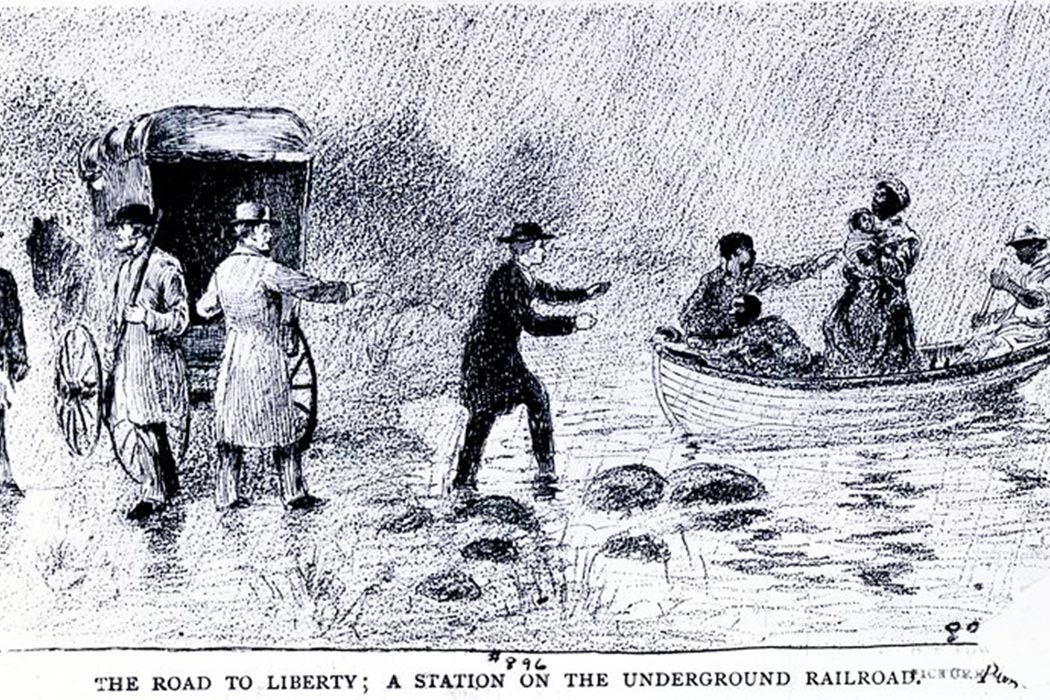
The Underground Railroad was a system of escape pathways that enslaved people used to get to the Northern states or to Canada (no slavery anywhere in Canada). This was NOT are real trail traveling underground. The name Underground Railroad is a nickname for the secret pathways that people used to escape from the South. Other nicknames include:
a conductor - someone who guides escaping slaves on their journey to the North. Harriet Tubman was one of the most famous.
a station or depot - a hiding place. Many times this was in a person's house or in a church. Sometimes it was just a place to stop for a rest with someone to help the escaping slaves on to the next "station".
tracks - the pathway that others had followed
agents - someone who helped enslaved people start their journey to the Northern states or Canada.
passengers - the escaping enslaved person
The escape pathways were not written down so slave owners could not trap escaping enslaved people. This is why is was very important to have other people helping escaping slaves on their journey to the North.
Most enslaved people who tried to escape were not successful the first or even second time. Getting caught and returned to an owner would mean punishments such as whipping or being locked in a room. Many, many enslaved people never stopped trying to escape. It is believed that more than 30,000 enslaved people were able to successfully get to the North or Canada over the 20 years that the Underground Railroad was in use.
Question 14
14.
What was the underground railroad? Use the text above for the following questions.
Hint: Not that picture above.
Question 15
15.
What did the nickname "conductor" stand for on the Underground Railroad?
Question 16
16.
Look at the image and select the best answer from below. You need to know what a station is so check the text above if you don't remember.
Question 17
17.
Most escaping slaves were successful on their first attempt. It was pretty easy to escape.
Question 18
18.
Slave owners did not punish their enslaved people when they tried to escape. They tried to make their lives better so they would stay.
Question 19
19.
Harriet Tubman was a conductor on the Underground Railroad.
Question 20
20.
It is estimated that more than 30,000 enslaved people may have escaped using the Underground Railroad during the 20 years it was used.
Question 3
3.
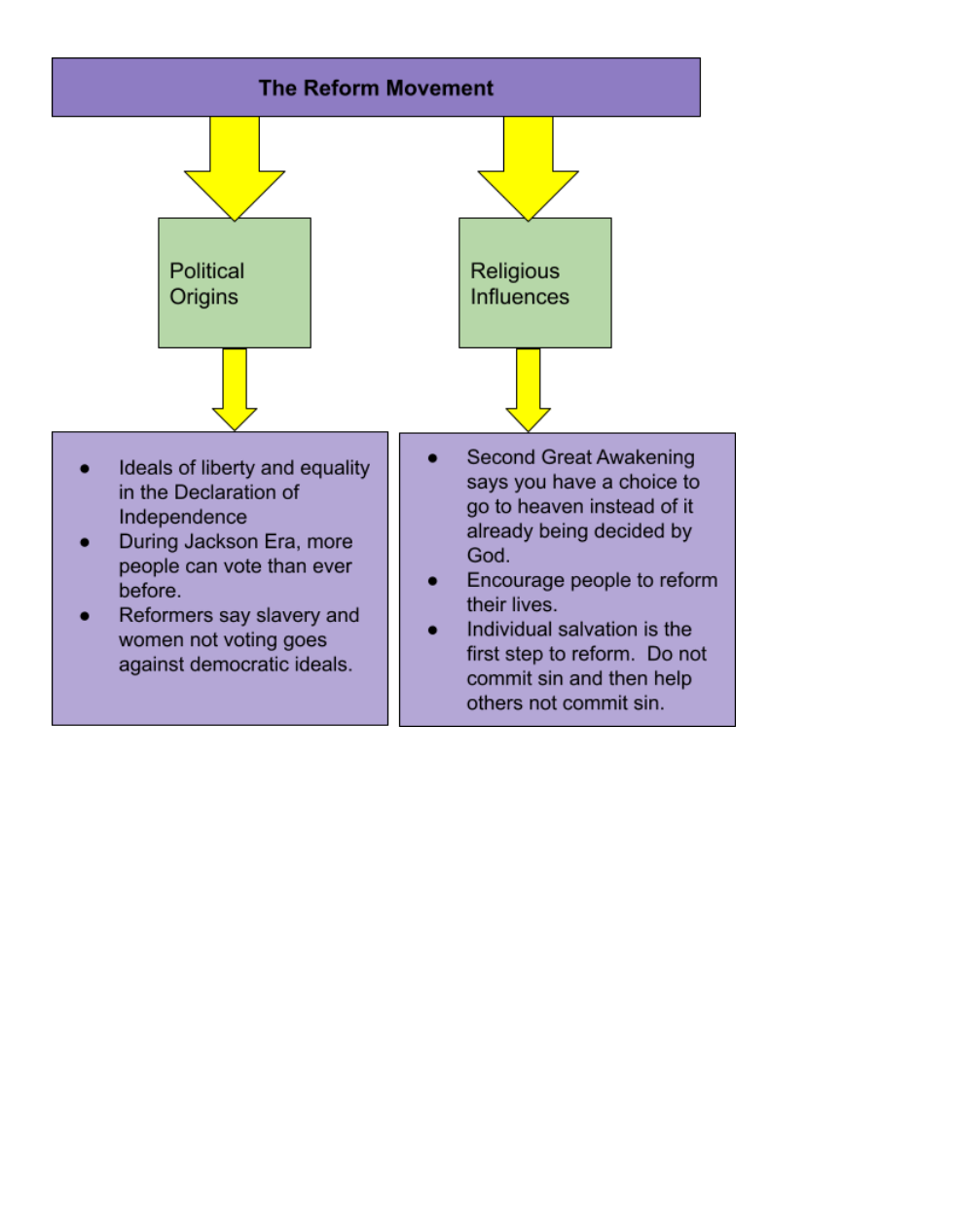
What were some of the political origins for the Reform Movement? There are 3 answers that you need to check.
Question 4
4.
What were some of the religious influences for the Reform Movement? There are three answers that you need to check.