Log in
Sign up for FREE
arrow_back
Library

Unit 4: Inheritance and Variation Test

star
star
star
star
star
Last updated about 3 hours ago
39 questions
Required
1
LS1.D
Required
1
LS3.A
Required
1
LS3.B
Required
1
LS3.B
Required
1
LS3.B
Required
1
LS3.B
Required
1
LS3.A
Required
1
LS3.A
Required
1
LS3.B
Required
1
LS3.A
Required
1
LS3.B
Required
1
LS3.B
Required
1
LS1.D
Required
1
LS3.B
Required
1
LS3.A
Required
1
LS3.A
Required
1
LS3.A
Required
1
LS3.A
Required
1
LS3.B
Required
1
LS3.A
Required
1
Required
1
Required
1
Required
1
LS1.D
Required
1
Required
1
1
Required
1
Required
1
LS3.A
Required
1
LS3.A
Required
1
LS3.A
Required
1
Required
1
LS3.A
Required
1
LS3.A
Required
1
LS3.A
Required
1
LS3.A
Required
5
LS3.A
Required
1
LS1.B
Required
1
LS1.D
Question 1
1.

Compared with normal hemoglobin, the hemoglobin of a person with sickle cell disease

Question 2
2.

The following cross shows two people who are carriers for sickle cell anemia. In this cross, R is the allele for a normal red blood cell, while r is the allele for a sickle, mutated blood cell.
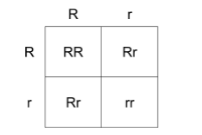
​​What is the chance that an offspring from this cross will be fully affected with sickle cell anemia?
Read the scenario and use the information to help you answer the questions.
Disease Possibilities
A man and woman have decided to have children but are worried about possible genetic diseases. The couple visits a geneticist to determine what the possible risks are for their future children. The couple learns that they are both carriers (heterozygous) for Sickle Cell Disease. Each of them has one recessive allele. In order to have Sickle Cell Disease, you have to have two recessive alleles. The following year, the parents are blessed with a bouncing baby boy!
Question 3
3.

Which of the following is the correct genotype of the parents?

Question 4
4.

What is the probability (percent chance) that the child will have the same genotype as the parents?

Question 5
5.

What is the probability (percent chance) that the child will have Sickle Cell Disease?

Question 6
6.

The baby boy goes through his newborn tests and the doctors discover that the boy does have Sickle Cell Disease. What is the child's genotype?

Question 7
7.

At the end of Meiosis, how many gametes are produced?

Question 8
8.

How many chromosomes does a diploid human cell have?

Question 9
9.

Which three of the following may lead to genetic variations?

Question 10
10.

The gametes produced at the end of Meiosis are different in chromosome number than other cells in that they have fewer chromosomes. After going through the process of Meiosis, gametes are referred to as

Question 11
11.

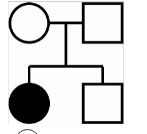
Based on the pedigree shown below, how is it possible for the daughter to have a curved thumb while the rest of the family has straight thumbs? Straight thumbs are dominant, curved thumbs are recessive.

Question 12
12.

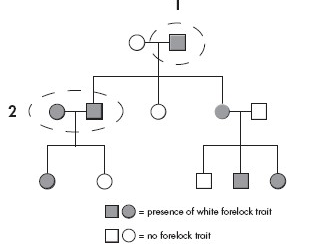
The allele for the presence of a white forelock is dominant in Figure 14–1. What is the probability of the couple labeled 2 of having a child with the trait?

Question 13
13.

Carefully review the entire image above before answering the question.

Epigenetics has the ability to change phenotypes. Epigenetics is not considered a mutation because

Question 14
14.

Mendel's law of segregation occurs during which phase of meiosis?

Question 15
15.

What is the role of meiosis in sexual reproduction?

Question 16
16.

Gametes are produced by the process of

Question 17
17.

Gametes have

Question 18
18.

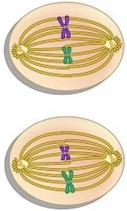
What is shown in the image below?

Question 19
19.

If a eukaryotic cell has 20 chromosomes and it undergoes meiosis, how many cells will result, and how many chromosomes will they contain?

Question 20
20.

Draggable itemarrow_right_altCorresponding Item
arrow_right_alt
arrow_right_alt
arrow_right_alt
arrow_right_alt
arrow_right_alt
arrow_right_alt
arrow_right_alt
arrow_right_alt
Question 21
21.

What is the process in which DNA makes a copy of itself?

Question 22
22.

What is the function of DNA polymerase during replication?

Question 23
23.

Why is DNA replication considered semi-conservative?

Question 24
24.

True or false: ALL mutations effect the resulting protein

Question 25
25.

Which of the following explains why mutations may have no affect on a protein?

Question 26
26.

Which of the following mutations is most likely going to have large affects on any proteins made from the gene(s) involved?

Question 27
27.

In humans the ability to taste Phenylthiocarbamide (PTC) is dominant. “Tasters” (TT) or (Tt) taste an extremely bitter taste from PTC, while “non-tasters” (tt) do not taste anything.

What are the genotypes of Mr. and Mrs. Jones if they can taste PTC but have a child who is a non-taster?

Question 28
28.

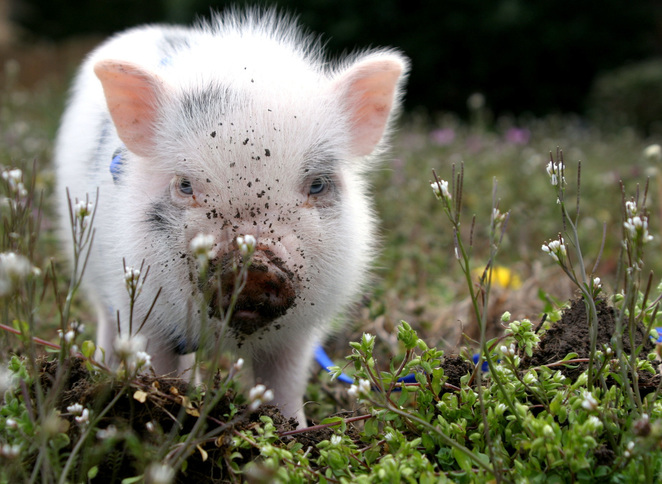
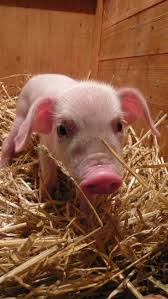
In pigs, having erect ears that stick up (E) is dominant to having droopy ears (e).


If a pig has droopy ears what must its genotype be?

Question 29
29.

Fill in the missing information for the Punnett square below

Question 30
30.

What is the expected genotype ratio of a monohybrid cross (Tt x Tt)?

Question 31
31.

What are the possible genotypes of offspring from a cross between two heterozygous parents?

Question 32
32.

Question 33
33.

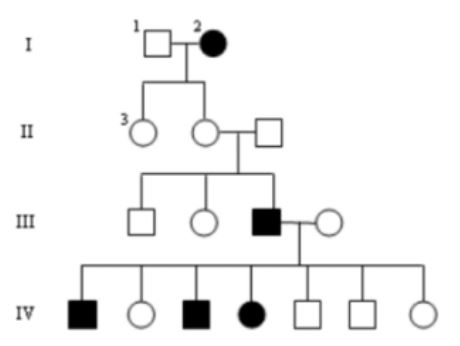
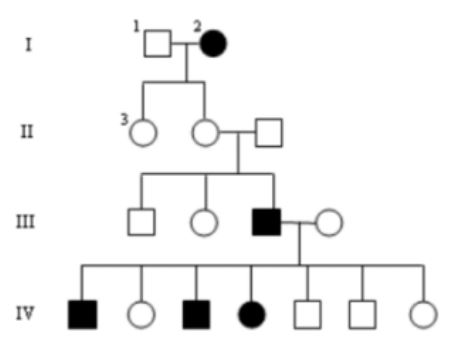
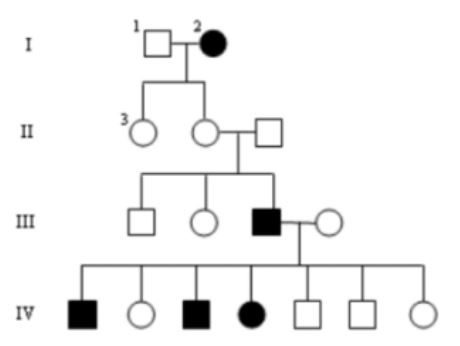
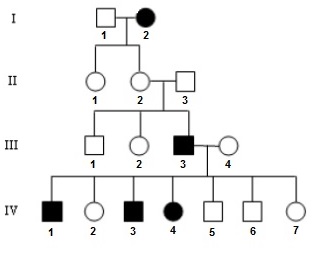
How many males are there?

Question 34
34.

How many males have hemophilia?

Question 35
35.

How many children did the couple in generation 3 (III) have?

Question 36
36.

This pedigree tracks hemophelia in a family. How many of II-2's grandsons have hemophelia?

Question 37
37.

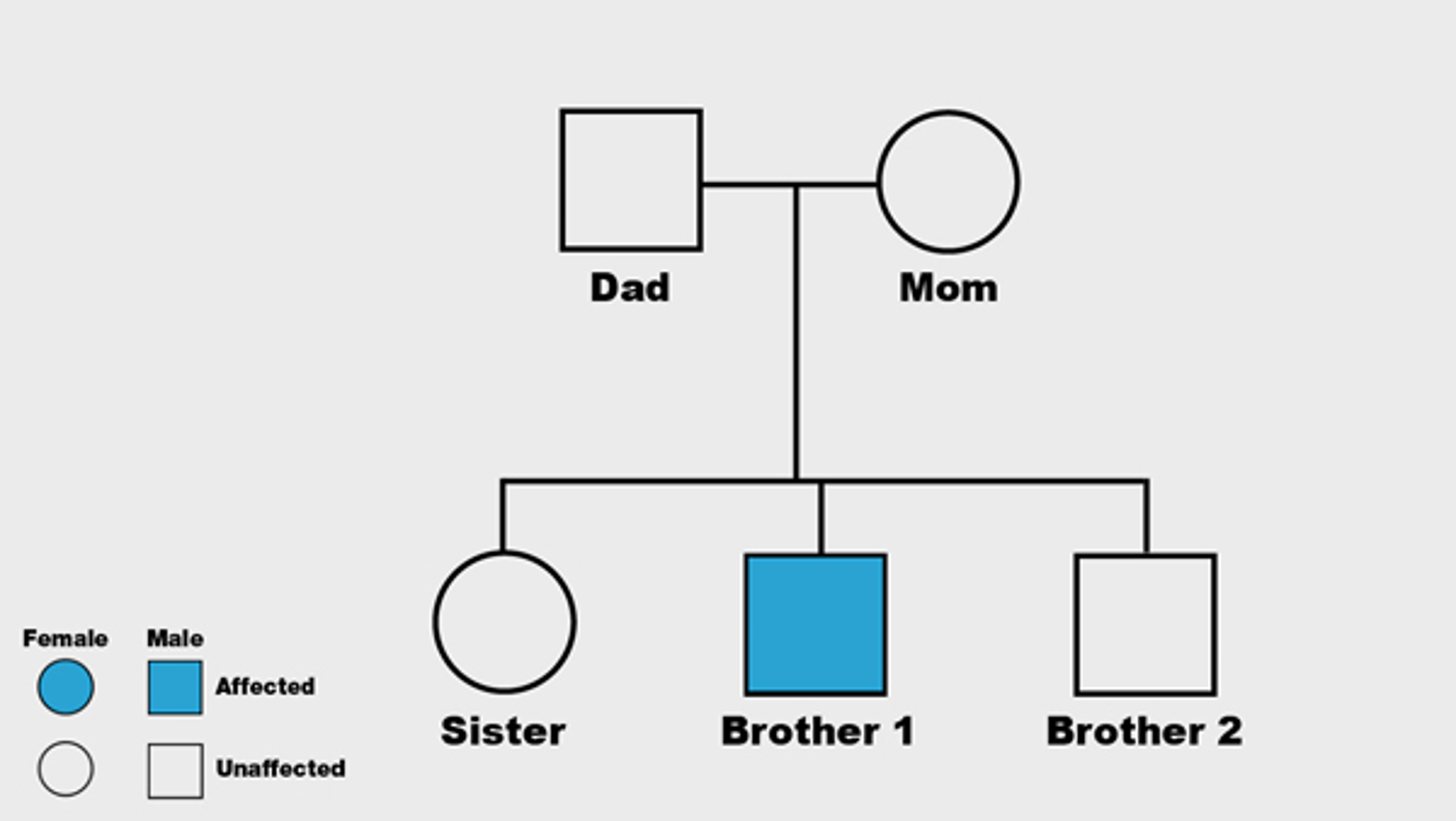
The pedigree below tracks the appearance of a recessive trait:
Match each individual on the left with the correct genotype on the right.

  • Mom
  • Sister
  • Brother 2
Question 38
38.

How does the end result of mitosis compare to meiosis? Select ALL that apply.

Question 39
39.

Compare the mutated DNA sequence to the original. Identify the mutation as either an insertion, deletion, or substitution, and whether it is a frameshift, missense, nonsense, or silent mutation.

Original DNA Sequence: T A C A C C T T G G C G A C G A C T

Mutated DNA Sequence: T A C A T C T T G G C G A C G A C T

Their offspring has a 75% chance of being fully affected with sickle cell anemia.
Their offspring has a 50% chance of being fully affected with sickle cell anemia.
Their offspring has a 100% chance of being fully affected with sickle cell anemia.
mutations
The mother must be homozygous and the father must be heterozygous.
Both parents must be homozygous.
75%
50%
4 cells, each with 10 chromosomes
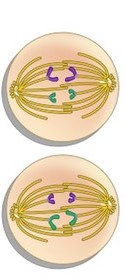
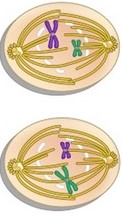
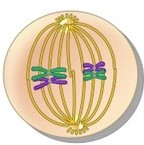
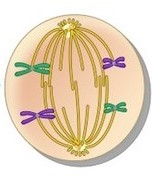
Match the number of each phase in the diagram to the phase of meiosis that is shown.
Prophase I
Anaphase II
Metaphase I
Metaphase II
Telophase/cytokinesis II
Anaphase I
Interphase
Prophase II
silent mutations
tt
There is not enough information to determine this
Tt
can't be determined
EE
ee
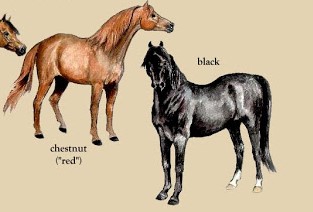
In horses, having black hair is dominant (B) to having chesnut colored hair (b).


If a homozygous dominant horse is crossed with a chesnut colored horse, then what are the chances they will have a foal (a baby horse) with chesnut colored hair?
50%
75%
100%
Dad
Brother 1
Definitely homozygous dominant
Definitely heterozygous
Definitely homozygous recessive
Could be homozygous dominant or heterozygous