SickleCellMalariaChiSquare
star
star
star
star
star
Last updated 5 months ago
25 Nsɛmmisa
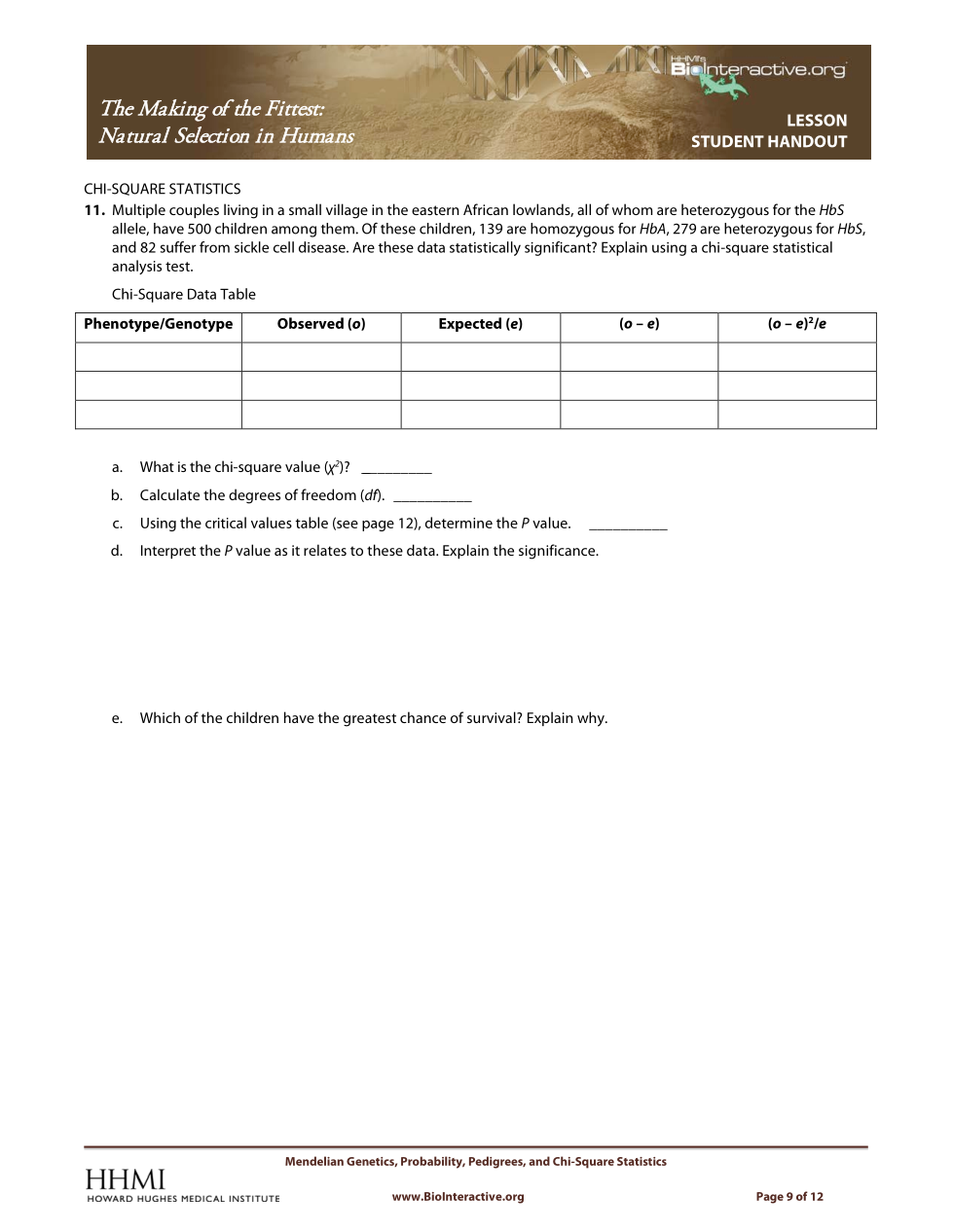
reject null hypothesis - there is a statistically significant difference btw obs and exp - natural selection is acting on the population
AS genotypes
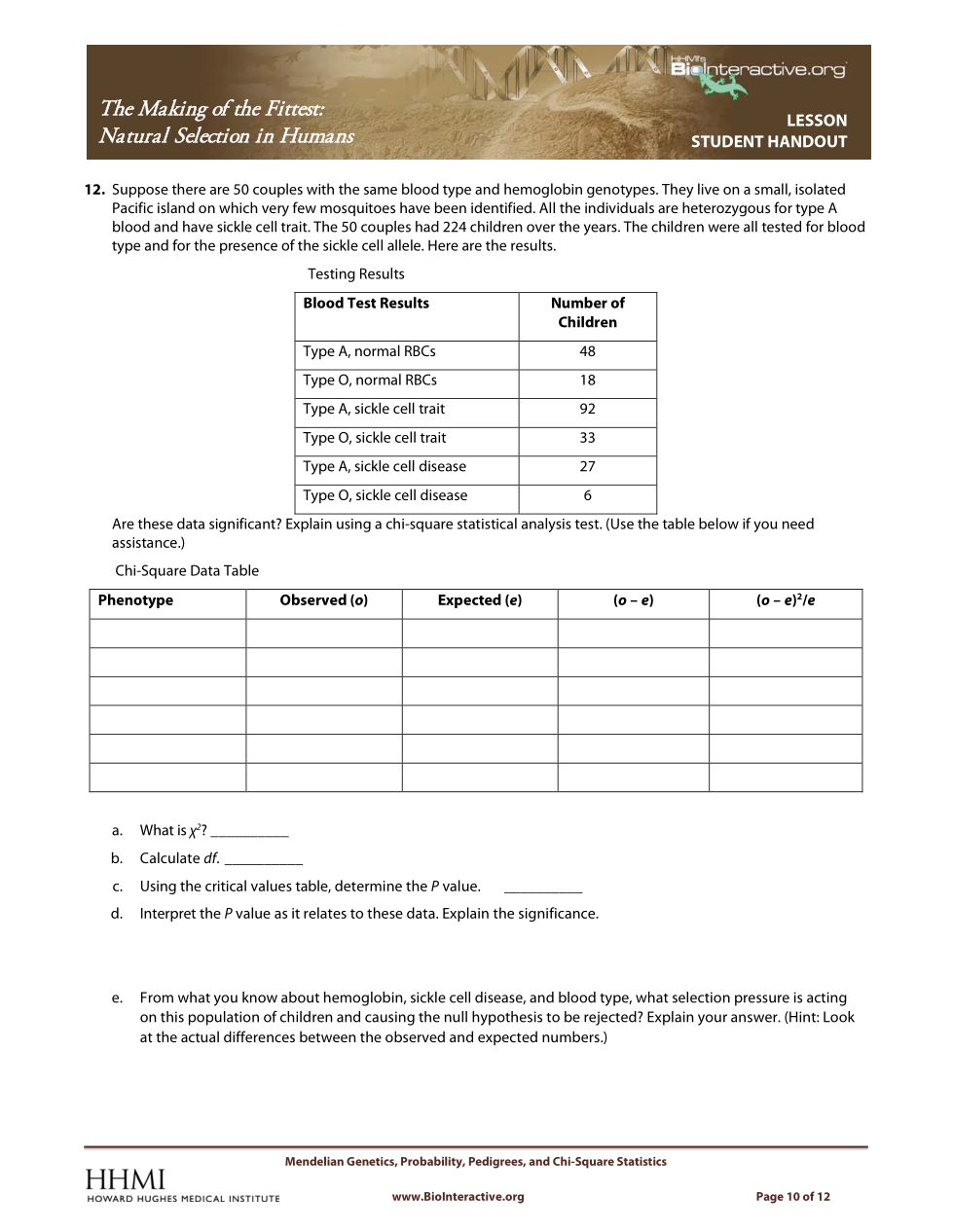
P < .05
null is rejected
SS selected against - likely poor health care
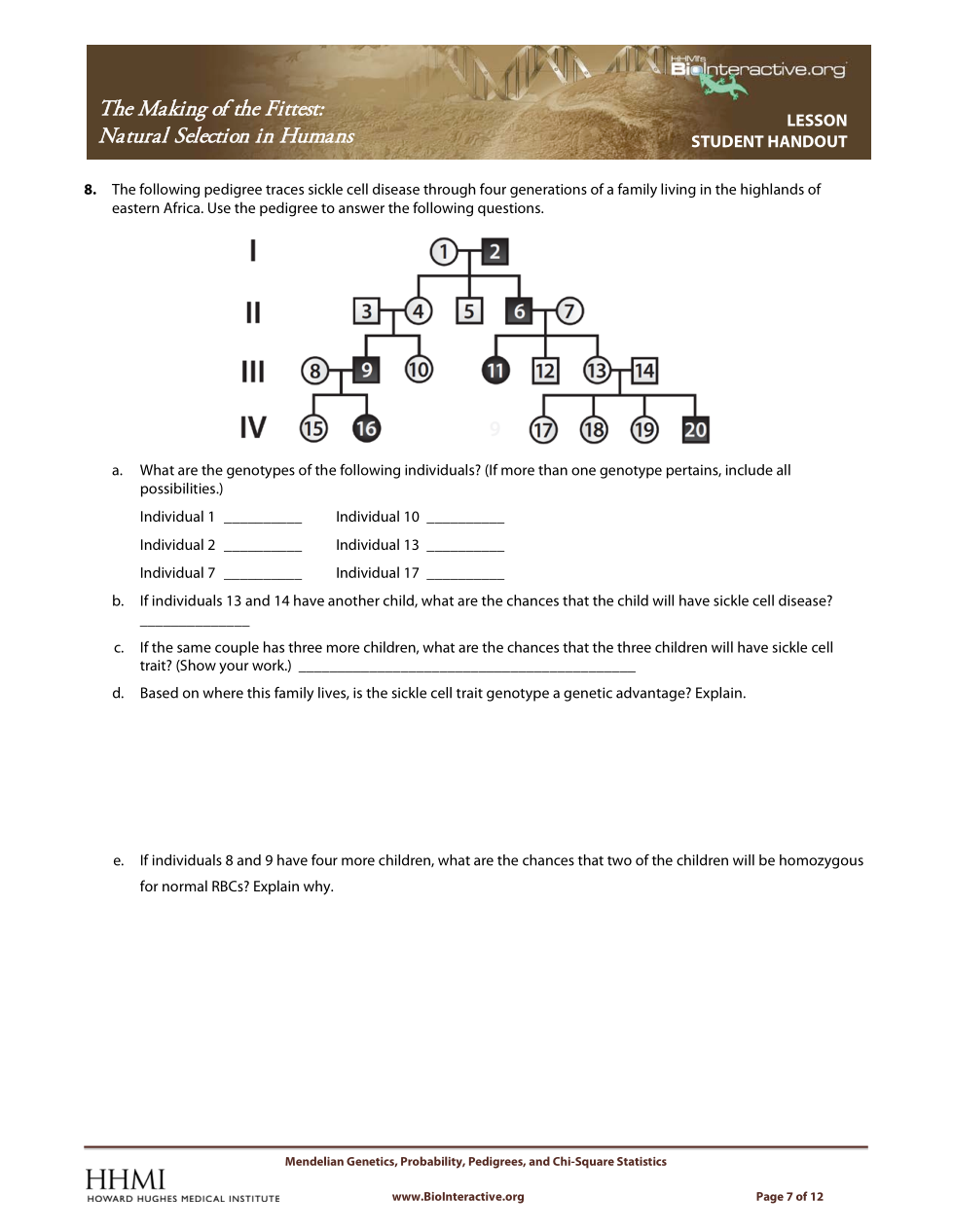
No - the highlands are dry so less malaria
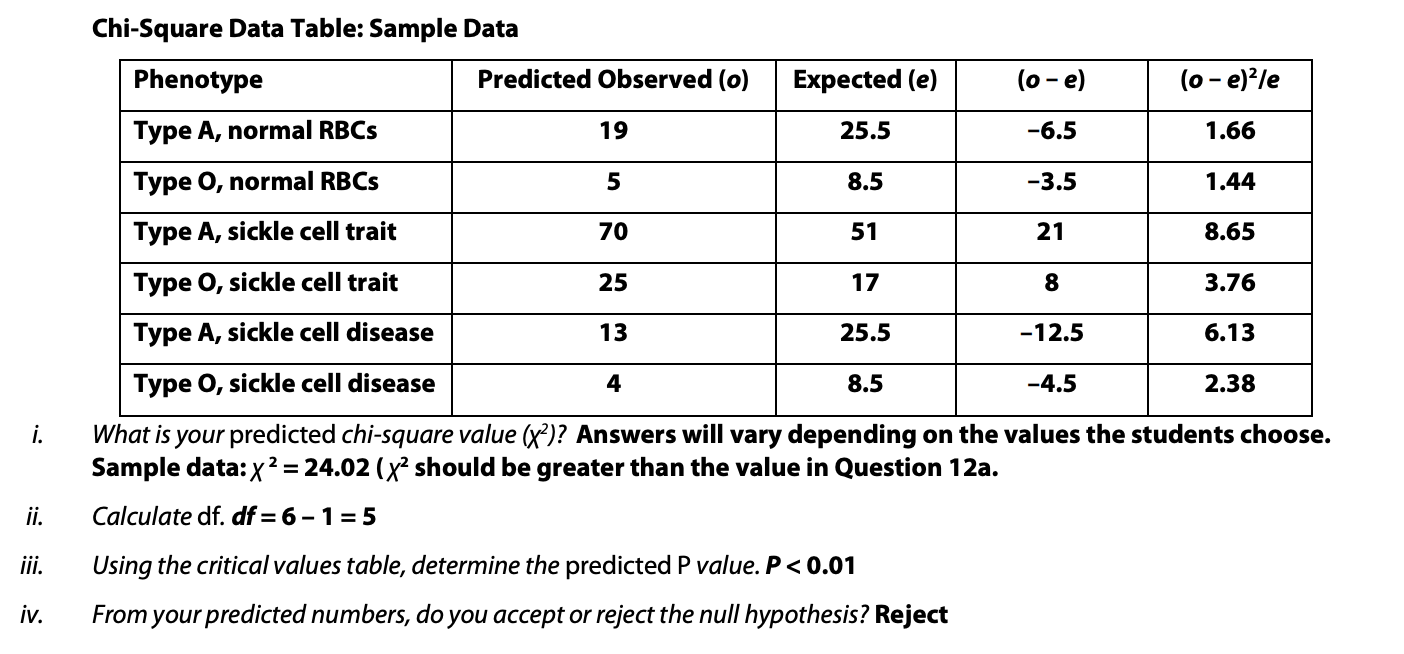
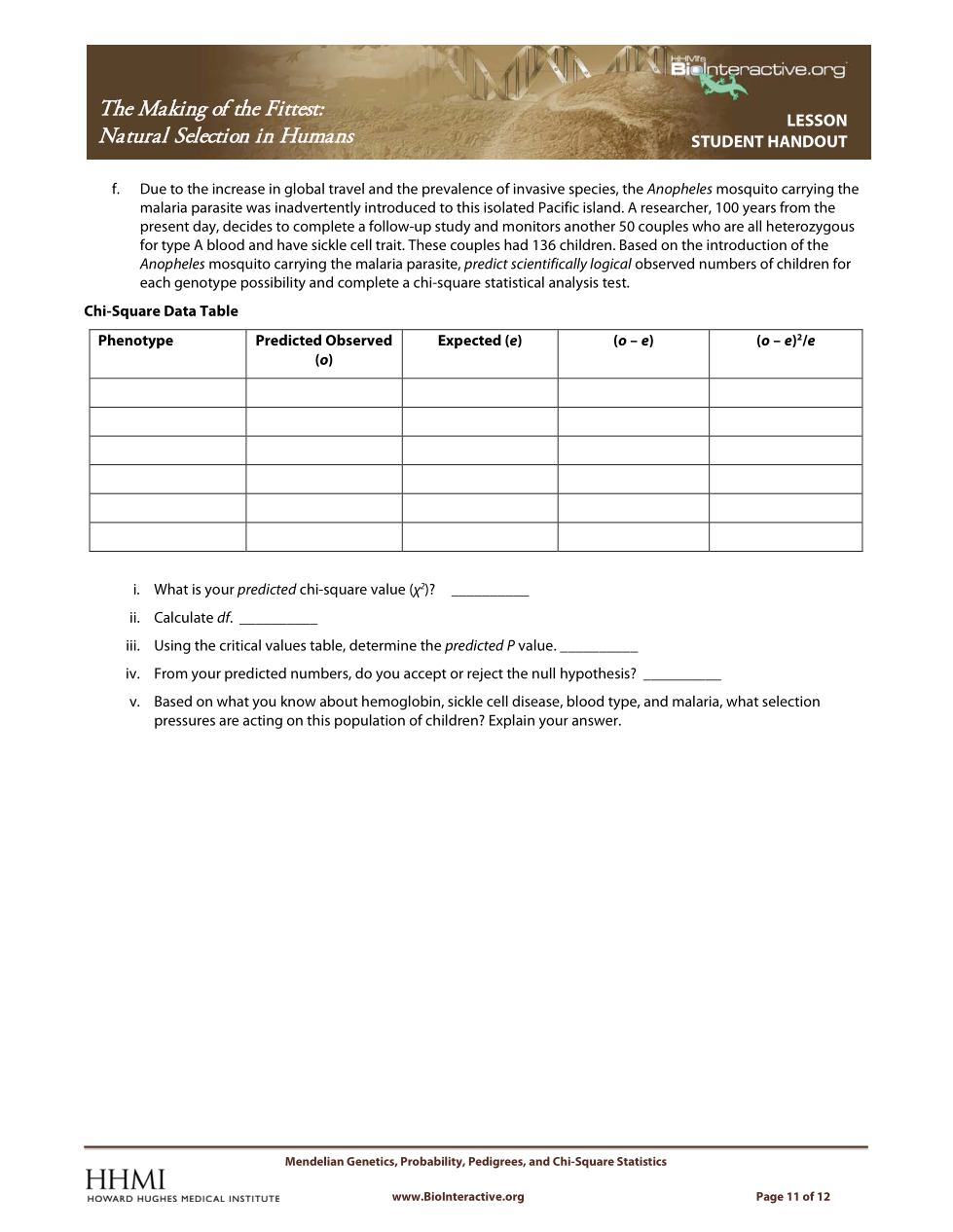
The isolated population sampled here is facing selection pressures caused by both limited health care as it relates to sickle cell disease and the introduction of malaria through the Anopheles mosquito, which carries the malaria-causing parasite. Therefore, the deviation of the observed numbers from the expected numbers is larger than it was from the first scenario due to the presence of three selection pressures. First, the sickle cell disease genotype (SS) is strongly selected against; second, the normal (AA) genotype is selected against due to the higher susceptibility to malaria infection. Finally, the data suggest that there is selection for the sickle cell trait (AS) genotype because these individuals do not have sickle cell disease and are more resistant to malaria.