U11 Bivariate Data Practice
star
star
star
star
star
Last updated about 5 years ago
12 Nsɛmmisa
9
7
1
Match the word to the correct definition.
| Draggable item | arrow_right_alt | Corresponding Item |
|---|---|---|
Line of Best Fit | arrow_right_alt | y tends to DECREASE as x INCREASES |
Positive Correlation | arrow_right_alt | a number from -1 to 1 that measures how well a line fits the set of data plotted on the scatter plot (denoted by r) |
Correlation | arrow_right_alt | means that one thing will cause the other |
No Correlation | arrow_right_alt | y tends to INCREASE as x INCREASES |
Residual Value | arrow_right_alt | A statistical way to measure the relationshp between two sets of data. It means that both things are observed at the same time. |
Correlation Coefficient | arrow_right_alt | often used to present bivariate quantitative data. Each variable is represented on an axis and the axes are labeled accordingly. |
Scatter Plot | arrow_right_alt | a straight line on a scatter plot that comes closest to all the dots on the graph. |
Causation | arrow_right_alt | x and y seem to have NO relationship, or the data shows no pattern |
Negative Correlation | arrow_right_alt | the actual value minus the predicted value |
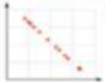
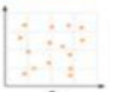
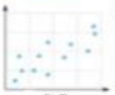
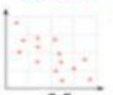
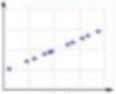
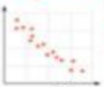
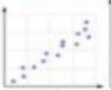
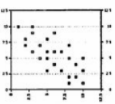
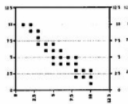
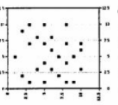
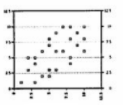
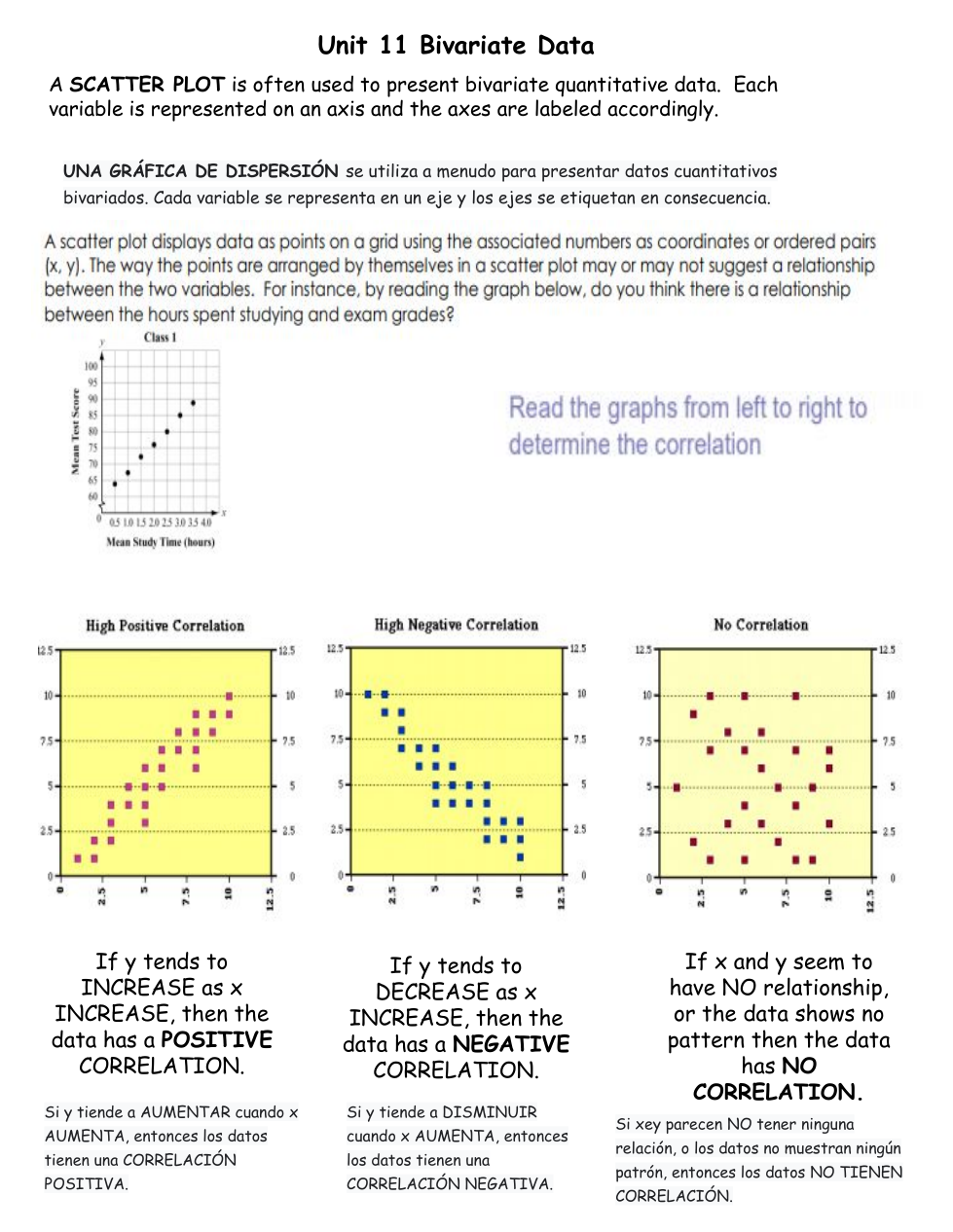
Match the correlation coefficient to each picture.
| Draggable item | arrow_right_alt | Corresponding Item |
|---|---|---|
-0.8, moderately strong negative correlation | arrow_right_alt | |
-1, strong negative correlation | arrow_right_alt | |
-0.5, weak negative correlation | arrow_right_alt | |
0.8, moderately strong positive correlation | arrow_right_alt | |
0, no correlation | arrow_right_alt | |
0.5, weak positive correlation | arrow_right_alt | |
1, strong positive correlation | arrow_right_alt |
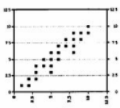
Do you think there is a relationship between the hours spent studying and exam grades? (refer to the graph)
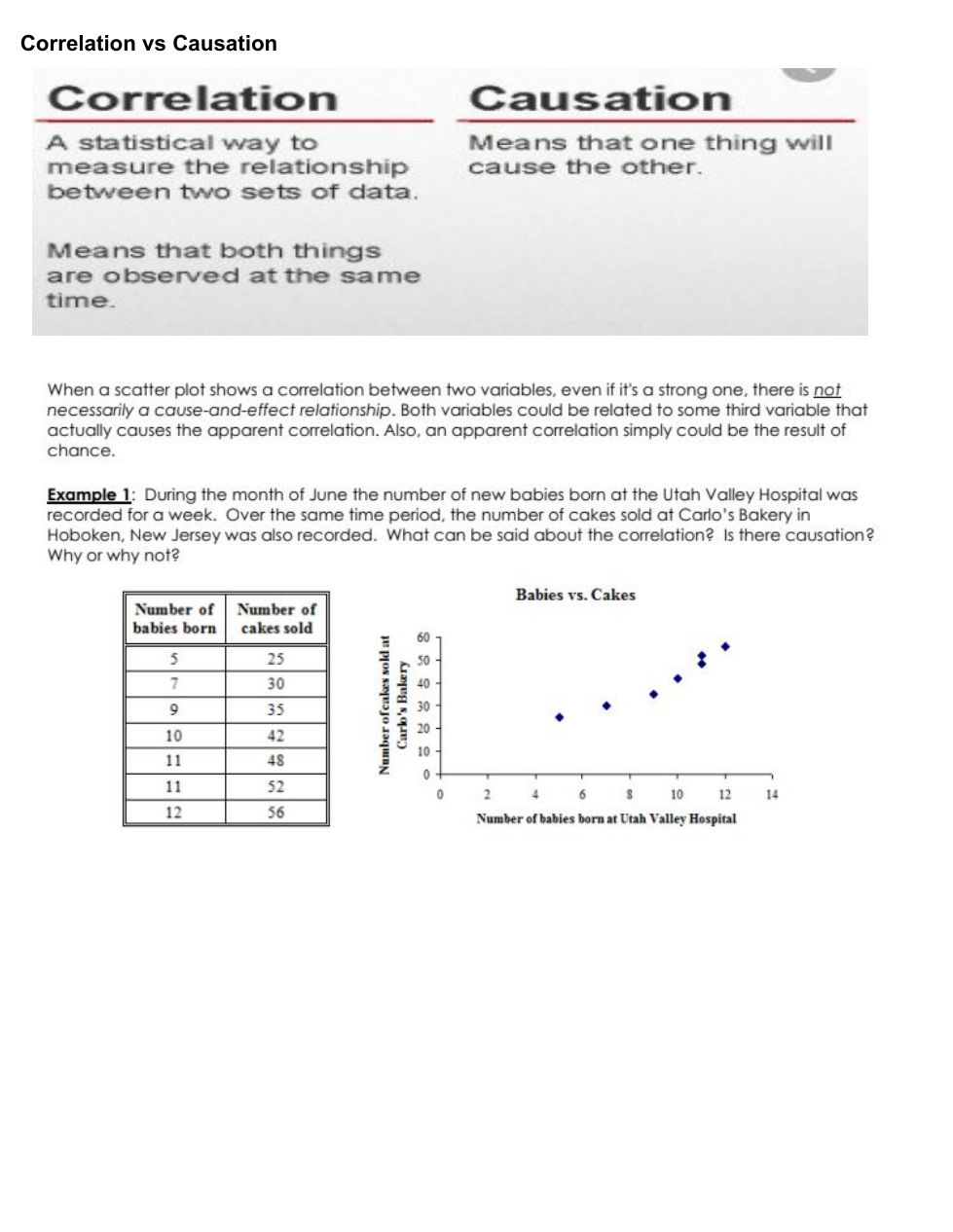
What is the correlation between the number of babies born at Utah Valley Hospital and the number of cakes sold at Carlo's Bakery in New Jersey?
Is there causation between the number of babies born at Utah Valley Hospital and the number of cakes baked at Carlo's Bakery in New Jersey?
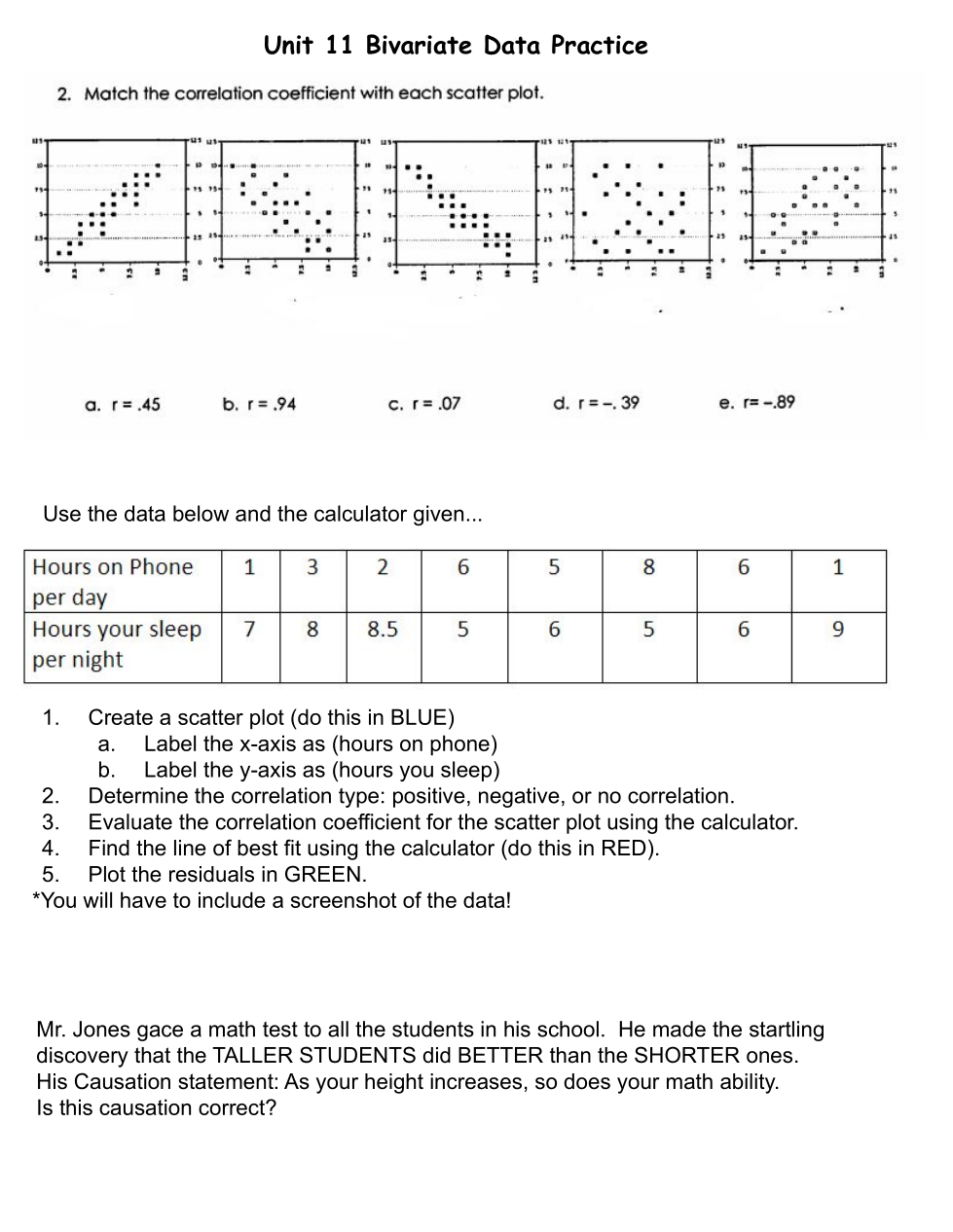
| Draggable item | arrow_right_alt | Corresponding Item |
|---|---|---|
A .45 | arrow_right_alt | |
E -.89 | arrow_right_alt | |
B .94 | arrow_right_alt | |
D -.39 | arrow_right_alt | |
C .07 | arrow_right_alt |
Create a scatter plot in BLUE using the desmos graphing calculator. Label the x-axis and y-axis using the worksheet information. UPLOAD YOUR PICTURE!
Determine the correlation type:
Graph the line of best fit in RED using the desmos calculator. Type in your final equation. UPLOAD A PICTURE!
Evaluate the correlation coefficient for the scatter plot using the desmos calculator. UPLOAD A PICTURE!
Plot the residuals in GREEN of the scatter plot using the desmos calculator. UPLOAD A PICTURE!
Mr. Jones gave a math test to all the students in the school. He made the discovery that the taller students did better than the shorter ones. His causation statement was: AS YOUR HEIGHT INCREASE, SO DOES YOUR MATH ABILITY. Is this causation correct?