The star labels the....
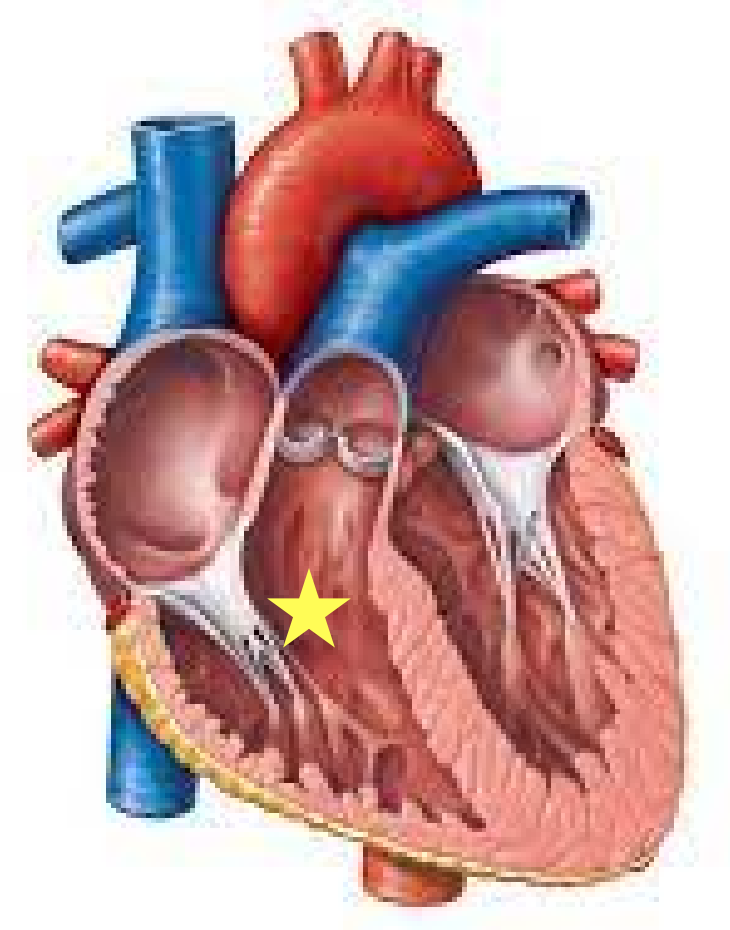
The star labels the....
The star labels the....
Identify the structure highlighted below
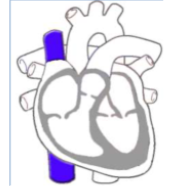
The upper chambers of the heart are called.
The bicuspid and tricuspid valves separate which of the following?
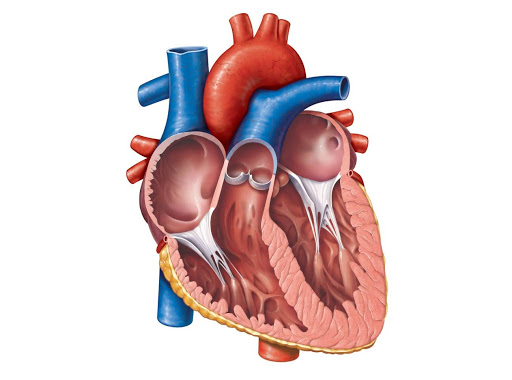
Your heart is great- it is a symbol of love and it pumps blood filled with gasses to keep you alive. Sadly, your heart can't help you to recall information for this quiz. But your brain cells couldn't help you remember information without the help of the heart!!
Select the structure below, that sends blood from the left ventricle, to the brain and other body cells, to help them make energy to do their job.

The _______________is the chamber of the heart with the thickest _______________(layer of the heart walls), because it is the driving force, pumping blood out heart and all the way to cells of the body.
The image below labels the pulmonary veins. They carry blood from the _______________ to the _______________.
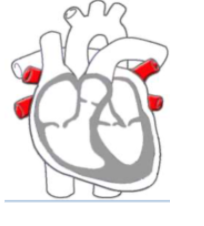
The overall function of the right side of the heart is to.....
Identify number 11 in the image below.
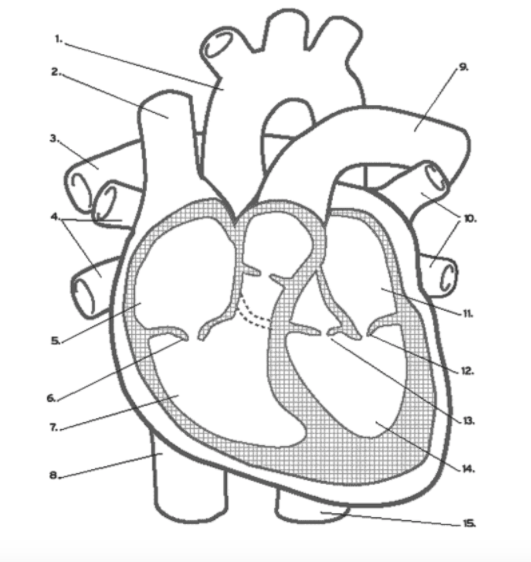
Identify number 13 (a valve) in the image below.
Is this an anterior or posterior view of the heart? Use the location of the apex to help you determine.
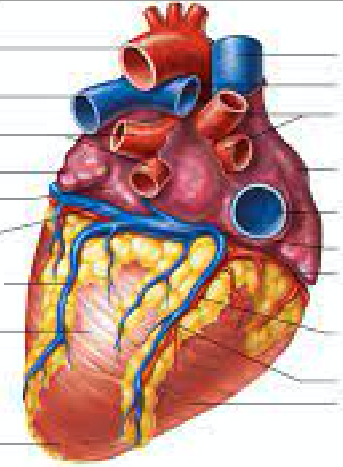
From the structure highlighed, blood goes to the.....
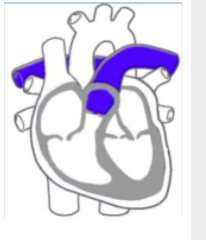
Which of the folllowing is the correct path of carbon dioxide?
What separates number 4 from number 2?
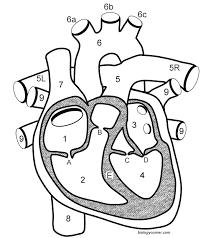
Each side of the heart has major blood vessels with different names, carrying blood to and from the heart. However, the flow of blood is the same on each side. The correct flow of blood through each side of the heart is...
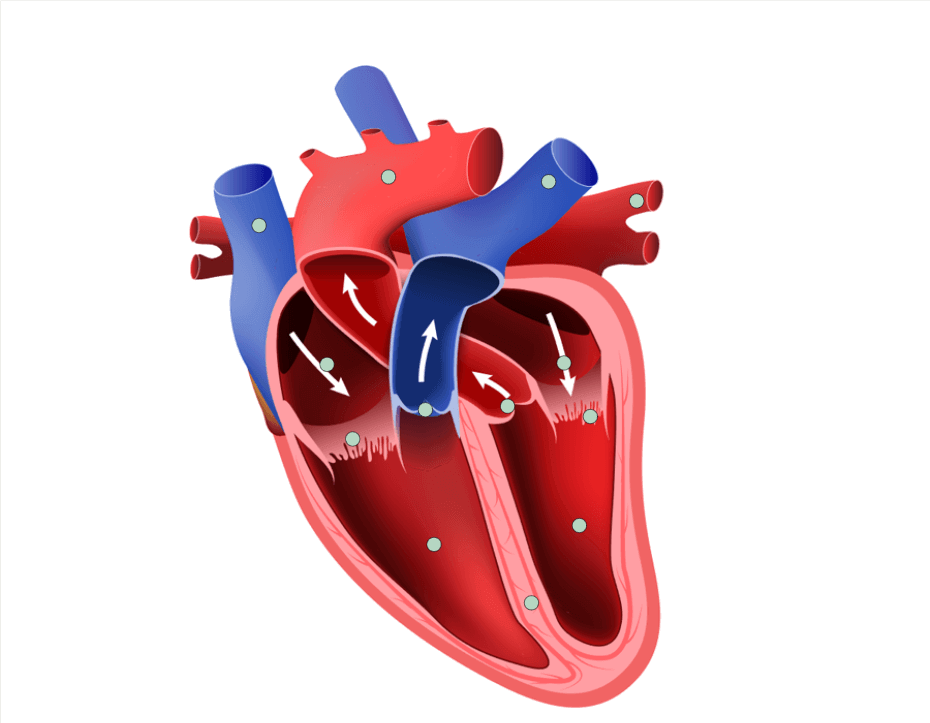
The ___________hang down from the bicuspid and tricuspid valves. They are pulled on by the ____________muscles which are attached to the _______________ (a layer of the heart). All these structures work together to prevent backflow into the atrium of the heart as well as prolapse. Please type each answer separated from the next by a comma, DO NOT RETYPE THE ENTIRE SENTENCE.
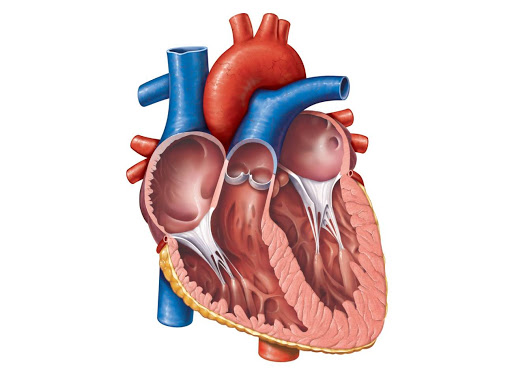
EXTRA CREDIT (answer it even if you think its wrong---worth a shot!)...Put the following in the correct order showing the path of blood through coronary circulation. Blood from the aorta goes to the --->
Coronary arteries
Coronary Veins
Coronary Sinus
Capillaries of the Myocardium
Right Atrium