Taxonomy/Dichotomous Keys
star
star
star
star
star
Last updated over 5 years ago
33 Nsɛmmisa
1
2
3
2
1
8
4
1
2
4
1
1
1
1
1
1
1
1
1
1
1
1
1
1
1
1
1
1
1
1
1
1
2
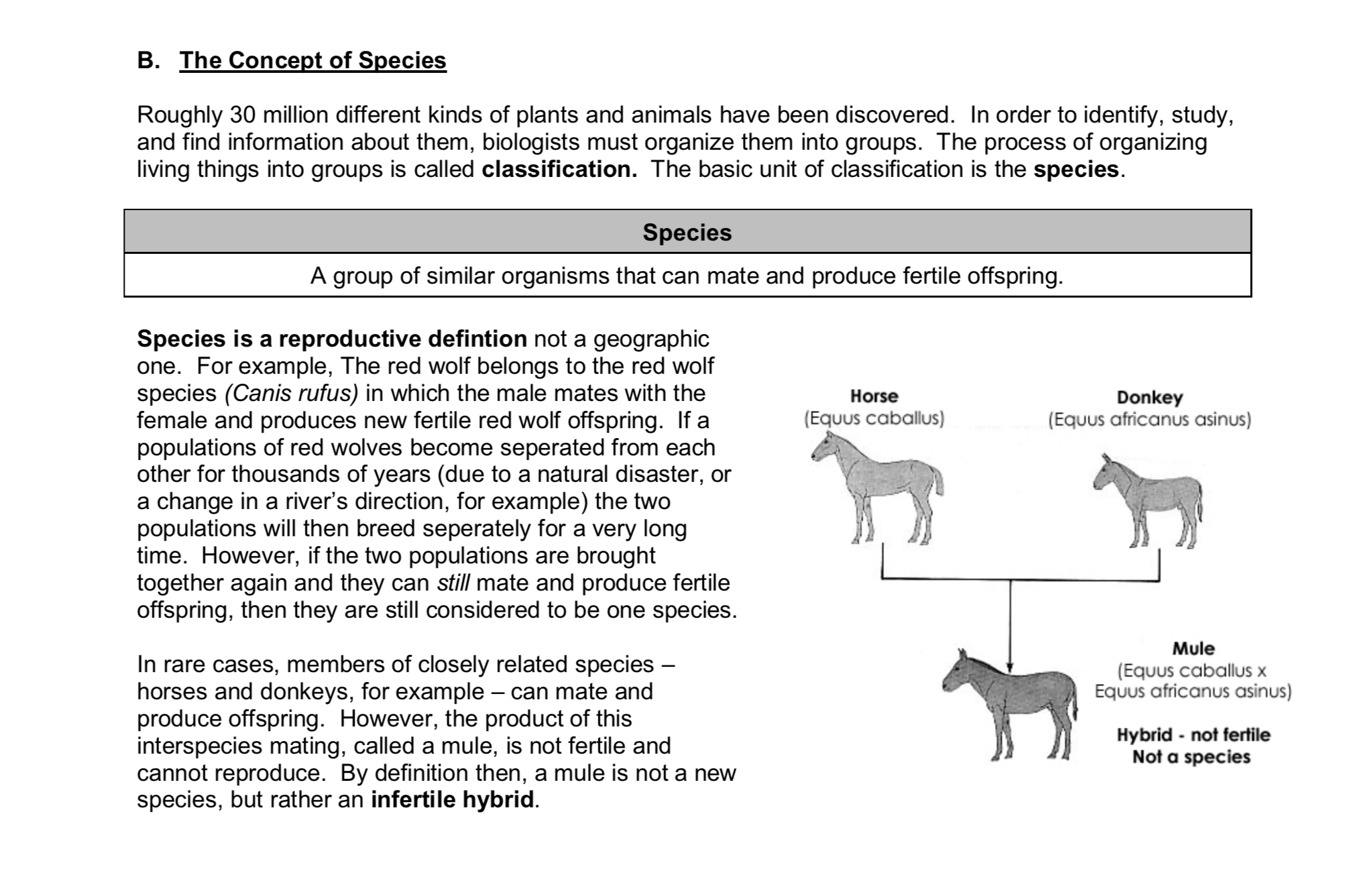
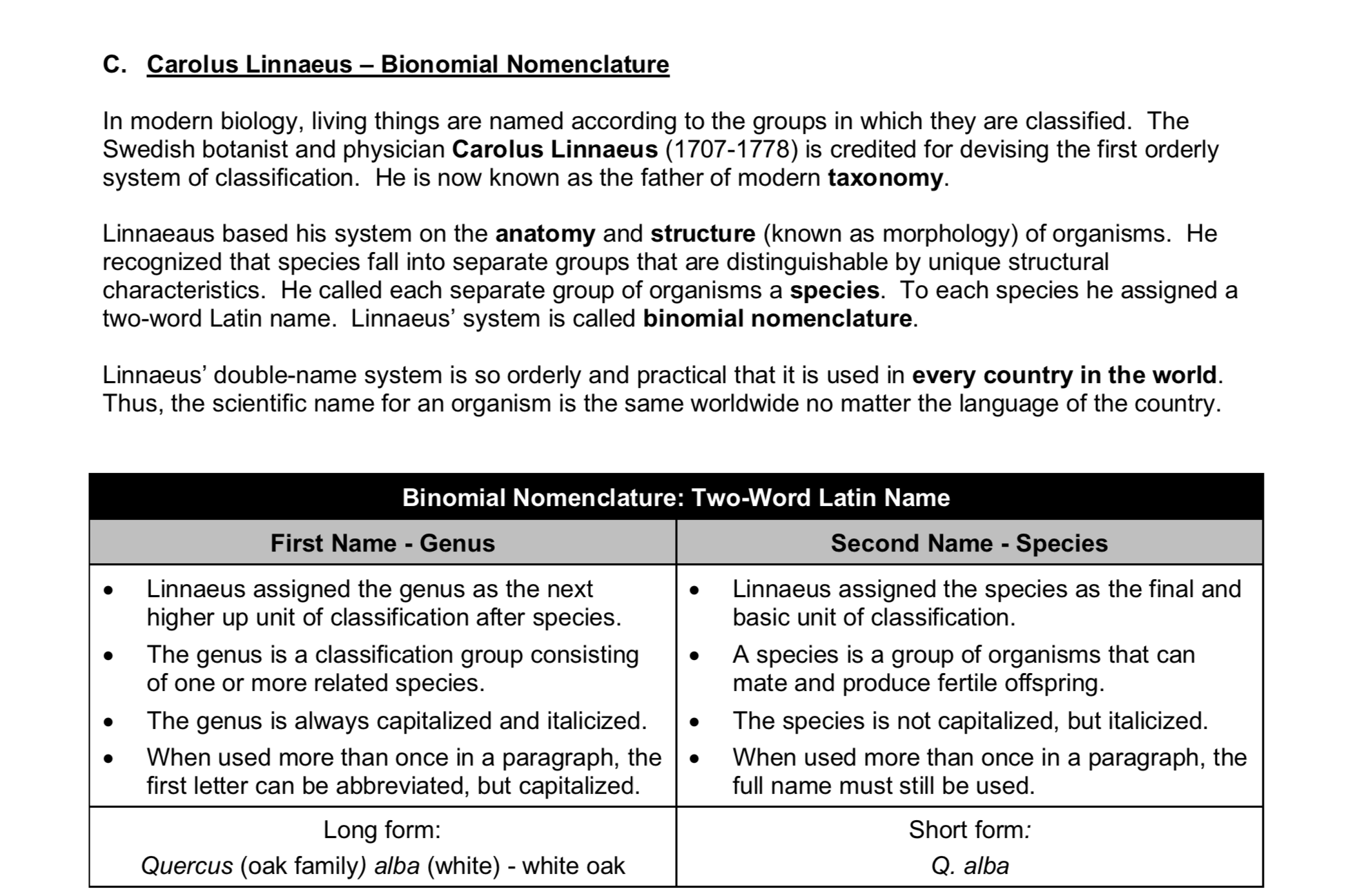
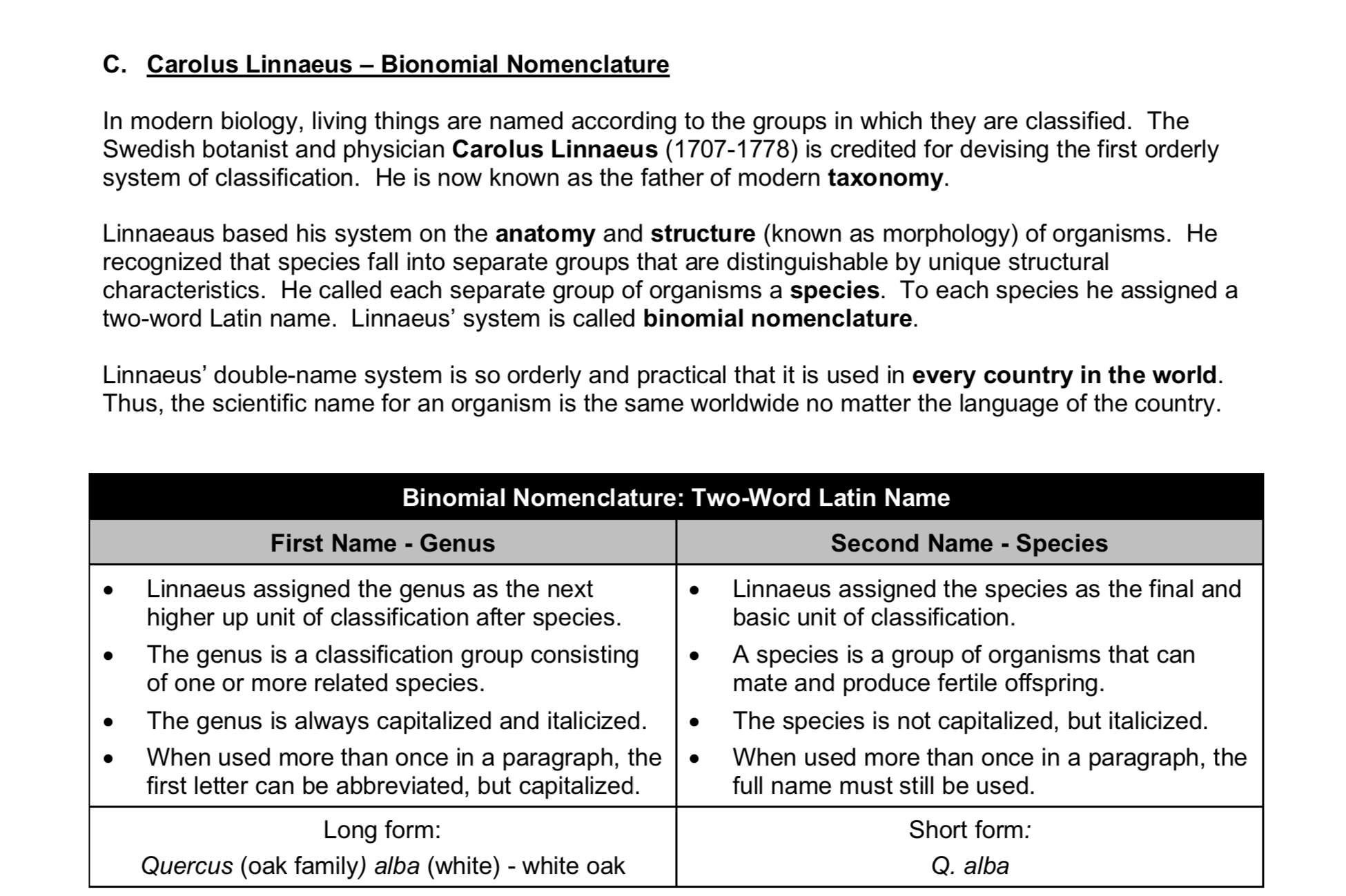
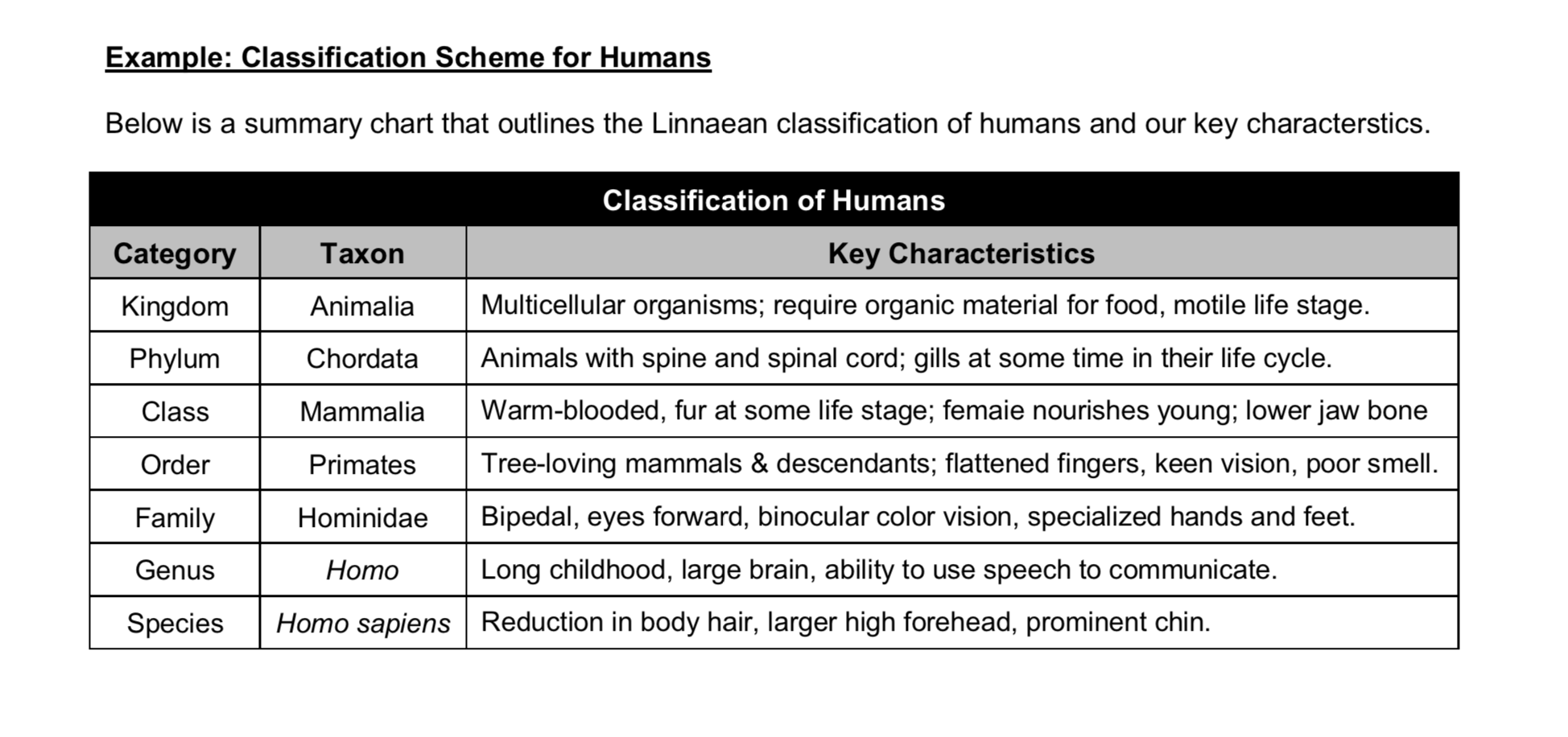
The scientific name for humans is Homo sapiens. What genus are humans in?
Why do you think that Linnaeus based his system of classification on physical simililarites alone, as opposed to utilizing molecular and genetic similarities? (think about when this was all happening)
Carolus Linnaeus developed a scientific naming system that is still used today. Fill in the flow chart with details about Linnaean taxonomy.
Why are physical similarities among species NOT always the result of being closely related?
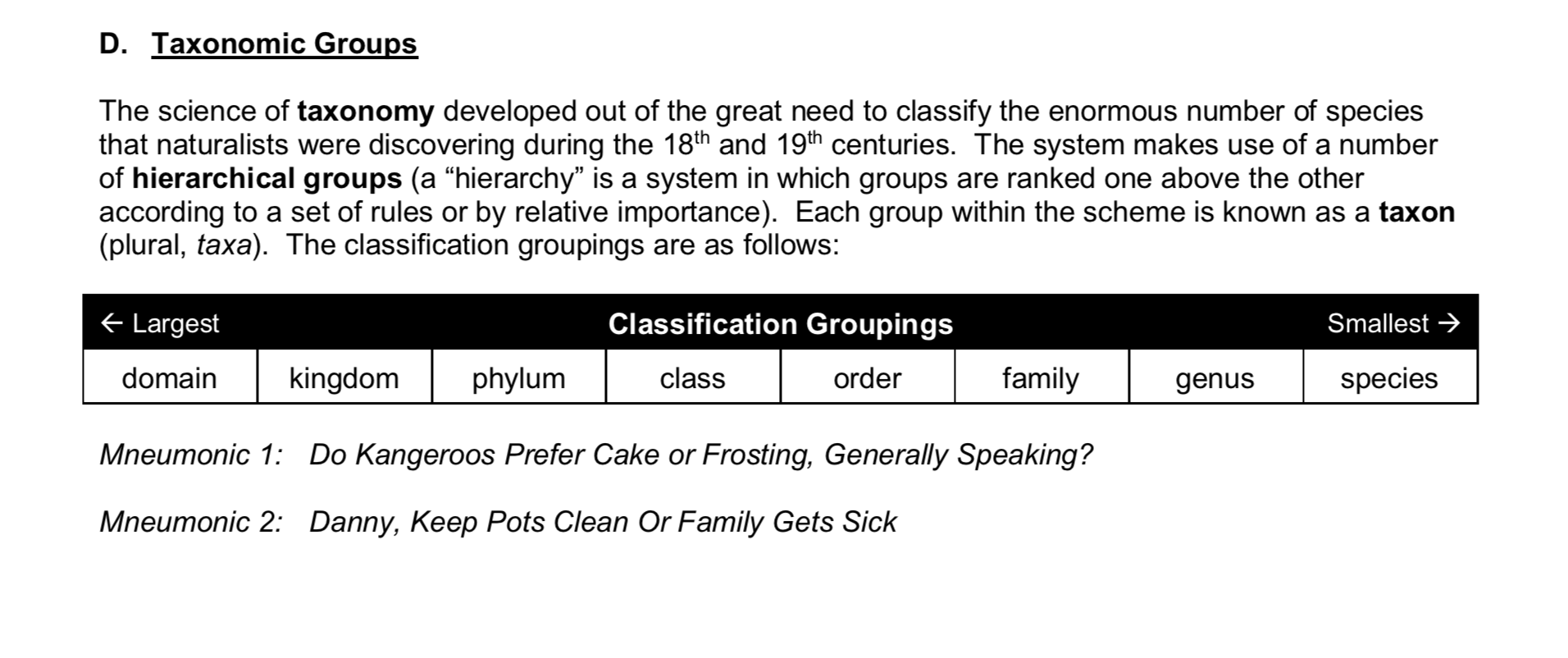
Create your own mneumonic!
How are the levels of Linnaeus’ classification system organized? List them below. (include domain in this list)
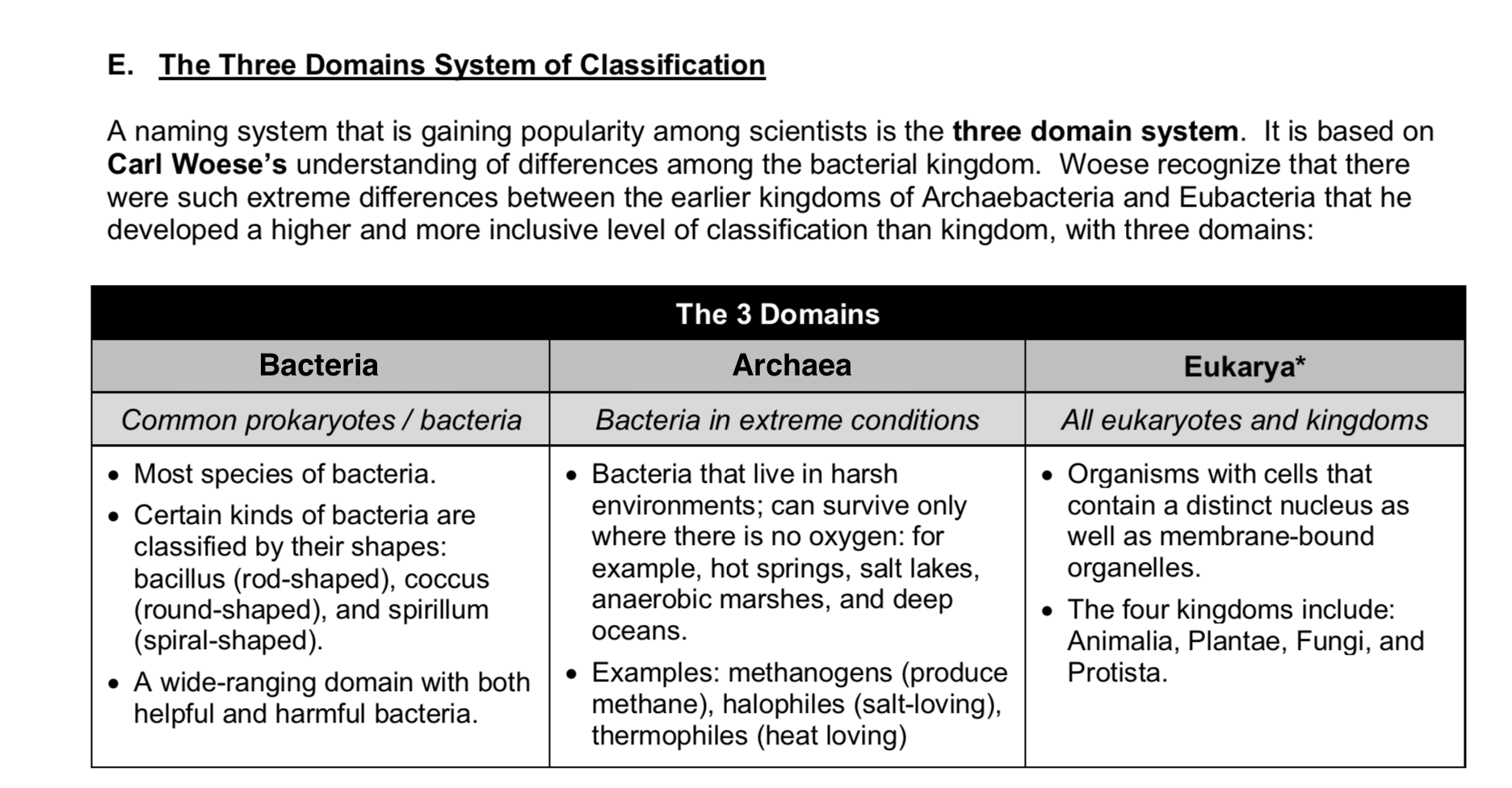
Contrast the two domains Bacteria and Archaea and describe their key differences.
Which cell structure distinguishes members of domain Eukarya from other organisms?
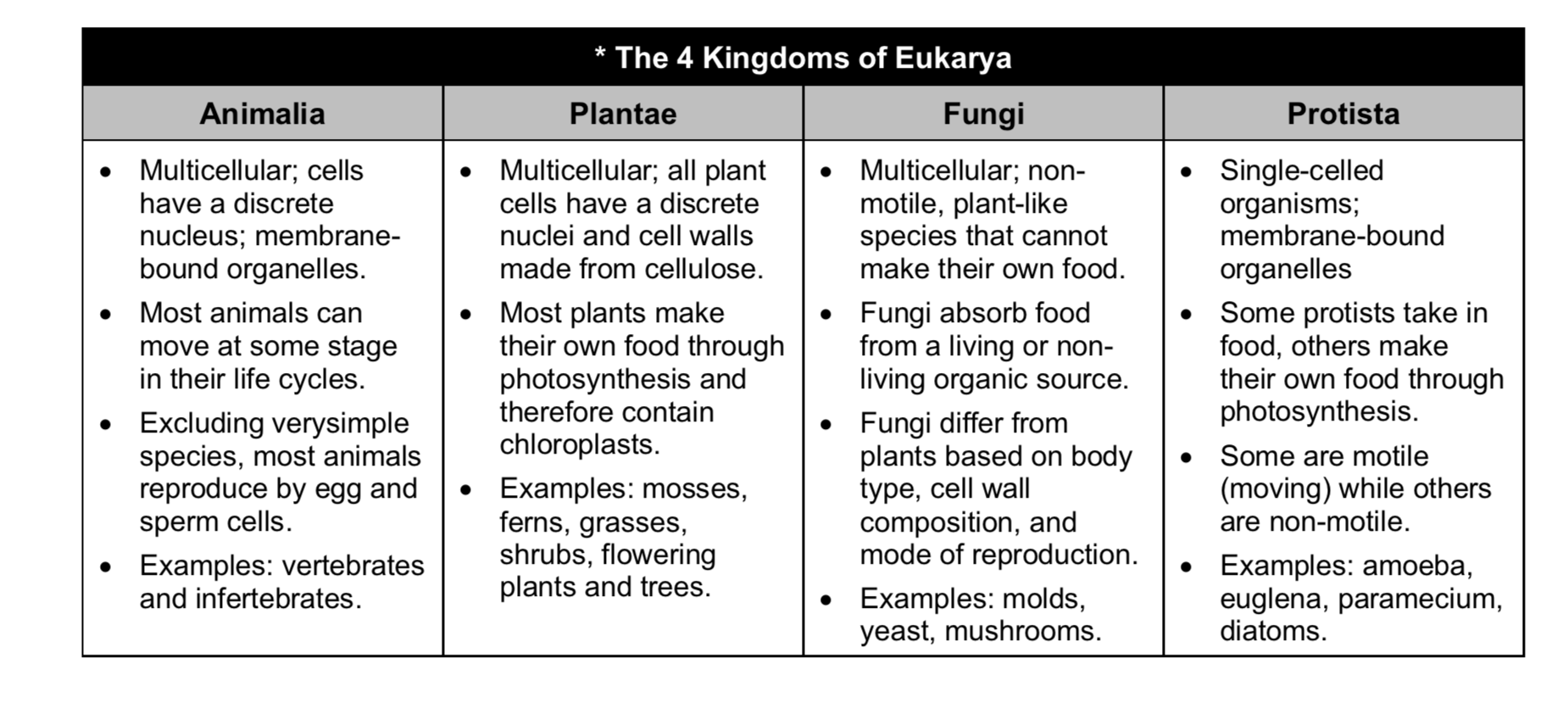
Woese’s evidence lead him to change Linnaeaus’ 6 kingdom scheme to one with 3 overarching domains, followed by 6 kingdoms. The chart above show the 4 Kingdoms of Eukarya. Describe his rationale behind it.
Matching. Match the name of the kingdom on the left with the correct description on the right. Write or type the correct line next to the correct term.
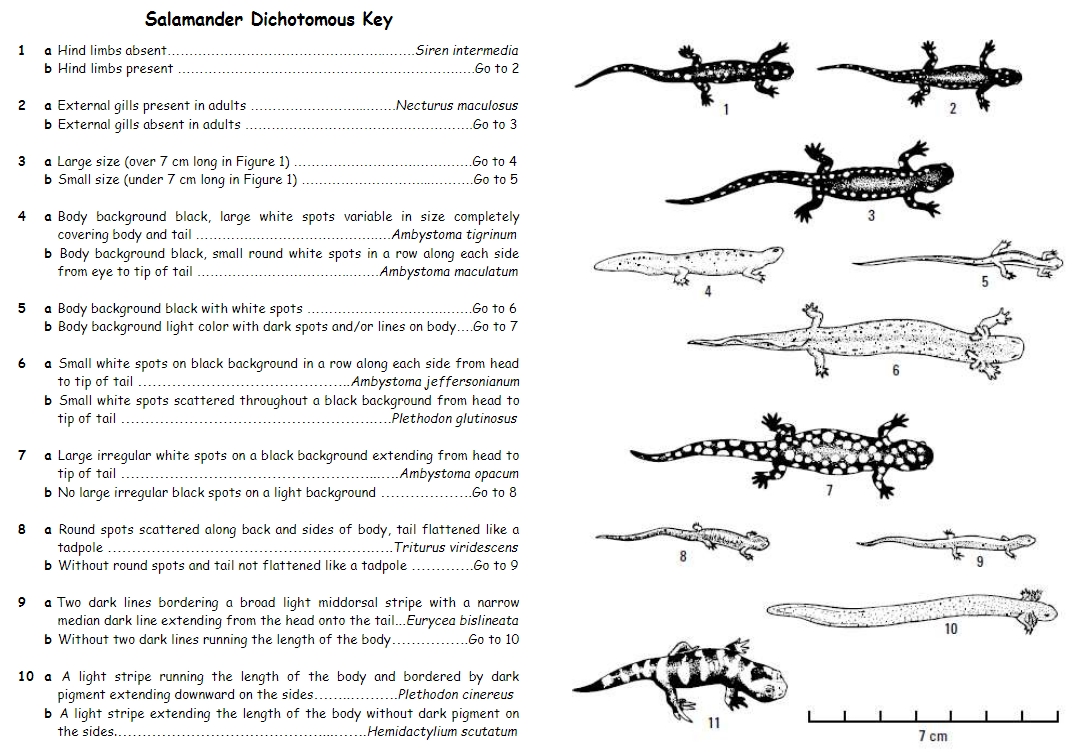
What is the scientific name for salamander number 1?
What is the scientific name for salamander number 2?
What is the scientific name for salamander number 3?
What is the scientific name for salamander number 4?
What is the scientific name for salamander number 5?
What is the scientific name for salamander number 6?
What is the scientific name for salamander number 7?
What is the scientific name for salamander number 8?
What is the scientific name for salamander number 9?
What is the scientific name for salamander number 10?
What is the scientific name for salamander number 11?
Next use this link: https://fergusonfoundation.org/btw-students/fish-identification/
Introduction: Keys are tools that provide a systematic (step-by-step) way to identify plants and animals. A series of choices are made based on the organism's characteristics to discover its identity. This fish key is based on body shape and physical features. It is a nontraditional key that is designed to help you identify a few of the fish that you may find in the aquatic habitats of Hard Bargain Farm Environmental Center.
Directions: Click on a numbered circle in the picture below to begin classifying that fish. This activity is completed when you have identified all 10 fish in the habitat.
Screenshot the identification for fish #1.
Screenshot the identification for fish #2.
Screenshot the identification for fish #3.
Screenshot the identification for fish #4.
Screenshot the identification for fish #5.
Screenshot the identification for fish #6.
Screenshot the identification for fish #7.
Screenshot the identification for fish #8.
Screenshot the identification for fish #9.
Screenshot the identification for fish #10.
Screenshot the congragulations page which includes a picture of all the fish and their names.
What did you think of the interactive key activity?