Identify the domain of the function.
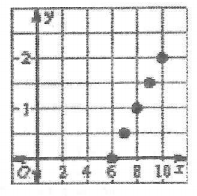
Identify the domain of the function.
Identify the range of the function.
Domain: 12, 15, 21, 30
Identify the domain of the function.
Is this a function?
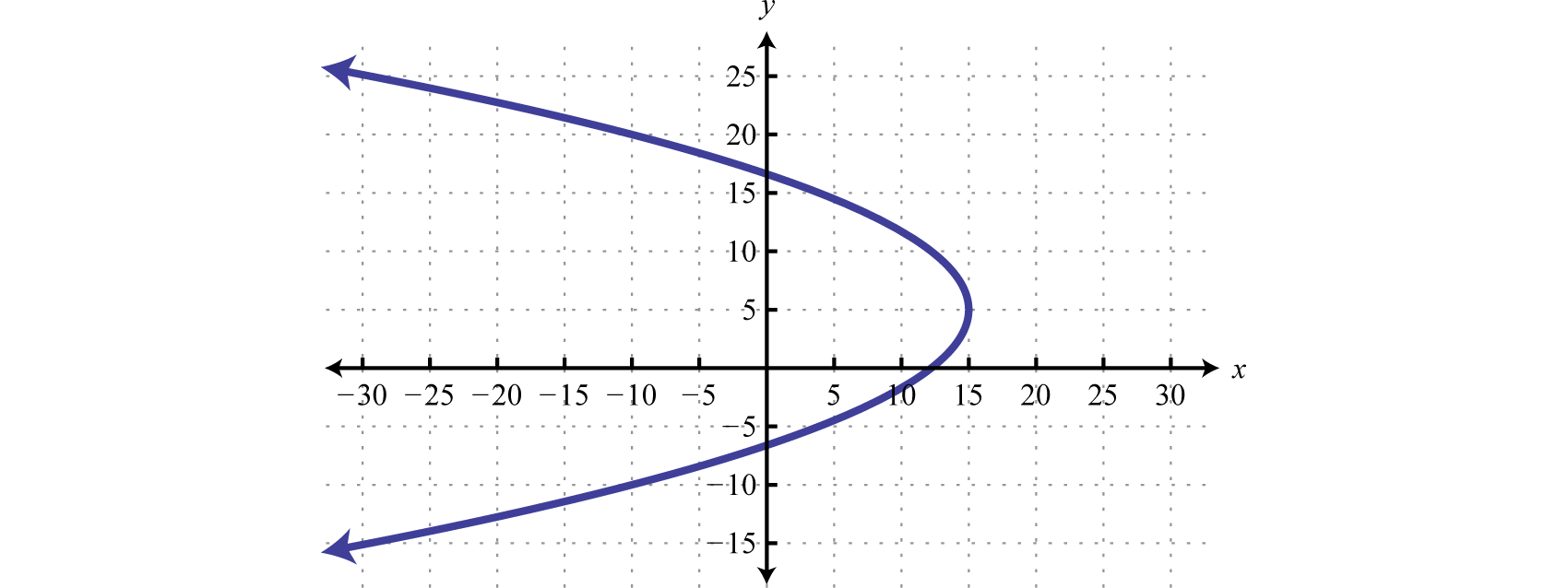
Select all the values that show a DISCRETE function.
What is the zero of the function?
What is f(-2) of the function below?
What is the value of x when f(x) = 8?
What is the domain of the function? Type your answer in set builder notation.

What is the range of the function? Type your answer in set builder notation.
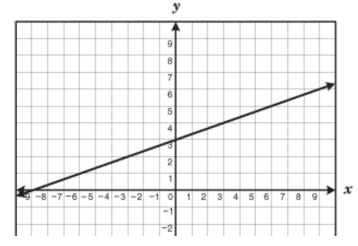
Zero of the function
f(3)
x so that f(x) = 6
x-intercept (as an ordered pair)
Identify the Range. Write your answer in set builder notation. NO SPACES!
Identify the Domain. Write your answer in set builder notation. NO SPACES!
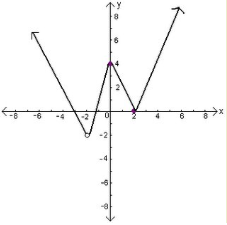
Identify the Range. Write your answer in set builder notation. NO SPACES!
Identify the x-intercept of the equation. Write your answer as an ordered pair.
Identify the y-intercept of the equation. Write your answer as an ordered pair.
Evaluate the function. Write your answer in simplest form.
Find x so that g(x) = -12
Evaluate the function. Write your answer in simplest form.
Find q(5)
Find the zero of the function.
Identify the Domain. Write your answer in set builder notation. NO SPACES!
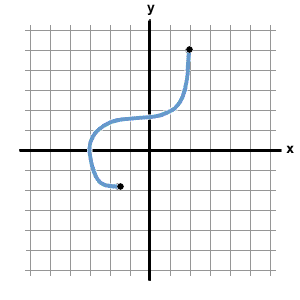
Identify the Range. Write your answer in set builder notation. NO SPACES!
Is the relation a function or not
Justify your reasoning for #25.
Is the relation a function or not?
Justify your reasoining for #27.
y-intercept (as an ordered pair)