CP Bio-Meiosis Assessment (30 pts)
star
star
star
star
star
Last updated over 5 years ago
19 Nsɛmmisa
1
1

1
1
1
1
1
1
1
1
1
1
1
1
5
5
2
2
2
Gametes are produced by the process of
Gametes have
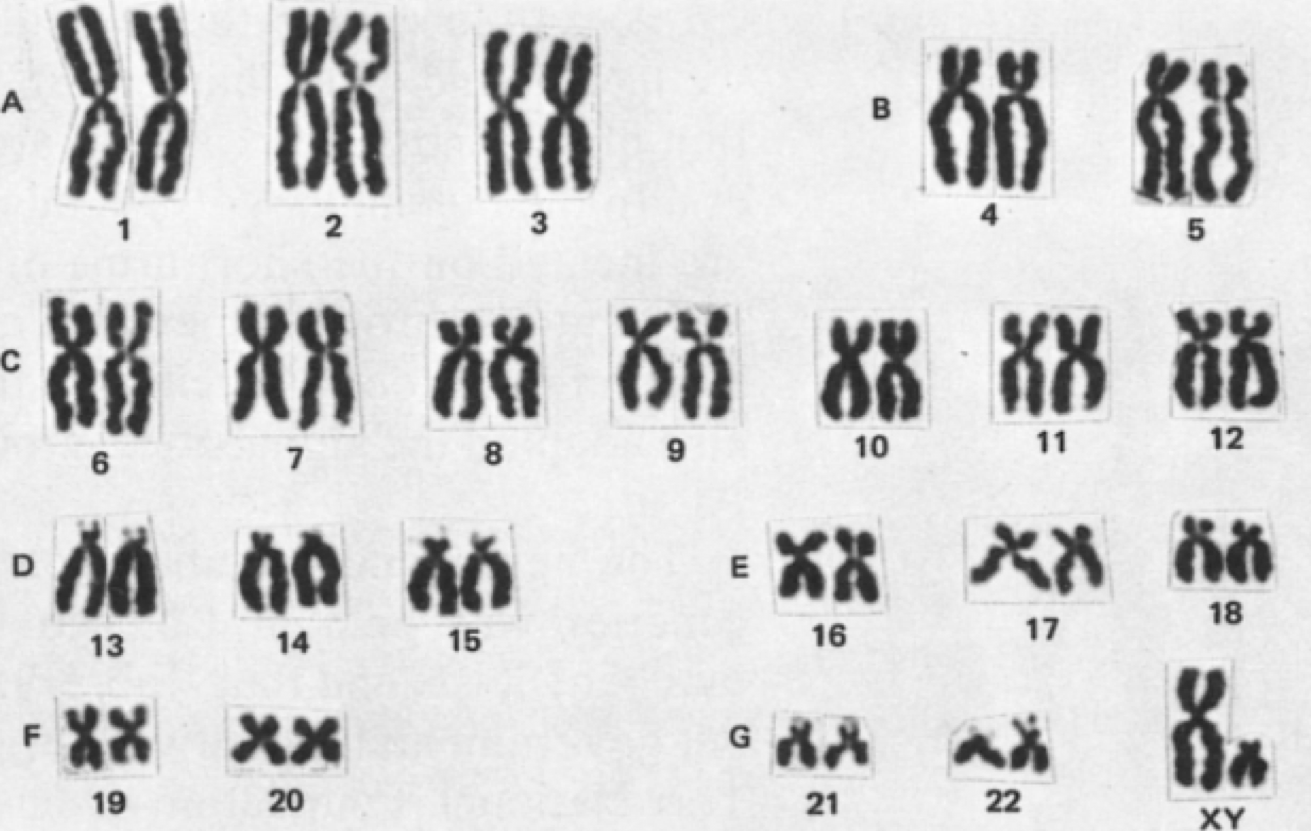
What is shown in the image above?
Chromosomes form tetrads during
At the end of meiosis, there are
How many chromosomes are in a human gamete?
If a eukaryotic cell has 20 chromosomes and it undergoes meiosis, how many cells will result, and how many chromosomes will they contain?
Cells that are ________ possess a single set of chromosomes
You have homologous pairs of chromosomes in each of your cells. In what way are these pairs of chromosomes similar?
From the list below, which choice represents a correct difference between sperm production and egg production?
Sister chromatids inside both cells get separated during this phase
Tetrads line up along the equator during this phase
At the end of meiosis I, the daughter cells created are DIPLOID or HAPLOID?
Meiosis occurs in what type of cells
Why does meiosis have two cell divisions? (HINT: Think of chromosome number) Why is this important for reproduction?
Explain why the daughter cells produced by meiosis are genetically different from each other, whereas the daughter cells produced by mitosis are not.
What two major events occur during meiosis that give the new cells genetic variation?
Though the stages of meiosis have the same names as the stages of mitosis, they exhibit fundamental differences. What are the main differences between the two processes?
What can you tell about the person that this karyotype is from? Choose ALL that apply.