Log in
Sign up for FREE
arrow_back
Library

8.4_Chemical Equations: Reactants and Products

star
star
star
star
star
Last updated over 4 years ago
10 questions
1
1
1
1
1
1
1
1
1
1
Question 1
1.

Do Now: Match the substance to the correct category. Use the vocabulary list to remind you of the proper terms.
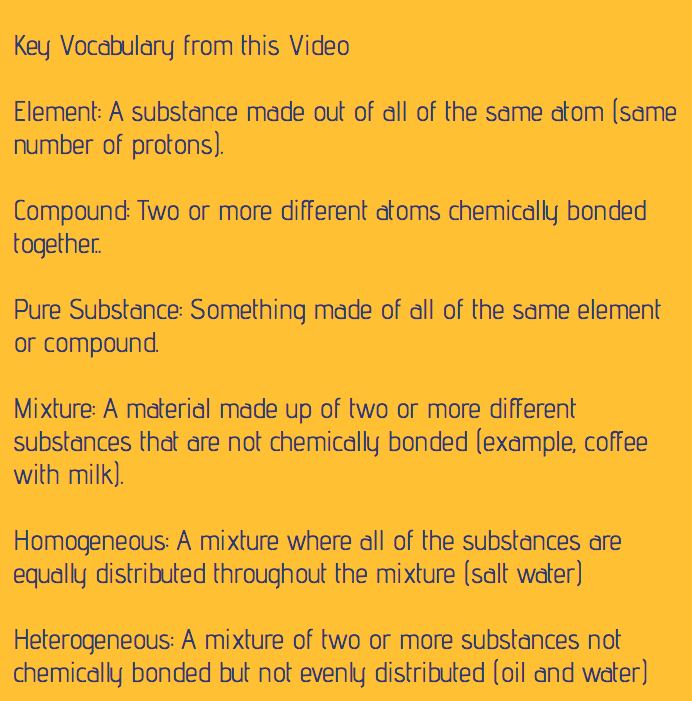
Draggable itemarrow_right_altCorresponding Item
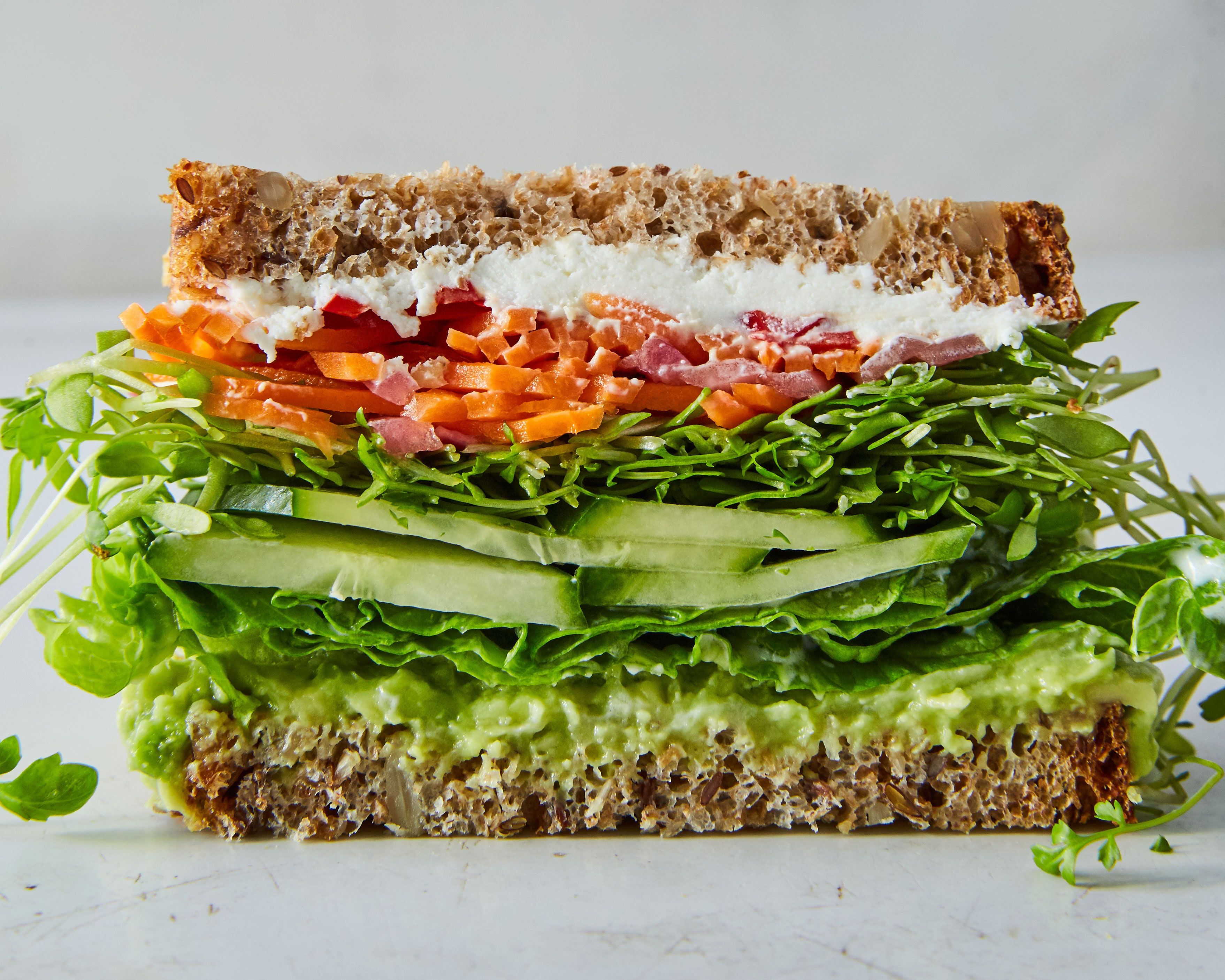
Sandwich
arrow_right_alt
Element
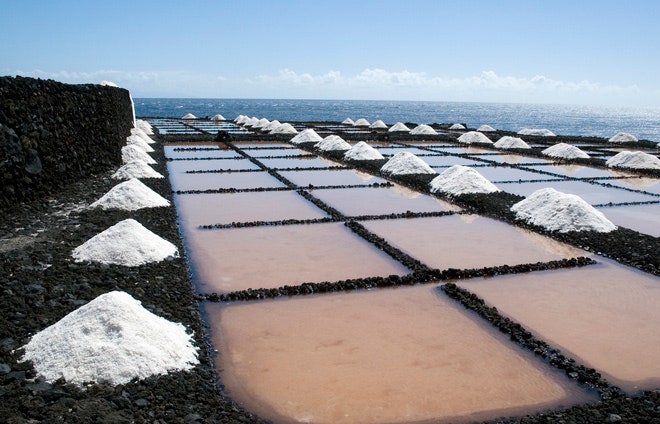
Salt Water
arrow_right_alt
Heterogeneous Mixture
Supreme Pizza
arrow_right_alt
Homogeneous Mixture
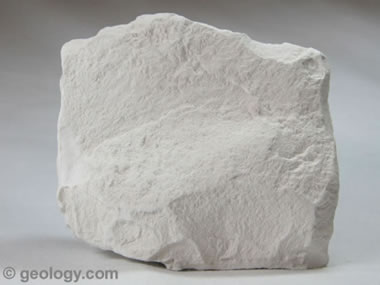
Limestone (CaCO3)
arrow_right_alt
Homogeneous Mixture
Methane
arrow_right_alt
Heterogeneous Mixture
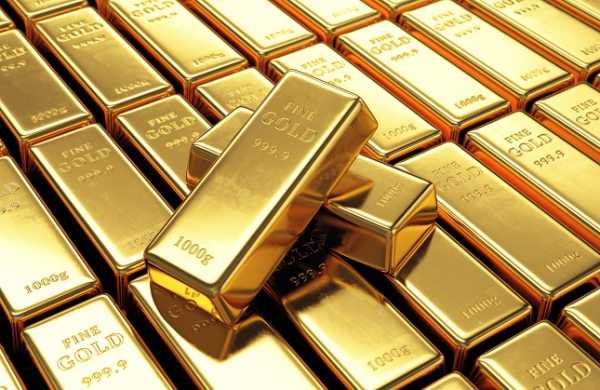
Gold
arrow_right_alt
Compound
Carbon Dioxide
arrow_right_alt
Heterogeneous Mixture
Blood
arrow_right_alt
Homogeneous Mixture
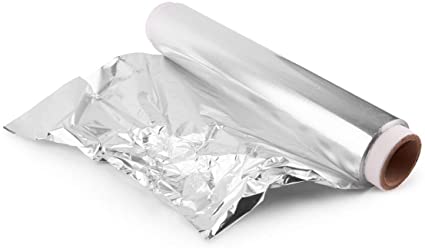
Aluminum Foil
arrow_right_alt
Compound
Air
arrow_right_alt
Compound
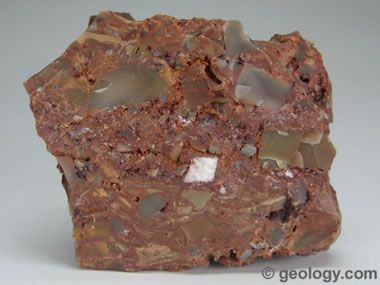
Breccia (angular clasts within an igneous matrix)
arrow_right_alt
Elemental
Question 2
2.

For each question answer in one word (when short answer questions are given).
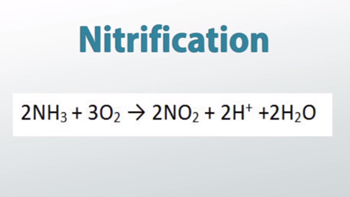
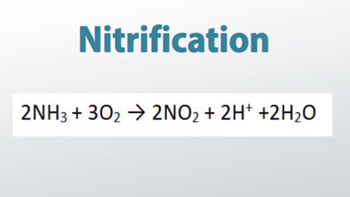
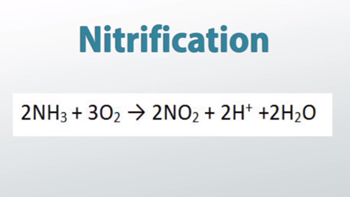
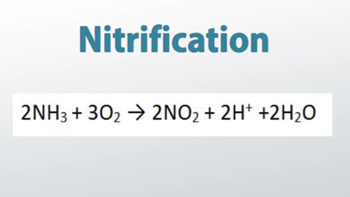
The reactants (inputs) of this equation are on the

Question 3
3.

How many oxygen atoms are in one molecule of Nitrogen Dioxide (NO2)?

Question 4
4.

How many oxygen atoms are in all molecules of Nitrogen Dioxide (NO2) in this nitrification reaction?

Question 5
5.

How many oxygen atoms are in there in total on the product side of the nitrification reaction?

Question 6
6.

How many oxygen molecules (groups) are on the reactants side of the equation?

Question 7
7.

How many oxygen atoms in total are there on the reactants side of the equation?

Question 8
8.

Compare the number of oxygen atoms on the reactant side to the product side of the nitrification reaction. What do you notice? This should be a complete sentence.

Question 9
9.

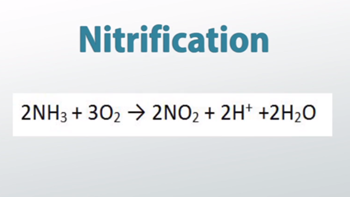
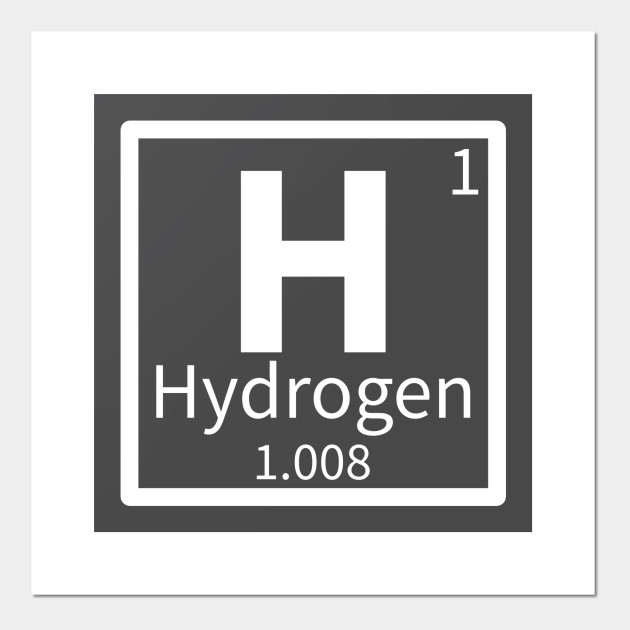
Bonus: H+ is one of the products of Nitrification. Why do you think that the hydrogen has a plus sign next to it? What could cause it to be positive? Use this image to help.

Question 10
10.

Exit Ticket: What information do chemical equations tell us? Write as much as you can in three minutes.