1
How many stars are there in our solar system?
How many stars are there in our solar system?
How many stars are there in our solar system?
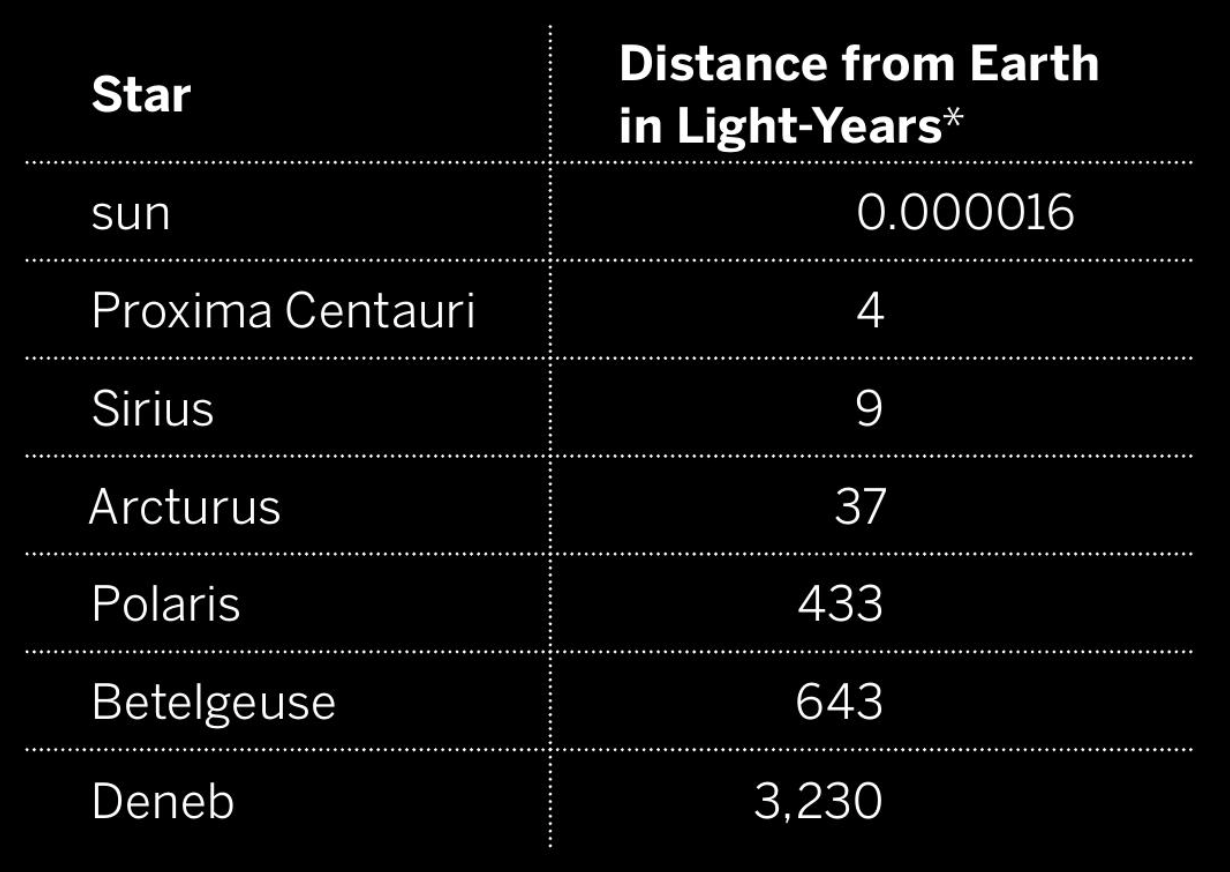
What is a light year?
Criteria For Success (CFS)
Read the labels for each column
Read the numbers
What do the numbers (data) show?

Which star is the closest to Earth?
Criteria For Success (CFS)
Read the labels for each column
Read the numbers
What do the numbers (data) show?
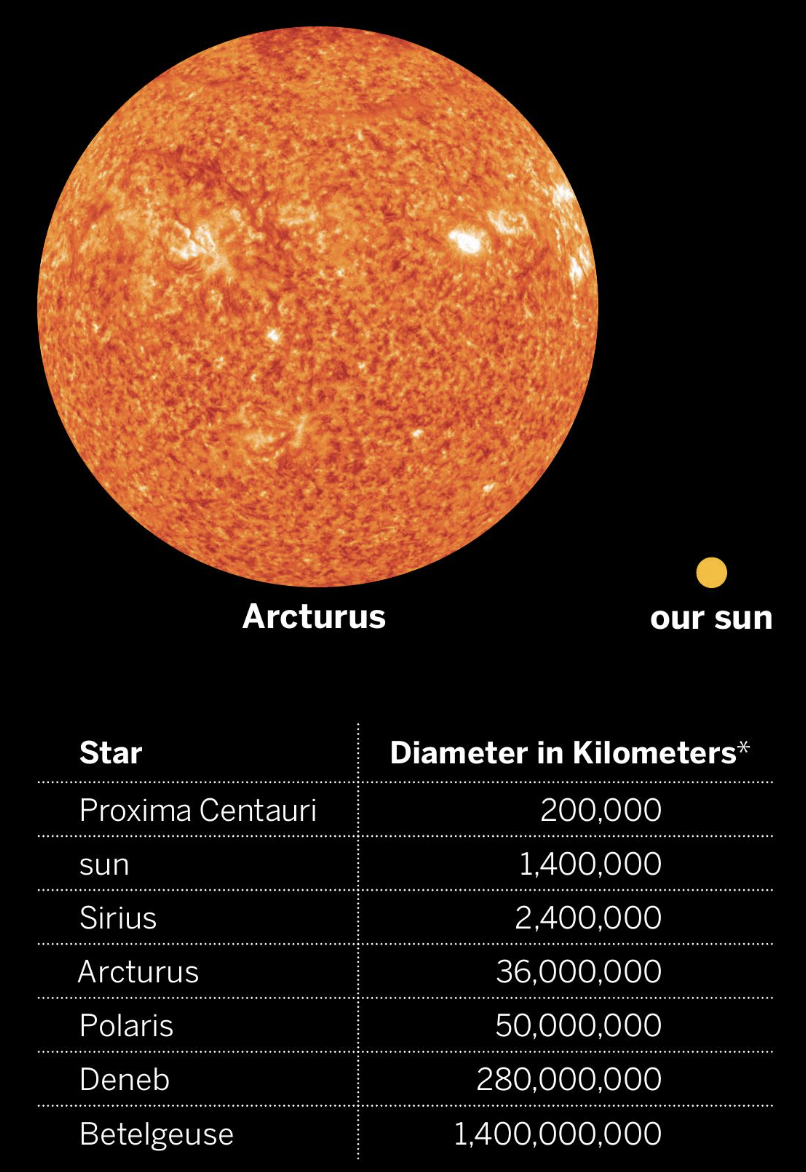
What does this data table show about the size of the sun? Is the sun bigger or smaller than most stars?
Sentence starter: The sun is _____________ than most stars.
Why does the sun look bigger and brighter to US than the other stars?
What is a scientific explanation?
It answers a question about how or why something happens
It describes things that are not easy to observe
It is based on ideas you learned from investigations and text
DIRECTIONS:
Read the explanation, then evaluate if it meets the guidelines for strong explanations in the chart below.

Question: Why don’t plants live in completely dark places?
Sample Explanation 1:
Plants don’t live in completely dark places because plants need light.
Does the answer in Sample 1 above answer the question (explanation)?
Does the answer in Sample 1 explain the answer with ideas (evidence)?
Question: Why don’t plants live in completely dark places?
Sample Explanation 2:
Plants don’t live in completely dark places because plants need light. The reason plants need light is because light allows them to make the food they need to grow and make seeds. A plant’s leaves get energy from sunlight. and that energy allows the plants to make their own food from air and water. Plants use this food to release energy for growth.
Does the answer in Sample 2 above answer the question (explanation)?
Does the answer in Sample 2 explain the answer with ideas (evidence)?
Question: Why don’t we see a lot of stars in the daytime?
Sentence Starter: We don't see a lot of stars in the daytime because _________________
Criteria For Success (CFS)
Read the labels for each column
Read the numbers
What do the numbers (data) show?
Evidence 1: How does the Distance of Stars data table show the sun is bright?
Sentence starter: In the data table, it shows __________

Evidence 2: How does the PES Simulation show the sun is bright?
Sentence starter: In the sim, it shows
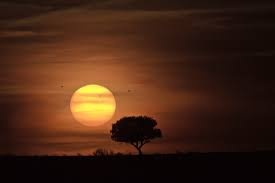
Even though it’s a star, you won’t see the sun on any of the star maps in our books. That’s because to us on Earth, the sun seems to move through the sky from one constellation to another. The sun is not actually moving through the constellations, it just looks that way from our moving planet.
You can’t observe constellations when the sun is in the sky because the light from the sun overwhelms, or blocks out, the light from all the other stars. The sun is much closer to Earth than any other star, so the sun’s light looks much, much brighter than the light from other stars.
Reasoning: Explain why we can't see the other stars in the daytime.
Sentence Starter: We can't see other stars in the daytime because _________________
Is the answer in Sample 1 a good scientific explanation?
Is the answer in Sample 2 a good scientific explanation?