Navigation

Last updated over 3 years ago
10 questions

Navigation

Whether you realize it or not, many people use navigation tools and maps constantly in everyday life. Have you ever been on a trip with someone, where they pulled out their mobile phone and opened a navigation app? Within moments, the app can find your destination, map a route to get there, and give a travel time estimate. Getting directions has never been easier!
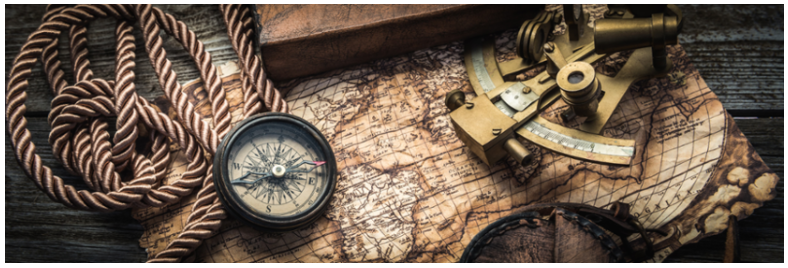
Navigating hasn’t always been easy. In ancient times, people used the stars and other landmarks to find their way. Later the development of tools like the compass, sextant, and maps improved the accuracy of planning a route.

Whether you’re using a map or a navigation app to find your way, all navigation shares one thing in common—the navigator has to compare their location to a fixed object to know where they are or where they want to go. You will use this same skill to help plan your flight!
Maps

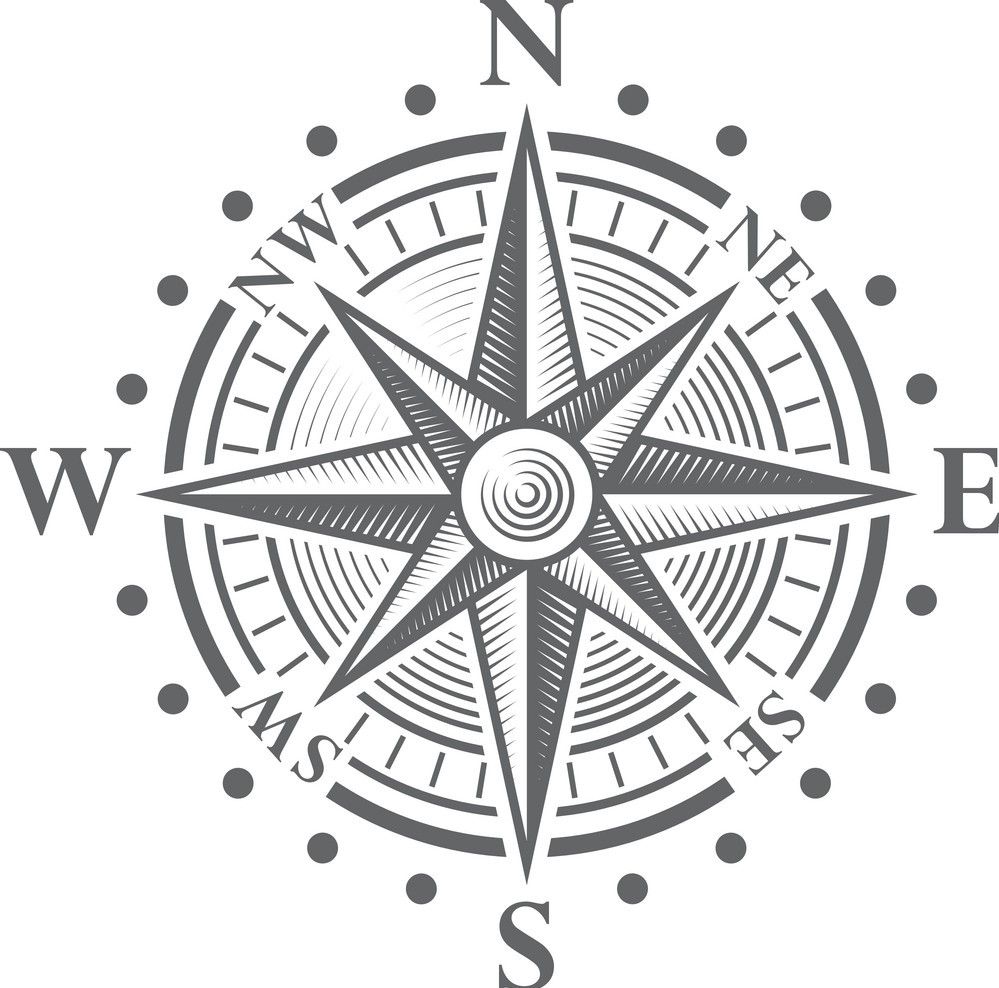
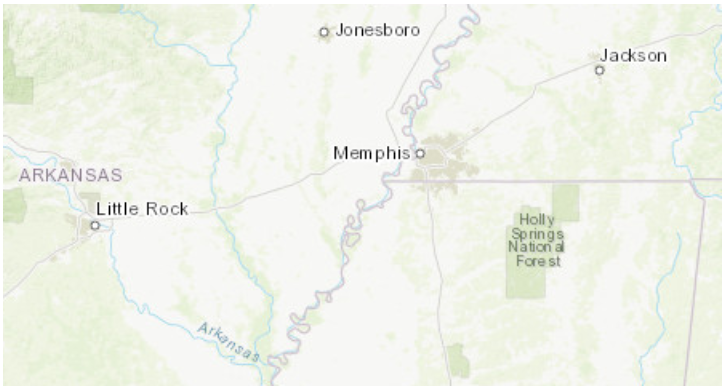
Before you start creating your flight plan, let’s explore a basic navigation tool—the compass rose. A compass rose is a symbol on a map that shows the cardinal directionsof north, south, east, and west.

1

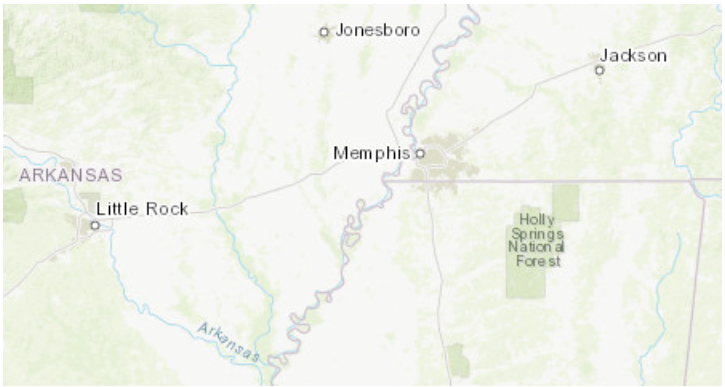
Use the compass rose above. Look at the map and find the city west of Memphis. what is the name of the city?

1

What is the name of the city north of Memphis?

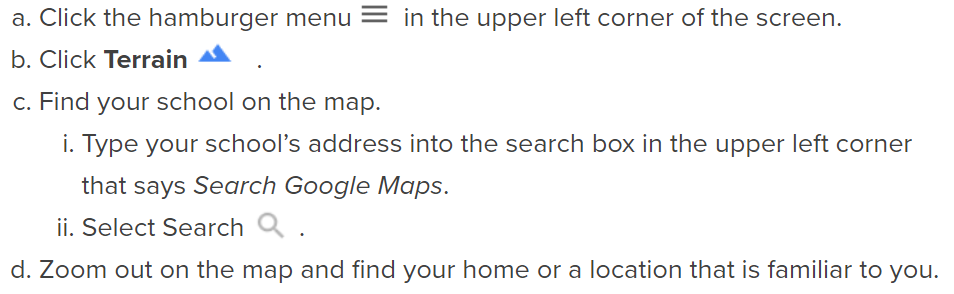
Open Google Maps

Click on the word Maps above, it is a link to google maps.

Benold Middle school's address: 3407 Northwest Blvd Georgetown, Texas 78628
Tippit Middle school's address: 1601 Leander Rd., Georgetown, Texas 78628

1

What visual cues did you use to help you find your home or a familiar location?

1

What types of symbols did you see on the map?

1

How were the symbols helpful?

Aeronautical Charts

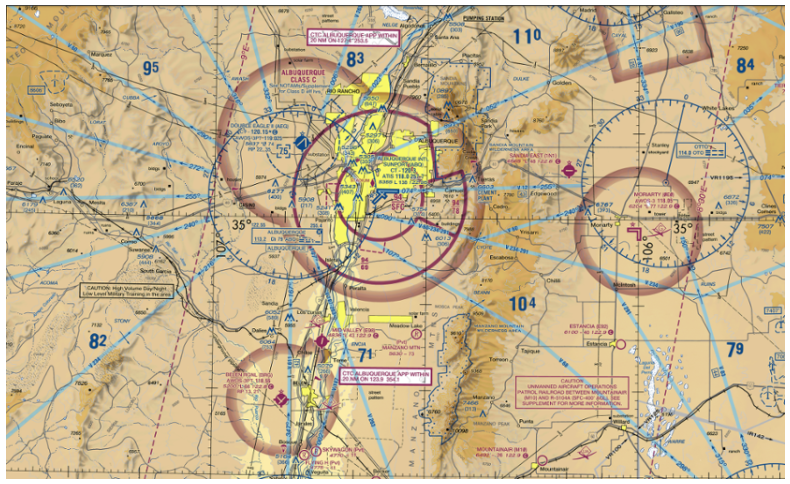
To find something familiar, you used visual cues and symbols on the map. When an airplane pilot plans a route, they often look at objects that are visible and easy to recognize on the surface of the Earth. They compare these objects to a special map called an aeronautical chart. Aeronautical charts contain the information necessary to navigate an aircraft, such as topography, hazards, navigation routes, airspace, and airports.

This is a special type of aeronautical chart called a sectional map. Sectional Map of Albuquerque, New Mexico

As you can see, sectional maps have quite a lot of information on them! But don’t worry, reading a sectional map is just a matter of knowing what each of the different symbols, colors, and patterns mean. To get you started, examine a topographic map.

1

Topography Features

In Google maps, type “Memphis, TN” into the search box. Select Terrain from the hamburger menu. What is the name of the large water feature running along the west side of Memphis?

1

Find Shelby Farms Park in Memphis. It is a wooded area with hiking trails, lakes, and streams.
What color represents a wooded park area?

1

Zoom out until you see Chattanooga on the right-hand side.
What do you think the bumpy looking objects west of Chattanooga are?

1

Airports

Click on the hamburger menu in the top left and choose map.

Because the destination for a flight is always an airport, knowing the location of airports is critical to planning a flight path.

In Google maps, type “Memphis, TN airport” in the search box.

Why would these symbols be useful when planning a flight?

Interstate Highways

In the earliest days of aviation, the main way to navigate was to follow roads from the air. Today, the method or system that a pilot uses for navigating depends on the type of flight they will take, which navigation systems are installed on the aircraft, and which navigation systems are available in a certain area.

There are times pilots still need to be able to navigate solely using visual cues, such as looking for landmarks and checkpoints. This type of flying is called pilotage. One visual feature that helps pilots navigate by sight is the use of Interstate Highways, because they are large and visible from the air.

1

Locate the Interstate Highways surrounding Memphis International Airport.

Select the highway that you would look for as a landmark if you were flying into Memphis International Airport from the south.