Log in
Sign up for FREE
arrow_back
Library

8.4_Chemical Equations: Reactants and Products

star
star
star
star
star
Last updated over 4 years ago
10 questions
1
1
1
1
1
1
1
1
1
1
Question 1
1.

Draggable itemarrow_right_altCorresponding Item
arrow_right_alt
arrow_right_alt
arrow_right_alt
arrow_right_alt
arrow_right_alt
arrow_right_alt
arrow_right_alt
arrow_right_alt
arrow_right_alt
arrow_right_alt
arrow_right_alt
Question 2
2.

For each question answer in one word (when short answer questions are given).
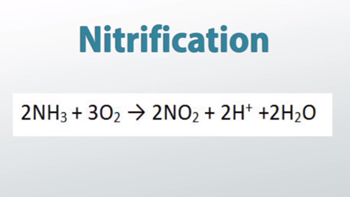
The reactants (inputs) of this equation are on the

Question 3
3.

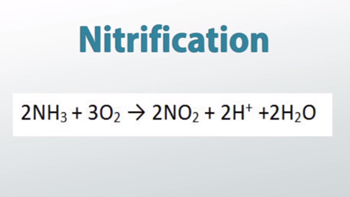
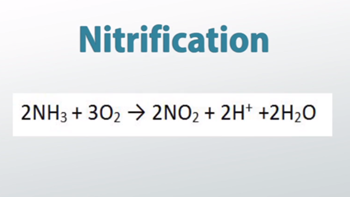
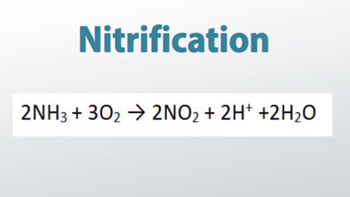
How many oxygen atoms are in one molecule of Nitrogen Dioxide (NO2)?

Question 4
4.

How many oxygen atoms are in all molecules of Nitrogen Dioxide (NO2) in this nitrification reaction?

Question 5
5.

How many oxygen atoms are in there in total on the product side of the nitrification reaction?

Question 6
6.

How many oxygen molecules (groups) are on the reactants side of the equation?

Question 7
7.

How many oxygen atoms in total are there on the reactants side of the equation?

Question 8
8.

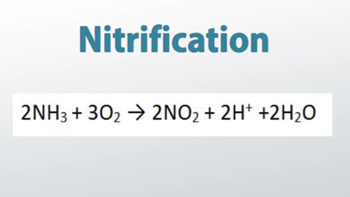
Compare the number of oxygen atoms on the reactant side to the product side of the nitrification reaction. What do you notice? This should be a complete sentence.

Question 9
9.

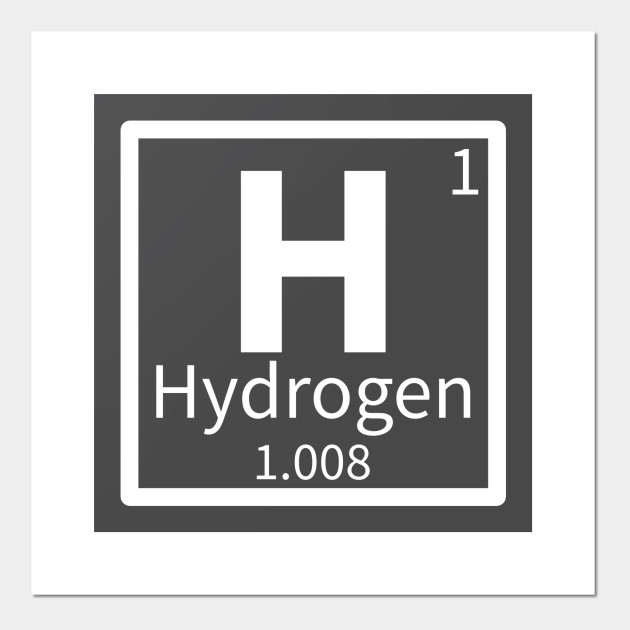
Bonus: H+ is one of the products of Nitrification. Why do you think that the hydrogen has a plus sign next to it? What could cause it to be positive? Use this image to help.

Question 10
10.

Exit Ticket: What information do chemical equations tell us? Write as much as you can in three minutes.

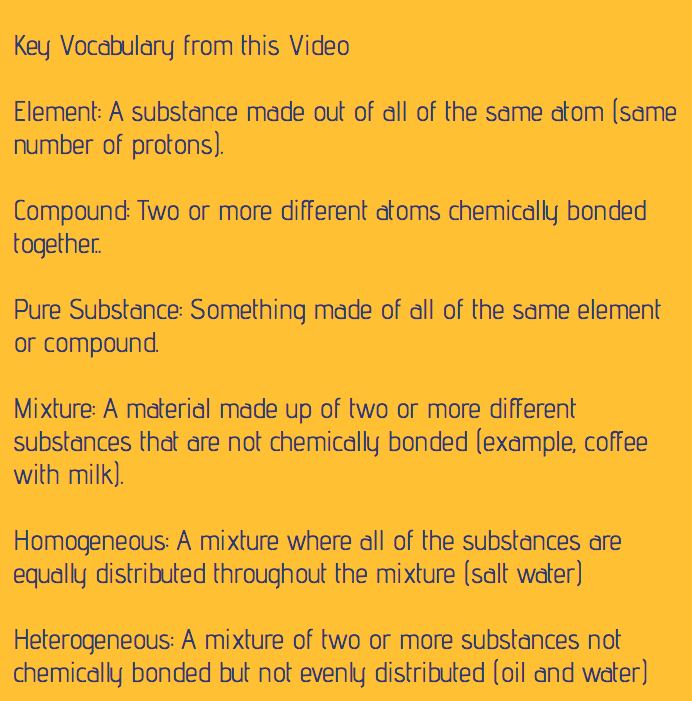
Do Now: Match the substance to the correct category. Use the vocabulary list to remind you of the proper terms.
Supreme Pizza
Element
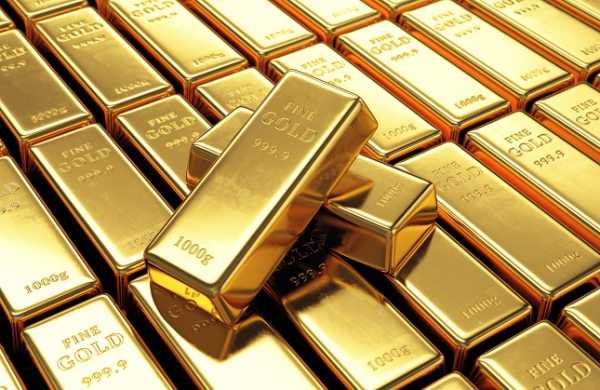
Gold
Heterogeneous Mixture
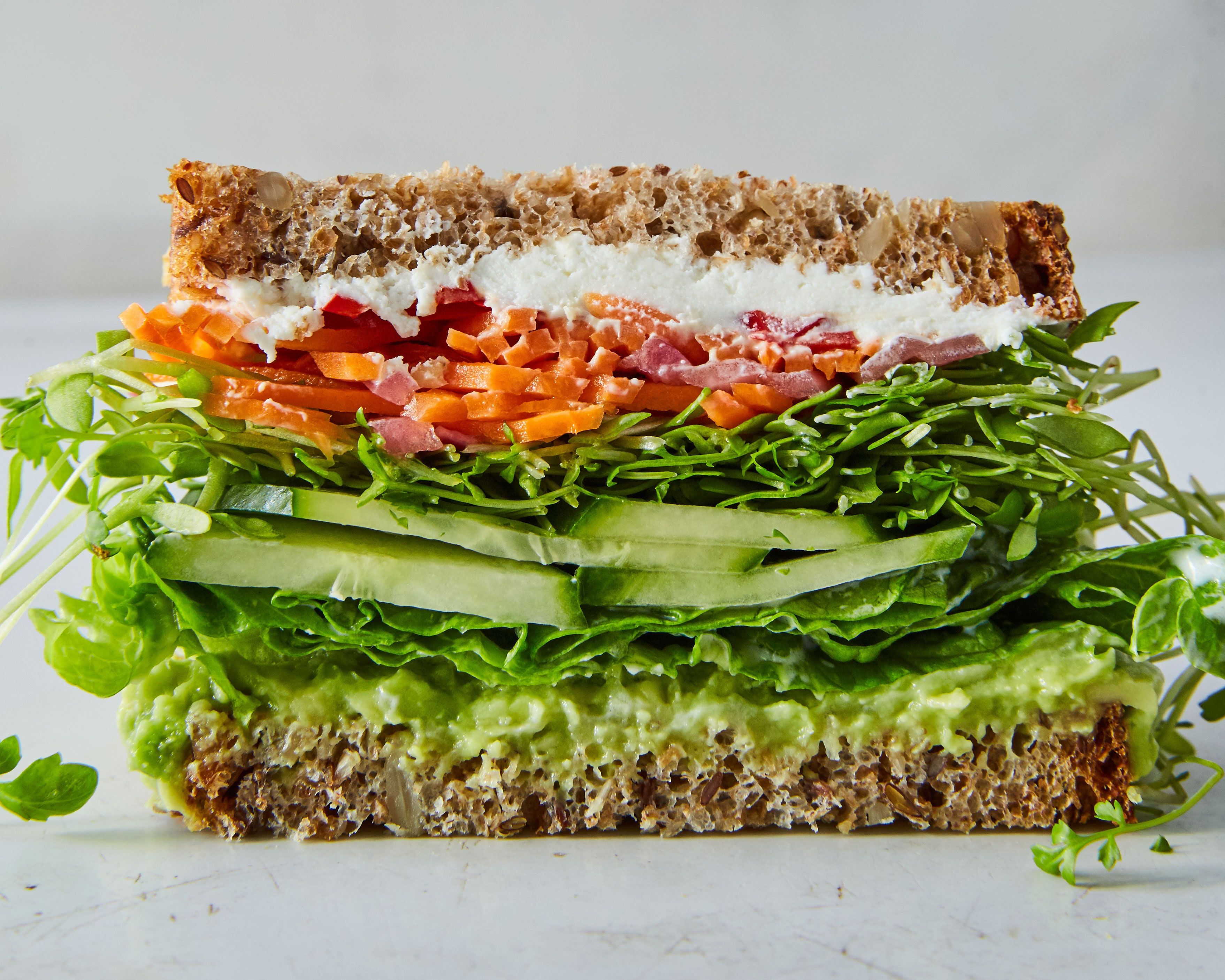
Sandwich
Homogeneous Mixture
Carbon Dioxide
Homogeneous Mixture
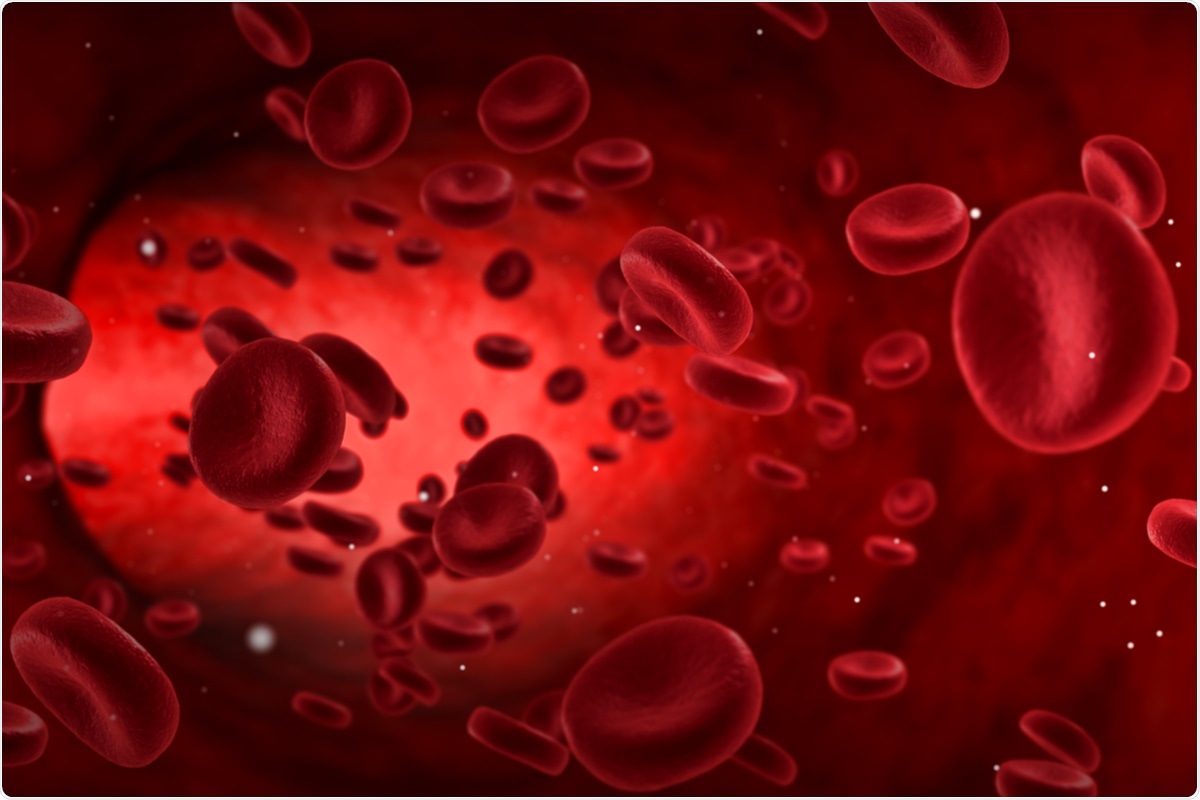
Blood
Heterogeneous Mixture
Methane
Compound
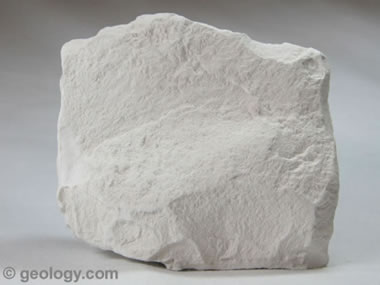
Limestone (CaCO3)
Heterogeneous Mixture
Air
Homogeneous Mixture
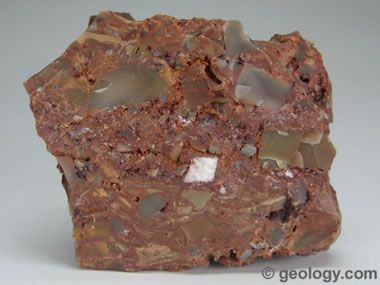
Breccia (angular clasts within an igneous matrix)
Compound
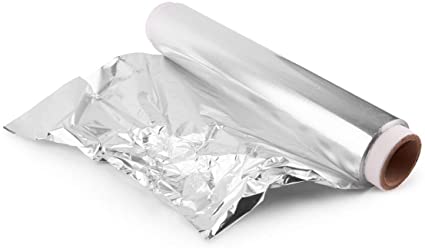
Aluminum Foil
Compound
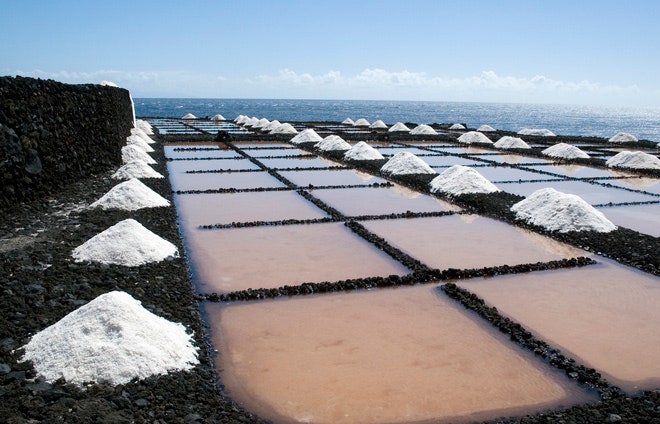
Salt Water
Elemental