Fission and fusion, two cardinal terms in the world of chemistry and nuclear physics, run the universe! As the names suggest, fission is all about splitting, while fusion has to do with combining. They stand to be opposite processes, yet they equally hold pivotal roles in propelling the wheel of life in the cosmos.
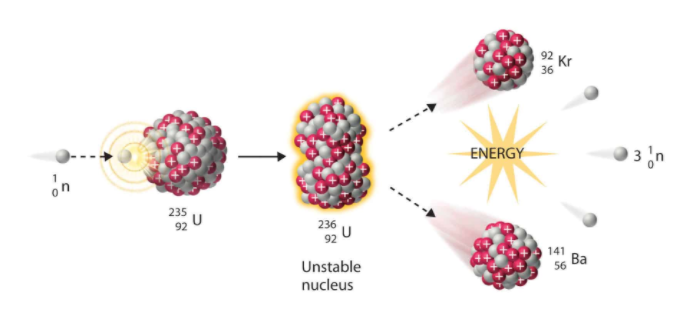
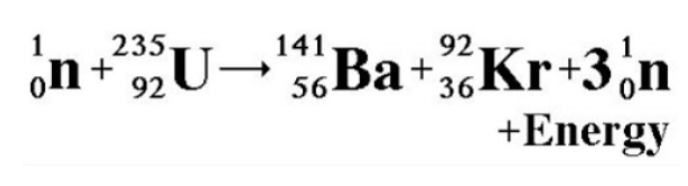
An atomic nucleus undergoes fission when it splits into two or more smaller nuclei, jettisoning off spare particles and a flurry of vibrant energy with them. Fission was the word when atomic bombs were built, making this a double-edged sword of a phenomenon.
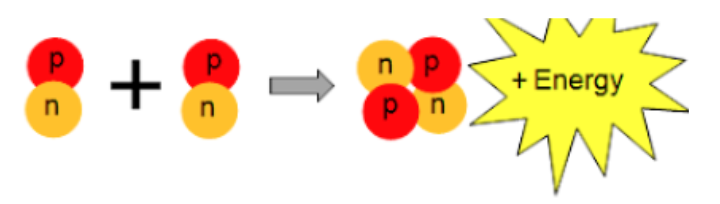
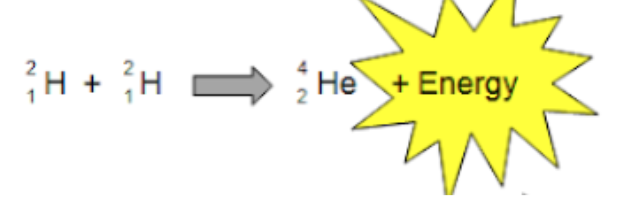
On the sunny end of things, the sun buzzes with life, thanks to another process known as fusion. In the heart of the sun, at temperatures that could vaporize steel, small hydrogen nuclei combine to form larger helium nuclei, releasing massive amounts of energy. This fusion process is what keeps the sun burning and provides the earth with heat and light.
These two processes, fission and fusion, govern the familiar world around us and the distant stars far beyond our reach. They serve as proofs of the power of the atomic nucleus, highlighting the delicate harmony that exists in the fabric of the universe. Yet, they also serve as potent reminders of the power humans wield, the ability to harness energy that can create or devastate. Finally, fission and fusion teach us that despite their contrasting names and natures, they are harmonious parts of the intricate web we call 'Life'.