Log in
Sign up for FREE
arrow_back
Library

USE THIS ONE!1.2 Analyzing Data and Graphs

star
star
star
star
star
Last updated over 3 years ago
40 questions
1
Question 1
1.

Take pictures of any paper copies here if you did this on paper. If you didn't do this on paper you can skip it!

1

Essential Question

Why are people forced to move?


HS-ESS2-2. Analyze geoscience data to make the claim that one change to Earth's surface can create feedbacks that cause changes to other Earth systems.
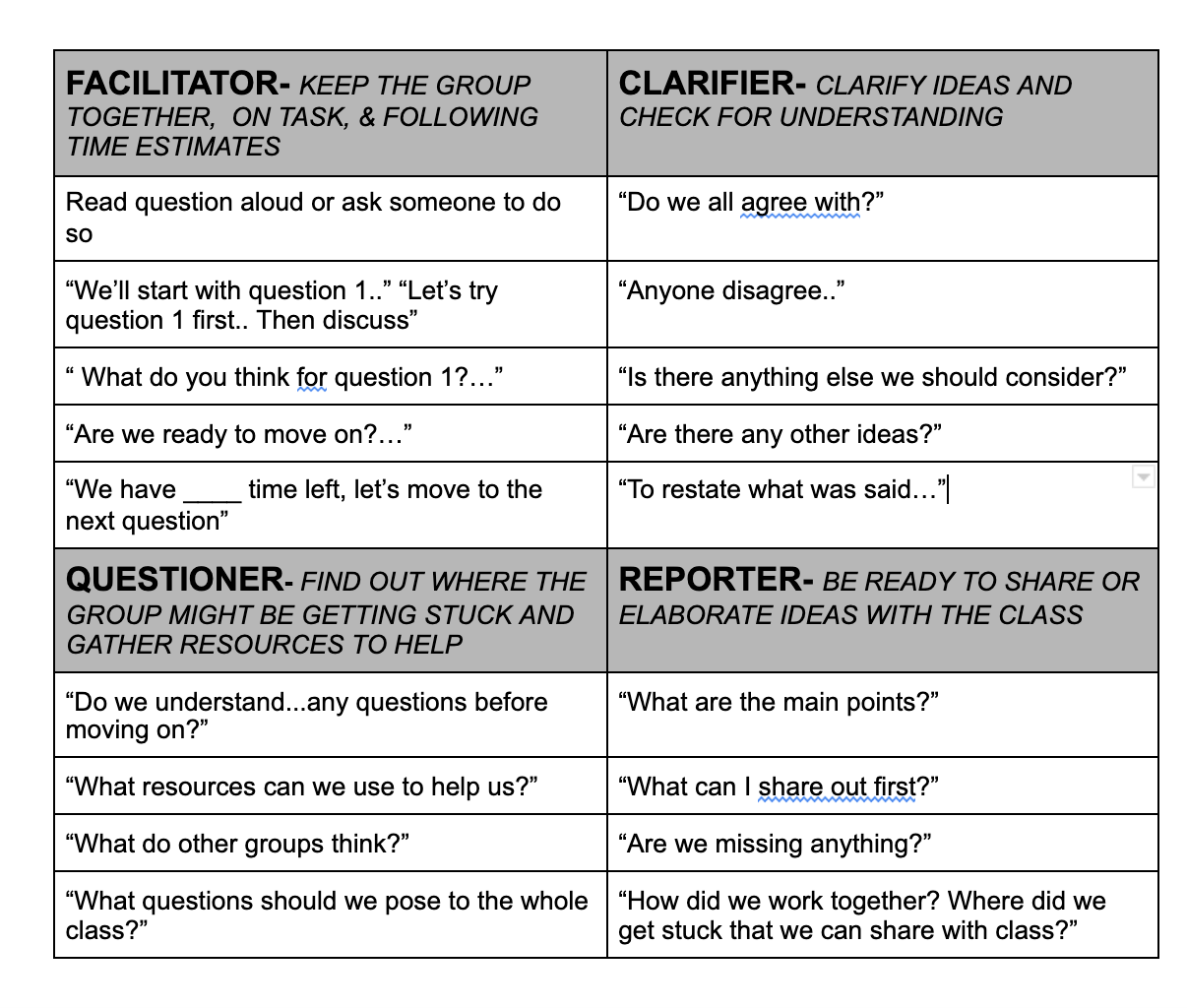
Review the group roles. We will be looking to see that you're working together and should be able to tell your role based on how you interact with your group.


1- Facilitator
2- Questioner
3- Clarifier
4-Reporter

* If working in a group of 3, # 3 can be the reporter and clarifier. If you're missing a number for your group, make sure that someone takes on two roles to account for the missing role(s).
1
1

EXPLORE-1 ( 5-7 minutes)

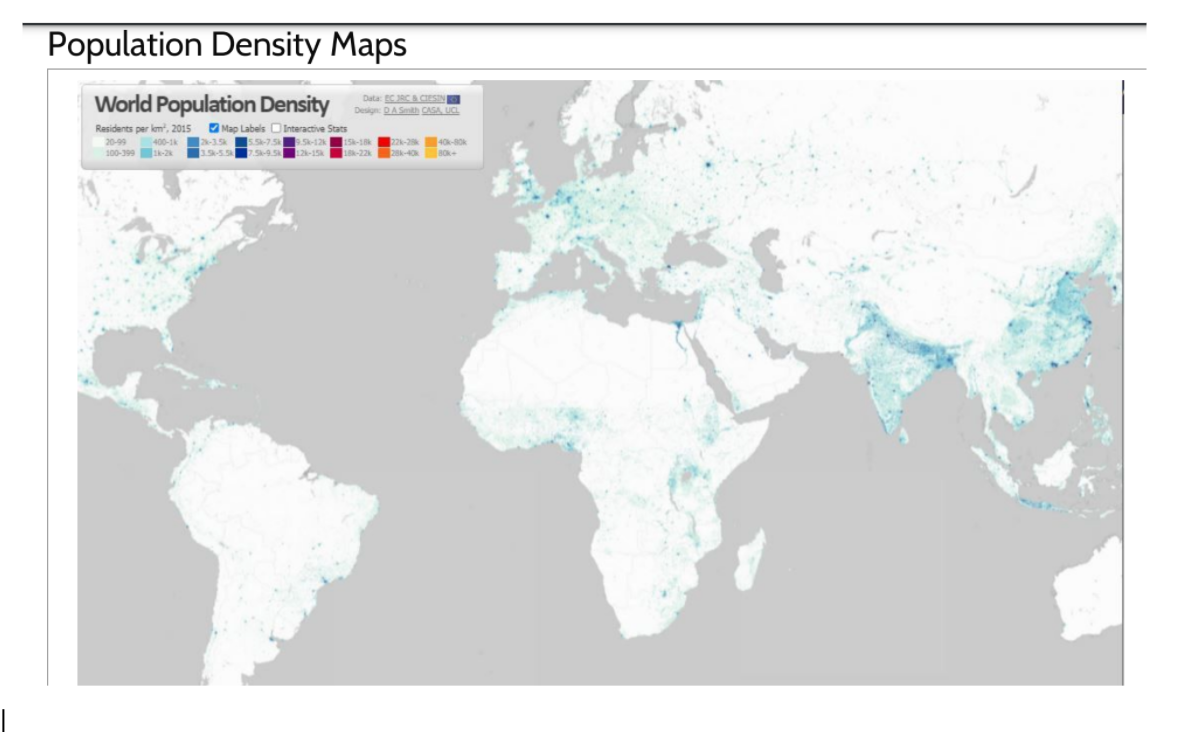
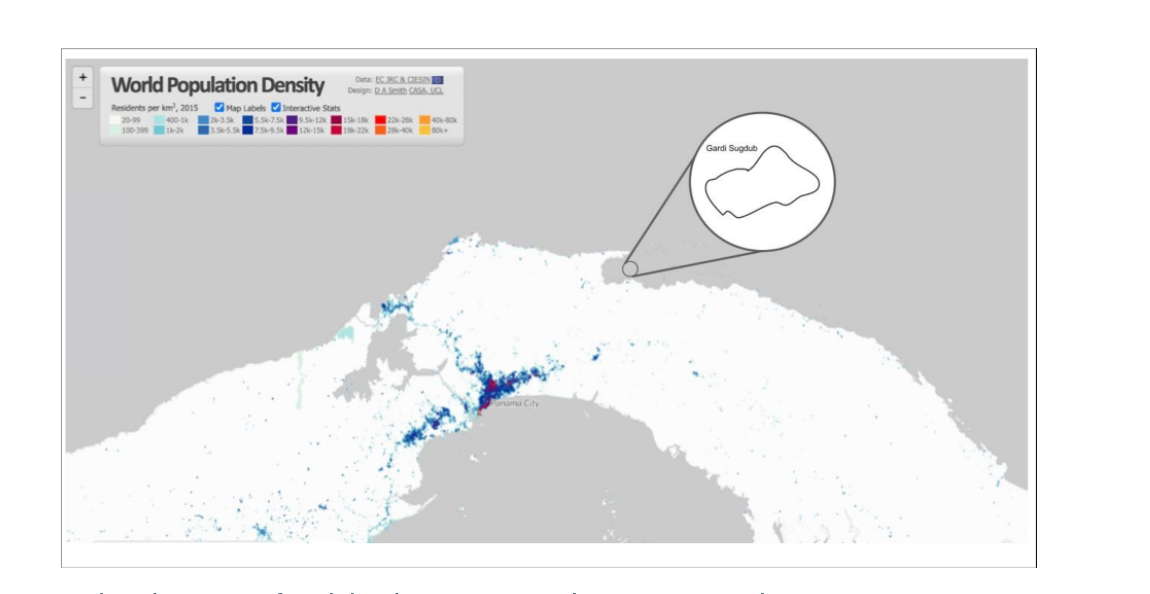
Where do people live? How populated is it?

1
Question 5
5.

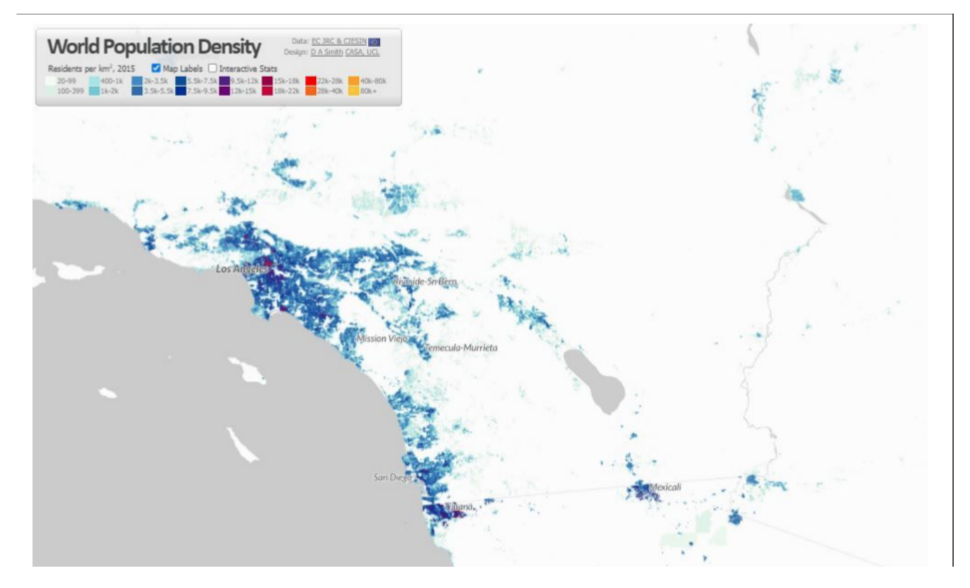
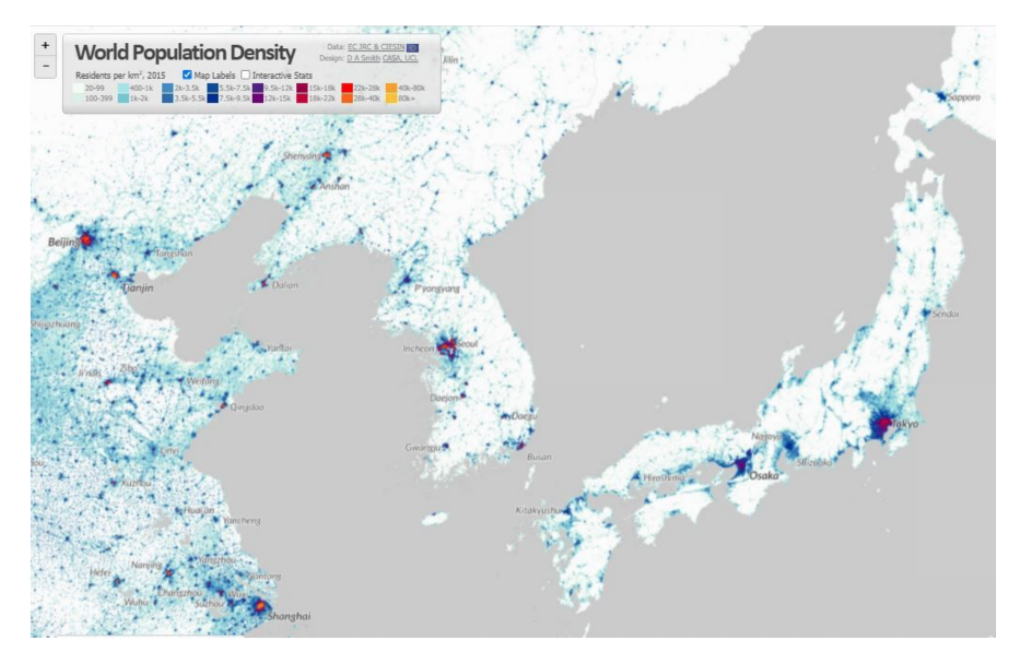
Look carefully at the key. What do these colors on the map represent?
The colors represent…

1
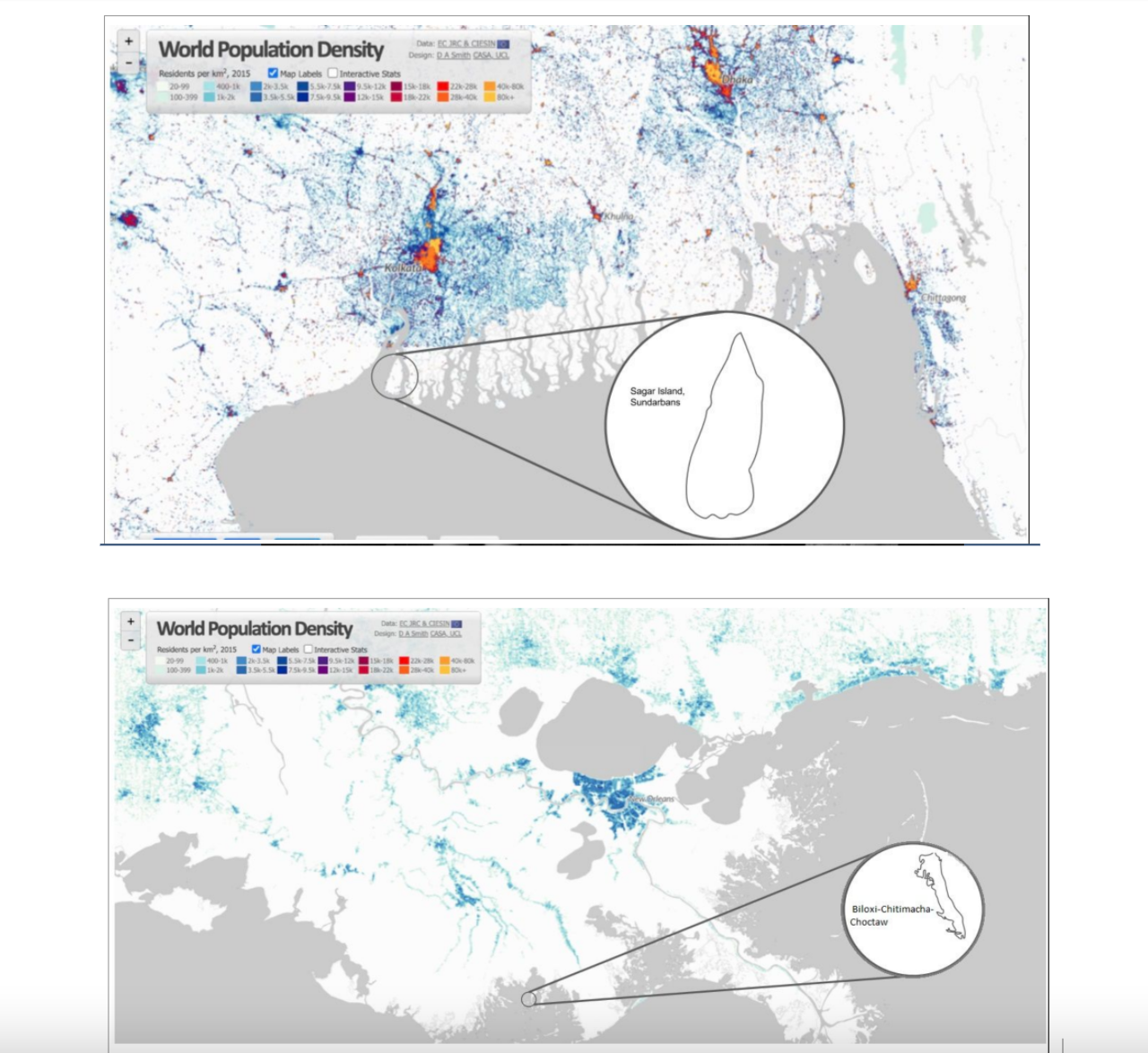
View the 5 images of land masses around the world below and then answer questions 3 and 4.
1
Question 7
7.

What parts of each land mass seem to have more people?
People live around….
In each land mass...

1

Guided Instruction-1

(10-15 minutes)

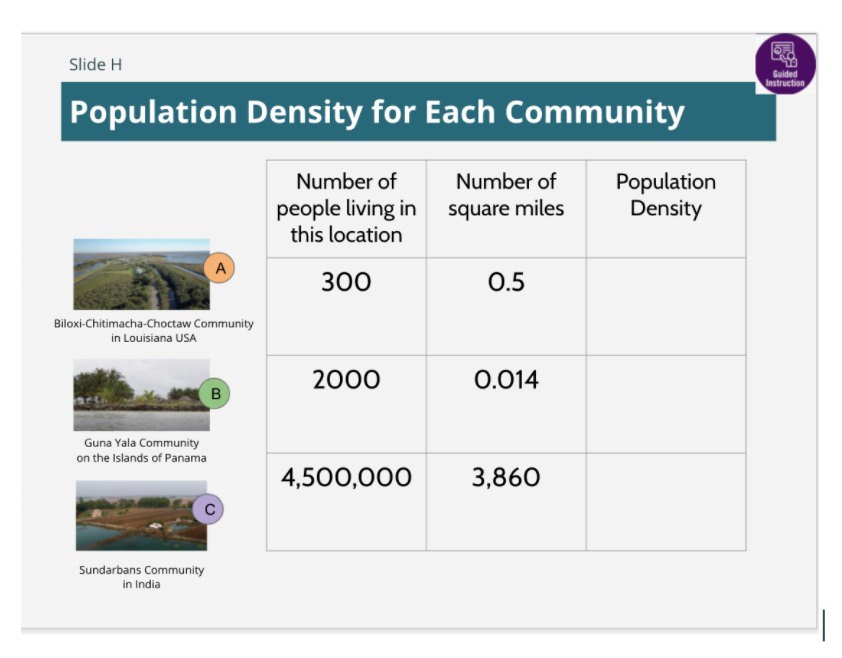
Calculating Population Density

1
1
Question 10
10.

1
1
1
1

EXPLORE-2 (15-20minutes)

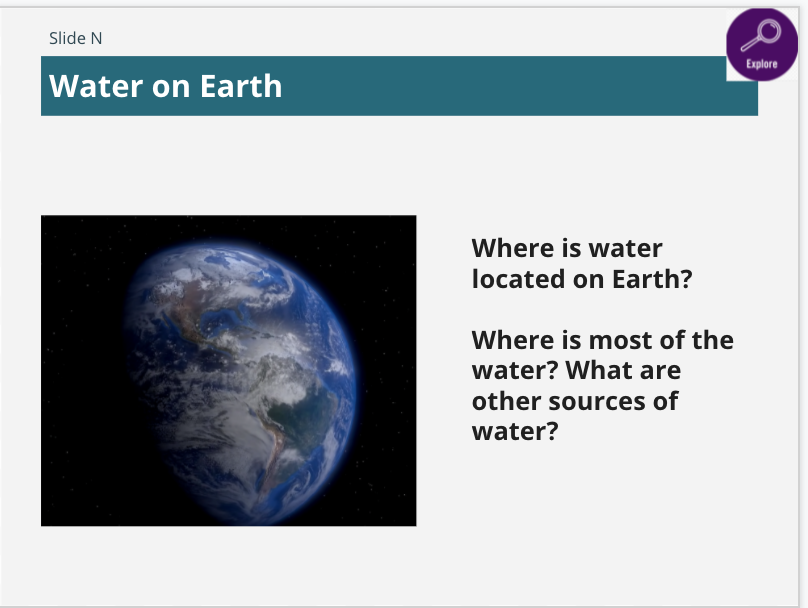
Where is water located on Earth?

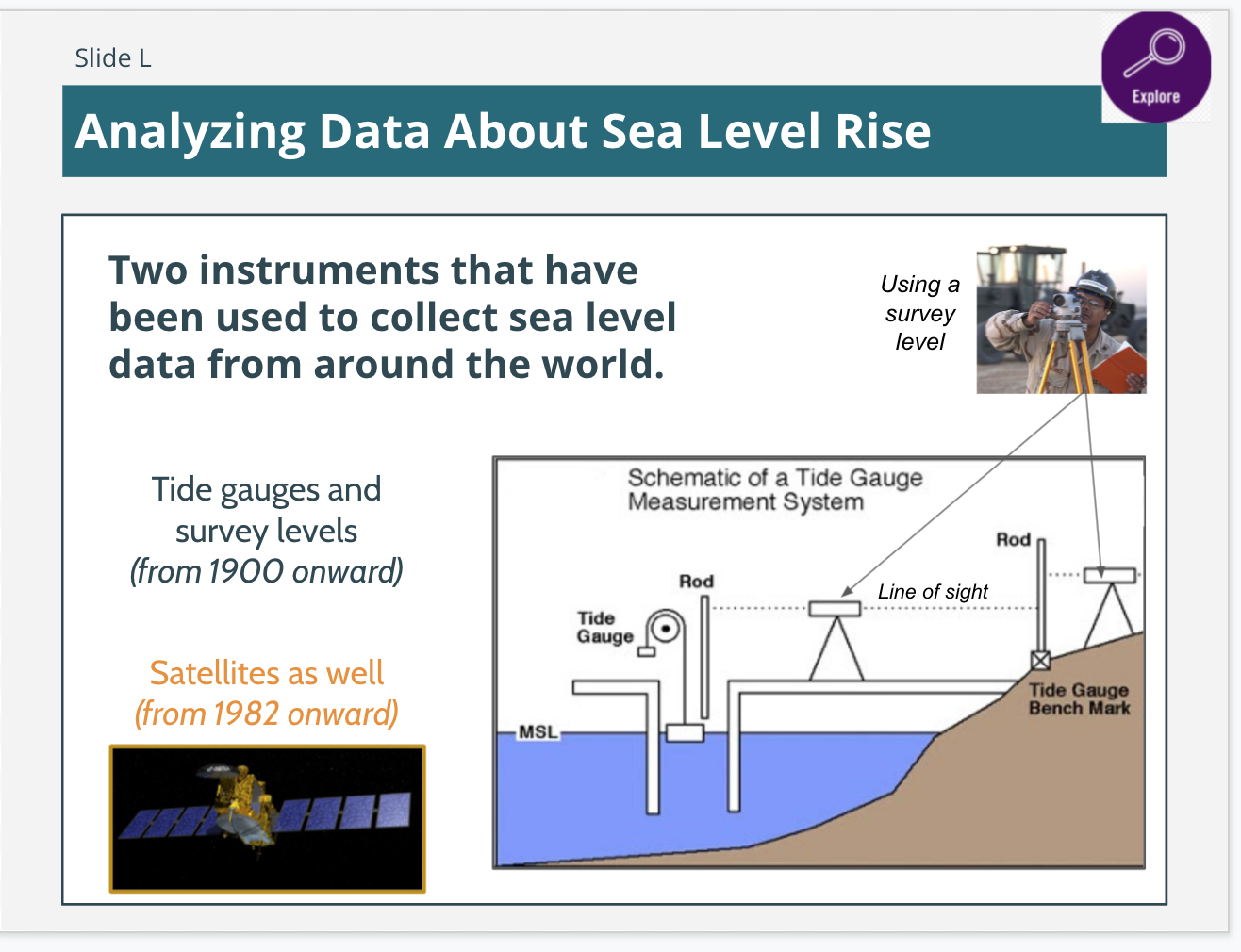
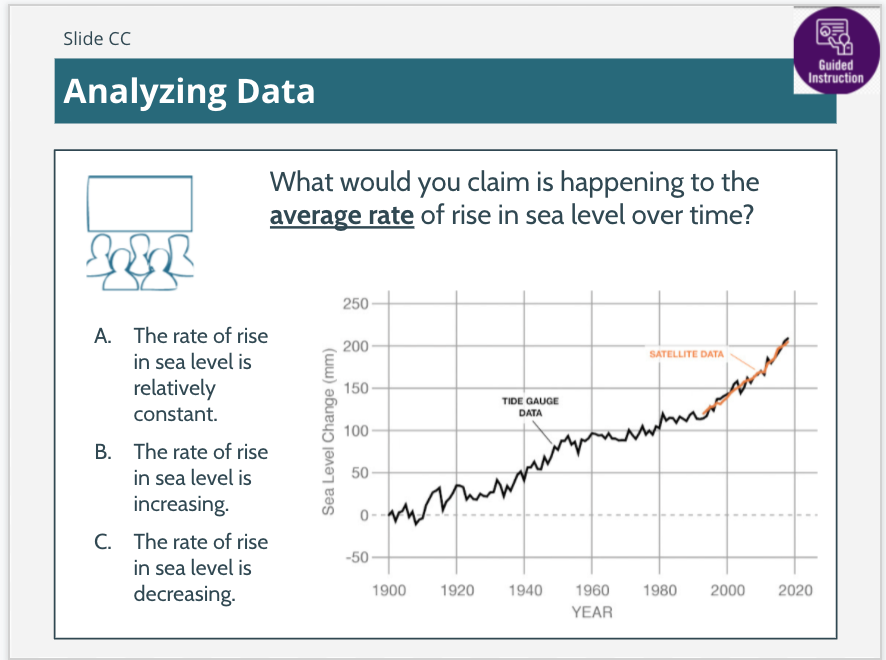
Sea level rise is an issue in all these communities. Read the slide to see how scientists have measured changes in sea level over time.
1
Question 15
15.

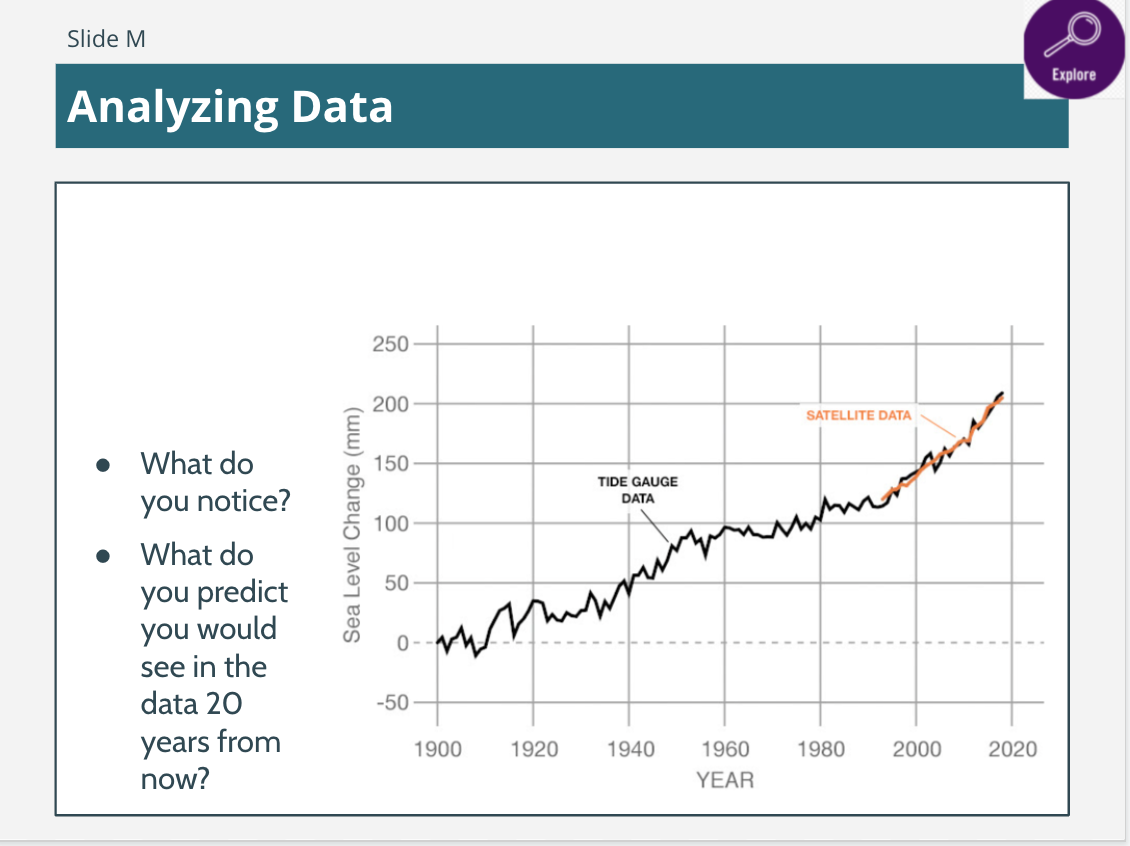
What do you notice about the graph?

The x-axis shows...
The y-axis shows...
The slope of the graph shows...

1
1
Question 17
17.

Watch this animation of the Earth rotating.

Where is water located on Earth? Where is most of the water? What are other sources not seen on this animation?

Water is located...
Most water is...
Other sources of water could be...

1
Question 18
18.

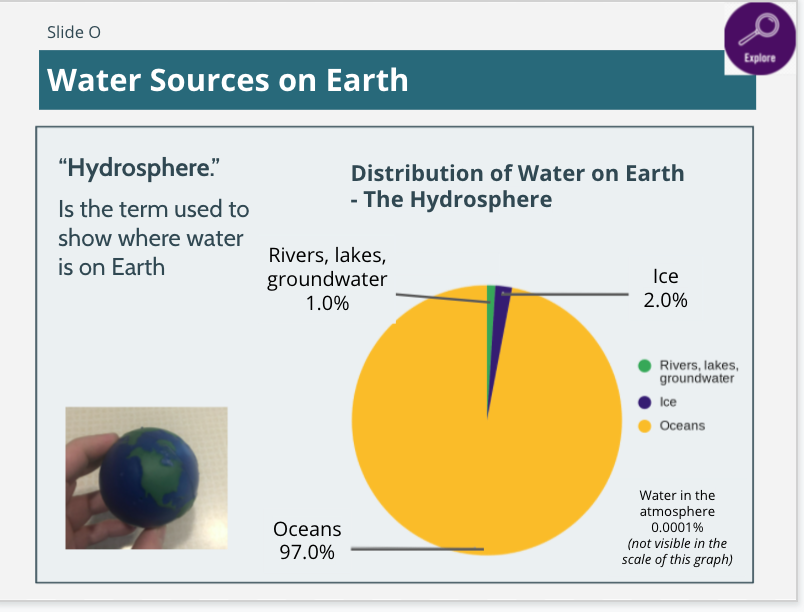
What do you notice about Earth's hydrosphere? Where is water located? Where is most of the water, least of the water? (Use specific evidence from the graph)

I notice that...
Water is located in...
The most water is in...
The least water is in...

1
1
Question 20
20.

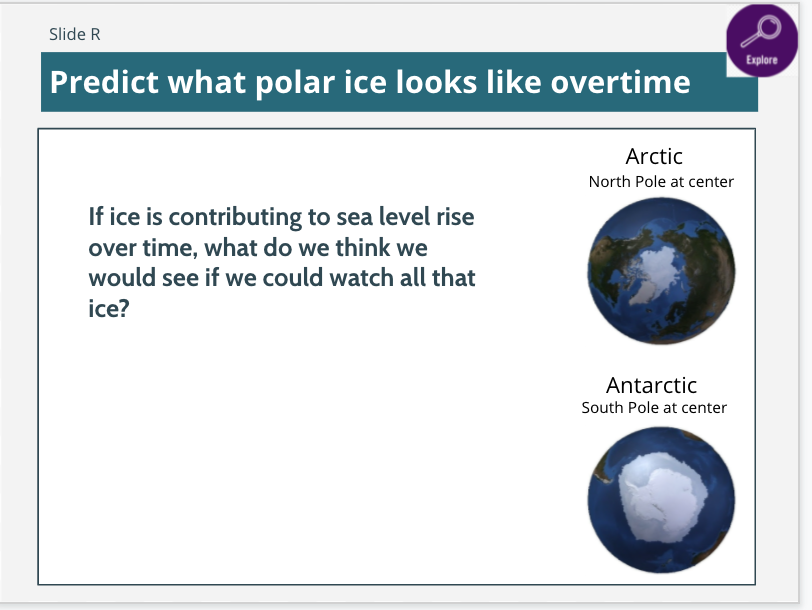
If ice is contributing to sea level rise over time, what do you think you would see change if you could watch the ice?

I think I would see..
One change over time could be...

1

GUIDED INSTRUCTION-2

15-20 MINUTES

How is ice changing at both poles? Is there a difference between sea vs. land ice?

Watch this video of damage along the Northeast from hurricane Ida
1
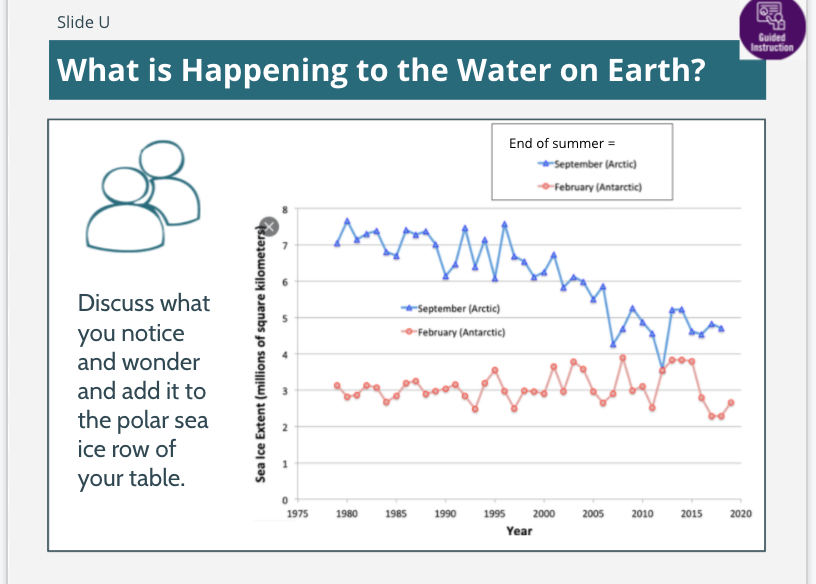
The graph shows Changes in sea ice at each pole during the summer months.
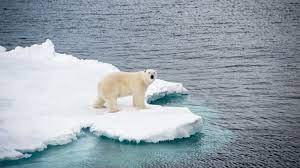
Sea ice is ice located in glaciers within the ocean.
1
1
1
1
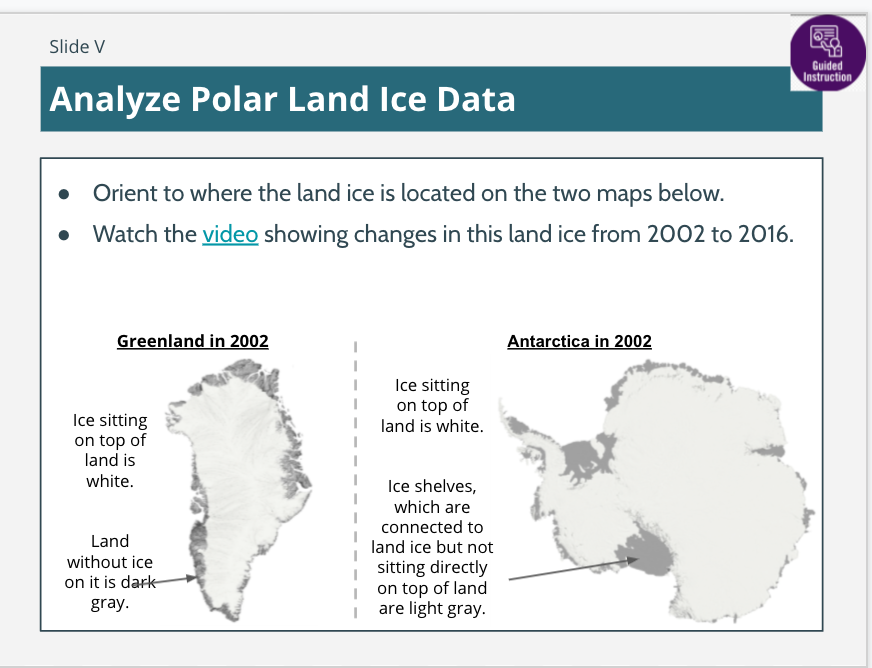
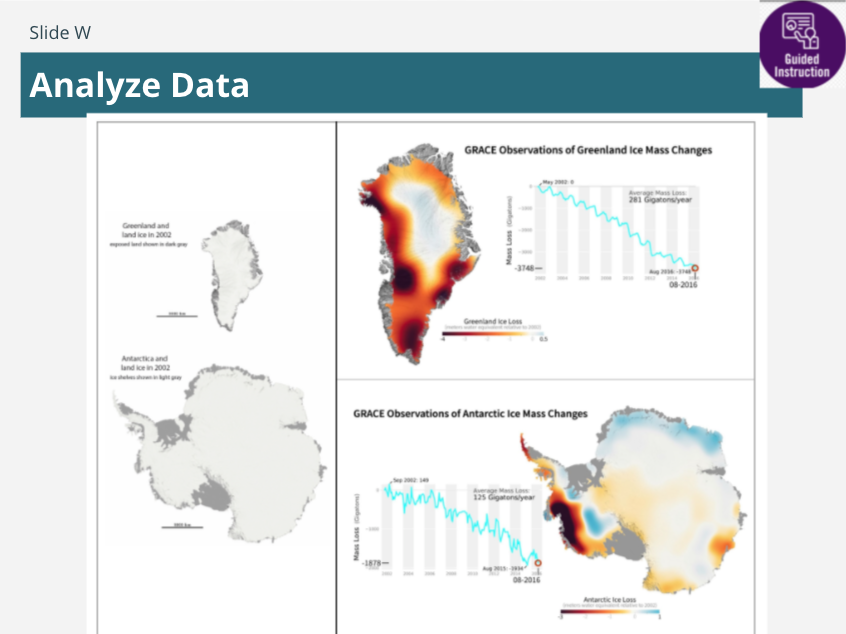
Watch this video showing changes in land ice from 2002-2016. This video and graphs represent land ice changes in both Greenland (North Pole) and Antarctica (South Pole).

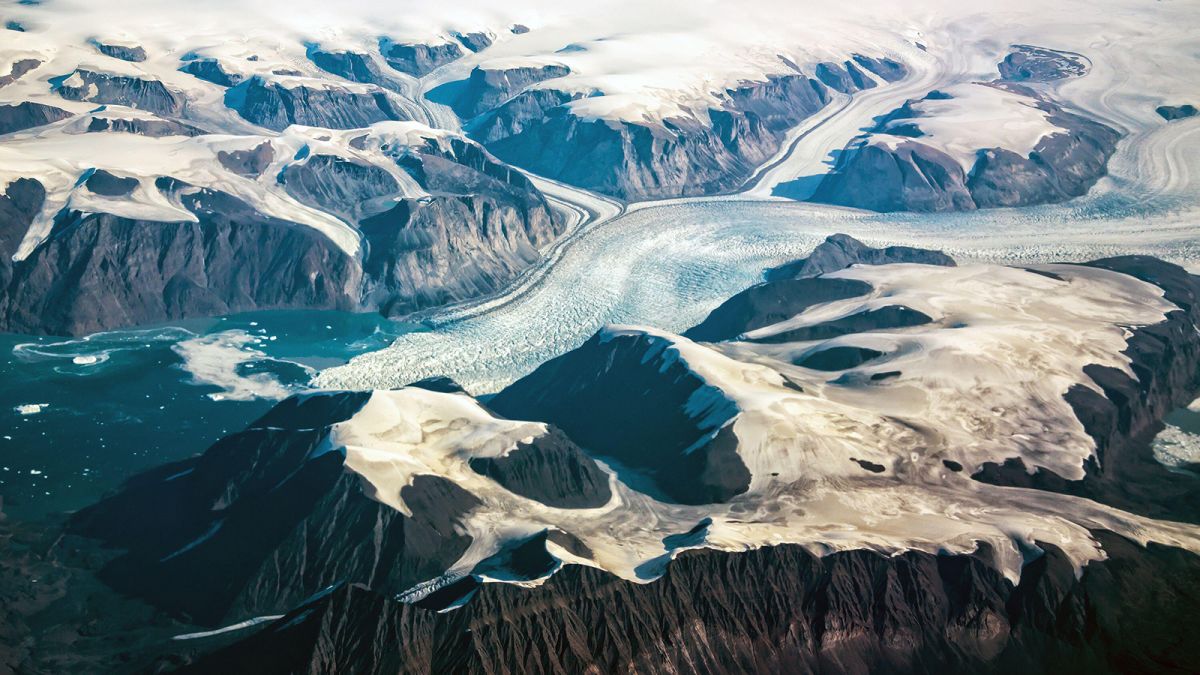
Land ice is ice located on the land and not in the ocean.
1
1
1
1
1
1
1
1
1
1
1
1
1
1
Working Collaboratively to Help Everyone Learn
Question 2
2.

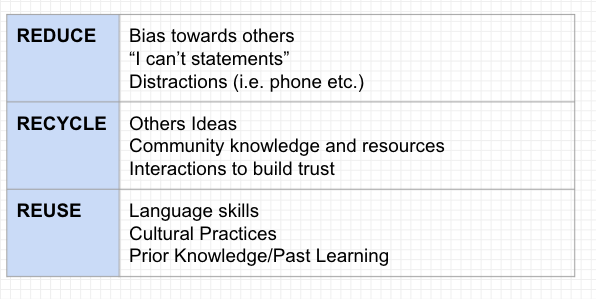
Review the norms and use your Stem thinking to think about how to work together in your group and what to do when an individual or the group feels stuck.


One norm to use can be...
When stuck, we can first... second...third
Learning Target
I can ask questions that arise from analyzing maps and data related to sea level rise
EXPLORE 1- Population Density Maps

G.I. 1- Calculating Population Density

EXPLORE 2- Exploring where water is on Earth

G.I. 2- Analyzing sea vs. land ice
Question 3
3.

Question 4
4.

What do you want to be mindful about for your role?

Question 6
6.

Question 8
8.

Explain how you know? Which specific data are you using from the maps?

I know this because…

I looked at …. on each map because...

Question 9
9.

Calculate the population density for Location A. (Louisiana)
Question 11
11.

Calculate the population density for Location B (Panama)

Question 12
12.

Calculate the population density for Location C (India)

Question 13
13.

How does knowing the population density of each community help us to better understand the problem and how to best support these communities?

Population density can help us understand the problem by…
Population density is useful when considering…

Question 14
14.

Is there any other information we should consider when trying to help communities large or small?

Something to consider is...

Question 16
16.

What do you predict that you'll see in the data 20 years from now?

In 20 years I'd expect sea level to _____ compared to today

Question 19
19.

Question 21
21.

Watch the video of the Earth. What do you notice about how the Arctic (North Pole) ice is changing over time?

The ice is changing by...
I can see that...
The red graph line shows...

Question 22
22.

Question 23
23.

Question 24
24.

Question 25
25.

This graph represents Sea Ice Changes at the two Poles.

What do you notice about the graph? (Any patterns or trends? Similarities and Differences between Arctic and Antarctic etc.)

I noticed that...
One pattern is..
The two graphs are similar because...
One difference between the two graphs is...

Question 26
26.

Question 27
27.

Question 28
28.

What patterns/trends do you notice in the changes in mass of ice over time? What are similarties and differences between ice mass loss in Greenland versus the Antarctic?

I notice that...
One patterns is...
One similarity is...
One difference is...

Question 29
29.

Question 30
30.

Explain your reasoning for question 27 using two pieces of evidence.

One piece of evidence is...
Another piece of evidence is...

Question 31
31.

Record 1-2 questions about the data.

Question 32
32.

Look back at Slide U (sea ice) and Slides V and W (land ice).

Compare sea ice to land ice. What do you notice? What do you wonder?

Sea ice is... compared to land ice...

I notice that...

I wonder about..

Question 33
33.

What could be a reason for differences in land and sea ice between the two Poles? (Greenland vs. Antarctica)

One reason for a difference between the poles could be...

The North Pole might have...ice than the South Pole because...

Question 34
34.

Question 35
35.

Question 36
36.

What is one thing that you can improve upon in using your group role?

Question 37
37.

Question 38
38.

What is one way your group can improve working together?

Question 39
39.

What is one thing you GOT from the Explore 2 and Guided Instruction 2

- Something you understand or think you could explain to someone else

Question 40
40.

What is one Need, or question(s) you have? List specific question(s) you want to review as a class.

What is your group role?
facilitator
questioner
clarifier
reporter
What patterns do you notice about where people live?
Choose all that apply
People live in random locations, there is no pattern
People live in denser areas closer to other people
More people live in the Eastern hemisphere
More people live in the Western hemisphere
More people live in the Northern Hemisphere
More people live in the Southern Hemisphere
Slide H shows the population density or how many people live in a certain area for our three communities. What could you do to calculate the population density?
Add the number of people living in the location to the square miles
Subtract the number of people living in the location from the square miles
Multiply the number of people living in the location to the square miles
Divide the number of people living in the location by the square miles
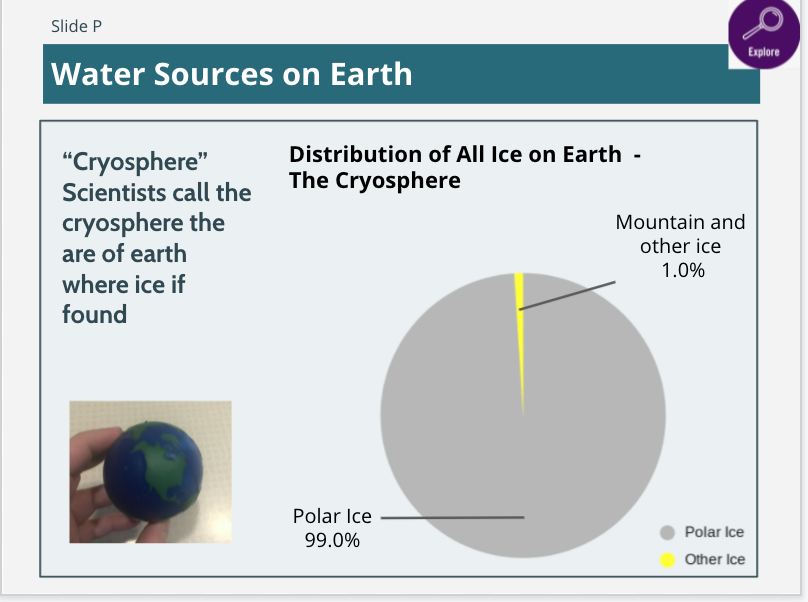
Where is most ice found on Earth?
Mountains
Polar ice- At the North and South Poles of the Earth
Other ice on land (i.e. frozen lakes, streams, snow etc.)
What do you think? Could ice melt at the North and South Poles contribute to these storms?
Yes
No
Not sure
What does the blue line represent?
September (End of Summer) in Arctic
February (End of Summer) in Antarctic
What does the red line represent?
September (End of Summer) in Arctic
February (End of Summer) in Antarctic
What do the colors represent on each land mass? Choose all that apply.
White- ice sitting on land
White- land without ice
White- Ice shelves connected to land but not directly on top of land
Light Gray-ice sitting on land
Light Gray- land without ice
Light Gray-Ice shelves connected to land but not directly on top of land
Dark Gray- ice sitting on land
Dark Gray- land without ice
Dark Gray-Ice shelves connected to land but not directly on top of land
Based on the video and images, what is true about the colors on the key? Choose all that apply
Darker colors show more land ice was lost over time
Darker colors show less land ice was lost over time
Higher negative value means more land ice loss
Lower negative values means more land ice loss
Compare land ice changes at each Pole? Greenland vs. Antarctica Choose all that apply
Greenland has less land ice than Antarctica
Greenland has more land ice than Antarctica
Greenland is losing ice at a faster rate than Antarctica
Antartica is losing ice at a faster rate than Greenland
The rate of ice loss in both Greenland and Antarctica are about the same
In general, what would you claim is happening to the average rate of rise in sea level over time?
The rate of rise in sea leve is relatively constant
The rate of rise in sea level is increasing
The rate of rise in sea level is decreasing
You need more information to be able to tell
Reflection: How would you rate yourself on how you performed your group role?
Excellent- I was thoughtful about my role and made sure to do my part
Good- I understood my role and contributed
Ok- I knew my role but didn't really understand how to use it or didn't use it much
Not good- I wasn't aware of my role, forgot my role or didn't think about using it all while working
How would you rate the collaboration in general from your group?
Excellent- We had a clear process for how we were working, everyone contributed, followed their role, and seemed comfortable working together
Good- We had a clear process for how we were working, everyone knew what to do and we checked with each other when needed.
Ok- We didn't have a clear process for how to work together and/or we sometimes checked in with each other.
Not Good- We didn't have a clear process for how to work, we all did it alone with little to no checking in with each other while working