The Hydrologic (Water) Cycle
Water is important - it is the largest component of living things! for example, the human body is made up of about 70% water, and jellyfish are about 95% water. Water has a role in many important cycles and processes on earth- including photosynthesis, digestion, and cellular respiration. It is also provides a habitat for many species of plants, animals, and microorganisms. The major reservoirs of water on Earth are the oceans. Oceans cover about three-quarters of Earth’s surface and contain about 97% of its water.
So, let's get into the water cycle!
BLUE words are vocabulary words and RED words are the definitions.
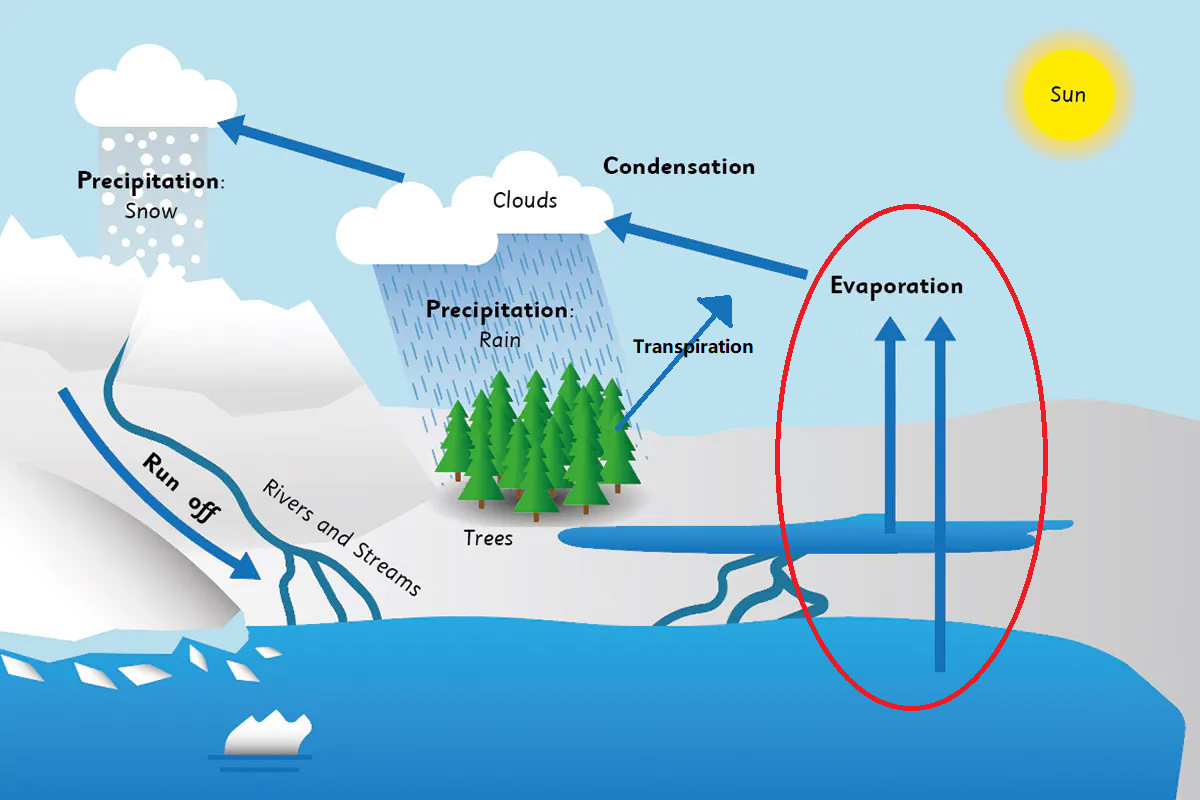
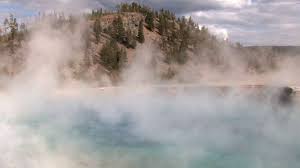
1. We start with evaporation. Evaporation is the process of liquid water turning into vapor (water as a gas) due to heat. Just like when you boil water and you get steam! Evaporation on earth is caused by the sun's heat.
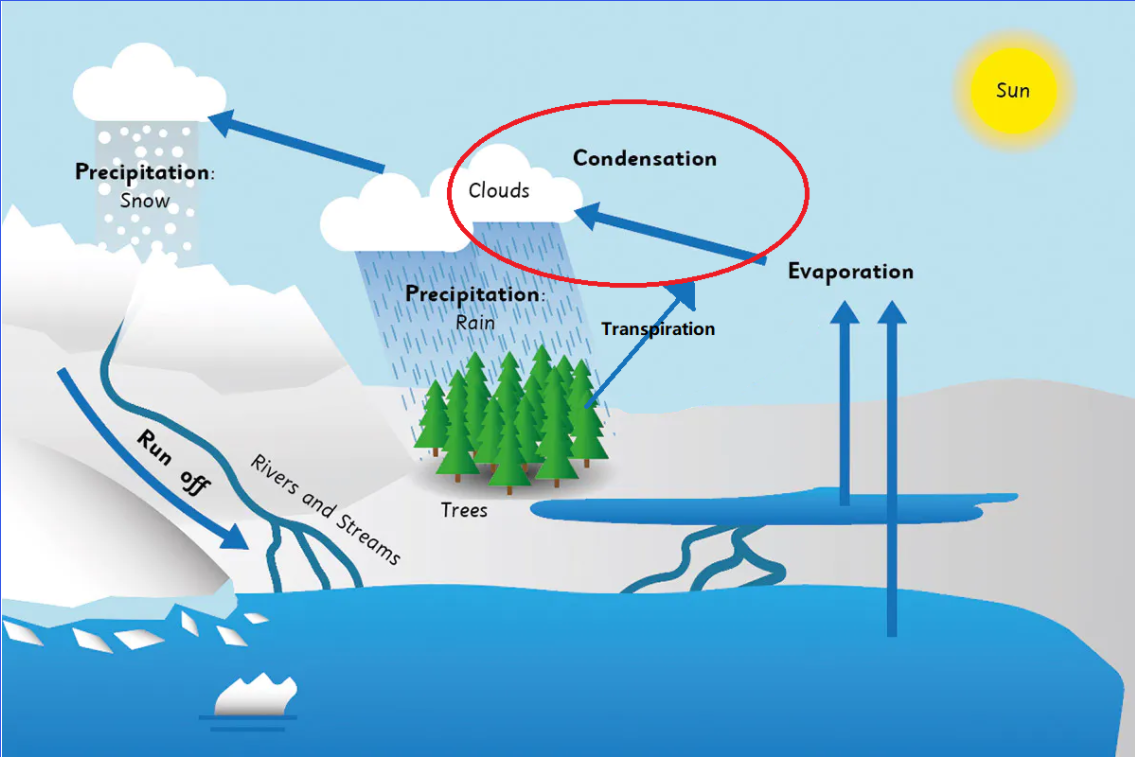
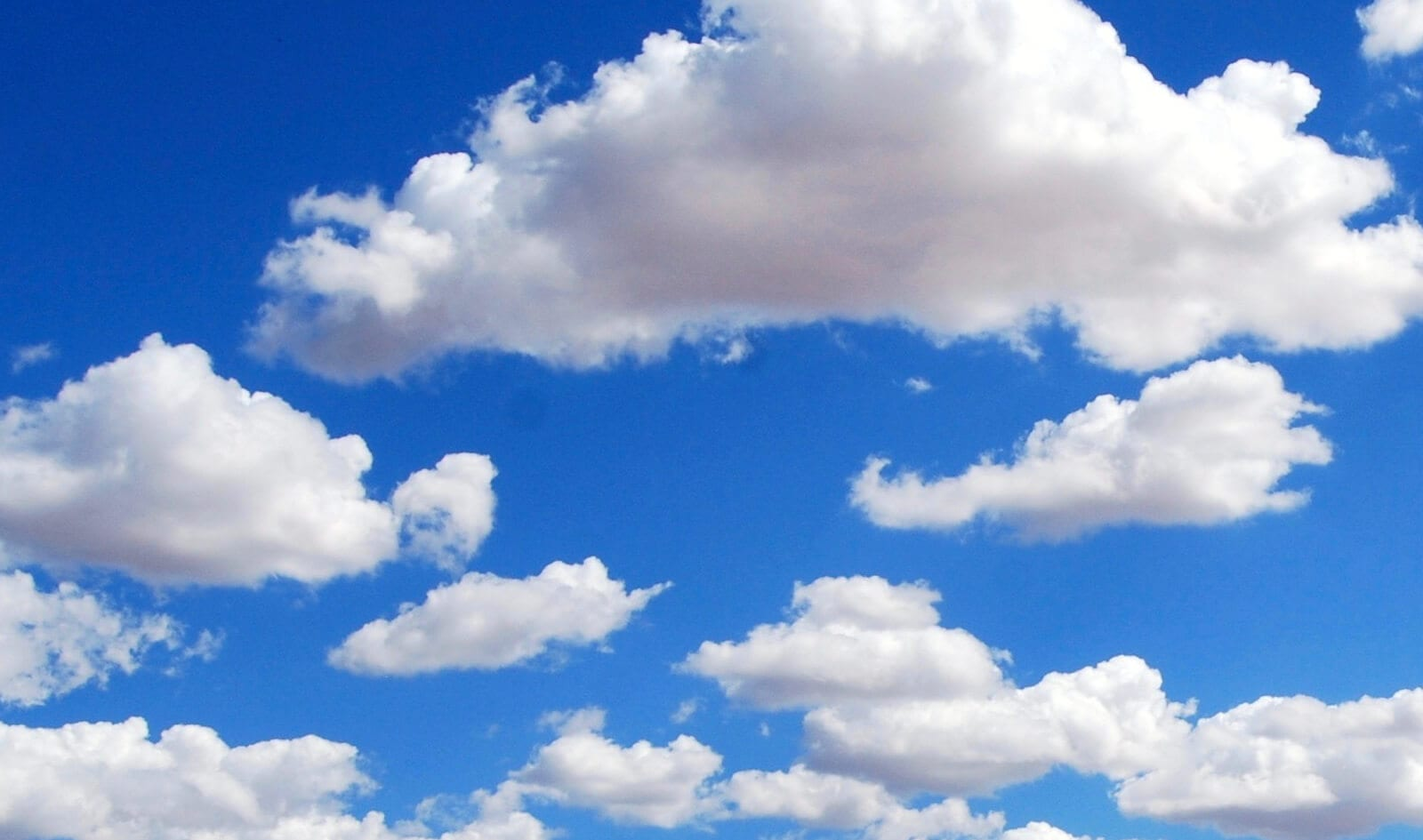
2. As the water vapor from evaporation turns back into liquid water this is called condensation. Clouds are the best examples of condensation!
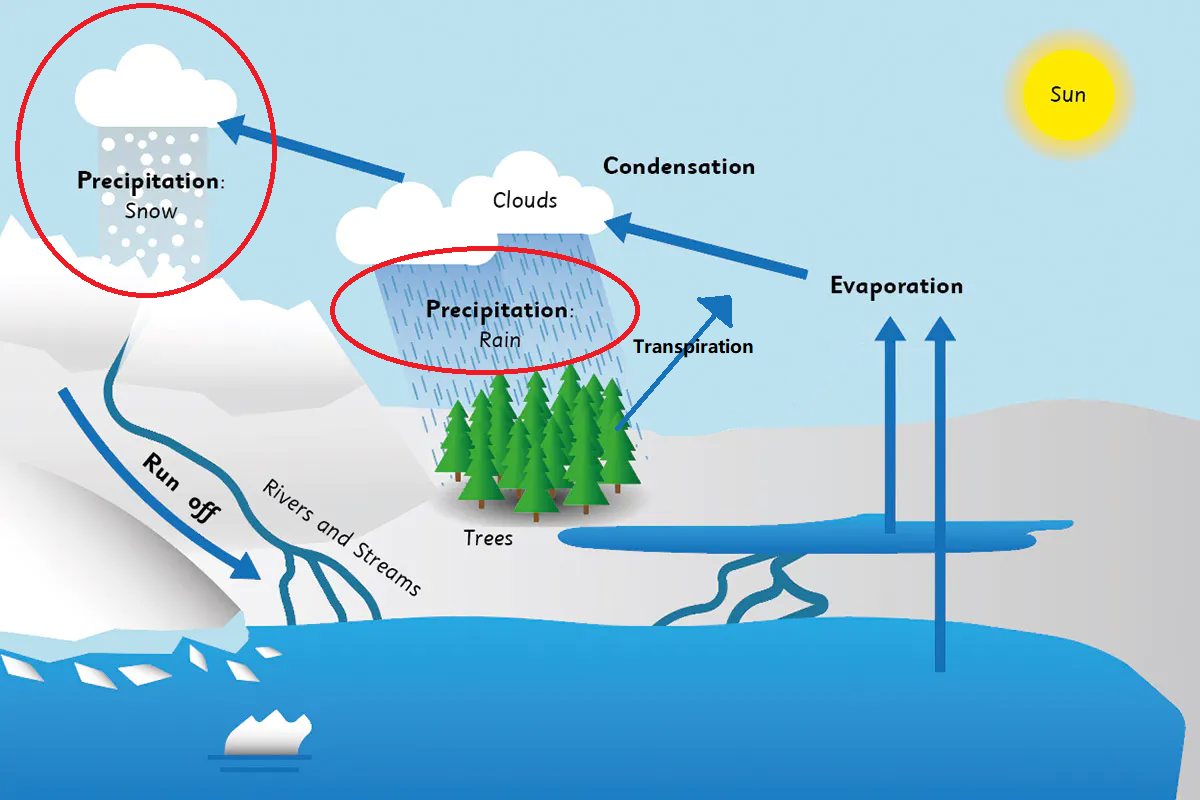
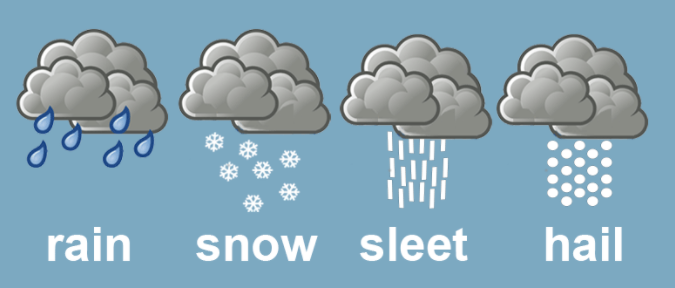
3. When water vapor (gas) cools, it condenses and falls to Earth this is called precipitation. Examples of perciptation are rain, sleet, and snow. You may be asking, what causes water to fall from the sky? The pull of gravity is what draws the water back to Earth - without gravity water would be floating all around us.
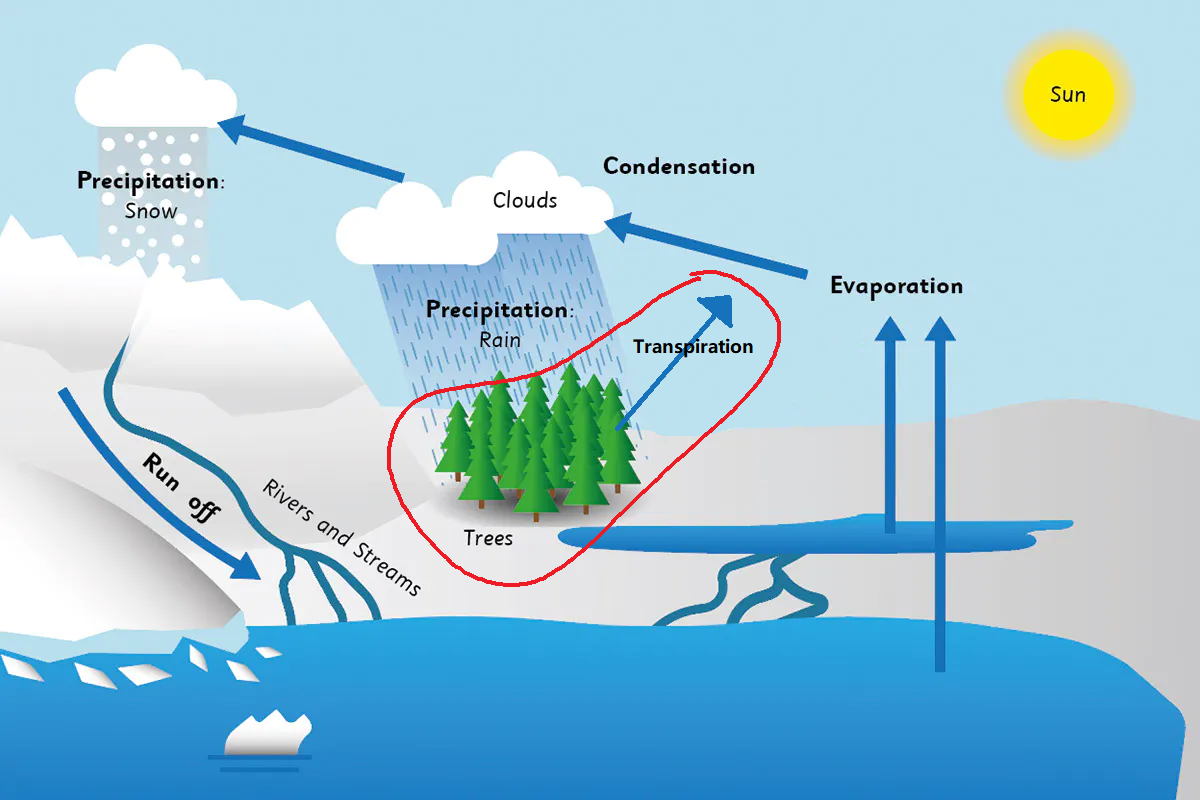
4. Water is absorbed by the roots of the trees and used in photosynthesis, but water is also lost from their leaves through the process of transpiration. During transpiration, plants "sweat" through little holes in their leaves called stomata which releases water back into the atmosphere.
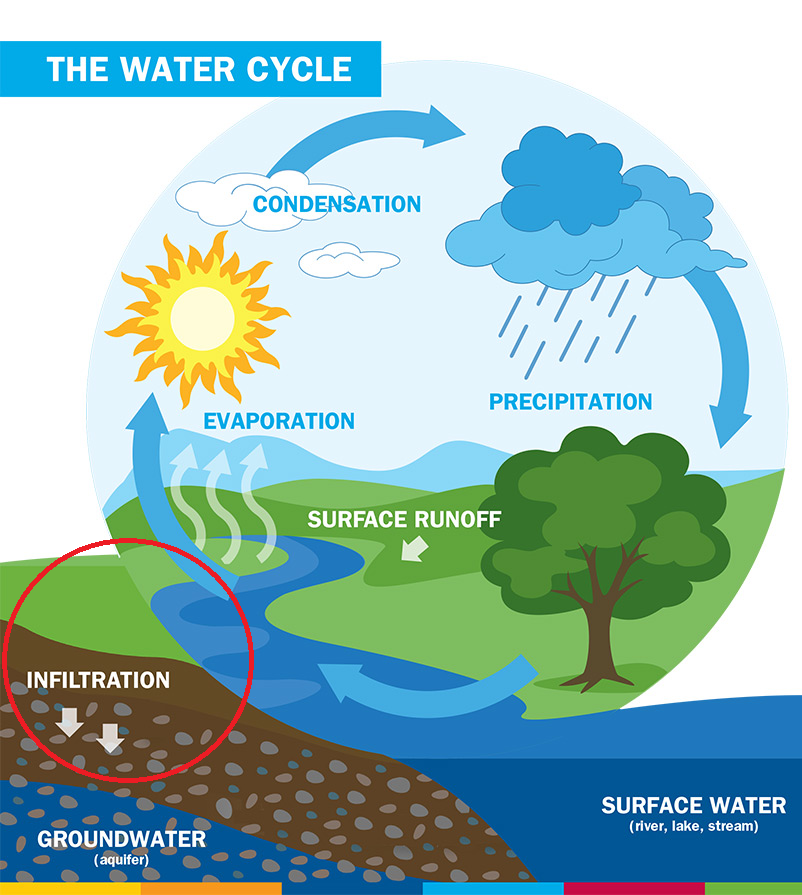
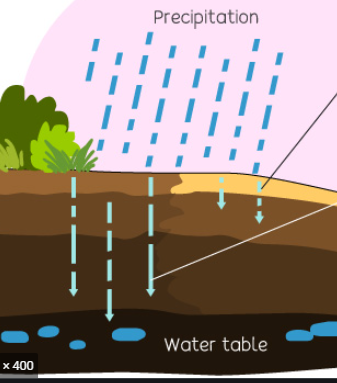
5. Water from the land enters the ocean through infiltration; water percolates (filtered) from the surface down to the water table. This water-saturated zone of soil and rock is called an aquifer, and water seeps from the aquifer to the ocean.
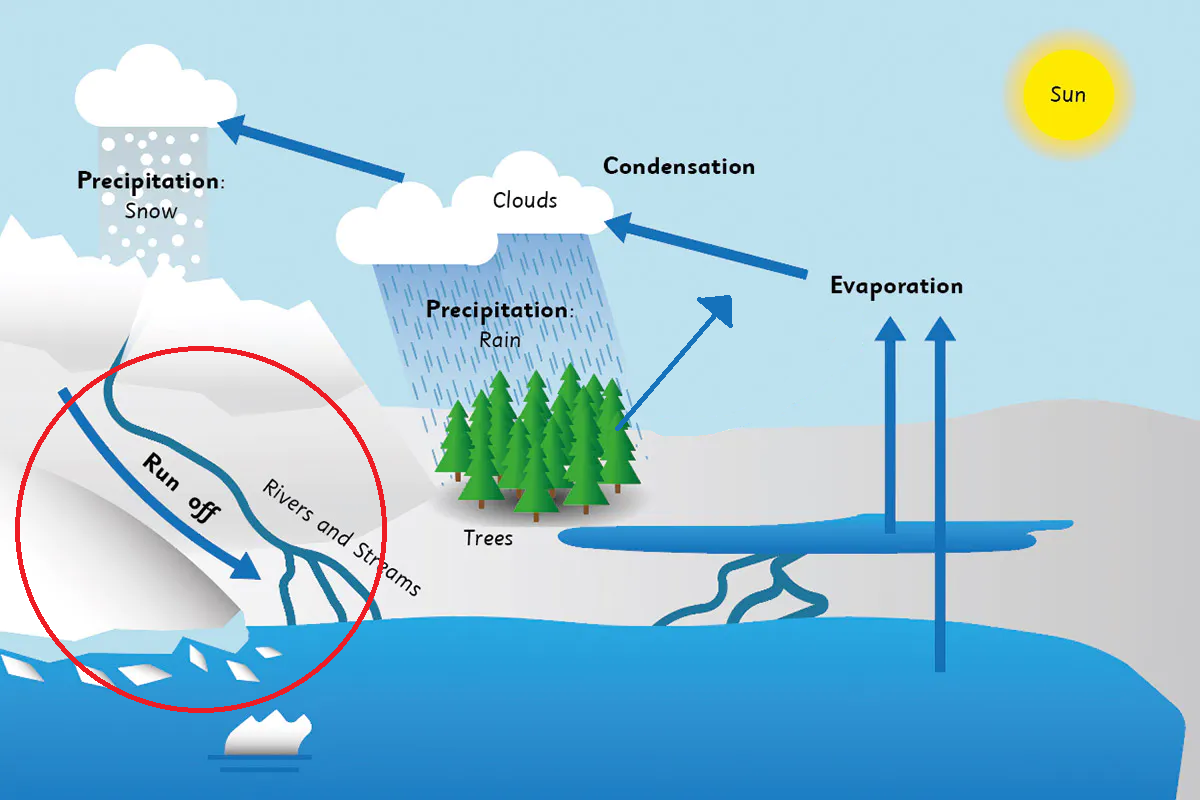
6. Water also reaches the ocean as runoff from the surface. Runoff from the surface includes flow from rivers as well as melting snow and glaciers.
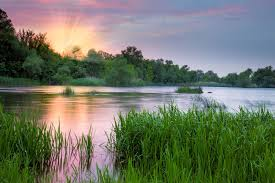
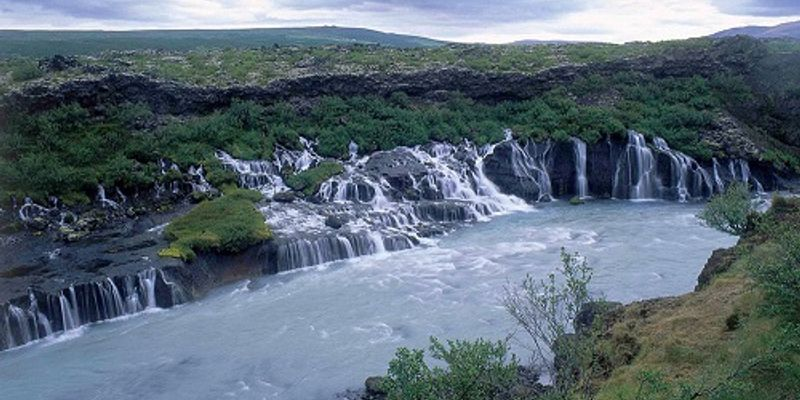
Surface water includes all water on top of the ground -rivers, creeks, streams, wetlands, lakes and oceans