Log in
Sign up for FREE
arrow_back
Library

Paper 1 Practice

star
star
star
star
star
Last updated over 4 years ago
89 questions
Note from the author:
Practice for IB Language A LL Paper 1
FOCUSED GUIDING QUESTIONS
1. How does visual and written text create/shape meaning?
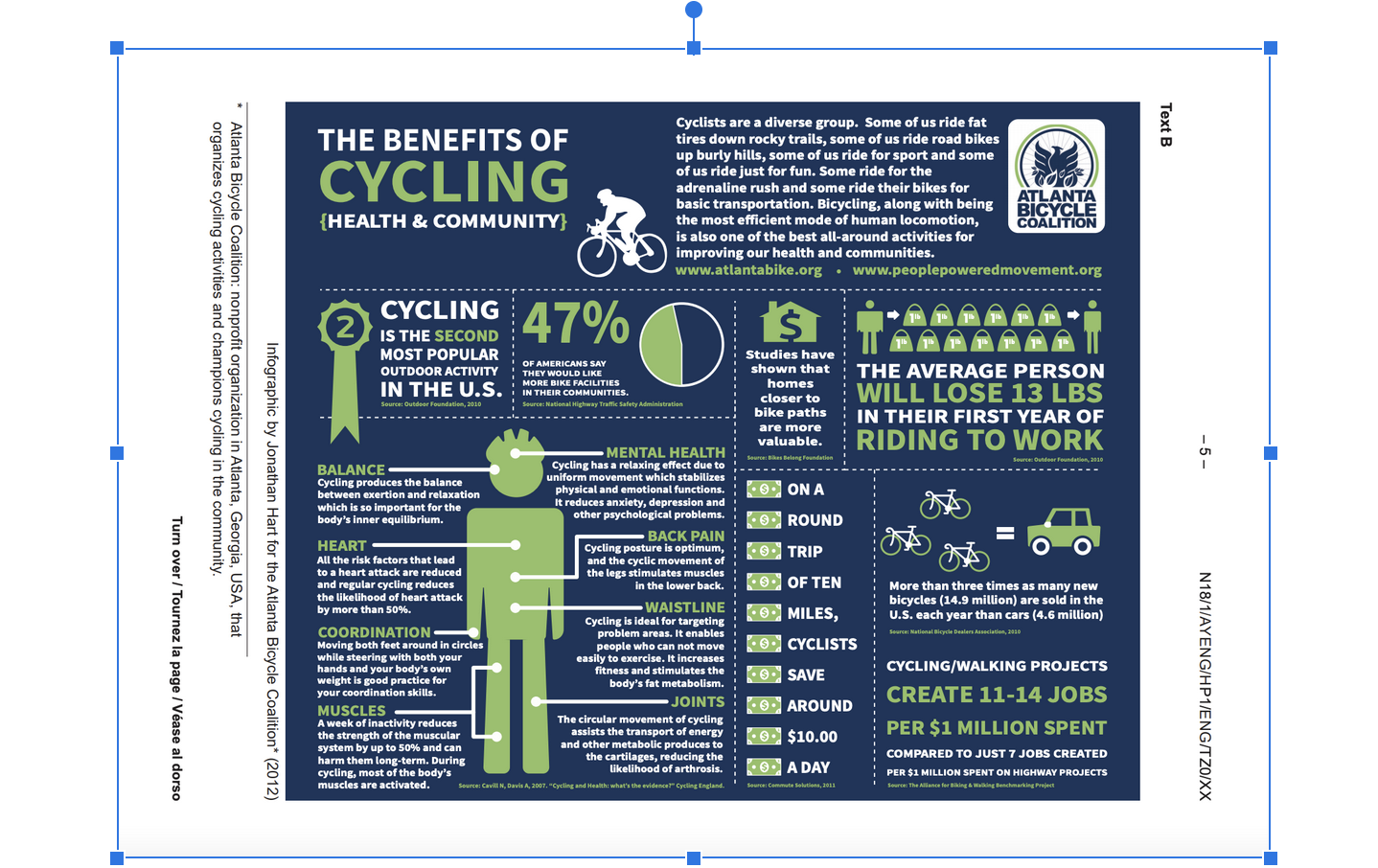
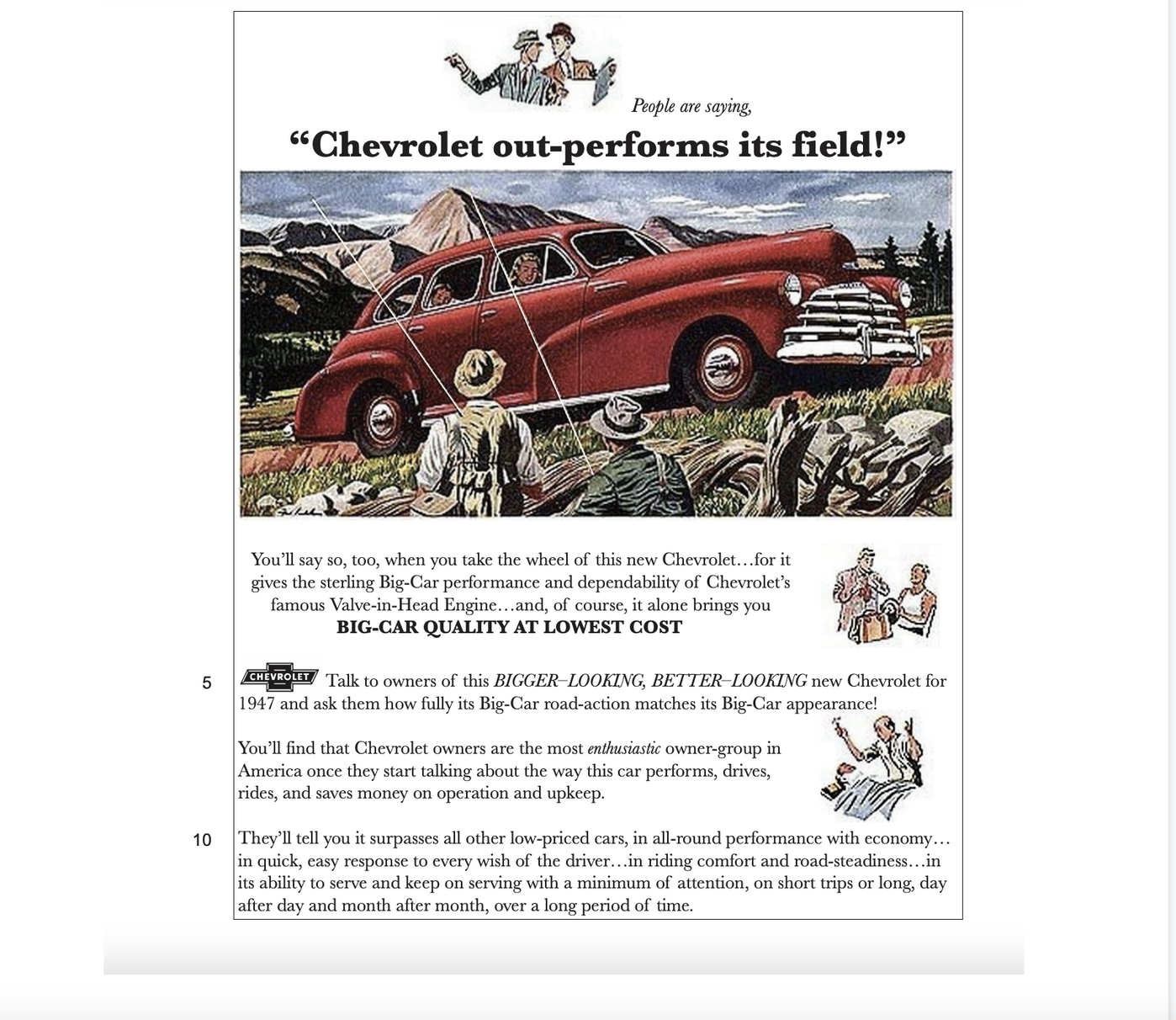
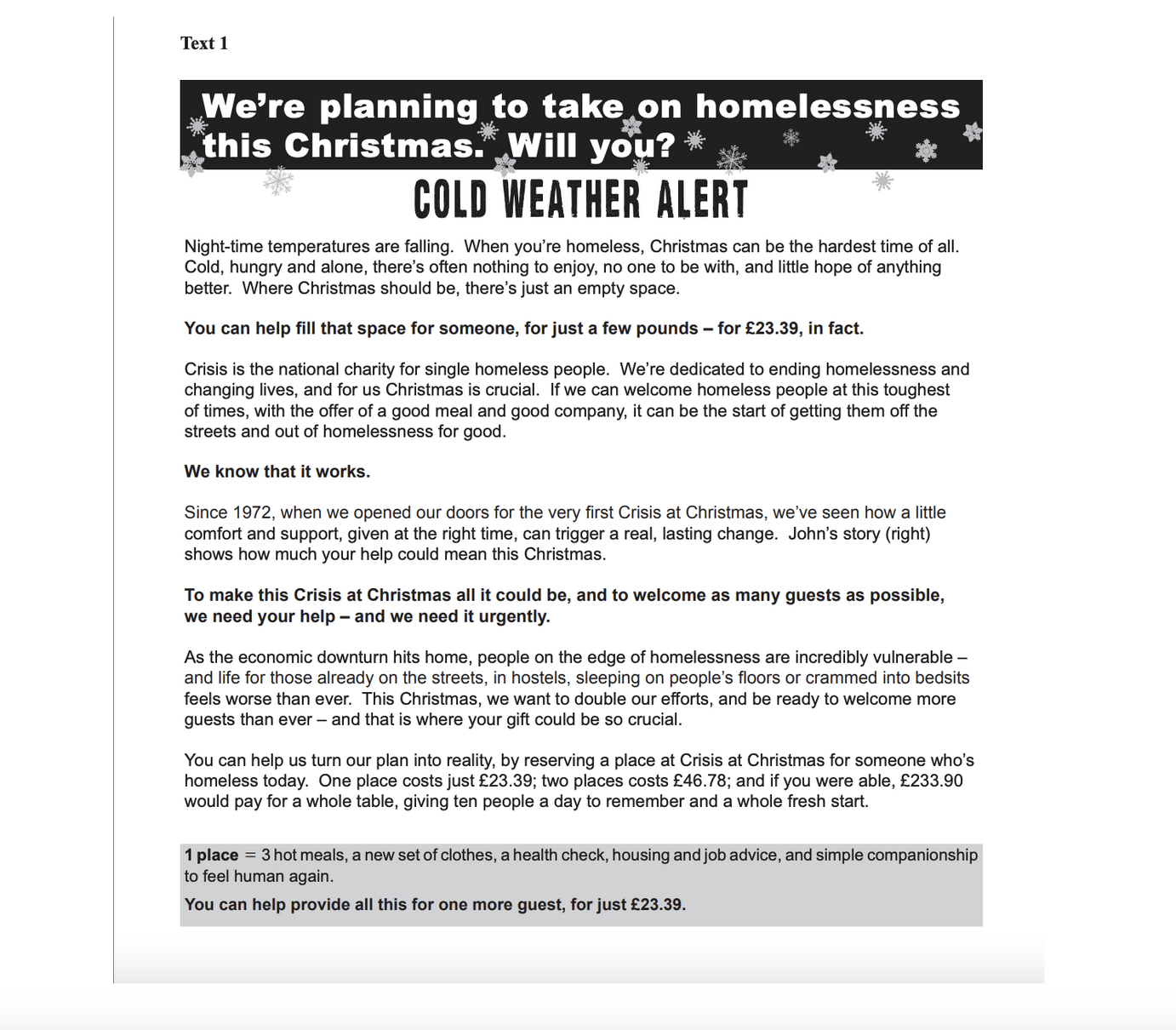
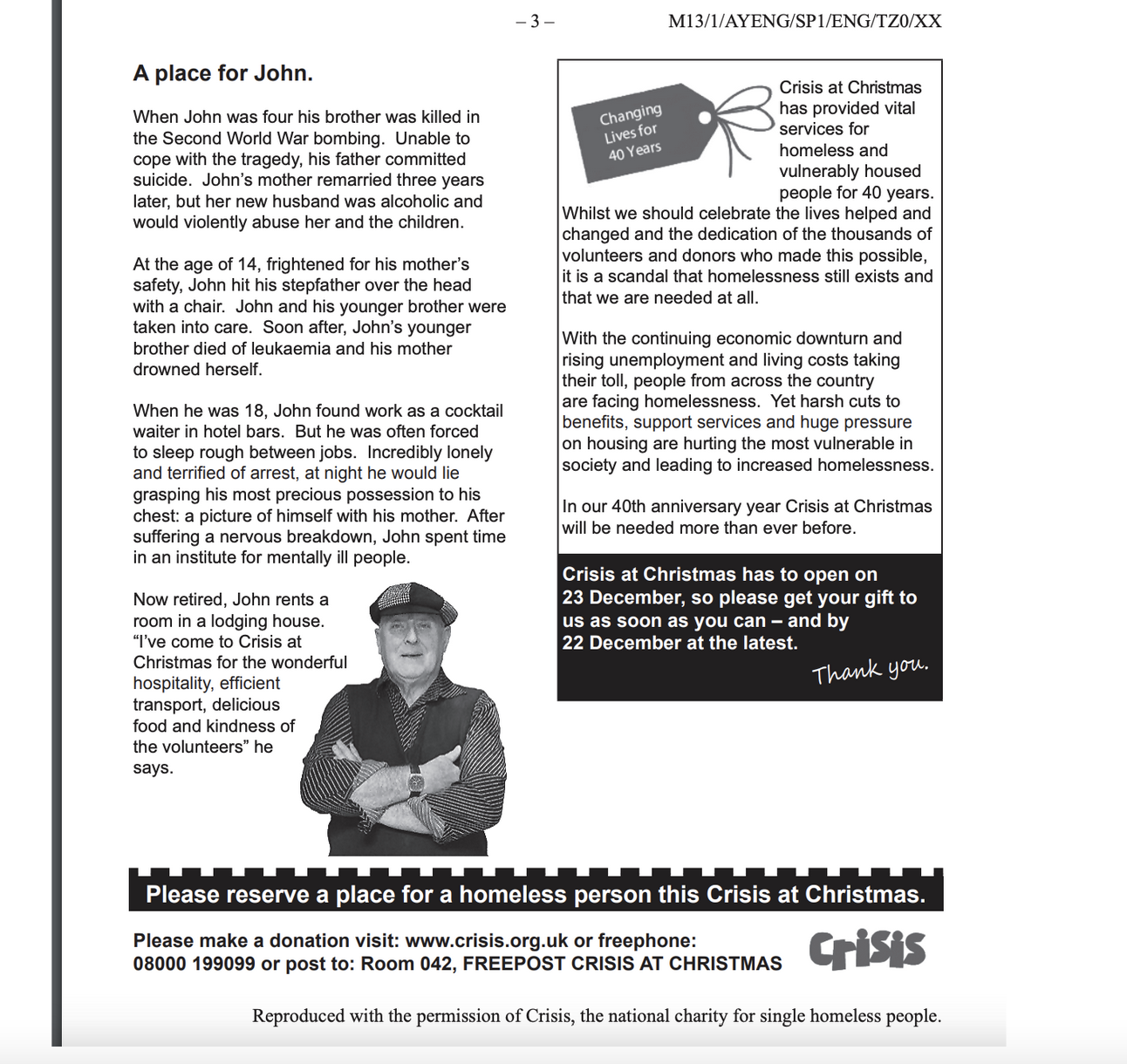
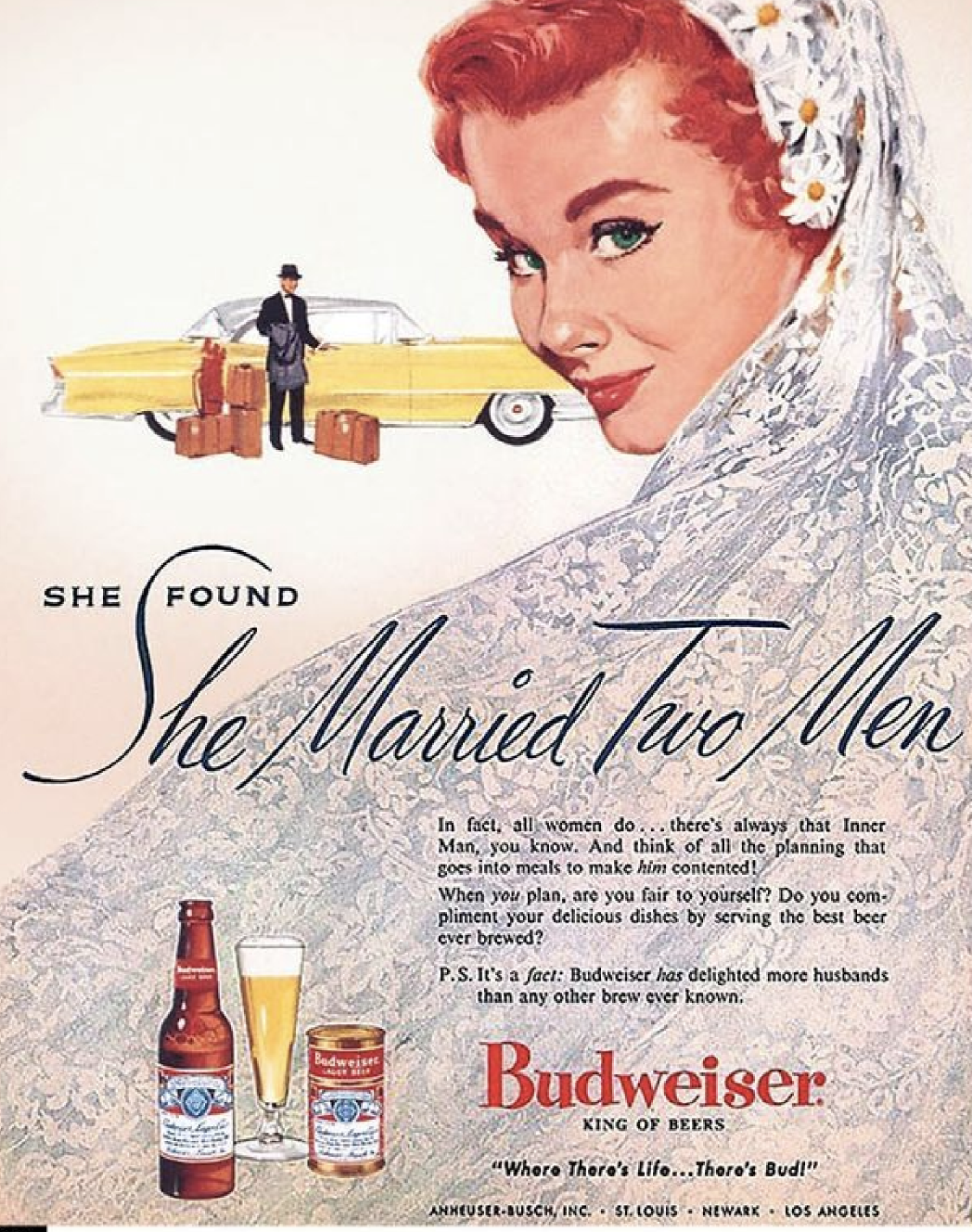
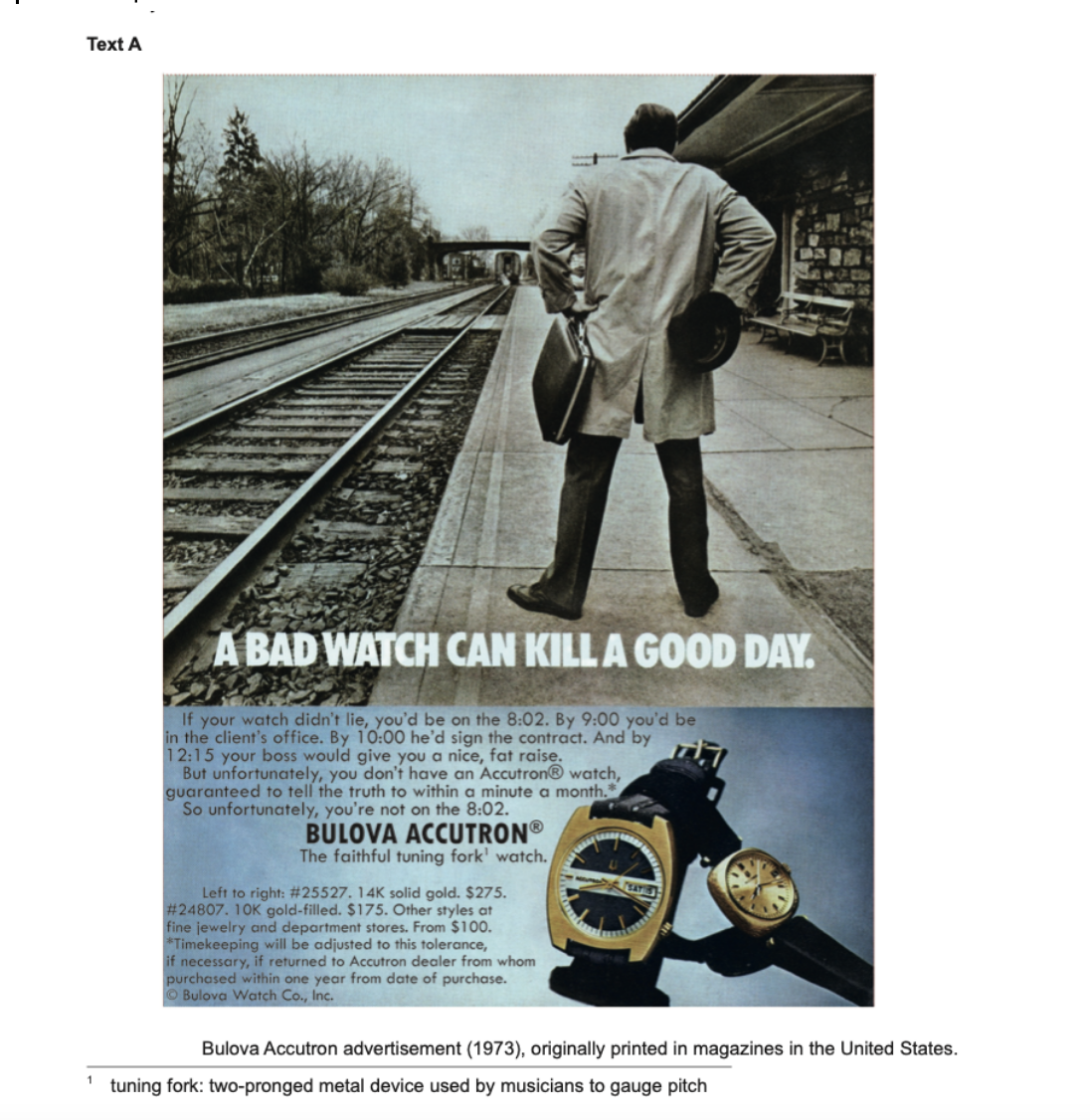
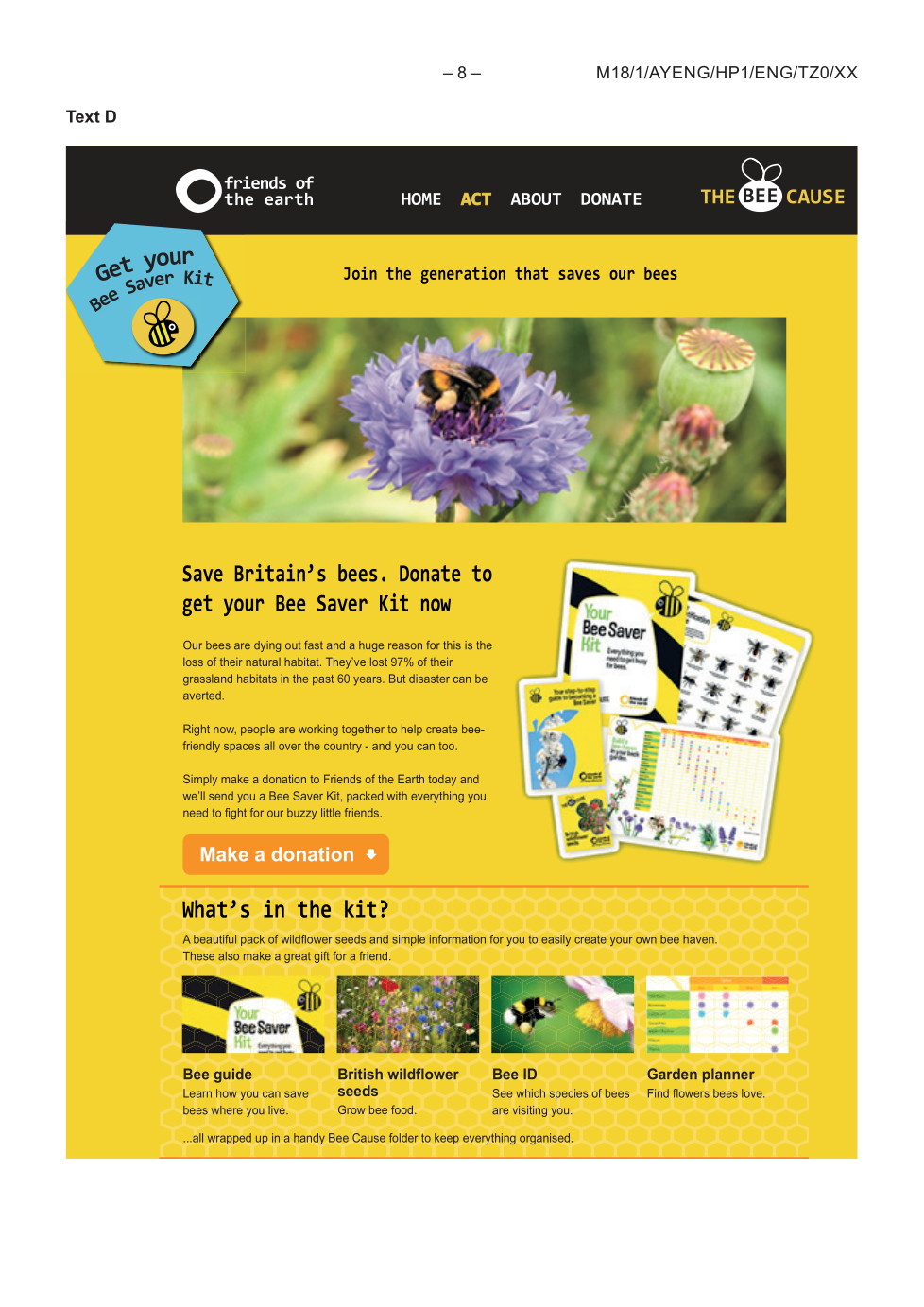
2. How are formal features such as layout, fonts and visuals used to create an effect in advertisement?
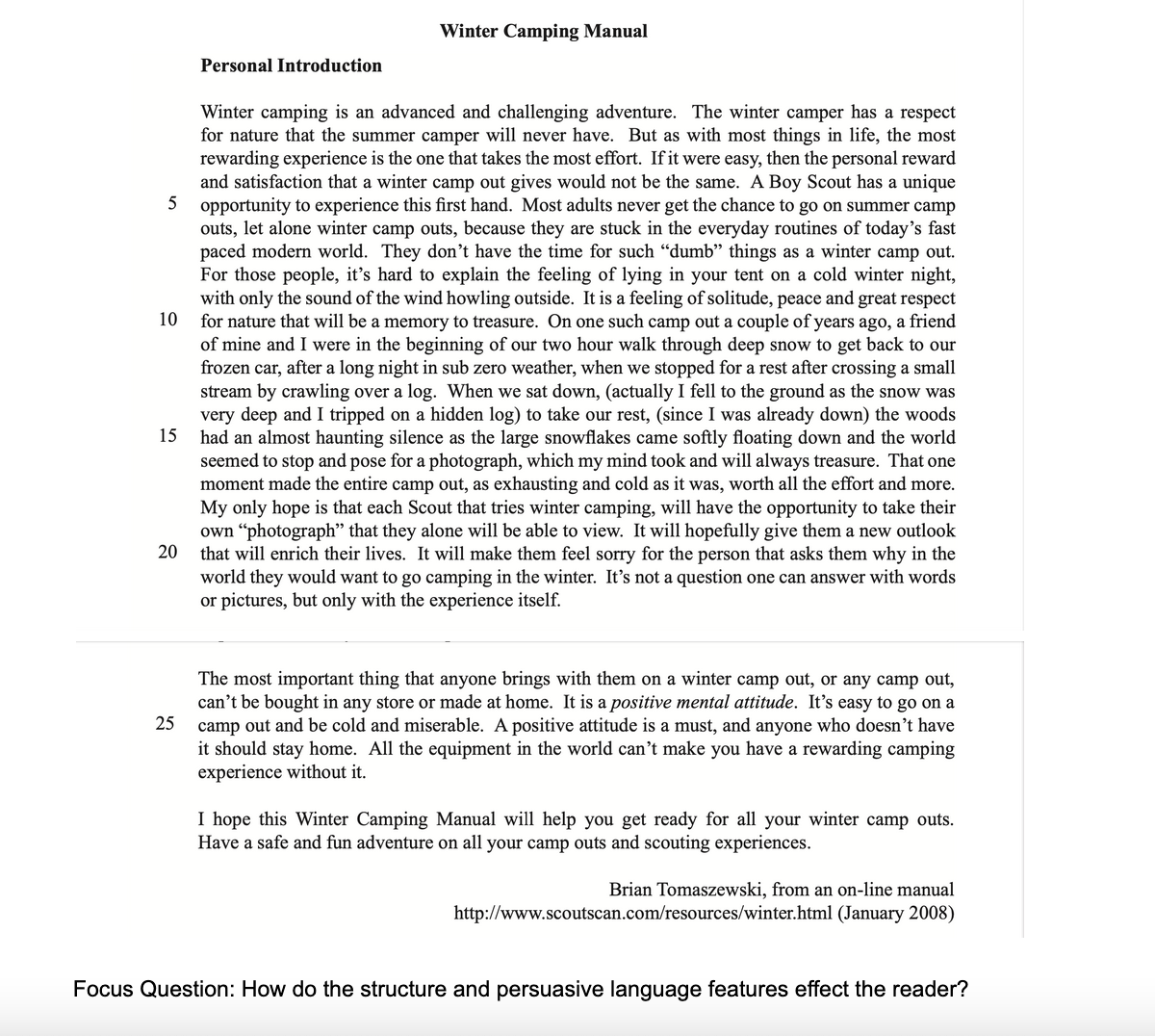
3. Discuss how the author uses language to create an entertaining mood.
4. How does the author use humor and facts to entertain and intrigue the reader?
5.
6. In what ways does the use of language in this article help to interest and entertain the reader?
1
Question 1
1.

Challenge:
Create your own guiding question
1
Question 2
2.

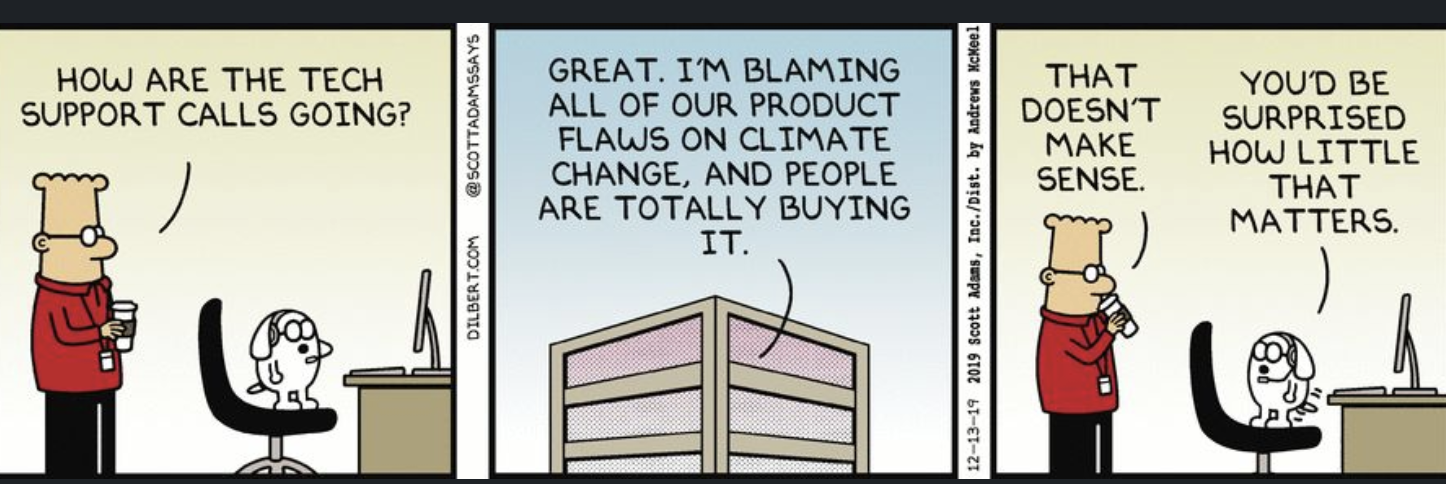
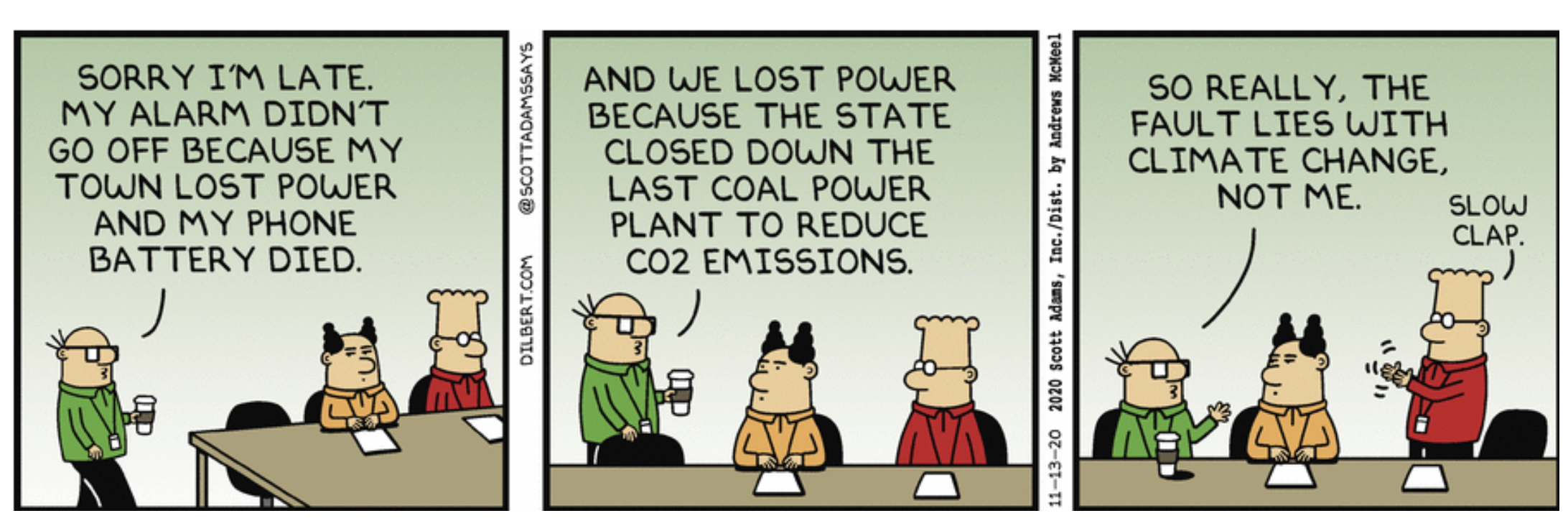
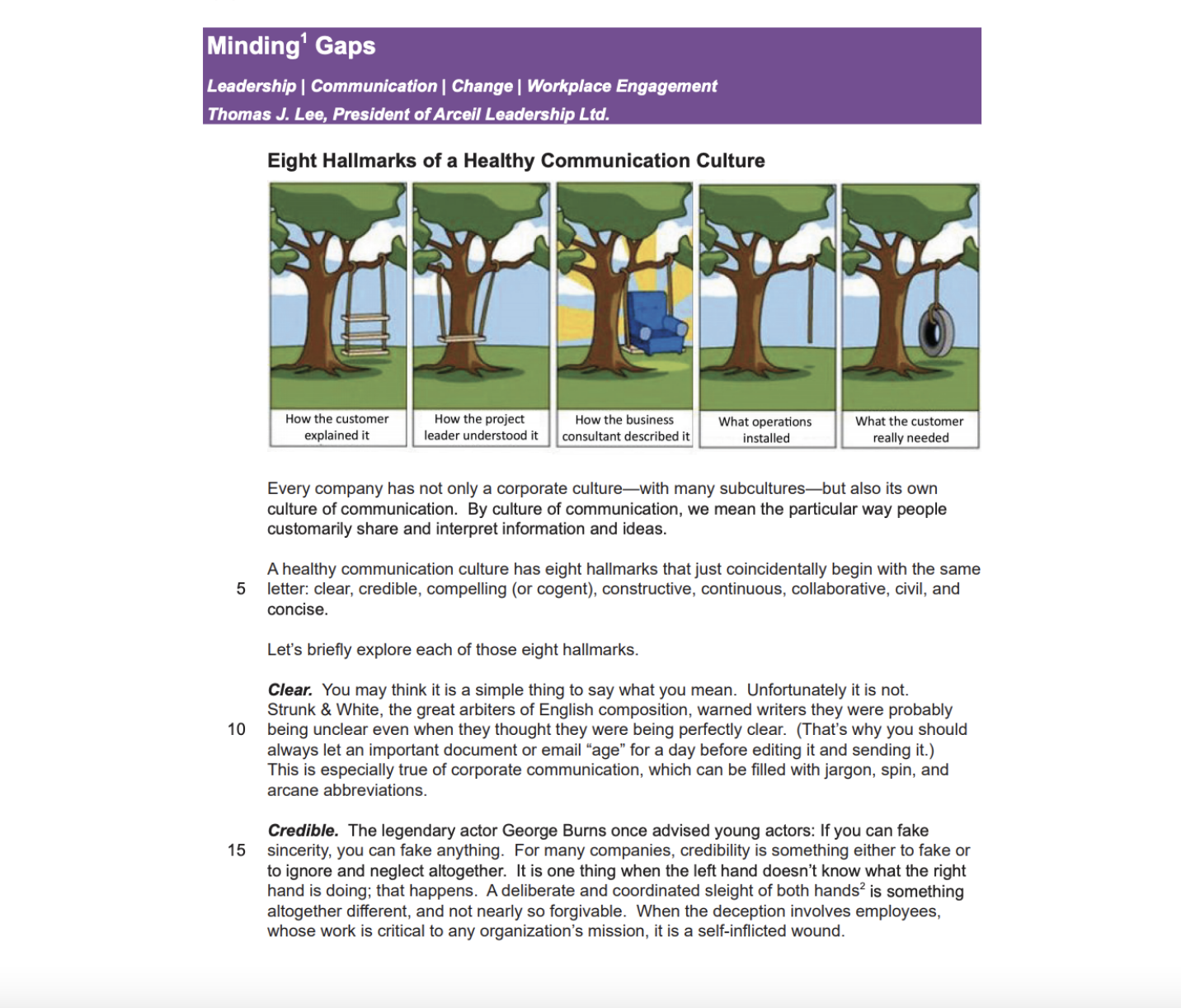
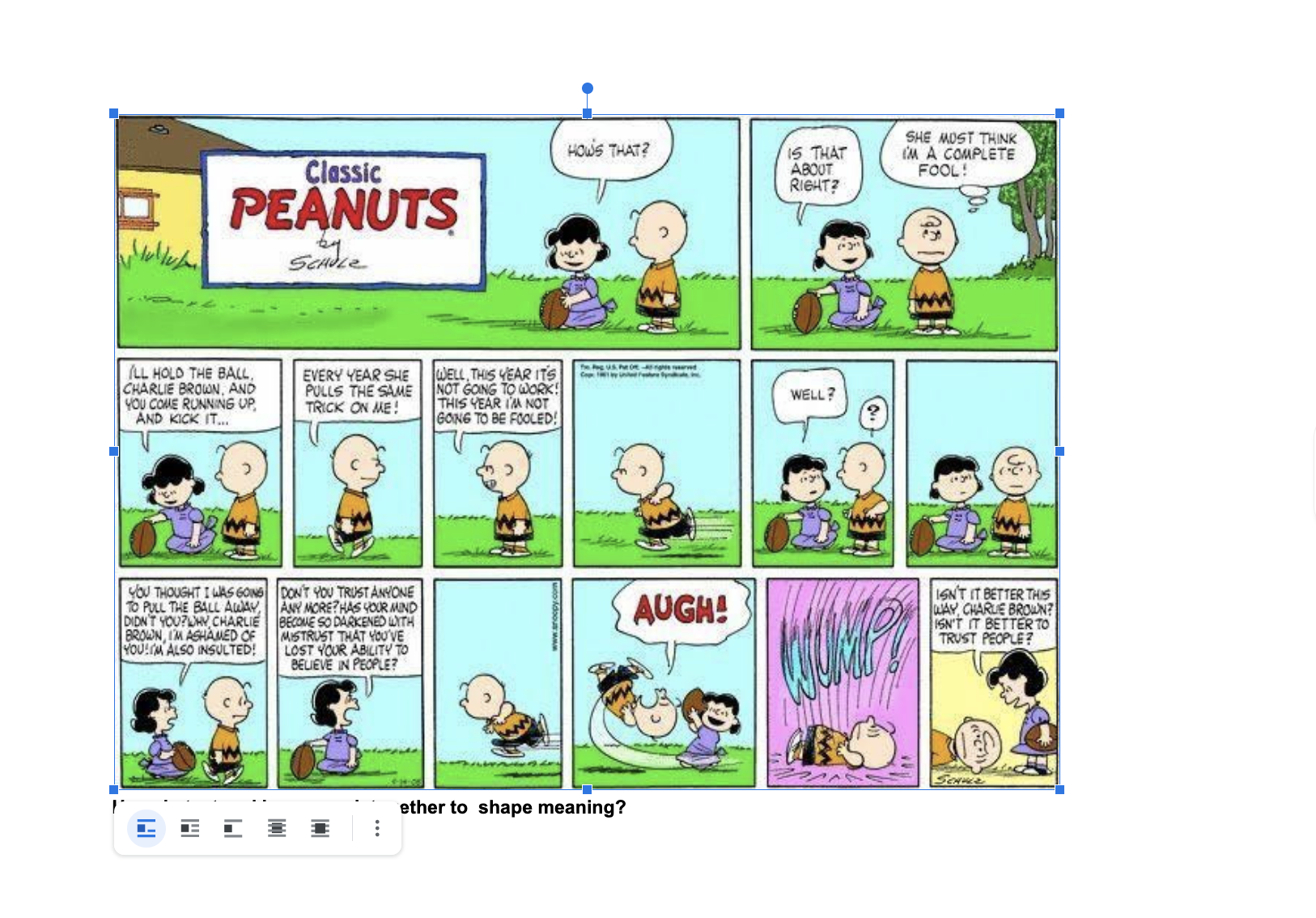
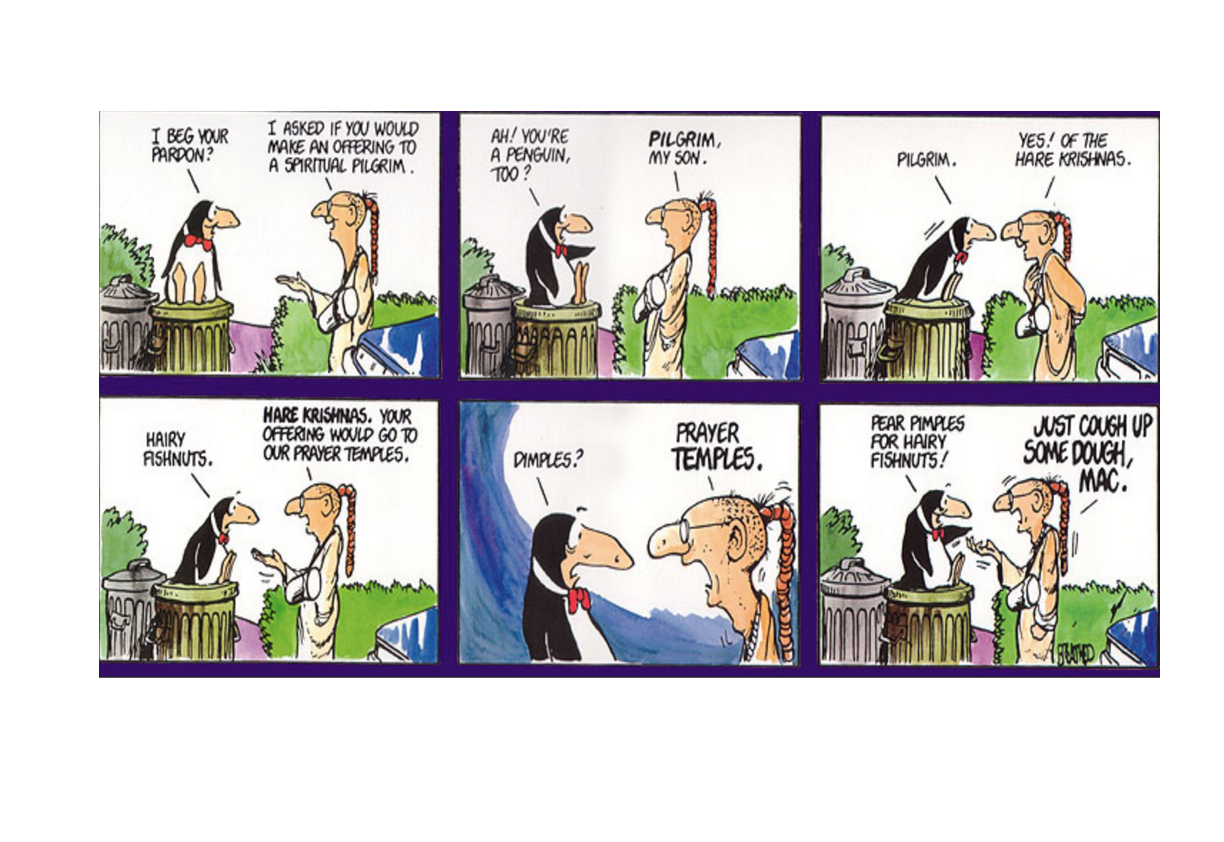
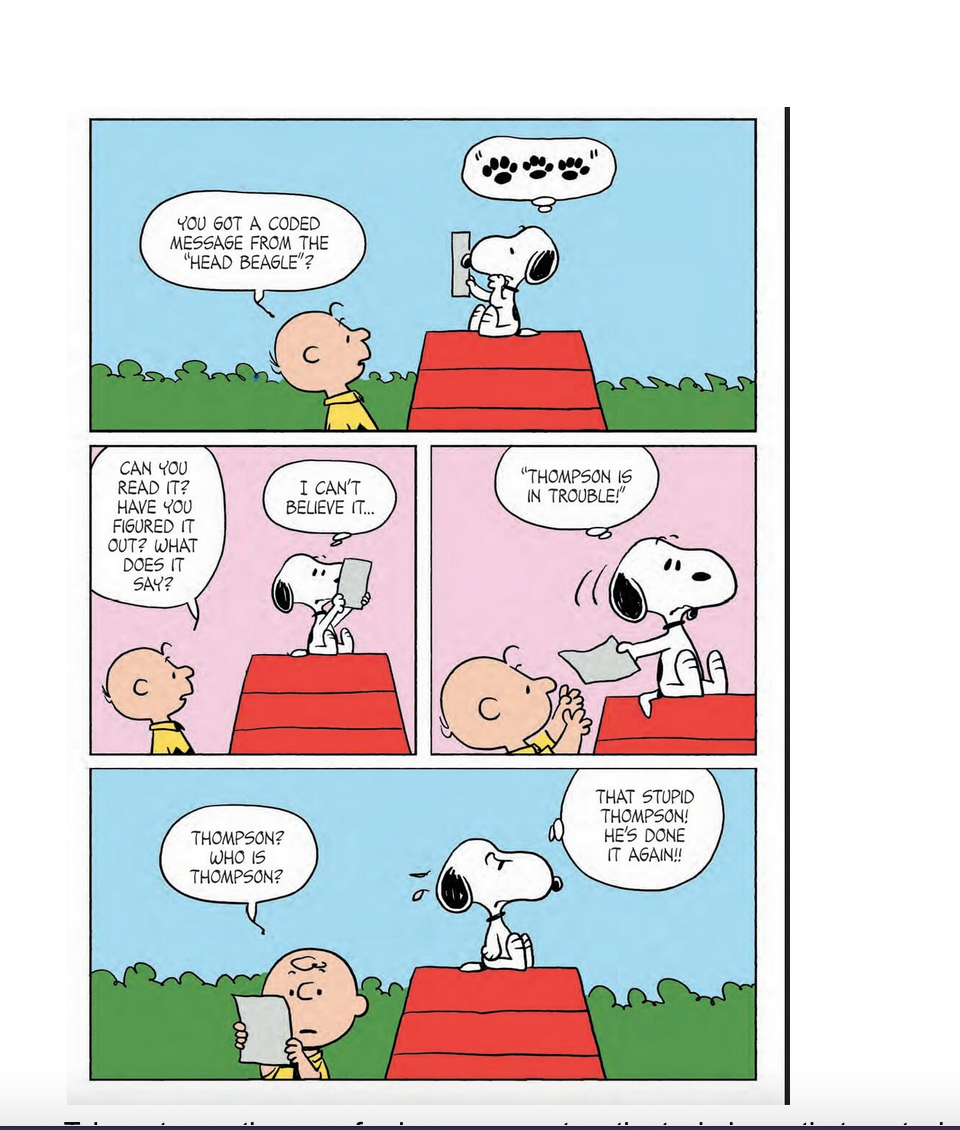
Identify three cartoon techniques:

1
Question 3
3.

Give an initial answer to the guiding question:
How does visual and written text create/shape meaning?

1
1
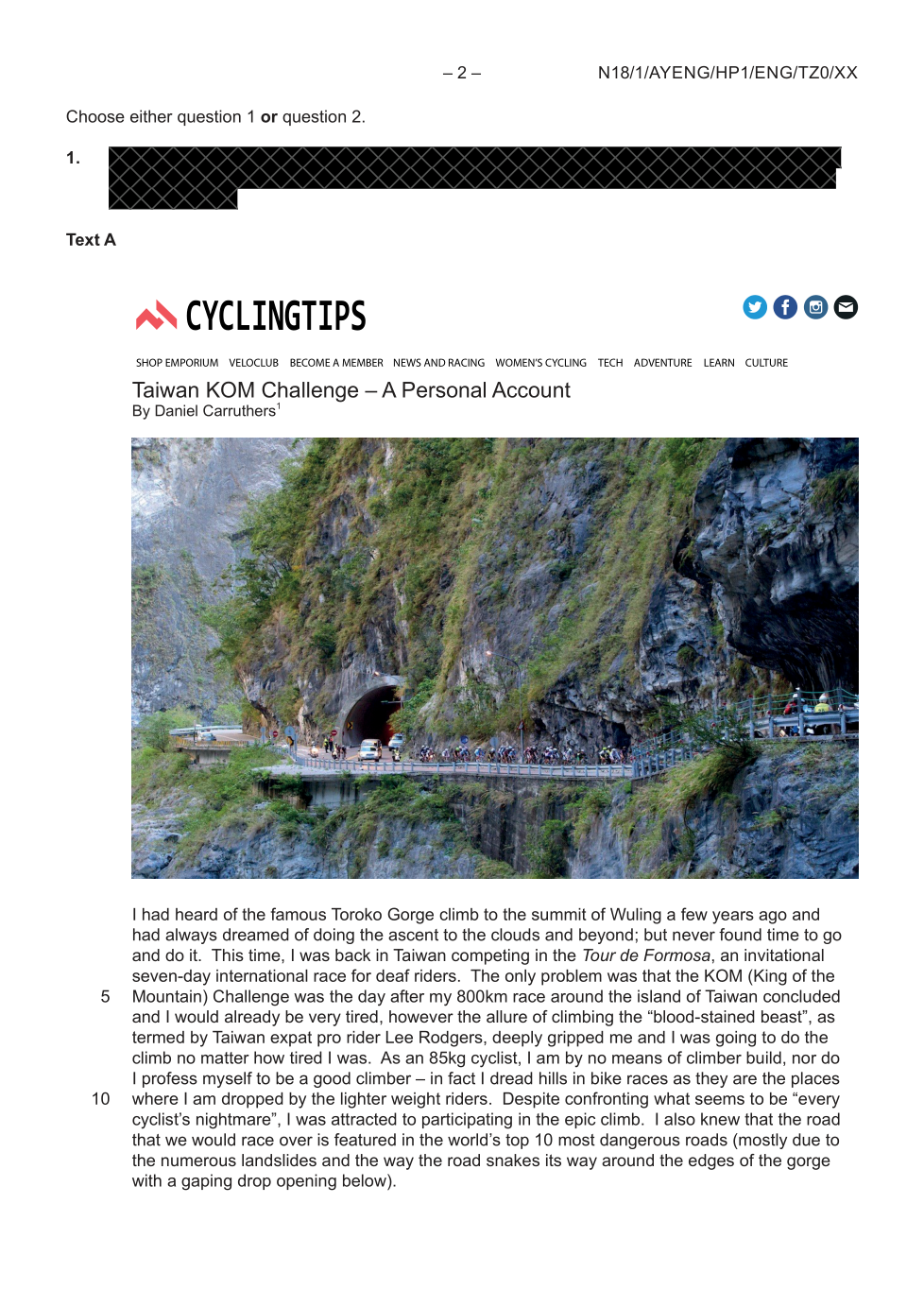
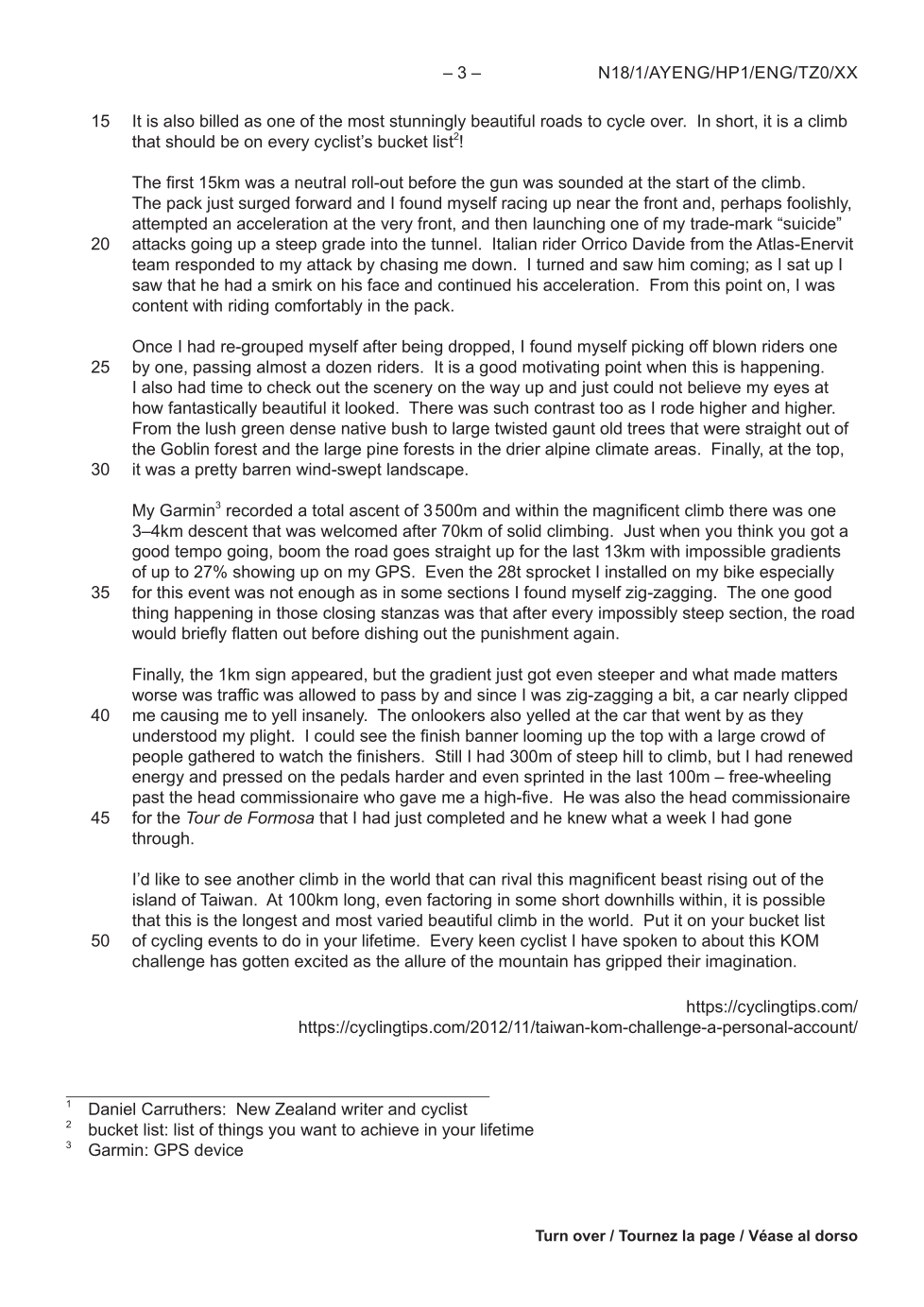
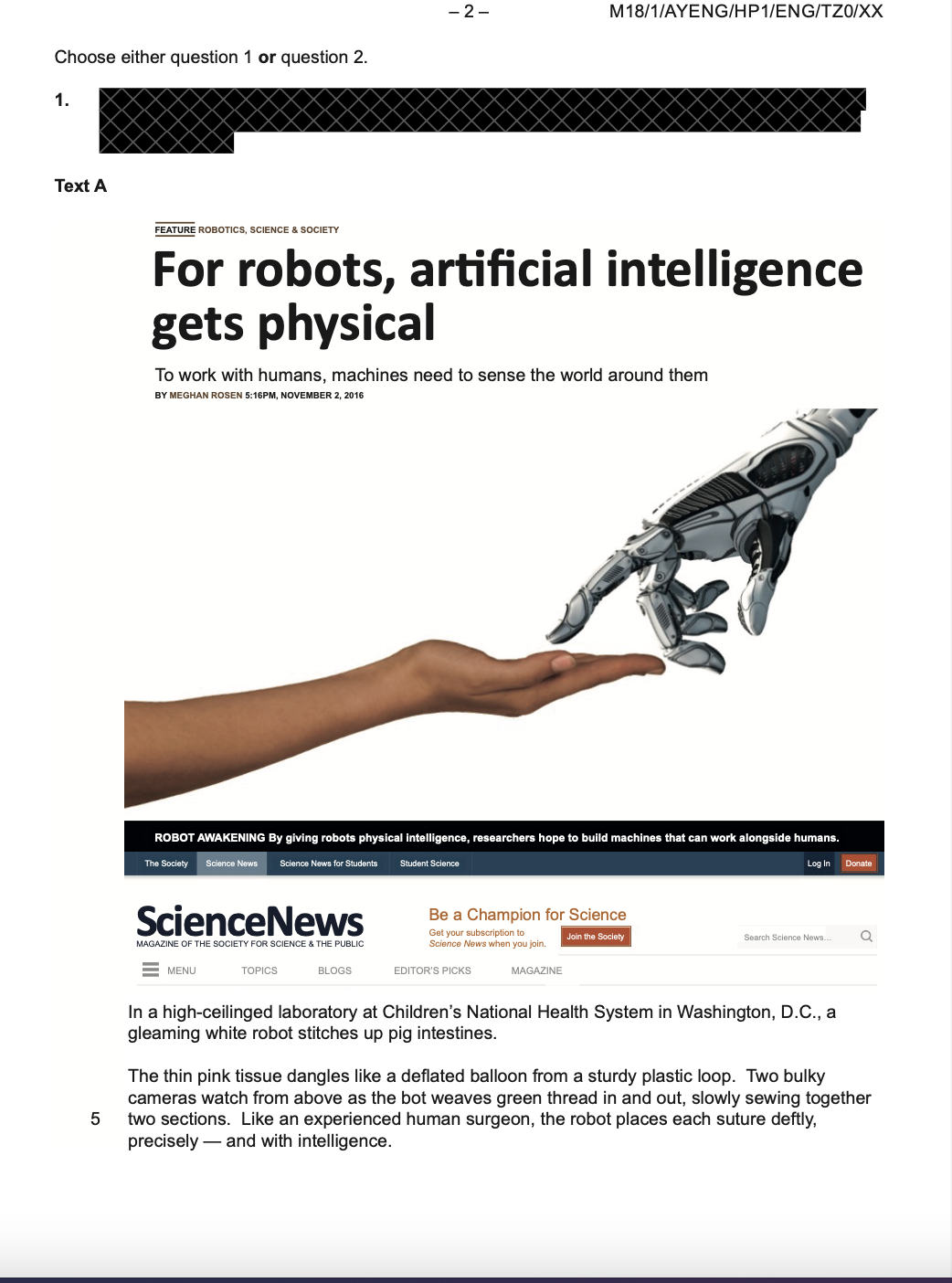
1
1
1
Question 8
8.

Give an initial answer to the guiding question:
How does visual and written text create/shape meaning?

1
Question 9
9.

Identify the effect on reader and link ONE piece of evidence to the effect.

1
Question 10
10.

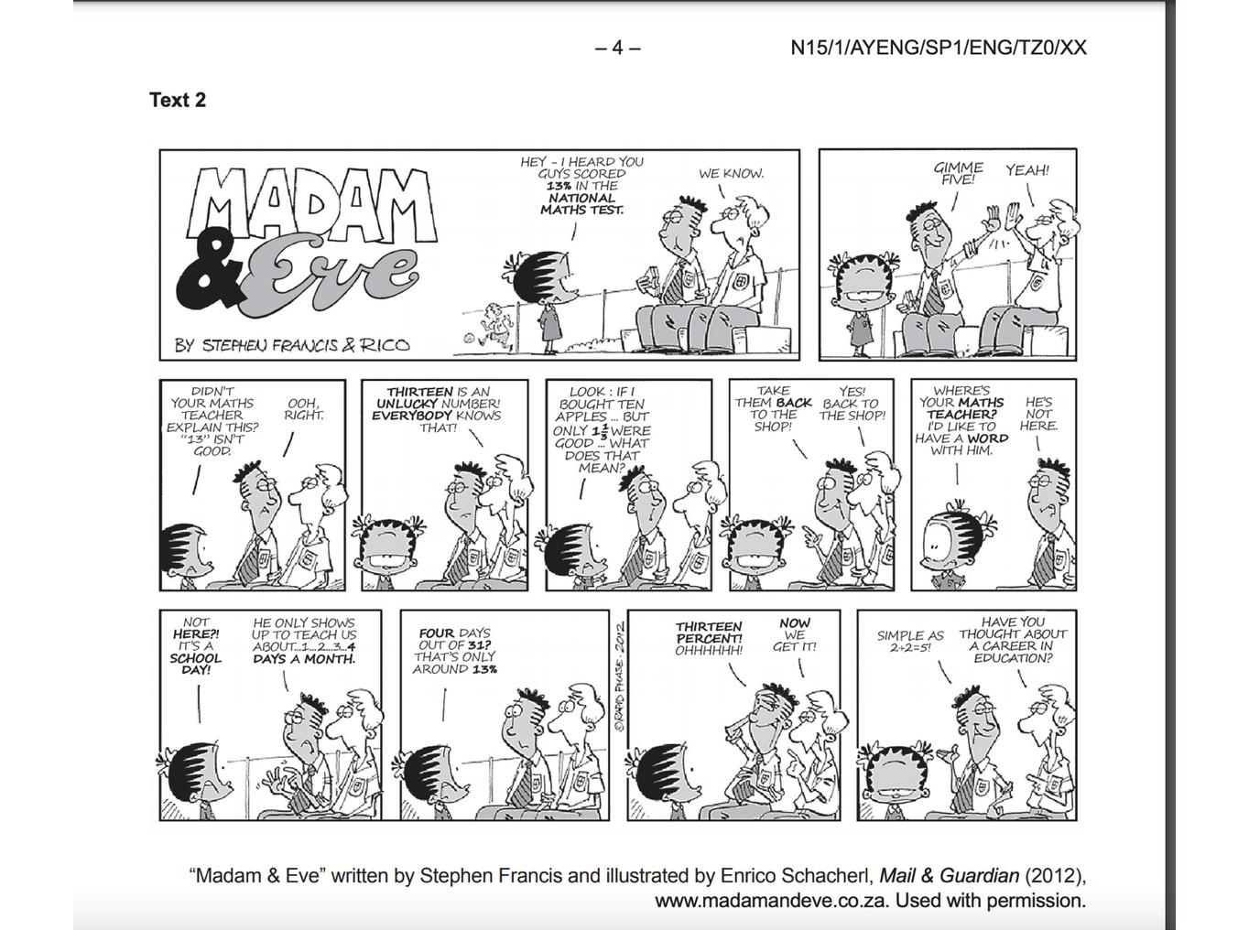
List two pieces of evidence of how visual language shapes meaning:

1
1
Question 12
12.

Identify:
  • The text type:
  • The audience
  • The purpose of the text

1
Question 13
13.

Give an intial response to the guiding question:
How are formal features such as layout, fonts and visuals used to create an effect

1
Question 14
14.

Evaluate the language used in shaping meaning. Use adverbs.

1
1
Question 16
16.

Identify how 3-5 visual techniques/cartoon techniques are used and why:

1
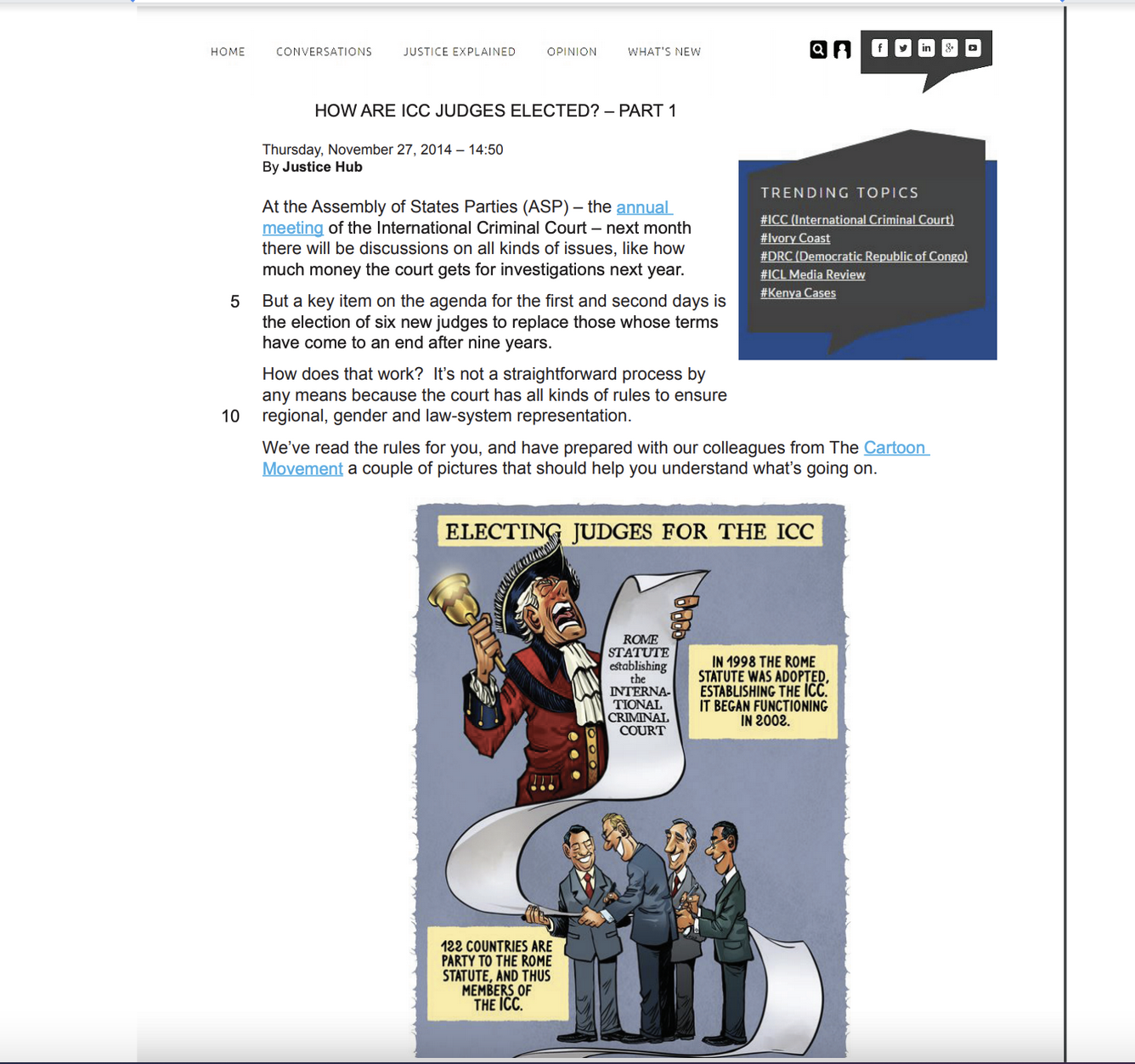
Question 17
17.

Identify the purpose/meaning of the text:

1
Question 18
18.

Give an initial response to the guding question:
How does visual and written text create/shape meaning?

1
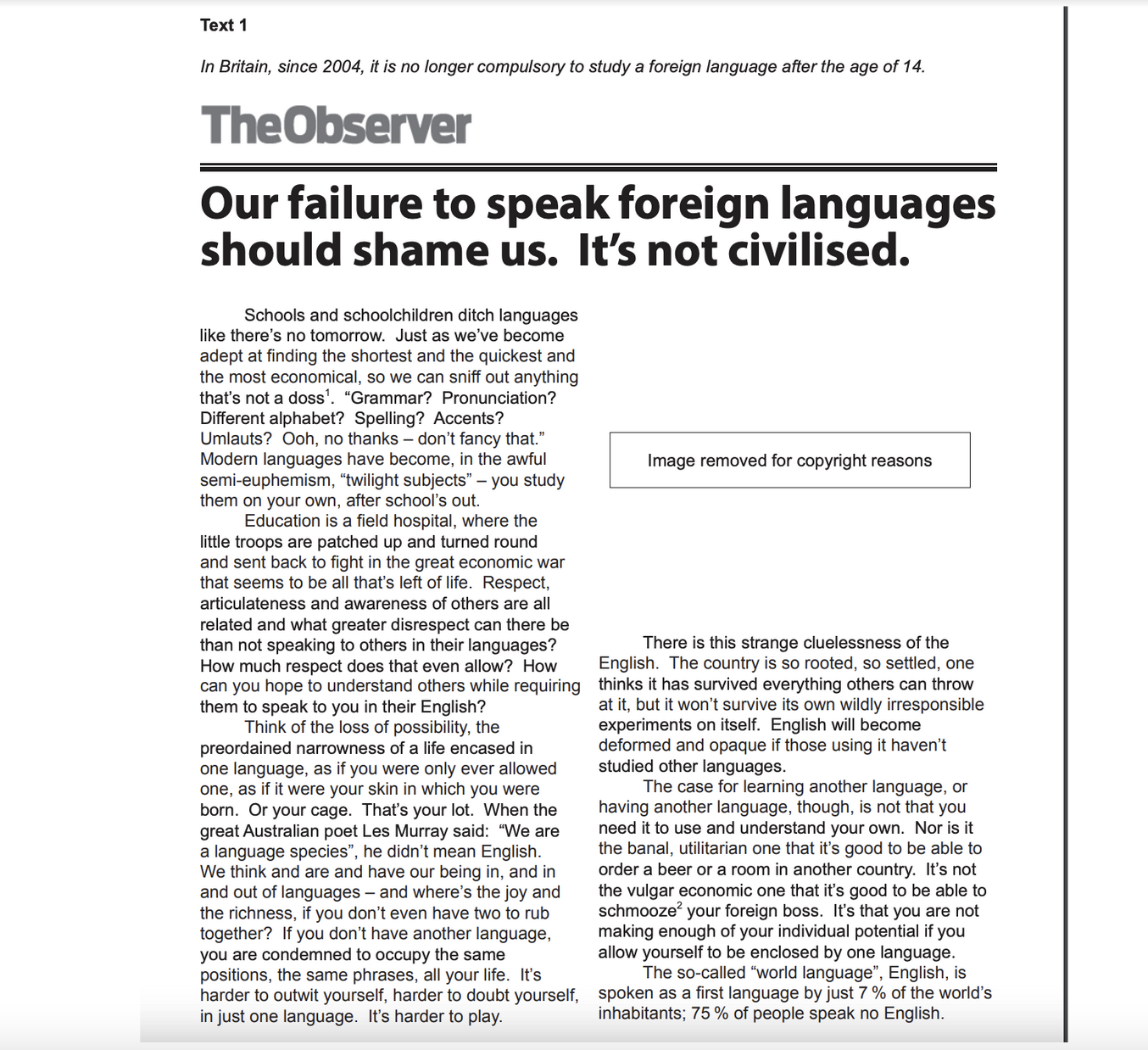
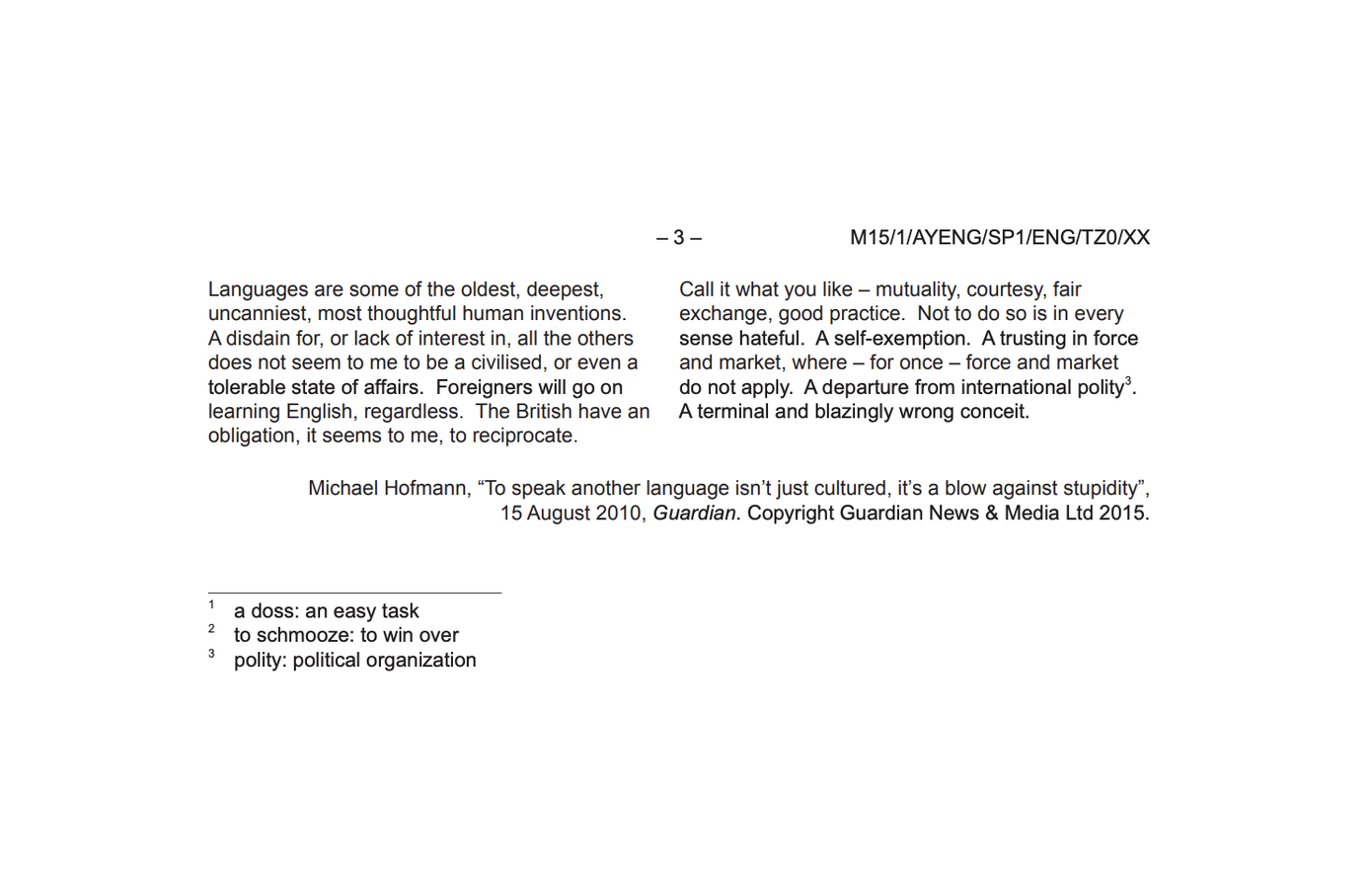
1
Question 20
20.

Give an intial response to the guiding question:
How are formal features such as layout, fonts and visuals used to create an effect

1
Question 21
21.

Identify:
  • The text type:
  • The audience
  • The purpose of the text
Justify your answers with examples from the text

1
Question 22
22.

What is the purpose of the text and how do you know?

1
Question 23
23.

Evaluate how well the text and visual fit the purpose, justify your answer.

1
Question 24
24.

Identify:
  • The text type:
  • The audience
  • The purpose of the text
Justify your answers with examples from the text

1
Question 25
25.

Give an initial response to the guiding question:
In what ways does the use of language in this article help to interest and persuade the reader?

1
Question 26
26.

Identify and explain how 3-5 language features aid in the purpose of the text:

1
Question 27
27.

How convincing is the author? Justify your answer with evidence.

1
Question 28
28.

Identify:
  • The text type:
  • The audience
  • The purpose of the text
Justify your answers with examples from the text

1
Question 29
29.

Mindmap evidence in your notebook.

1
1
Question 31
31.

How well does the image support/work with the the written text?
Justify your response.

1
Question 32
32.

Identify:
  • The text type:
  • The audience
  • The purpose of the text
Justify your answers with examples from the text

1
Question 33
33.

Evaluate the effectiveness of:
  • the layout
  • the colors
  • the images
  • the symbols
Remember to include evidence

1
1
Question 35
35.

How well does the images and layout support/work with the the written text?
Justify your response.

1
Question 36
36.

Write a summary (3-5 sentences) of the content

1
Question 37
37.

Comment on the use of first person narrative and link it to the effect on the reader.

1
Question 38
38.

Find 3-5 pieces of evidence linked to the guiding question:
Discuss how the author uses language to create an entertaining mood.

1
Question 39
39.

Select one piece of your evidence and evaluate its effectiveness linked to the purpose of the text (entertain/iinform)

1
Question 40
40.

Identify:
  • The text type:
  • The audience
  • The purpose of the text
Justify your answers with examples from the text

1
Question 41
41.

Evaluate the effectiveness of:
  • the layout
  • the colors
  • the images
  • the symbols
Remember to include evidence

1
1
Question 43
43.

Comment on the effectieness of the use of different font and size font:

1
Question 44
44.

What is the text type and how do you know?

1
Question 45
45.

What is the purpose and how do you know?

1
Question 46
46.

Comment on the use:
layout features such as subheading and link it to the purpose of the text.

1
Question 47
47.

Provide an initial response to this guiding question:
How are formal features such as layout, fonts and visuals used to create an effect in advertisement?
Aim to write 3 sentences.
Remember to identify effect:

1
Question 48
48.

Mindmap evidence to the guiding question.
Aim to have to 2-3 pieces of evidence for each part of the question.
Remember to include langauge that is linked to advertising such as symbols, angles, colors, brandname, logos.

1
1
Question 50
50.

Summarize the content in 3-5 sentences.
Include meaning of the text

1
Question 51
51.

What purpose and effect does the use of:
gutter
emanata
facial expressions
Remember to include the meaning/purpose of the text in your answer.

1
Question 52
52.
1
Question 53
53.

Provide an initial response to this guiding question:
How are formal features such as layout, fonts and visuals used to create an effect in advertisement?
Aim to write 3 sentences.
Remember to identify effect:

1
Question 54
54.

MIndmap your evidence/thoughts.
Remember to include advertising techniques.

1
Question 55
55.

Evaluate effect of symbols and colors linked to the purpose of the text:

1
Question 56
56.

What is the text type and the purpose?

1
Question 57
57.

Who is the audience?
Justify your response:

1
Question 58
58.

Select 2-3 language techniques.

1
1
Question 60
60.

Plan a response to:
How does visual and written text create/shape meaning?
First:
summarize the text:

1
Question 61
61.

Mindmap evidence/ideas linked to the guiding question.

1
Question 62
62.

Select some of the evidence, write a paragraph including effect and evaluation. Remember the guiding question.

1
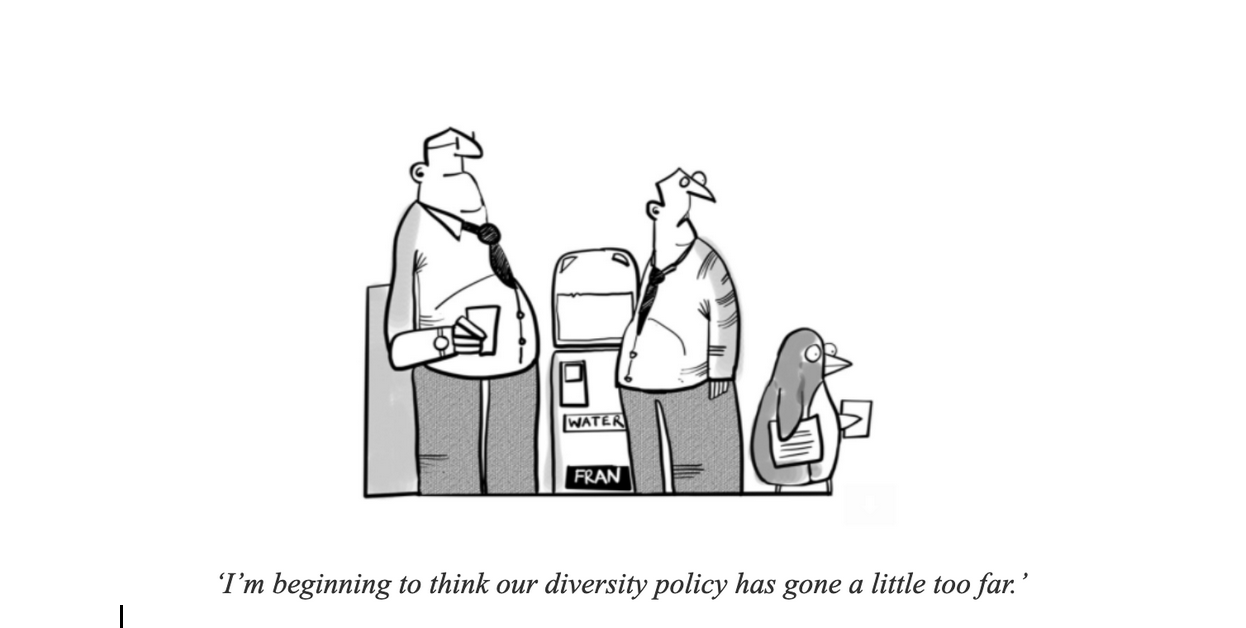
Question 63
63.

What is the meaning/purpose of the comic?

1
Question 64
64.

How is language used to create this meaning?
Find 1-3 pieces of evidence

1
Question 65
65.

What is the meaning/purpose of the comic?

1
Question 66
66.

How is language used to create this meaning?
Find 1-3 pieces of evidence and use it in a paragraph.

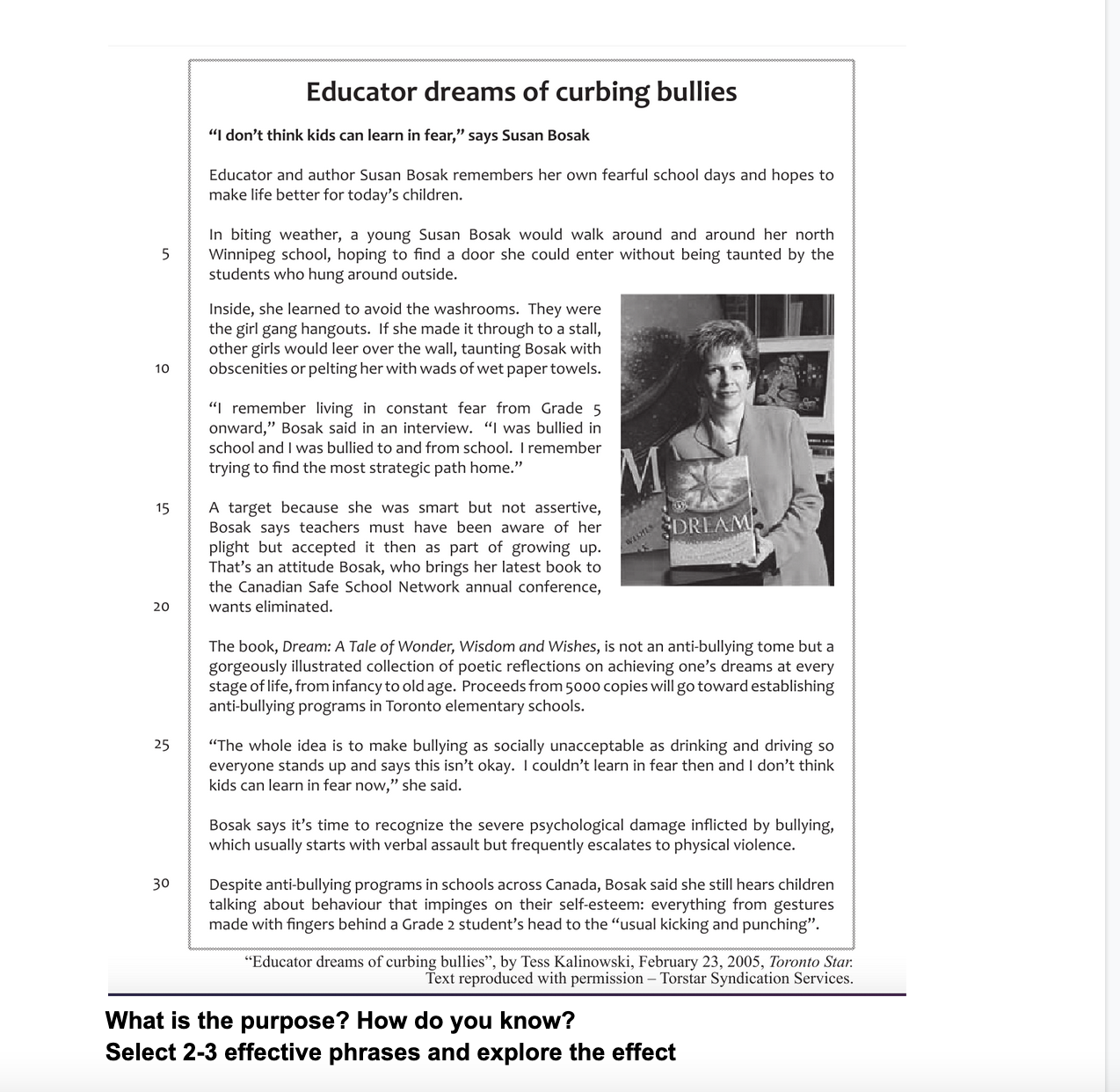
1
Question 67
67.

What is the purpose and how do you know?

1
Question 68
68.

Select evidence (2-3 pieces) and explore the effect on the reader linked to the purpose.

1
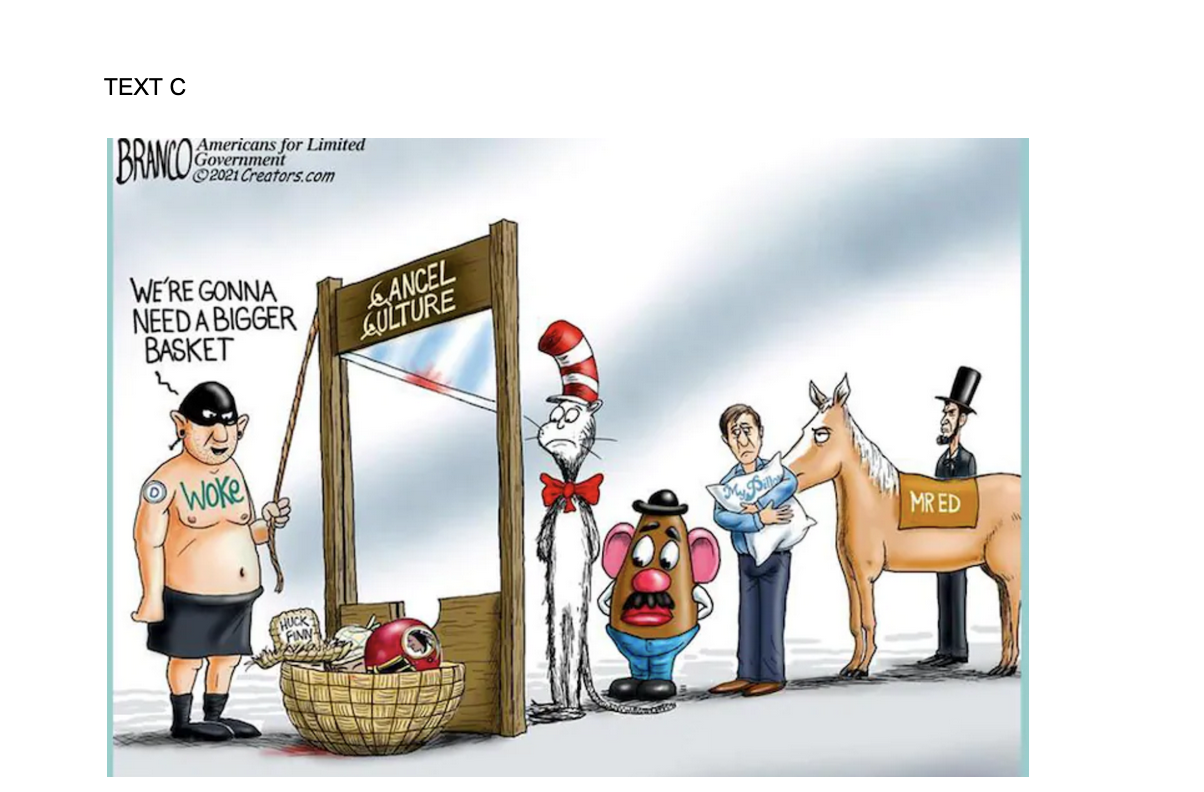
Question 69
69.

What is the message?
How do you know?

1
Question 70
70.

Identify 3-5 techniques that are typical for cartoon and comment on:
purpose
effect
link your response to the message.

1
Question 71
71.

Give a brief comment to how written and visual text work together to shape meaning:

1
Question 72
72.

Identify:
  • The text type:
  • The audience
  • The purpose of the text
Justify your answers with examples from the text

1
Question 73
73.

Select evidence that clearly shows the purpose of the text.

1
Question 74
74.

Comment on the use of first person narrator

1
Question 75
75.

Guiding question:
Discuss how different features in the webpage are used intrigue and inform the reader.
Skimread and give a short initial response of a few sentences.

1
Question 76
76.

Read again,
Select evidence that is linked to 'intrigue the reader'
Remember layout and other visual techniques.

1
Question 77
77.

Read again
select evidence that is linked to inform the reader.
Remember layout and other visual techniques.

1
Question 78
78.

Evaluate some of the techniques/diction you have mentioned as evidence.

1
Question 79
79.

Plan a detailed outline using bullet points.
Aim to use 3+ bullets for each part of the outline
  • Introduction
  • Body paragraphs
  • Conclusion

1
Question 80
80.

Guiding question:
Discuss how different features in the webpage are used intrigue and inform the reader.
Skimread and give a short initial response of a few sentences.

1
Question 81
81.

Mindmap evidence for all parts of the guiding question.

1
Question 82
82.

Plan a detailed outline using bullet points.
Aim to use 3+ bullets for each part of the outline
  • Introduction
  • Body paragraphs
  • Conclusion

1
Question 83
83.

Write the introduction and one body paragraph

1
Question 84
84.

Read the text:
Identify the text type
Purpose
Audience
Justify your responses

1
Question 85
85.

Create your own guiding question and plan a response
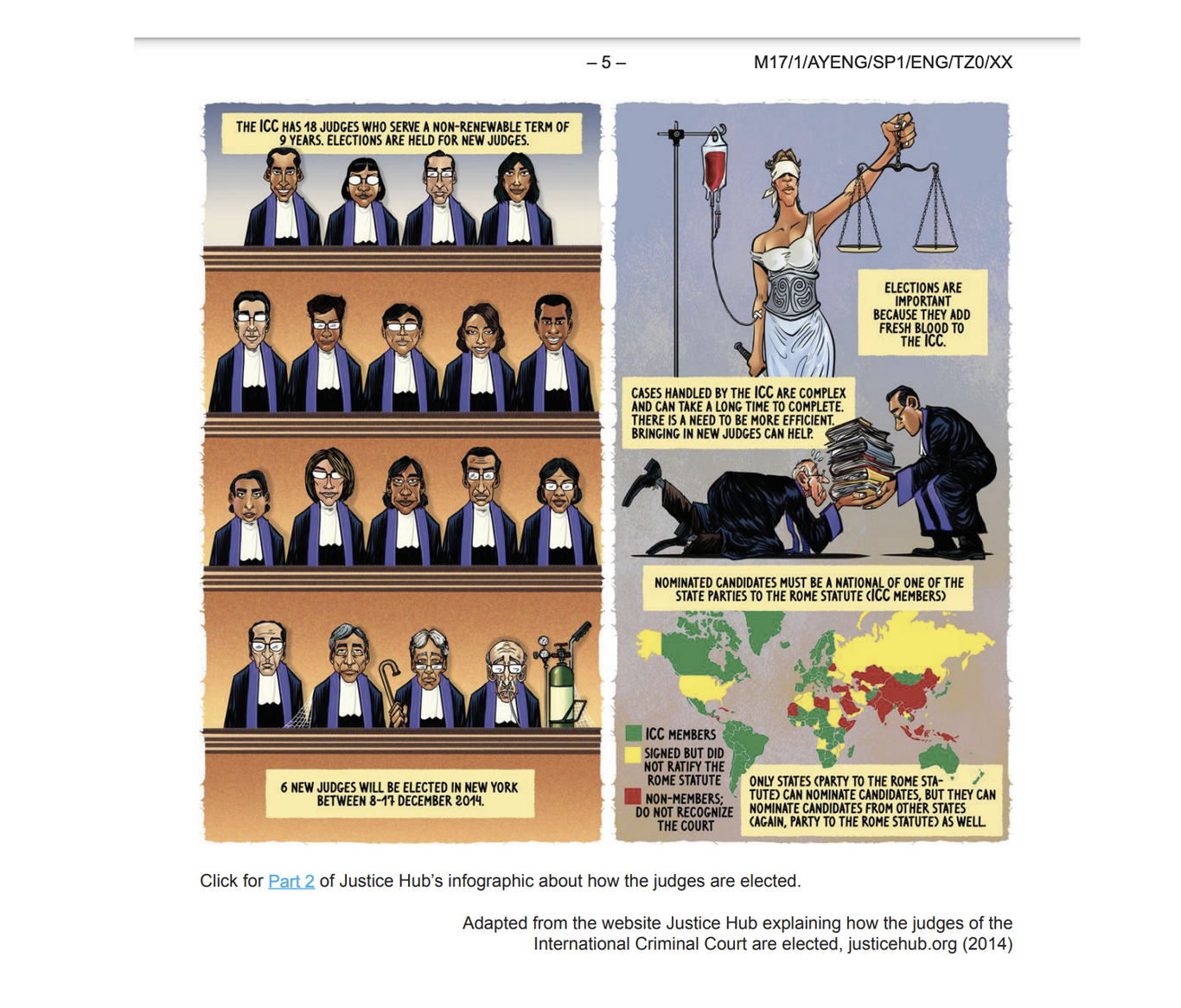
1
Question 86
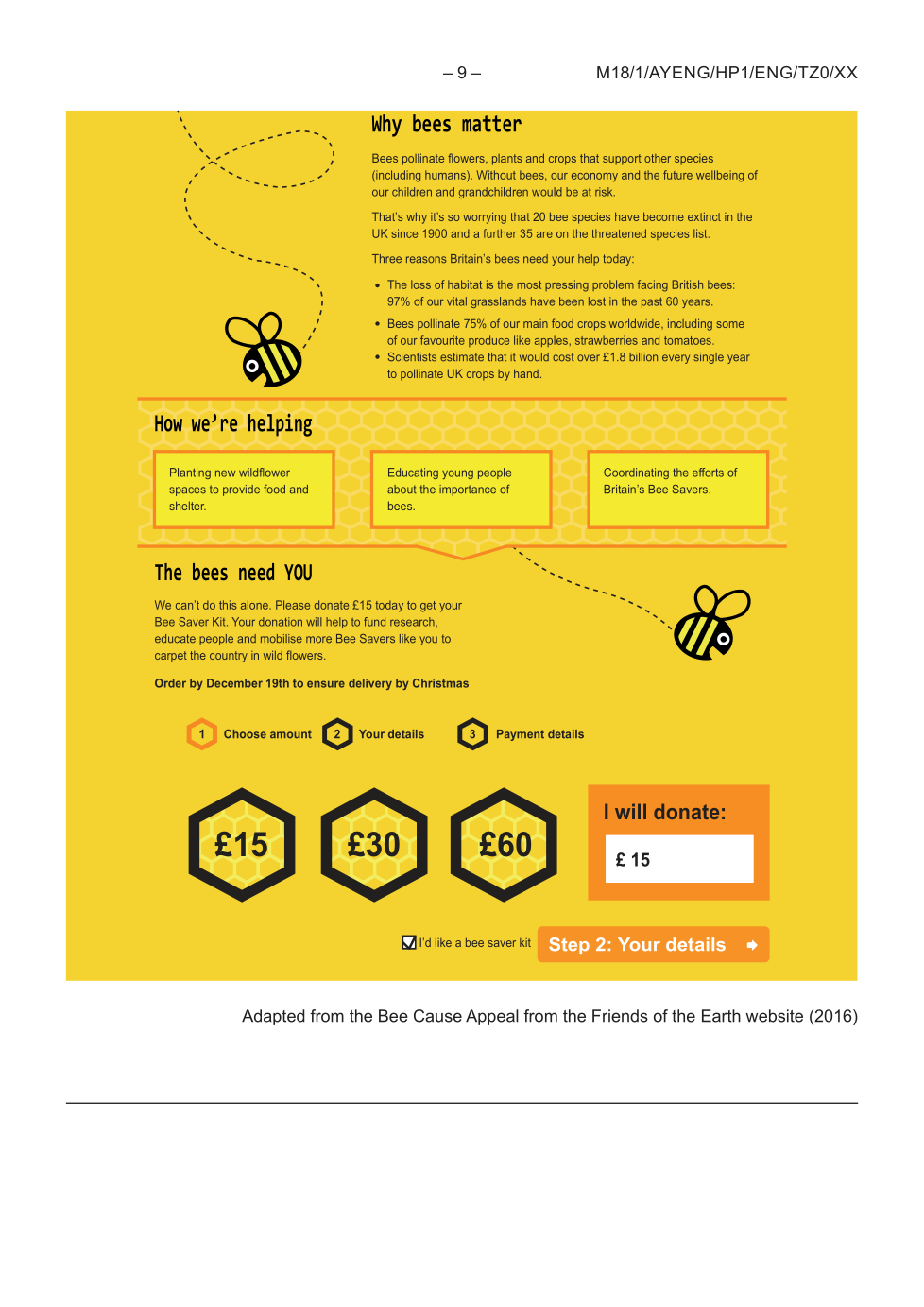
86.

Mindmap your evidence
Include effect

1
Question 87
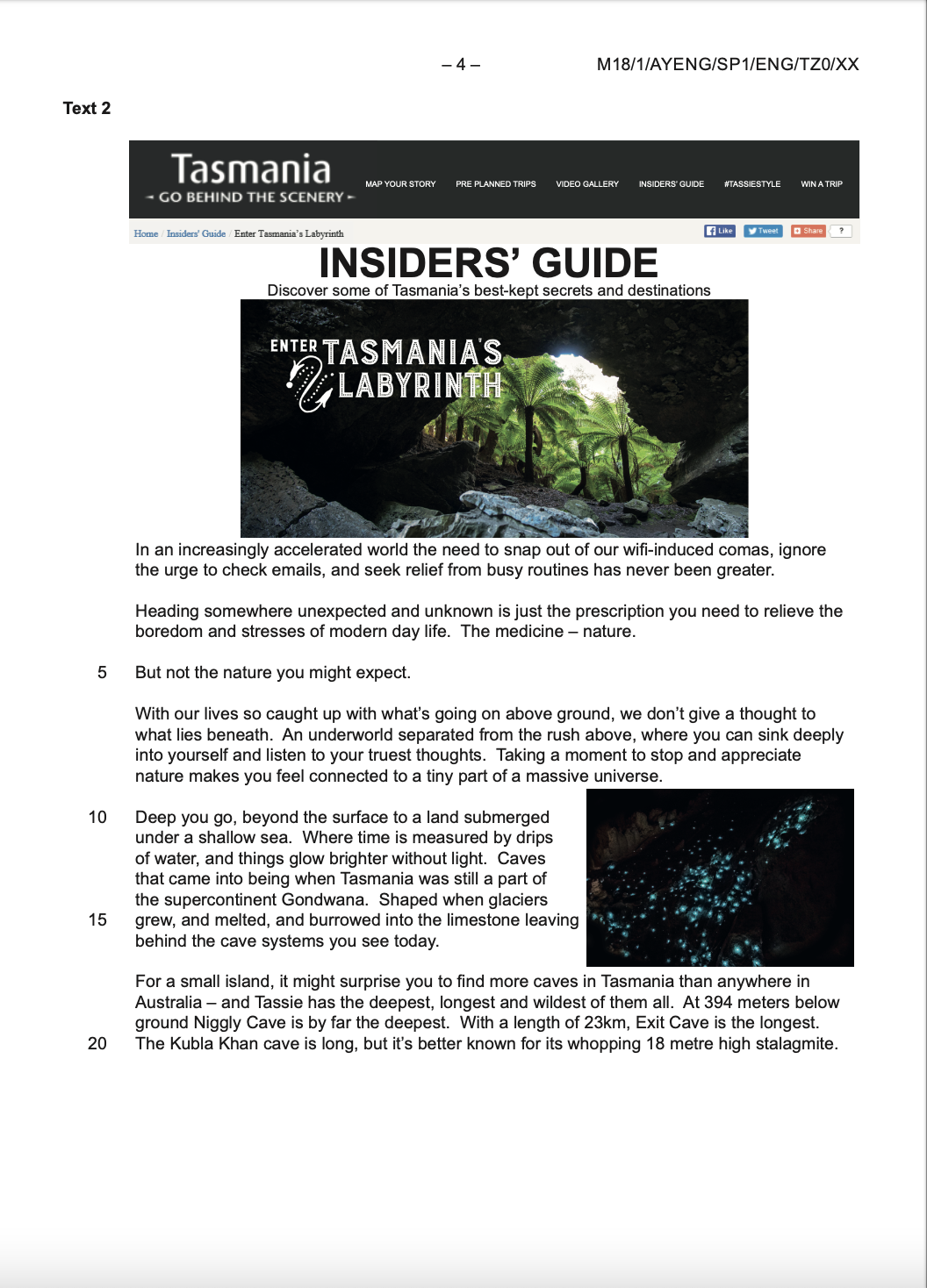
87.

Plan a detailed outline using bullet points.
Aim to use 3+ bullets for each part of the outline
  • Introduction
  • Body paragraphs
  • Conclusion

1
Question 88
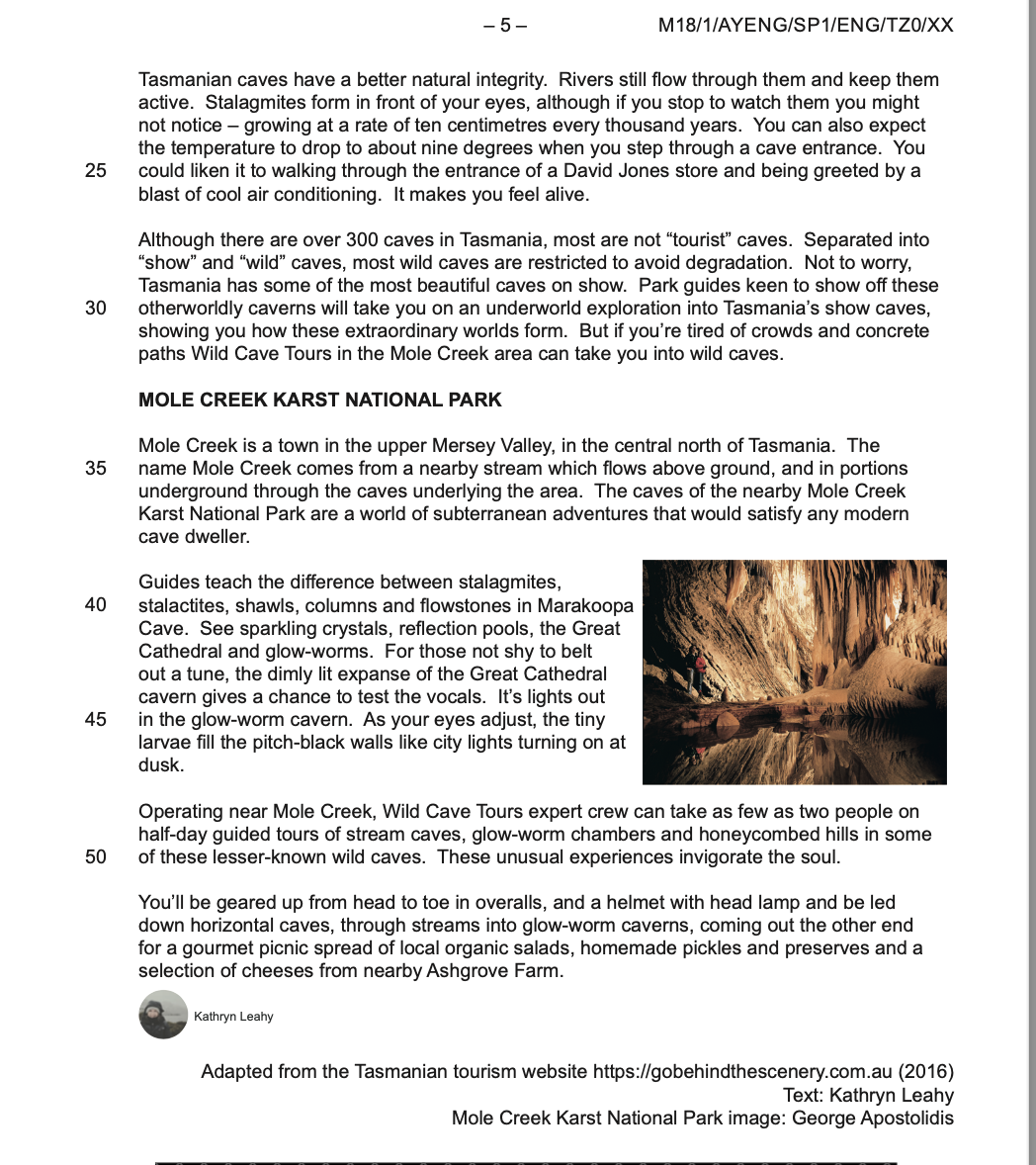
88.

Evaluate some of the evidence you have selected.

1
Question 89
89.

Write the introduction and one body paragraph or more

Question 4
4.

What is the meaning/purpose?

Question 5
5.

List two pieces of evidence of how written language shapes meaning:

Question 6
6.

List two pieces of evidence of how visual language shapes meaning:

Question 7
7.

Identify the effect on reader and link ONE piece of evidence to the effect.

Question 11
11.

List two pieces of evidence of how written language shapes meaning:

Question 15
15.

Comment on the use of:
  • colors:
  • layout:
  • symbols
  • subheadings

Question 19
19.

What is the effect on the reader on
  1. the use of language
  2. the use of visual text
USE ONE EXAMPLE OF EACH:

Question 30
30.

Evaluate the effectiveness of:
  • the layout
  • the colors
  • the images
  • the symbols
Remember to include evidence

Question 34
34.

Create your own guiding question:

Question 42
42.

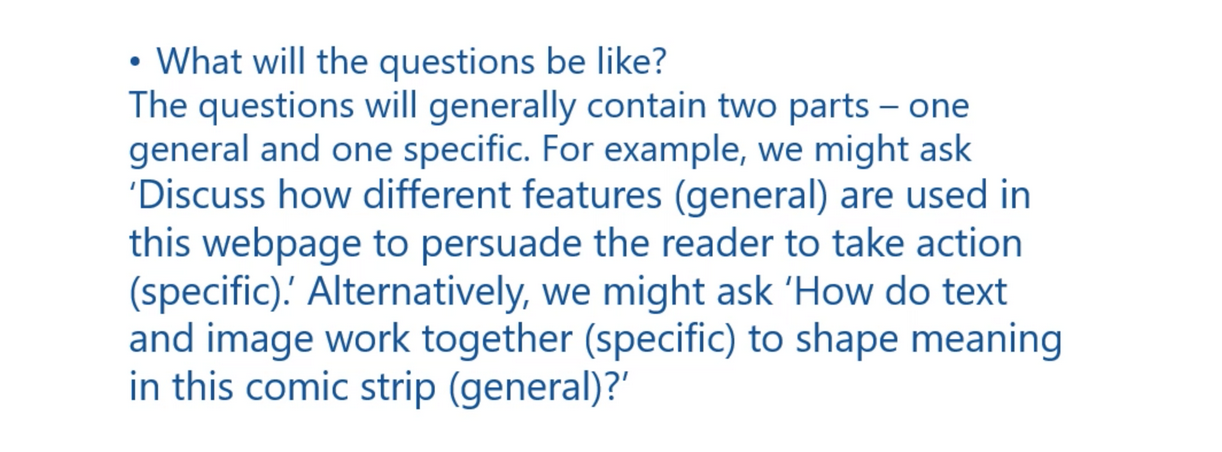
How well does the combination of layout, visual features and text prompt the reader to take action?
Select 1-2 pieces of evidence of each part:
  • layout
  • visual features
  • text

Question 49
49.

Create a detailed outline using bullet points.
Aim to have 3+ bullet points per part:
  • Introduction
  • Body paragraph (2-3)
  • Conclusion

Question 59
59.

Evaluate one of the techniques and/or diction used linked this to the purpose.