Earth Science - Final

Last updated 2 months ago
32 questions
4

A coastal town is experiencing significant shoreline erosion due to strong ocean waves. To protect both the beach and a nearby road that runs along the coast, engineers decided to build a solid structure that runs parallel to the shoreline. This structure is designed to absorb and reflect wave energy to prevent further erosion. What is this type of structure called?_______________.

4

A mountain town relies on a nearby river for water and electricity. To control the river’s flow, store water, and generate hydroelectric power, engineers construct a large barrier across the river. This structure can be opened or closed to manage water levels and prevent flooding downstream. What is this structure called?

4

Stone Mountain in Georgia is made of granite and was once buried deep underground. After being exposed by uplift and erosion, the surface of the mountain continues to change over time. Today, what natural process is most responsible for slowly breaking down the rock at the surface of the mountain?

2

After years of wind, rain, and temperature changes, the surface of a rocky hillside begins to crumble into smaller pieces of sediment. What is the name of the natural process causing this breakdown of rock and soil?

3

While visiting a city near a fault line, a person suddenly feels the ground shake beneath their feet. Scientists later explain that the shaking was caused by a sudden release of energy in Earth's crust. What natural event most likely occurred?

2

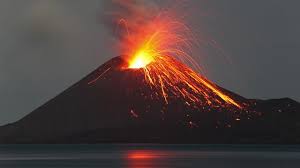
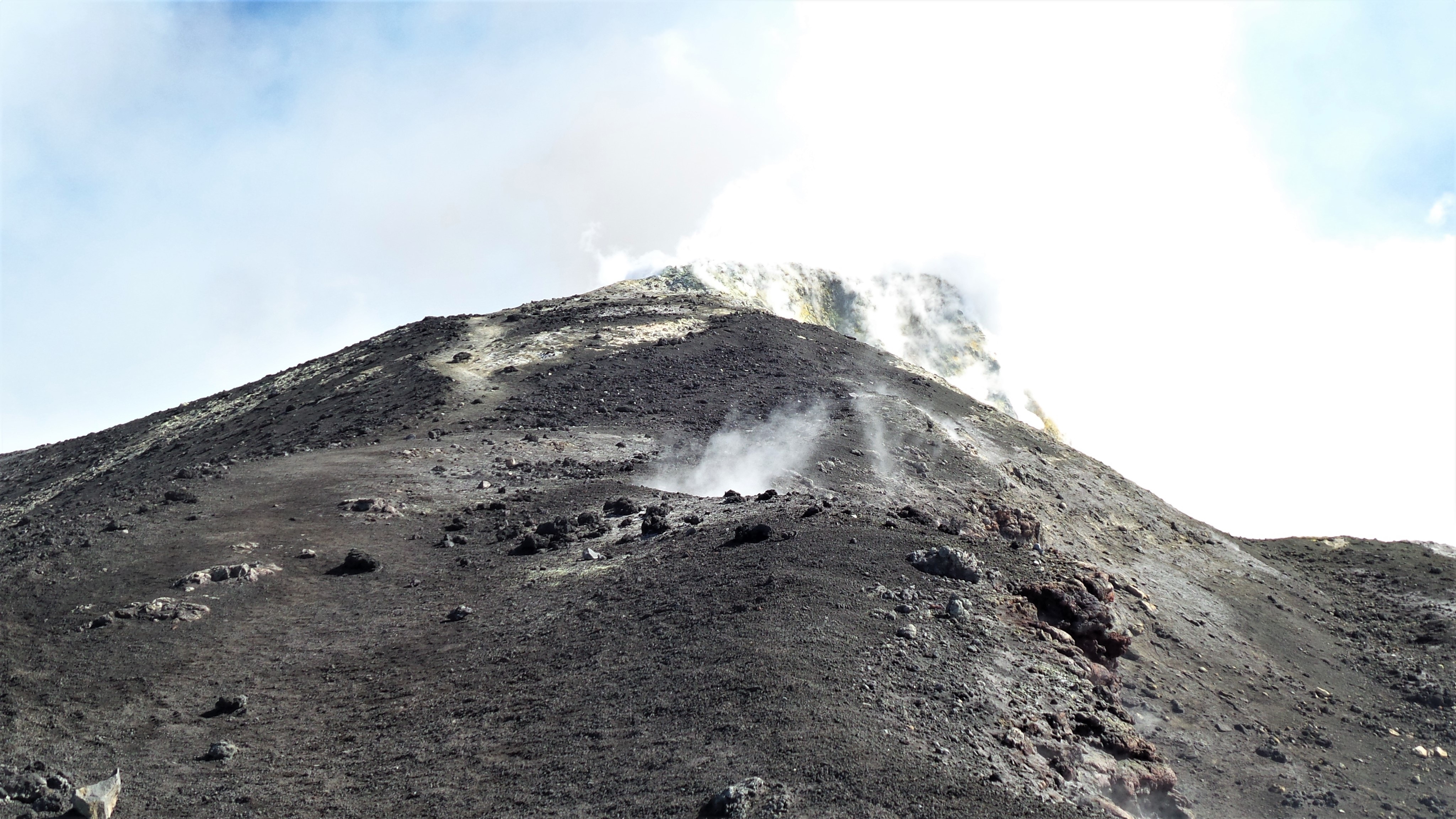
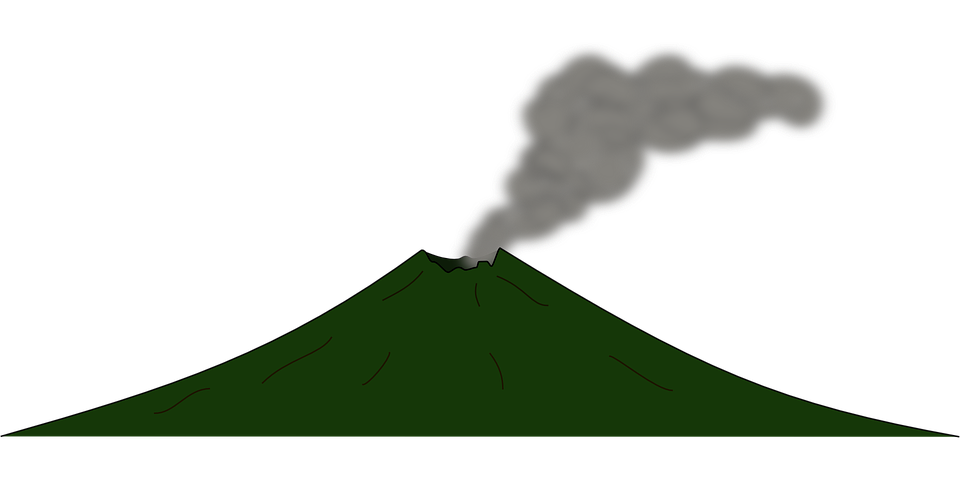
A geologist is studying a volcano that has a moderate slope—not too steep—and is made up of alternating layers of hardened lava, ash, and volcanic rocks from past eruptions. Based on these characteristics, what type of volcano is it most likely?

4

As a glacier slowly moves across the land, it scrapes and carves out valleys, breaking down rocks in its path. At the same time, it drops off sediment and builds up new landforms like moraines. What type of force is a moving glacier considered to be based on these effects?

4

Visitors to the Grand Canyon are amazed by its deep valleys and steep cliffs, carved over millions of years. Even today, natural processes continue to break down rock and carry sediment away, slowly changing the canyon’s shape. What forces are still at work causing these ongoing changes?

2

While exploring a volcanic region, scientists come across a volcano with very steep sides. It was formed by explosive eruptions that threw out ash and cinders, creating a cone-shaped hill with a crater at the top. What type of volcano is this?

4

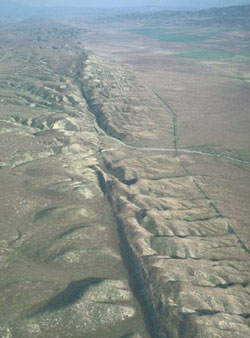
Along the San Andreas region in California, there is a large crack in Earth’s crust where two blocks of rock slide past each other, occasionally causing earthquakes. What is this kind of crack called?______________.

4

Mount Rainier in Washington State hasn't erupted in over 500 years, yet scientists still consider it one of the most dangerous volcanoes in the Cascade Range. This is due to several factors, including frequent nearby earthquakes, an active hydrothermal system, its great height, and its thick glacier cover. Because it hasn’t erupted in centuries but still shows signs of activity, how would this volcano be classified?

4

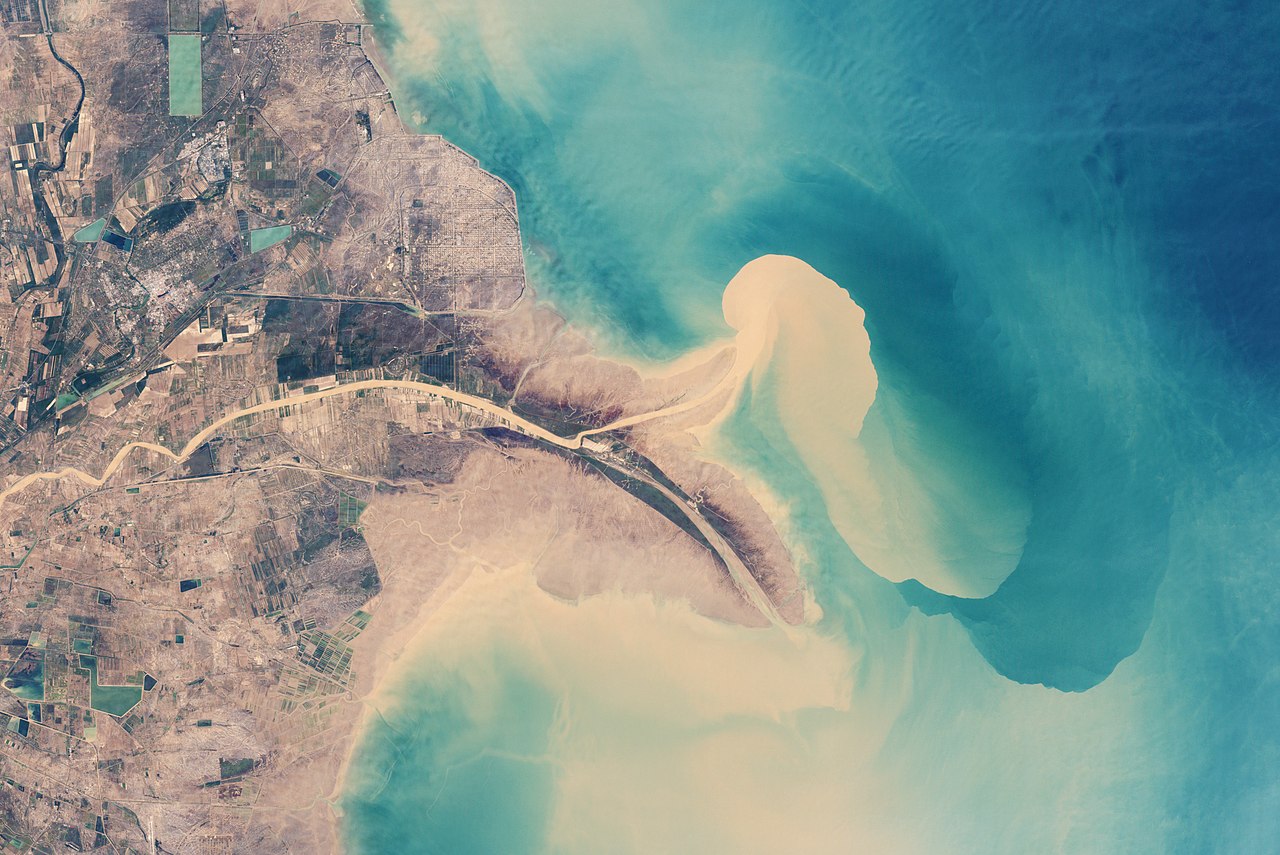
As a river flows into a larger body of water, such as an ocean or a lake, it slows down and drops the sediment it was carrying. Over time, this forms a fan-shaped deposit at the river’s mouth. What is this landform called?

4

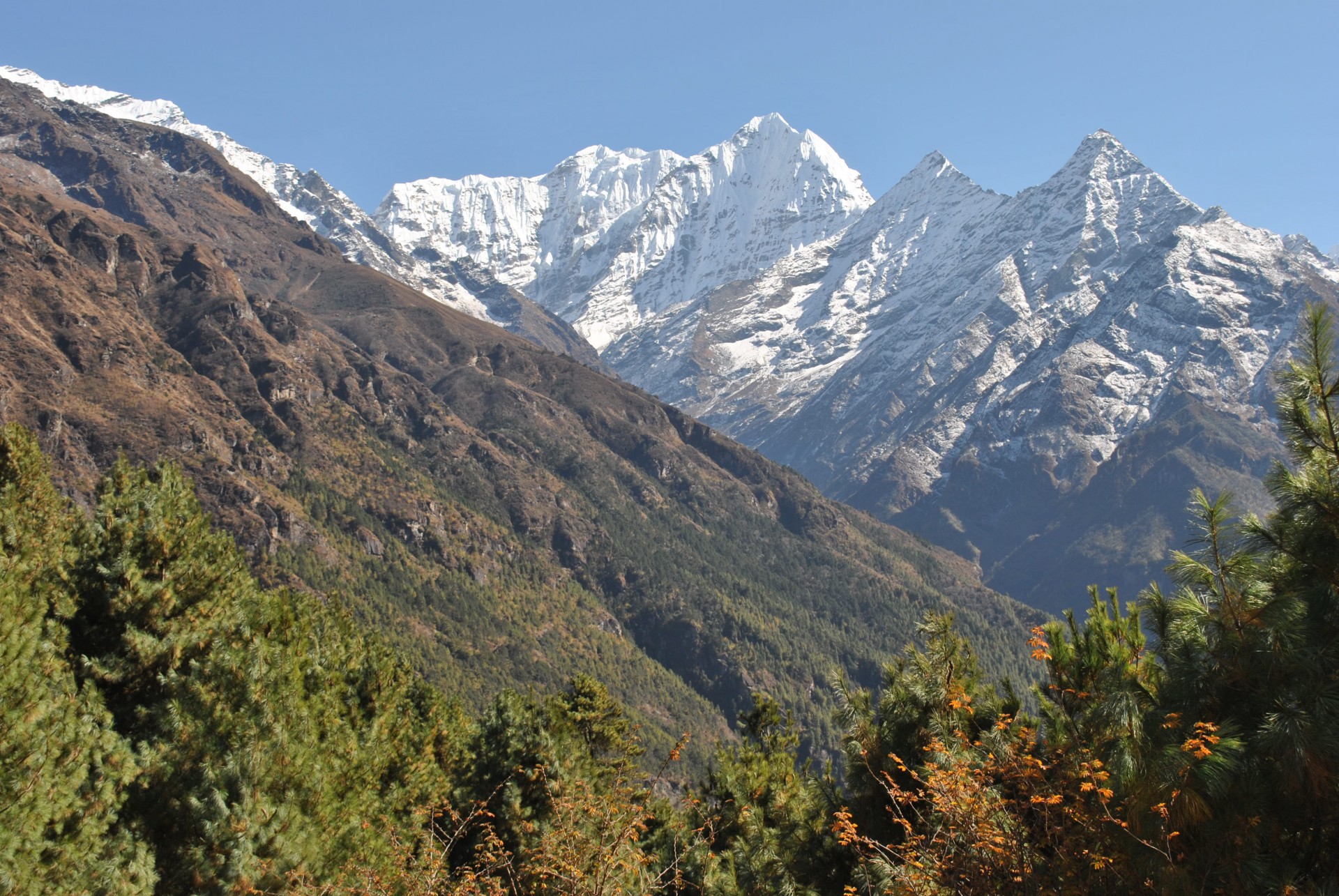
The Himalayan Mountains in India are some of the tallest mountains in the world. They formed over millions of years as huge pieces of Earth’s crust pushed against each other, causing the land to crumple and rise. What type of tectonic boundary is responsible for creating mountain ranges like the Himalayas?

2

While visiting a volcanic island, students notice a volcano with gentle, sloping sides that resemble an upside-down bowl. It was formed by lava that flowed easily and spread out over large areas. Based on its shape and how it formed, what type of volcano is this?

4

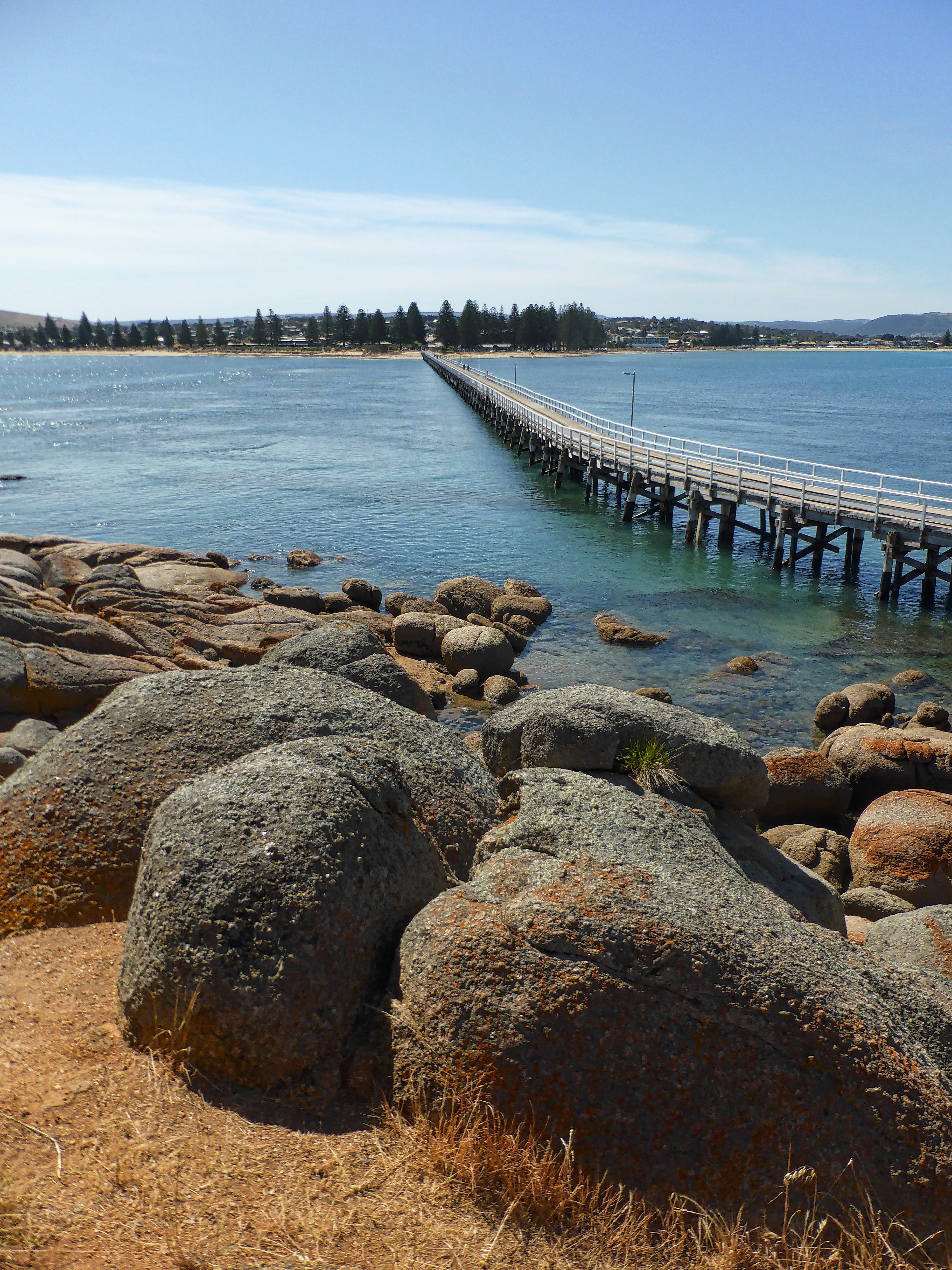
A coastal town builds a long structure that extends into the ocean next to the beach. Over time, people notice that the beach near this structure keeps more of its sand, even during strong waves. What is this structure called and how does it help protect the beach?

3

From June 1 through November 30, beaches along the Florida coast are at risk of erosion due to hurricanes and strong storms. What is something that can be planted along the dunes to help hold the sand in place and minimize erosion?

4

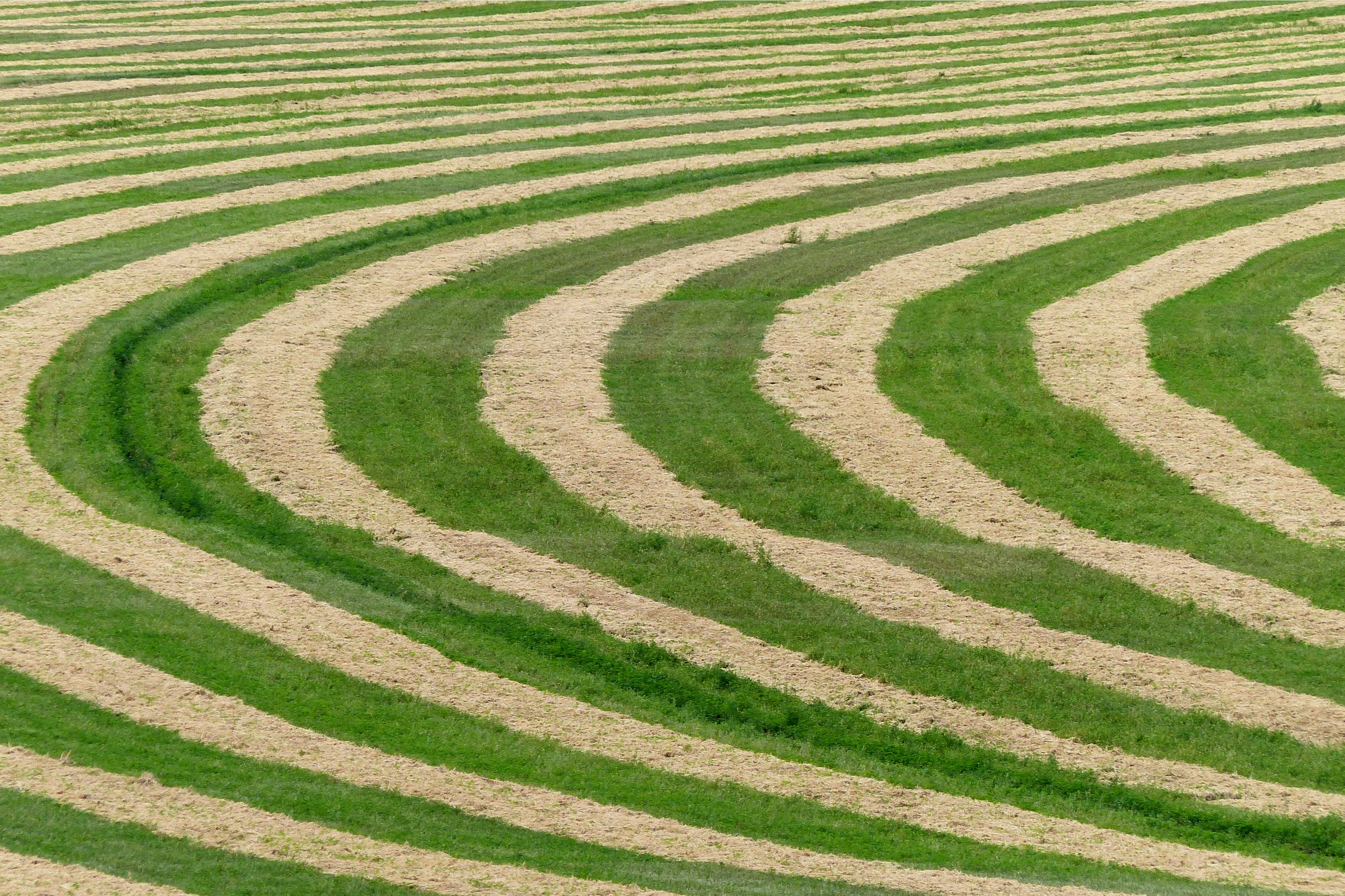
To reduce soil erosion on a sloped farm, a farmer decides to plow along the natural curves of the hill rather than straight up and down. This method helps slow down water runoff and keeps the topsoil in place. What is this farming technique called?

4

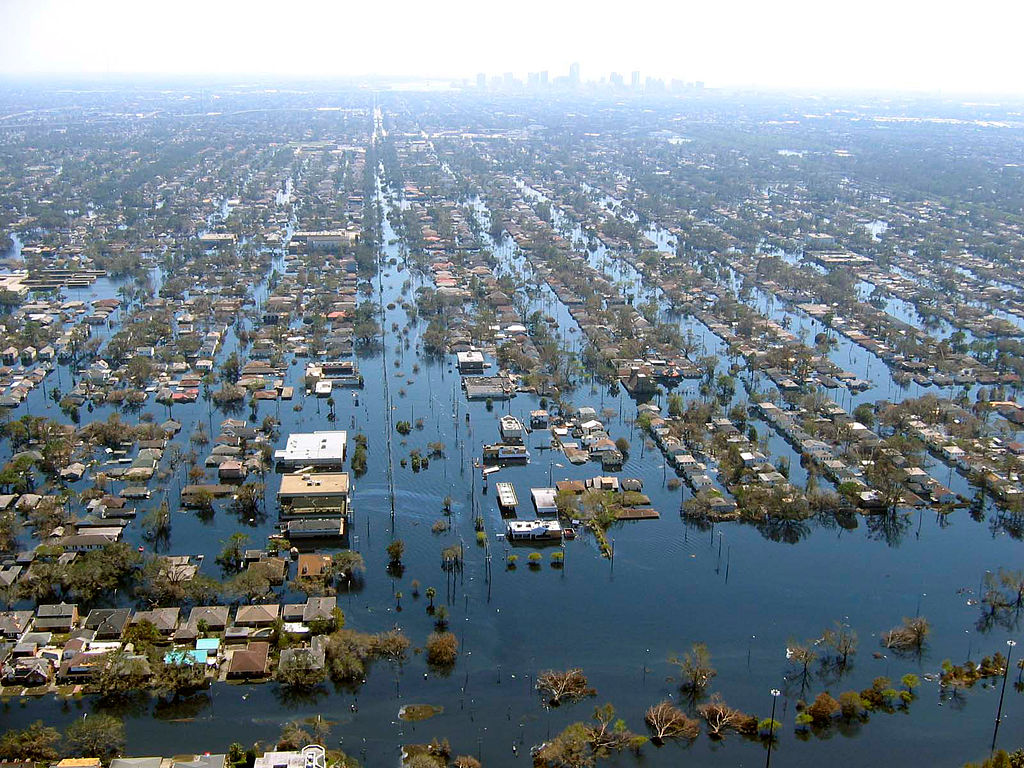
New Orleans, Louisiana, is a city that borders the Mississippi River, Lake Pontchartrain, and the Gulf of Mexico. The city sits below sea level and is subject to more and more flooding. New Orleans would be considered a

4

March 1886, in Rome, Georgia, rain began falling and continued for many days. The rainfall caused the Oostanaula and Coosa rivers to swell to 40.3 feet, the highest level ever recorded. Downtown Broad Street was 10 feet underwater. The city was drowning. As a result of this flooding, city officials determined that a __________ needed to be built to help prevent flooding of this magnitude from ever happening again. The structure still helps control flooding to this day.

2

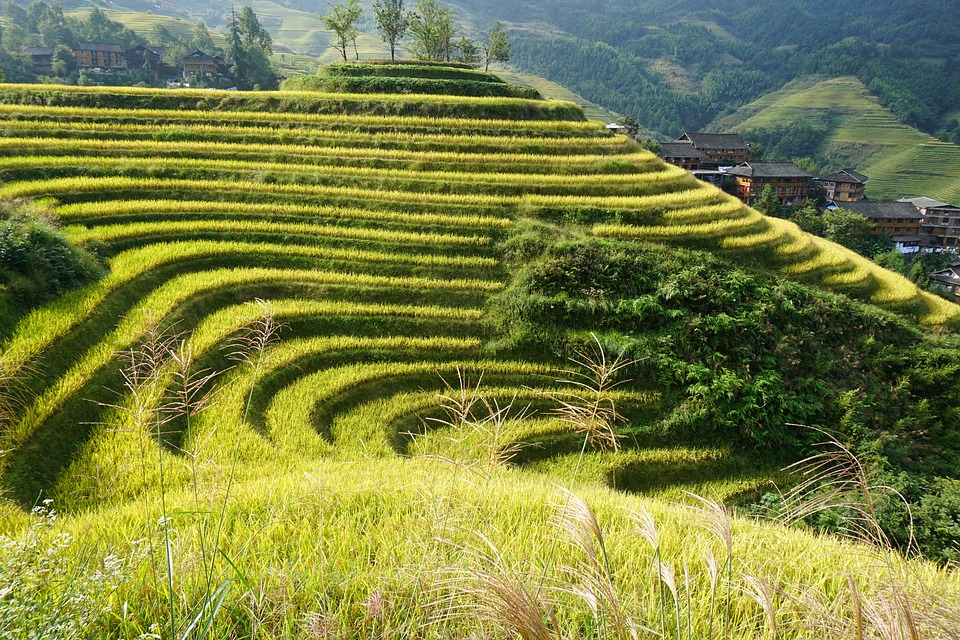
A type of farming where “steps” are built onto slopes of hills and mountains in order to keep topsoil from eroding away w it rains. What type of farming is this called?

2

A scientist is studying a region around the edges of the Pacific Ocean where there are frequent earthquakes and many eruptions. This area is known for having a large number of active volcanoes. What is this region called, and what natural features give it its fiery name?

4

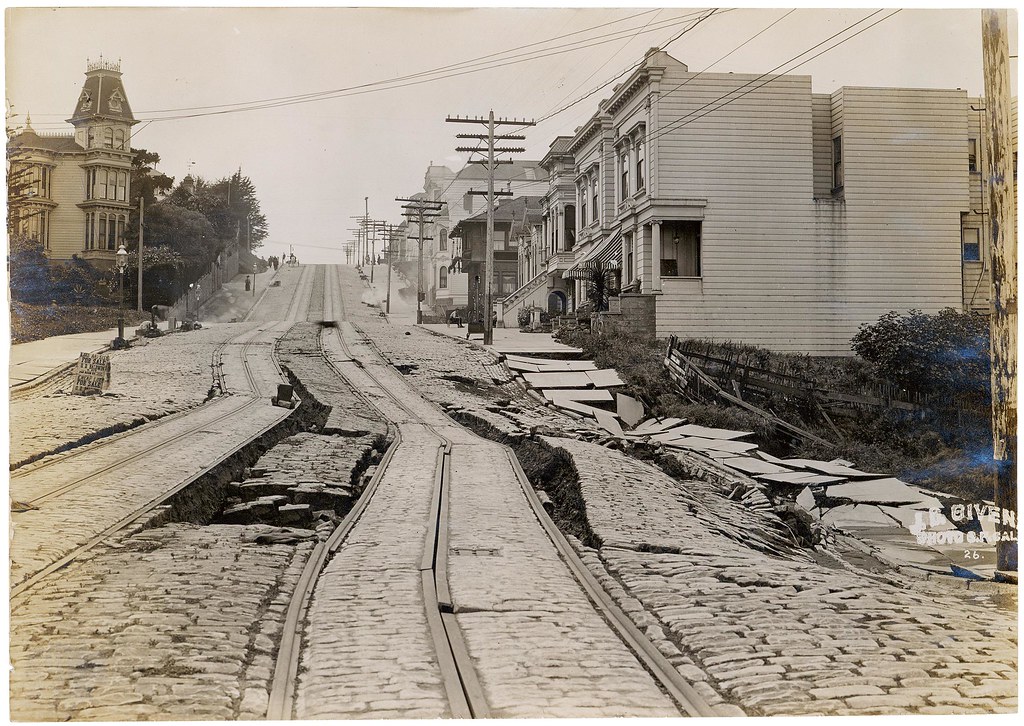
The picture shows the devastation after an earthquake. What tool would scientists use to measure and record the magnitude of an earthquake?

3

Engineers in northern regions often inspect roads more closely in early spring than at other times of the year. They frequently find that cracks and potholes have become significantly worse since the previous fall. This increase in road damage is linked to repeated cycles of water entering pavement cracks, freezing, expanding, and eventually breaking the surface apart. Which scenario best illustrates this type of mechanical weathering known as ice wedging?

3

While visiting the Grand Canyon, a student asks how such a massive canyon was formed. The park ranger explains that it was carved over millions of years by a natural process that slowly wore away rock and carried it downstream. What process was mainly responsible for forming the Grand Canyon?

1

What is the geological process by which natural forces such as wind, water, or ice move soil particles, including sand, silt, and sediment, from one location to another?

2

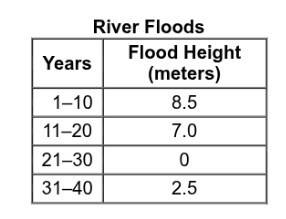
The table shows the greatest flood height a river reached over a period of 40 years. Which change was most likely made to the river after year 20 that would explain the trend in flood height?

4

In the 1930s, a structure was built on the Colorado River to help control flooding, store water, and provide electricity to the surrounding region. This massive structure blocks the flow of the river, creating a reservoir. The water stored behind it can be released to flow through turbines, generating a renewable source of energy.

Which structure was built to hold back the river, and what type of energy is produced when the water flows through turbines?

4

A coastal community has been experiencing increased beach erosion after several strong storms. Residents have noticed that sand dunes are disappearing, and nearby buildings are at greater risk of damage. Scientists recommend planting sea oats and other native plants along the dunes to help solve the problem.
Why would planting vegetation like sea oats help protect the coastline from further erosion?

4

Two students in Rome, Georgia are discussing whether a volcano could form in their backyard.

Jordan’s claim:
“A volcano could form here because magma can push through the Earth’s crust anywhere if the pressure builds up enough.”

Taylor’s claim:
“A volcano is unlikely here because Rome, Georgia is far from tectonic plate boundaries and hot spots, and it’s on the Atlantic side—far from the Ring of Fire where most volcanoes occur.”

Which student’s claim is scientifically correct, and why?

3

The 1906 San Francisco earthquake caused widespread destruction, leveling buildings and infrastructure across the city. However, the tectonic activity that caused the quake also contributed to the uplift of the surrounding mountain ranges and the formation of new geological features along the San Andreas Fault.

Using this example, explain how earthquakes can simultaneously be destructive and constructive forces on Earth’s surface.

1

The Hawaiian Islands were formed slowly over millions of years by lava coming out of a volcano and building up land. What kind of Earth process is this, since it creates new land?

1

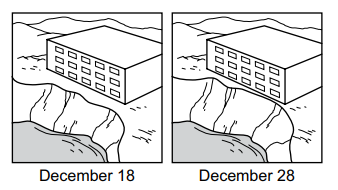
Some people who live in coastal areas along cliffs are using drones to take pictures of their
neighborhoods. A drone is a flying vehicle without a pilot on board. The two pictures show CHANGES in the cliff near a building on two different days in December. Which question can be answered by using a drone to observe changes along coastal areas?