Chapter 4 Section 1
star
star
star
star
star
Last updated almost 4 years ago
22 questions

1
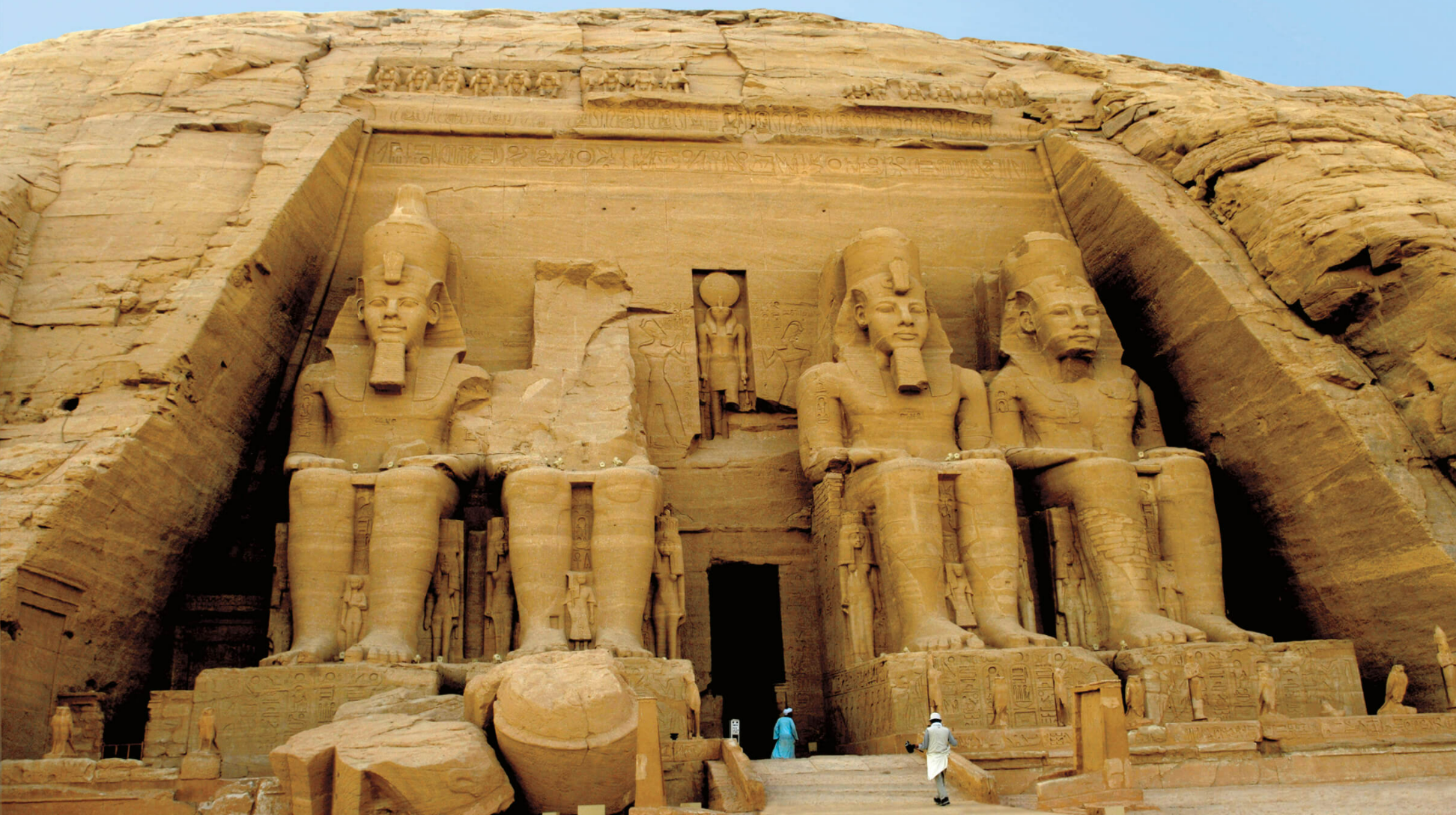
The four statues of King Ramses II at this temple provide an example of ancient Egyptian art. Small figures of Ramses’ children, his queen, and his mother are carved around his feet. Dedicated to the sun gods, the temple was built in such a way that, on two days of the year, the first rays of the morning sun shine through the building and light up the entire temple. What do the number and size of the figures of Ramses II indicate about his importance in ancient Egyptian society?

1
The _________ was central to the civilization that developed in Egypt.
1
Rock formations that create churning rapids, breaking the river’s smooth course, are called ______.
1
What is a delta?
What is a delta?
1
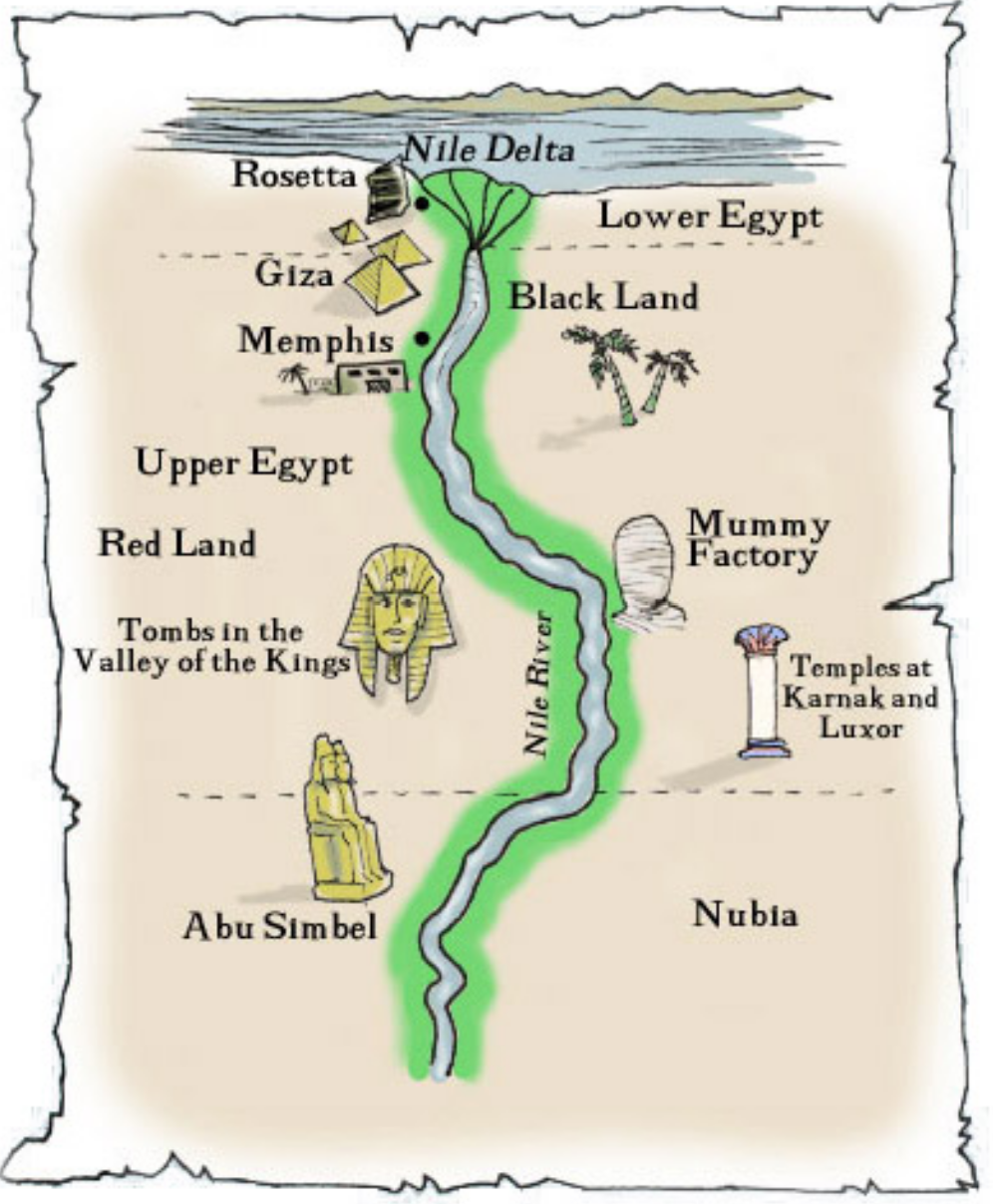
Ancient Egypt's heartland was divided into two distinct regions: the Upper (southern) Nile and the Lower (northern) Nile. Which region included the Nile Delta?
1
Select all that apply to the Nile:

1
The _____ land was the narrow stretch that ran along both sides of the Nile. There, the river’s waters and nourishing dark silt allowed plants to grow and people to live.
1
The red land was a vast, scorching _____ that surrounded the Nile.
1
Egypt’s geography, its climate, and the Nile River all played parts in the kind of civilization that Egypt would become. Select all those that apply to ancient Egypt:

1
Five thousand years ago, the lives of most Egyptians revolved around ____.
1
Select the crops grown by ancient Egyptians:
1
When did the Nile flood?

1
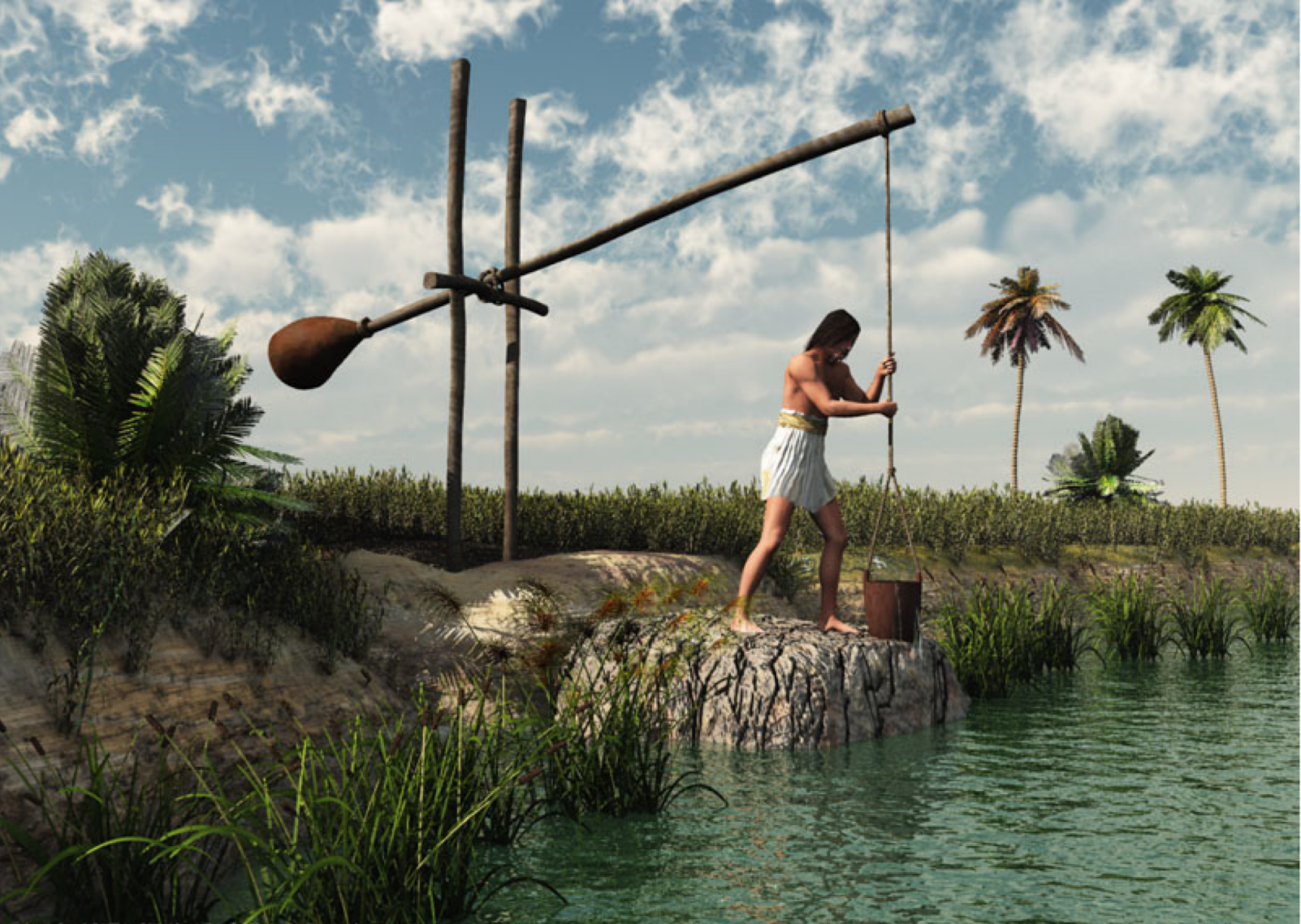
This tool made irrigation easier. What is it?
1
_____ was the Nile Delta region with its wide expanse of fertile land and access to the Mediterranean Sea.
1
_____ was the long, narrow stretch of the Nile south of modern Cairo and hemmed in by desert.

1
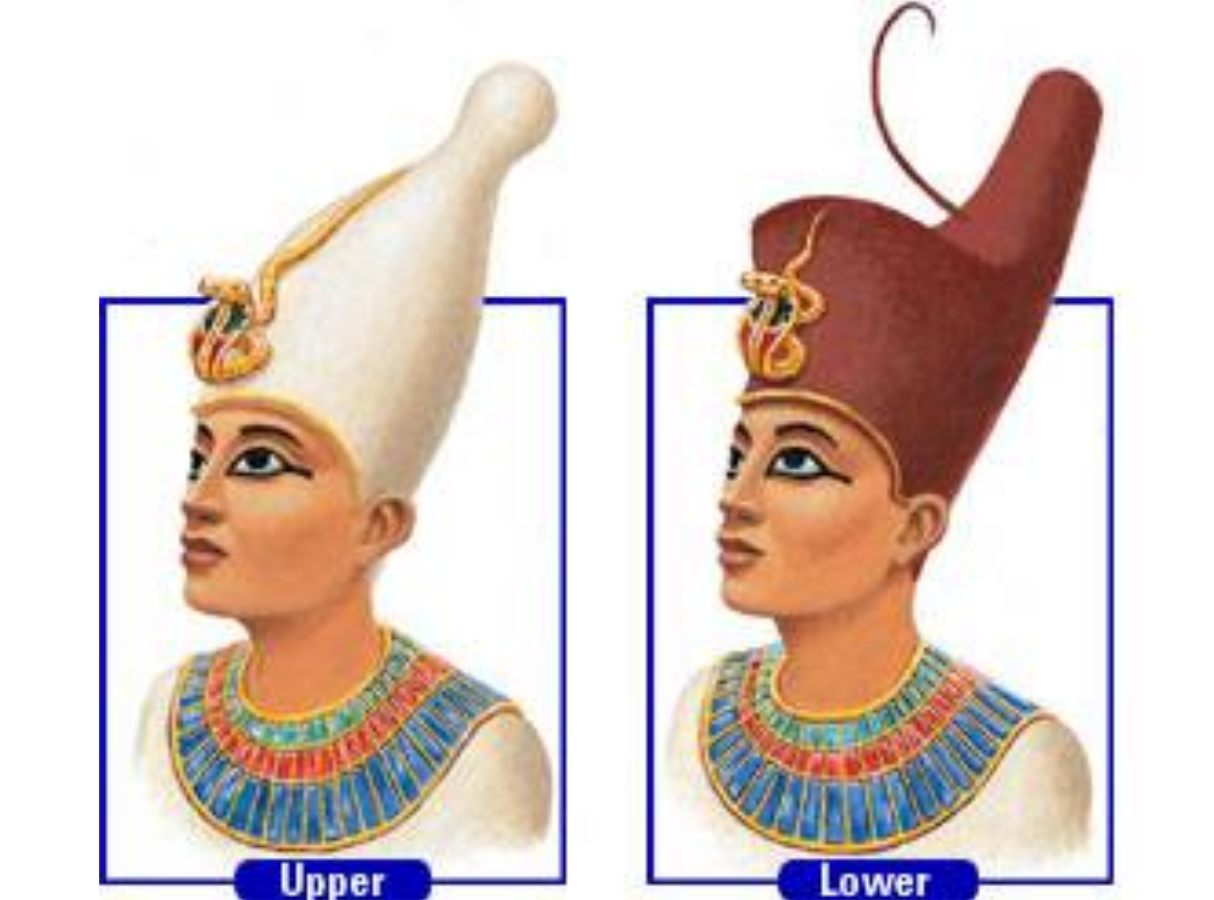
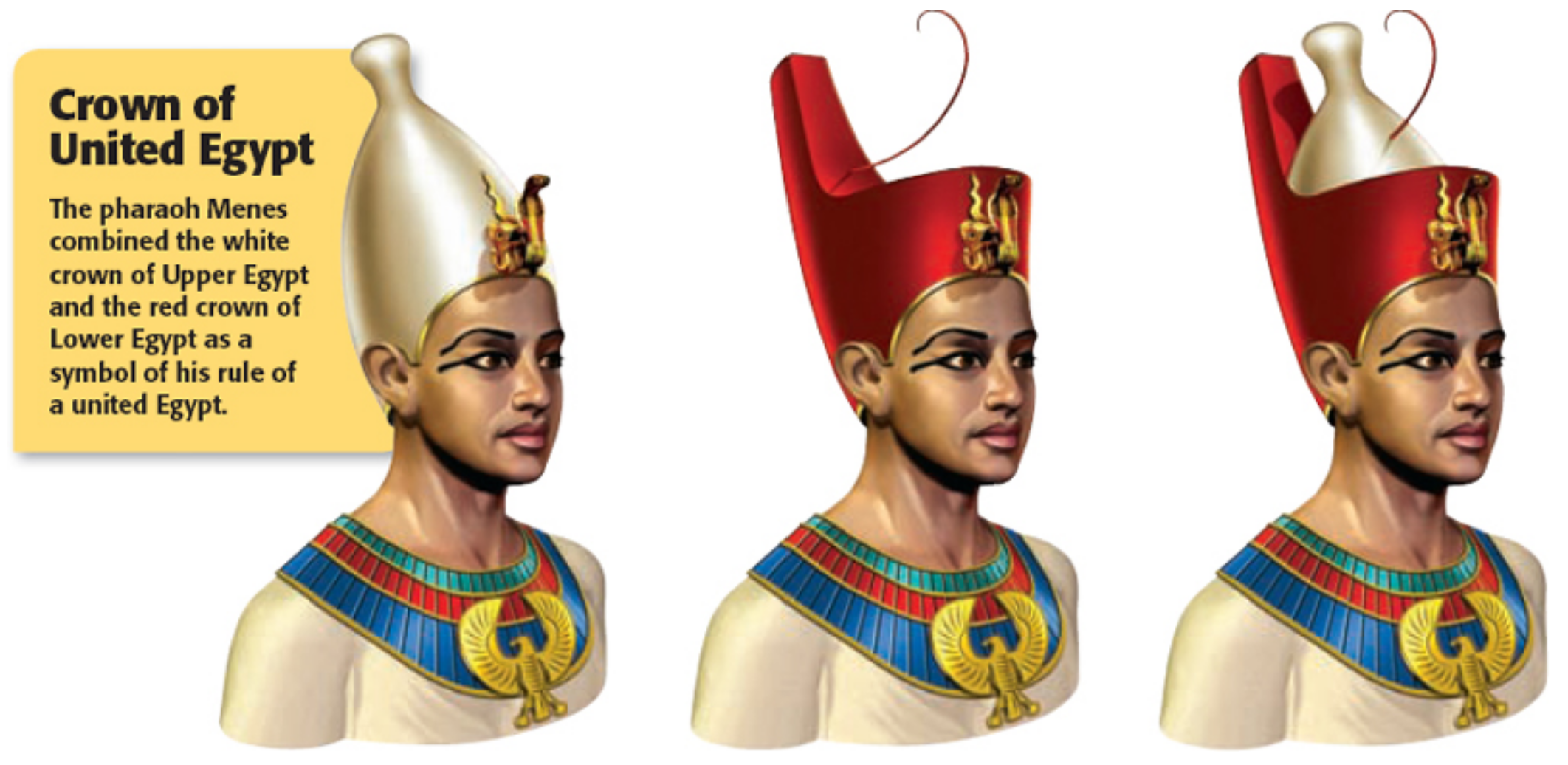
The two kingdomes remained proudly distinct. Even after Egypt was united, it was represented by a _____ _____. Every time Egypt descended into disorder, the two kingdoms were usually on opposite sides of the power struggle.

1
Tradition says that around 3100 B.C., the king of Upper Egypt conquered Lower Egypt and became ruler of all Egypt. Historians believe this king was called _____.
1
The Egyptians built a magnificent new capital city at Memphis. They also established the foundations of Egypt’s _____ practices.
1
The first kings founded a ruling _____ - a series of rulers from the same family.
1
Who had complete authority over all religious, civil, and military matters?
1
Much of the pharaoh's day-to-day work was actually done by his _____, or chief officials.
1
Why would disease or famine threaten the pharaoh’s authority over the people?